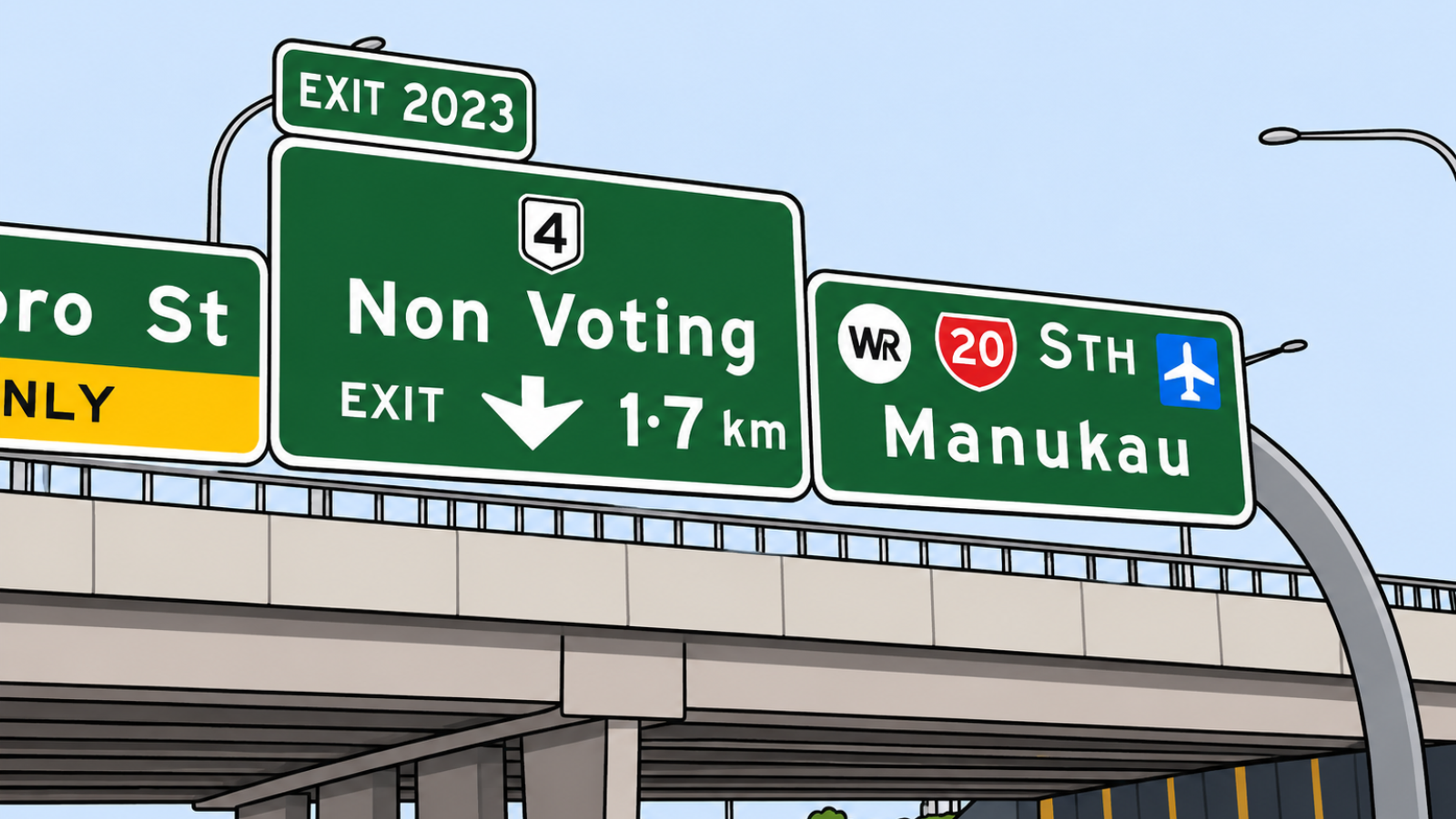
South Auckland has once again delivered some of Labour's biggest majorities of the 2026 election. But behind those numbers is another story: some of the country's lowest voter turnout.
Photo/PMN News/Composite
Opinion
South Auckland has delivered the votes. But after the final count who was still missing?
Labour secured some of its biggest majorities of the 2026 election with large Pacific electorates. But turnout was among the lowest in the country. The final result asks who was heard and who was left out.

Thomas Tarurongo Wynne
Published
28 November 2026, 11:17am
Share
Copy Link
Top stories
Legendary trainer Lolo Heimuli finally gets his flowers in NZSA win
Aui'a Vaimaila Leatinu'uThu, 26 Nov
Top stories
Legendary trainer Lolo Heimuli finally gets his flowers in NZSA win
Aui'a Vaimaila Leatinu'uThu, 26 Nov
South Auckland has once again delivered some of Labour's biggest majorities of the 2026 election.
But behind those numbers is another story: some of the country's lowest voter turnout.
Arena Williams holds Manurewa by 15,143 votes, Lemauga Lydia Sosene holds Māngere by 15,010 and Jenny Salesa holds Ōtāhuhu by 13,262.
Yet turnout in those electorates was well below the national figure of 77.2 per cent. Ōtāhuhu recorded 57.4 per cent while Manurewa was at 61 per cent and Māngere 62.1 per cent.
Low turnout, however, is not inevitable in electorates represented by Pacific MPs.
In Barbara Edmonds’ Kenepuru electorate, turnout was 77.6 per cent, Carmel Sepuloni’s electorate recorded 71.1 per cent and in Tangi Utikere’s Palmerston North it was at 78.3 per cent.
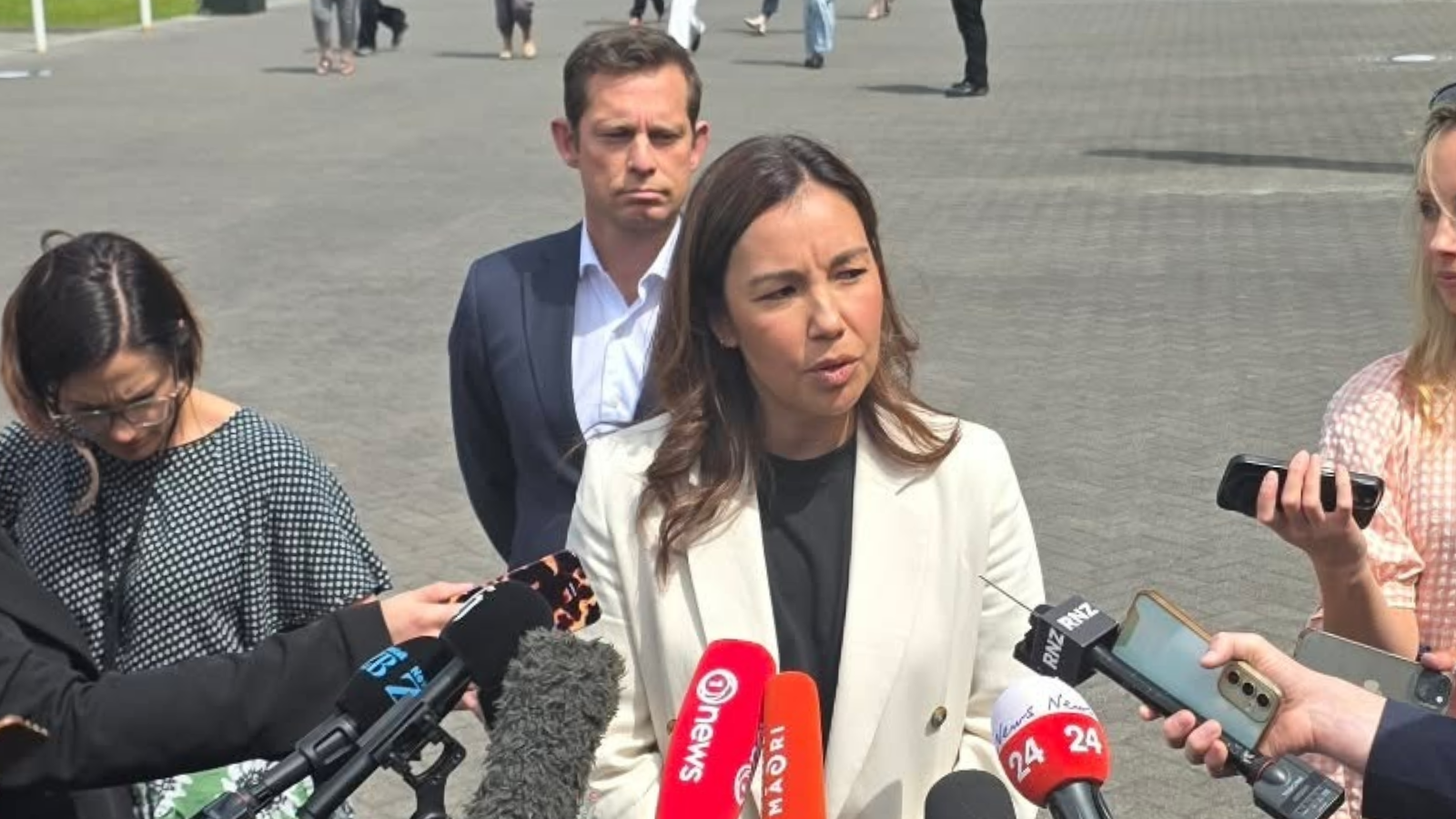
With the election result leaving a hung parliament, all eyes are now on The Opportunity Party. Photo/PMN News/Thomas Tarurongo Wynne
Those figures do not tell us how Pacific people voted. They do, however, raise a question: why are so many voters missing from the count in South Auckland communities with large Pacific populations that deliver Labour some of its biggest majorities?
Do these results reflect long-standing loyalty, or can a comfortable majority hide a growing gap between politicians and the people they represent?
Some answers may start with money.
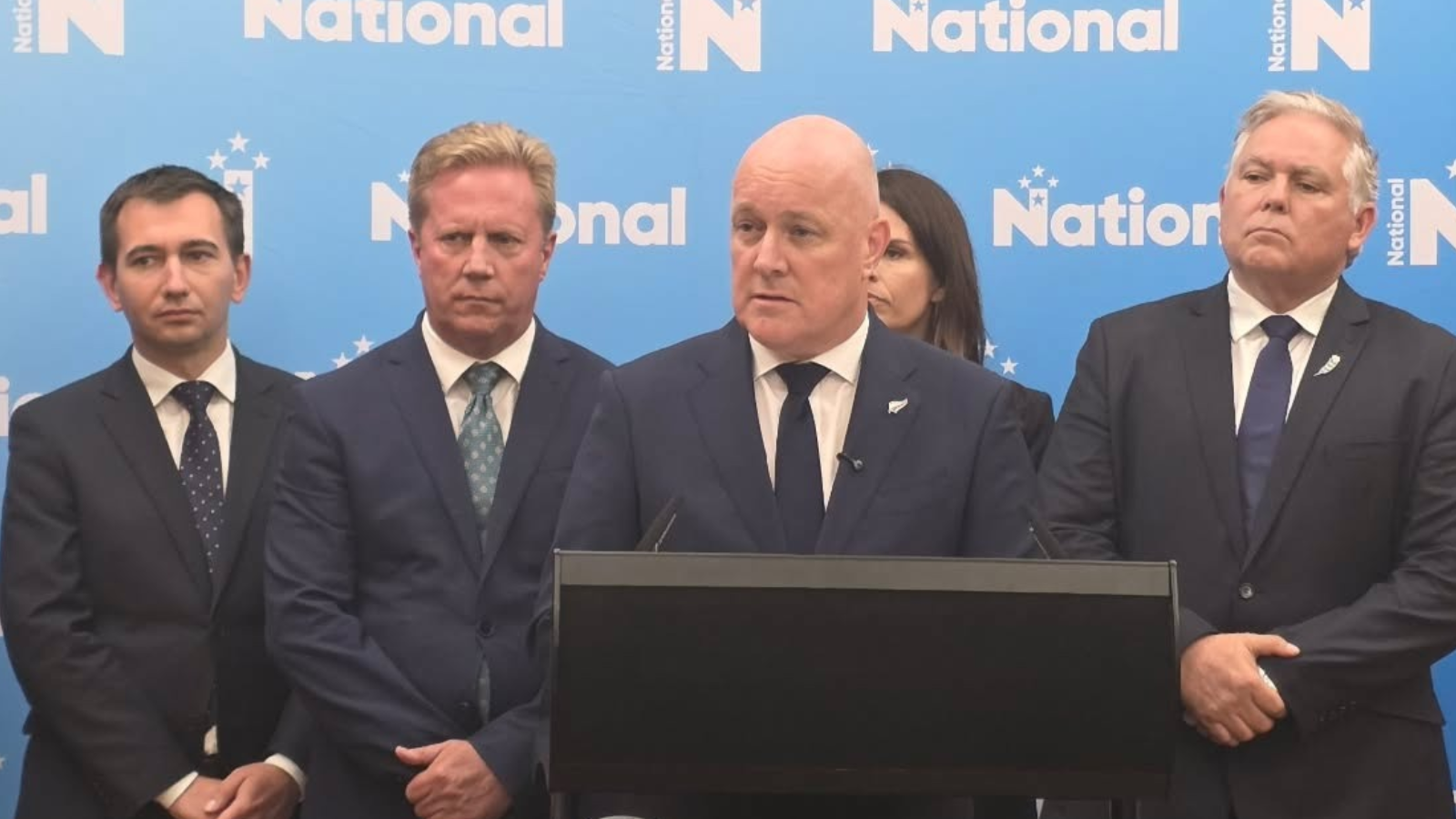
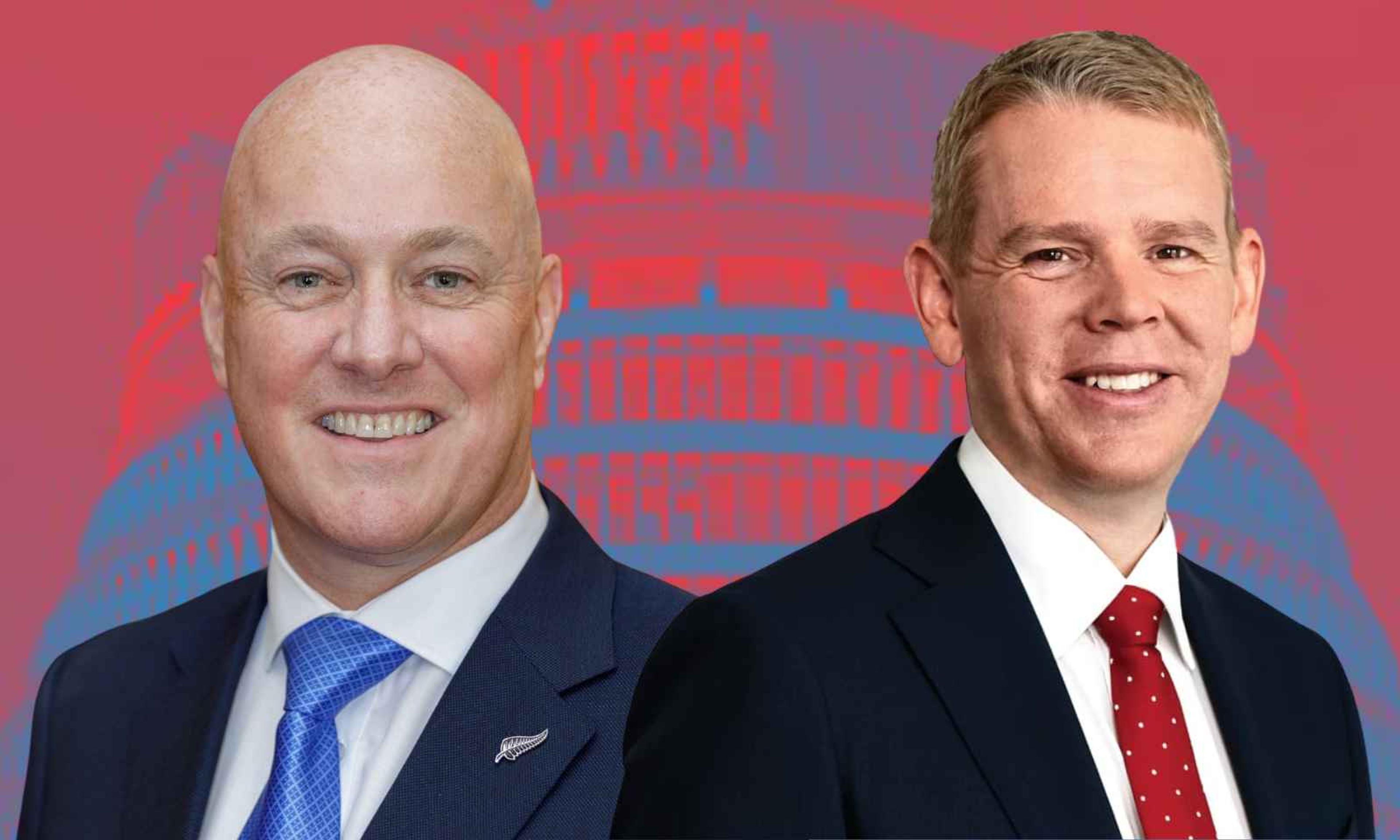
Eight Pacific MPs are expected to be in Parliament, but none sit with Christopher Luxon's National Party, the largest in Parliament.Photo/PMN News/Thomas Tarurongo Wynne
Speaking during last year’s local body elections, Manukau ward councillor Lotu Fuli said some residents had not received their voting papers and faced the more complicated process of casting a special vote.
“Some people will just give up,” she said.
Fuli’s fellow Manukau councillor Alf Filipaina described families struggling to put food on the table and keep afloat. He also pointed to younger voters’ unfamiliarity with postal voting.
Tongan community leader Pakilau Manase Lua also pointed to low participation, divisive politics and culture wars, while families struggled with the pressures of daily life.
His comments raise a question for those seeking our votes: how closely did the political arguments reflect the pressures people were facing at home?
Auckland Council’s local election research has also found lower turnout in the city’s most deprived neighbourhoods. That provides useful context but it cannot tell us why people did not vote in this general election.
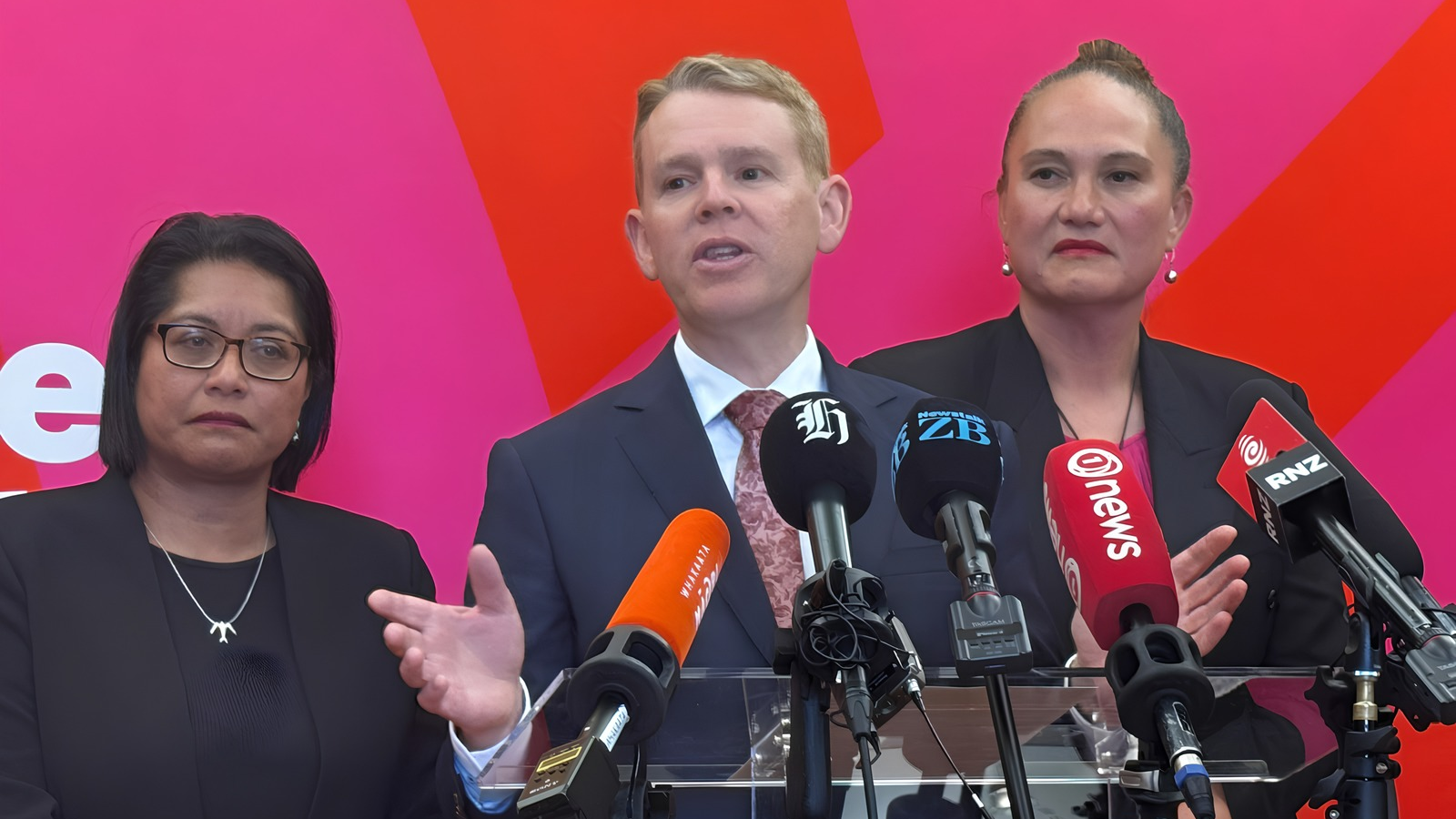
Labour leader Chris Hipkins says the coalition’s changes to enrolment rules affected the final result. That claim will need further scrutiny but it raises wider questions around access to democracy. Photo/PMN News/Thomas Tarurongo Wynne
Age may also be a factor. South Auckland’s Pacific communities are young, and younger people generally participate less in elections. This year, enrolment among 18 to 24-year-olds fell to 72.8 per cent, down from 76.7 per cent in 2023.
Labour leader Chris Hipkins says the coalition’s changes to enrolment rules affected the final result. That claim will need further scrutiny, but it raises wider questions around access to democracy.
My Uber driver yesterday told me he had simply run out of time to vote. One conversation cannot explain an election result, but it does raise another question: how does voting fit around the lives of people who are working, raising families and trying to stay afloat?
The late Green MP Fa‘anānā Efeso Collins raised the alarm after the 2023 election.
“The Pacific vote didn’t come out,” he told Pacific Mornings, warning that thousands of South Auckland votes and voices were missing.
What has changed since then? Have parties listened to those who did not participate? Under MMP, a party vote in Māngere carries the same national weight as one in Epsom.
Listen to Aupito William Sio's full interview below.
Former Pacific Peoples Minister Aupito William Sio told PMN News he was surprised by the result and raised concerns about the influence of wealthy interests. He also questioned what a prospective right-leaning government would do about housing and costs Pacific families continued to face?
Which brings the discussion back to daily life.
Whatever shape the government takes, will people see a difference in what they can afford? Will Pacific families move from surviving to thriving?
Eight Pacific MPs are expected to be in Parliament, but none sit with National, the largest party.
Labour faces a question too. What does it owe communities that deliver some of its biggest majorities while so many voters remain outside the count?
As Green co-leader Chlöe Swarbrick has argued, no party owns an electorate or its people.
Listen to Anae Arthur Anae's full interview below.
Former National MP Anae Arthur Anae told PMN News he had serious concerns about how National had treated Pacific communities. He believed both major parties should learn from public dissatisfaction with the government’s performance.
We cannot assume those who did not vote would have backed Labour or changed the government. Nor can electorate figures tell us how many non-voters were Pacific.
But their absence still matters.
Is it age? Access? Financial pressure? The way politics is being presented? Or is it simply apathy?
South Auckland has counted its majorities, once again. But who has counted those voices still missing?
With the election result leaving a hung parliament, all eyes are now on the Opportunity Party. Maybe the power to shape what comes next was in the hands of those who chose not to vote after all.
Watch Pacific Mornings host William Terite and PMN News Political Reporter Thomas Tarurongo Wynne as they break down the final result of the 2026 general election.