High blood pressure a silent killer, Solomon Islands calls for stronger action
Lachlan EddieFri, 23 Oct

Green MP Teanau Tuiono reflects his Māori and Cook Islands Māori whakapapa.
Photo/Supplied
With one in five NZ-born Pasifika also identifying as Māori, the debate over the tribunal’s future raises questions about who has a stake in the conversation.

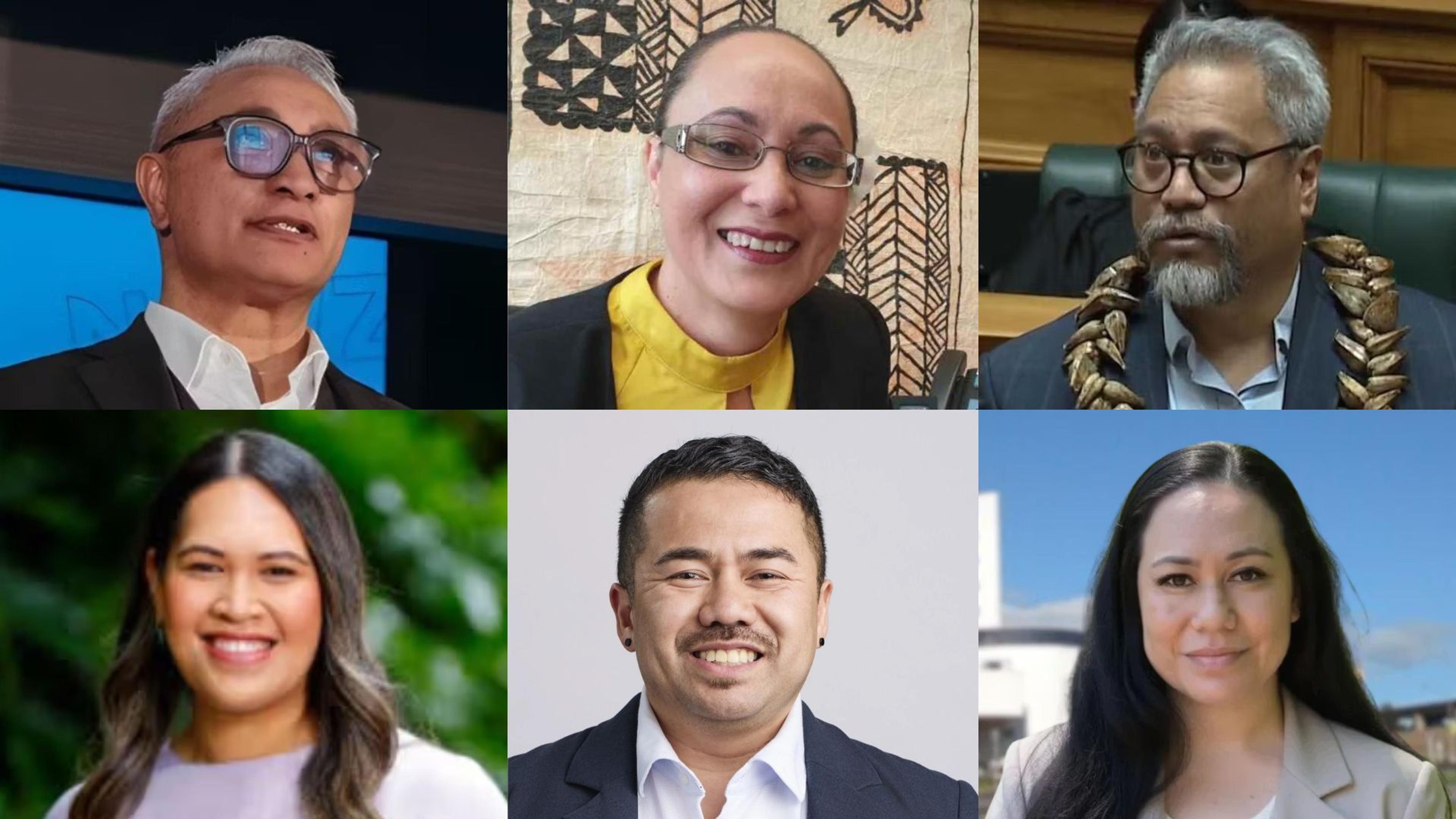
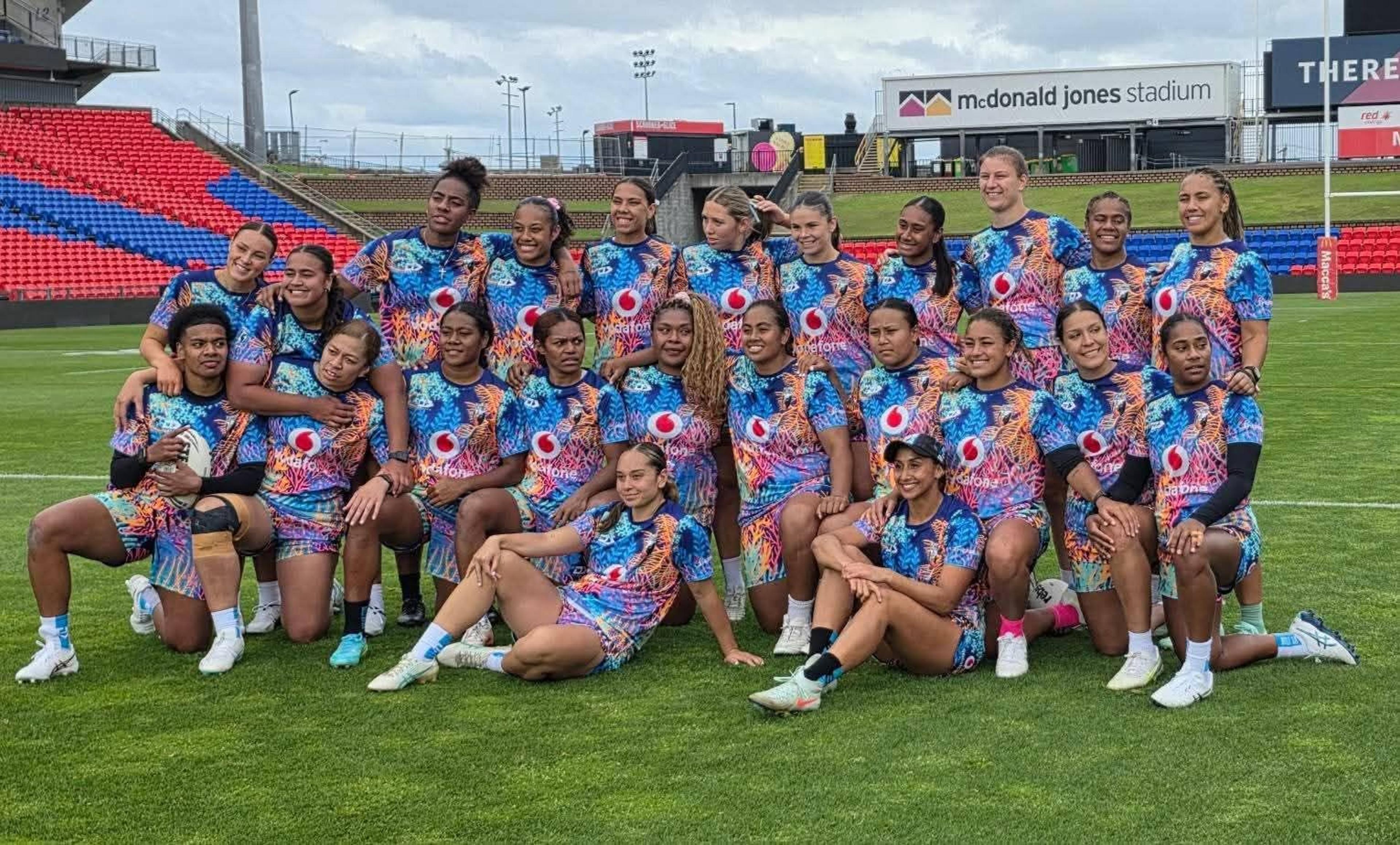
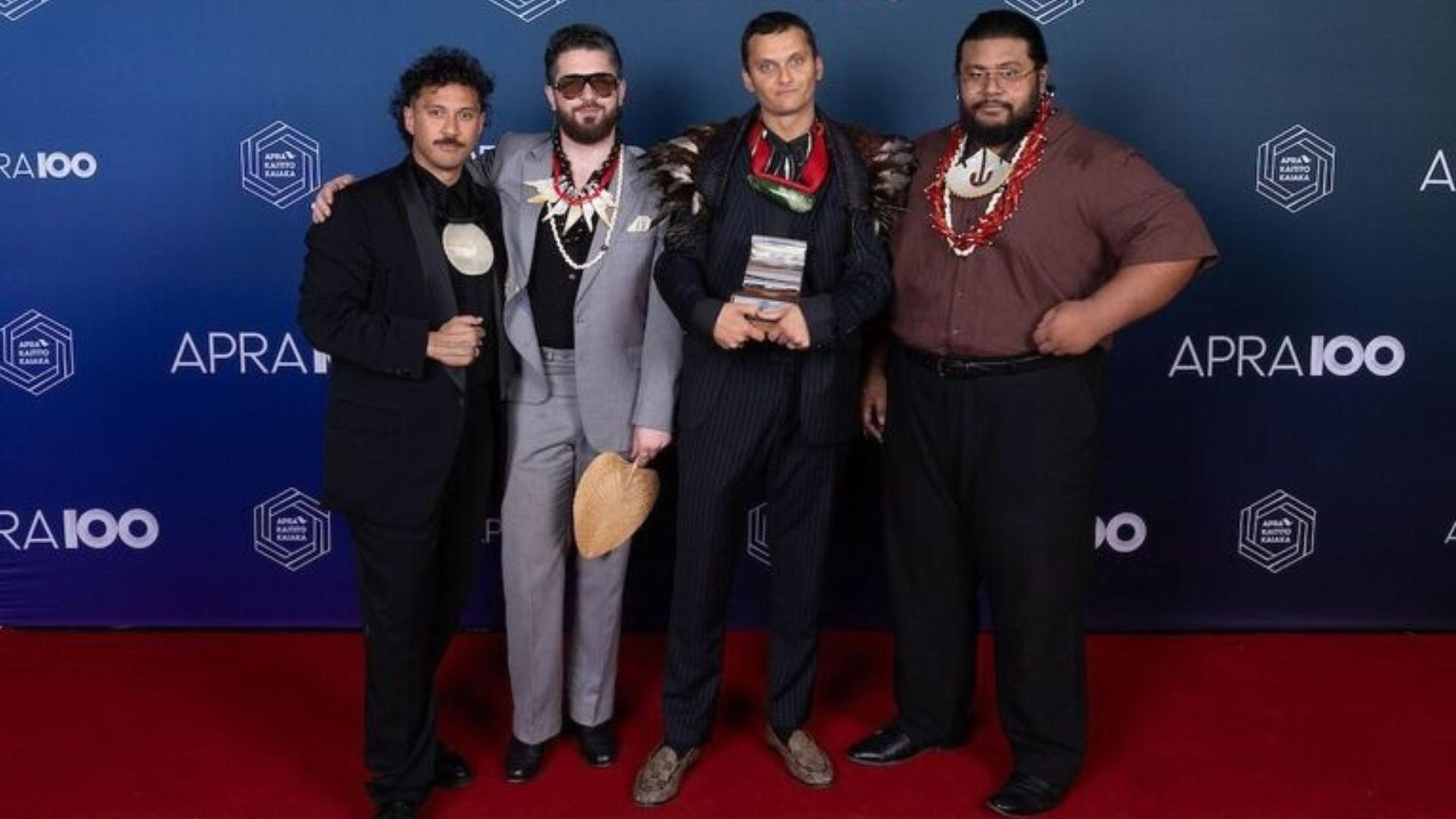
A fifth of our New Zealand-born Pacific people also identify as Māori. and of the Pacific. What does this mean for our Pacific Māori communities when government decisions directly affect Māori communities?
A study in 2023 found that one in five or roughly 20 per cent of Pacific people in Aotearoa also identify as Māori.
So when ACT leader David Seymour stands up this week to announce a plan to wind down the Waitangi Tribunal, for Pacific communities we could easily say this was a Maori issue, maybe a Treaty issue, or just something for iwi, for hapū, for the National Iwi Chairs Forum to respond to. But not us.
How do we then account for the many Pacific people in Aotearoa who clearly also whakapapa to Māori, and does that change who has a stake in this conversation?
The 2023 peer-reviewed study published in Dialogues in Health, drawing on 2,238,039 New Zealand residents, found that a meaningful share of Pacific people in this country also identify as Maori.
Among New Zealand-born Pacific people, the study found substantial levels of multiple ethnic identities across the Pacific groups it examined.

The future of the Waitangi Tribunal has become a major issue in the 2026 election campaign. Photo/ARCHIVE
Averaged across the seven Pacific ethnic groups the study measured, and weighted by the size of each New Zealand-born population, close to one in five New Zealand-born Pacific people in this country also identify as Māori.
That is not a small or peripheral group, especially when we consider that Pacific people are young, growing, diverse and include people who also identify as Māori.
It suggests that whatever the Government decides to do with the Tribunal's future does not stop at the boundary of who is counted as Māori. It reaches into our Pacific households, our Pacific whakapapa, our Pacific families, children and Pacific identity itself here in Aotearoa.

Pacific Māori communities are navigating intersecting identities, whakapapa and connections to Aotearoa. Photo/Te Tari o te Kiingitanga
The Waitangi Tribunal's future has become one of the defining issues of the current term, and now the 2026 election campaign.
ACT's policy, announced this week, would restrict the Tribunal to historical claims lodged before 1 September 2008, end its role in reviewing contemporary Crown policy and conduct, push future rights disputes towards the ordinary courts, and ultimately disestablish the Tribunal once those historical claims are resolved.
Seymour framed the change around the 2040 bicentenary of Te Tiriti.
"Nearly two centuries since the signing of the Treaty, it is time to complete the historical settlements and move New Zealand forward," Seymour said.
Asked what mechanism would replace the Tribunal's oversight of contemporary Treaty breaches, Seymour told media the answer was the ballot box.
"The people of New Zealand and the Parliament. We live in a democratic society."

The Coaltion Government leaders: Prime Minister and National Party leader Christopher Luxon, second from left, Foreign Minister and NZ First leader Winston Peters and Deputy Prime Minister and ACT leader David Seymour, second from right, at Waitangi: Seymour this week proposed winding down the Waitangi Tribunal as part of his party’s 2026 election policy. Photo/RNZ/Mark Papalii
New Zealand First has taken a related but distinct position. Under the National-NZ First coalition agreement, the Government committed to a review to "refocus the scope, purpose, and nature" of the Tribunal's inquiries back to their original intent.
NZ First leader Winston Peters has been openly critical of what he calls the Tribunal's "grievance industry”.
"We're going to stop this right here, right now," Peters said, pointing to a previous, unsuccessful attempt under former Prime Minister Jim Bolger to bring the claims process to an end. "Here we are, 12 years on. It hasn't ended at all."
Green MP Teanau Tuiono, straddles both va’a and waka. He holds both Cook Islands Māori (Atiu-Enuamanu) and New Zealand Māori (Ngāpuhi, Ngāi Takoto) aka’papaanga and whakapapa, and has previously described himself as walking in both worlds at once. Both tangata moana and tangata whenua.
He exemplifies the va’a and waka journey of our Māori and Pacific population here in Aotearoa. They can stand strong in the va’a, while driving to repeal the 1982 Citizenship (Western Sāmoa) Act, which saw across-the-floor support, even ACT at its passing into law.
They can also stand strong in the waka, at Koroneihana, on the paepae of Te Arikinui Kuini Ngā wai hono i te pō, speaking te Reo Māori.
Watch Tongan community leaders Anahila Kanongata’a and Pakilau o Aotearoa Manase Lua criticise the Treaty Principles Bill below.
However, his assessment of the current government coalition is scathing, “the Crown's actions over the past three years, including the removal of Māori words from school books and the Treaty Principles Bill, is simply anti-Māori”.
Clearly, this is not a simple story of who is for or against a tribunal. It raises a much deeper question for Pacific and Maori communities in Aotearoa.
If close to a fifth of NZ-born Pacific people also identify as Maori, does silence on this issue serve their own whānau, families, tamariki and mokopuna?
And if the Tribunal's current role does end, what happens to our Pacific Māori voice, who could be deeply affected by the consequences of this political decision?