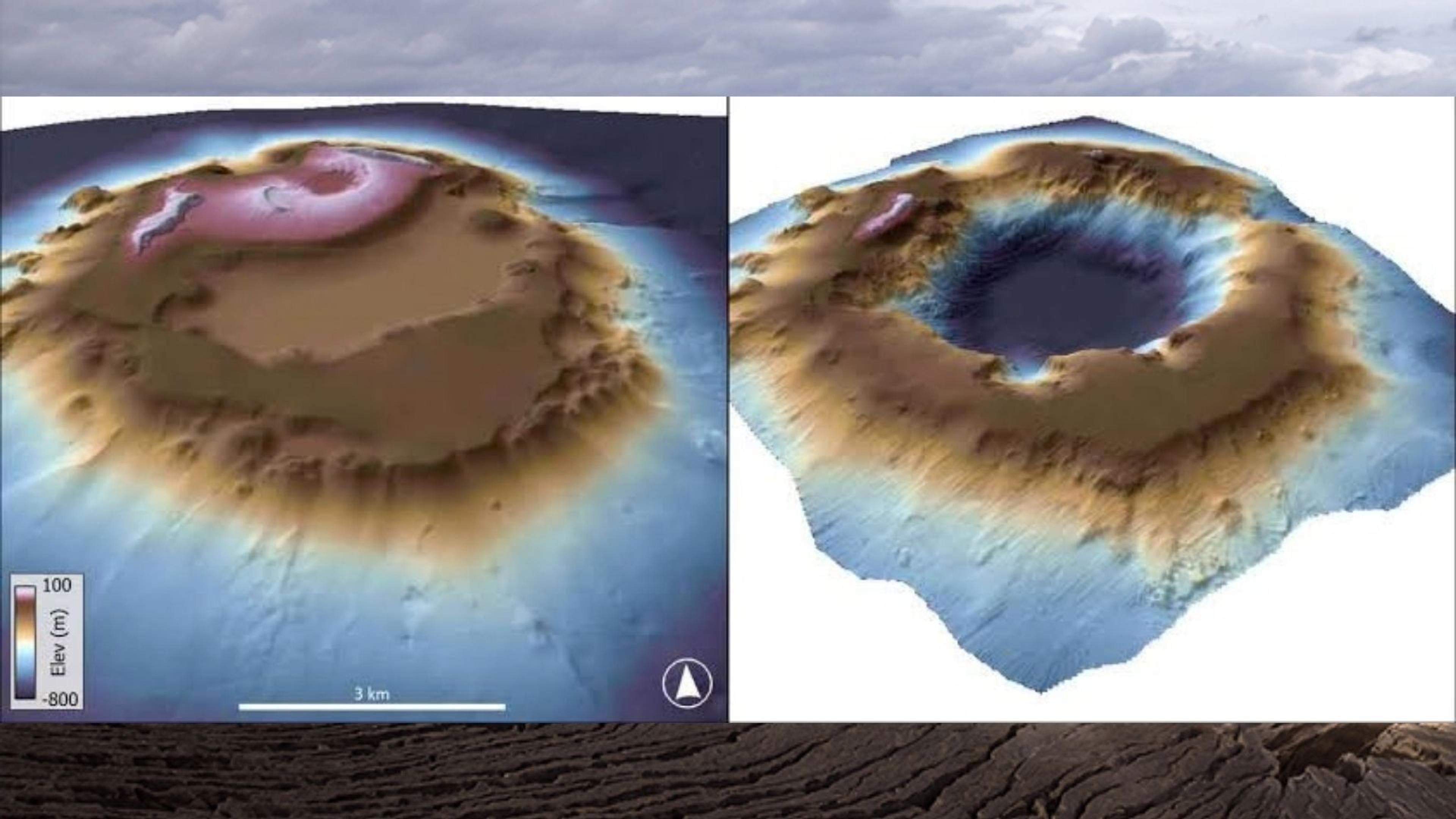
Tongan volcano sent seafloor crashing 700m in minutes - new study
Christine RovoiFri, 18 Sep
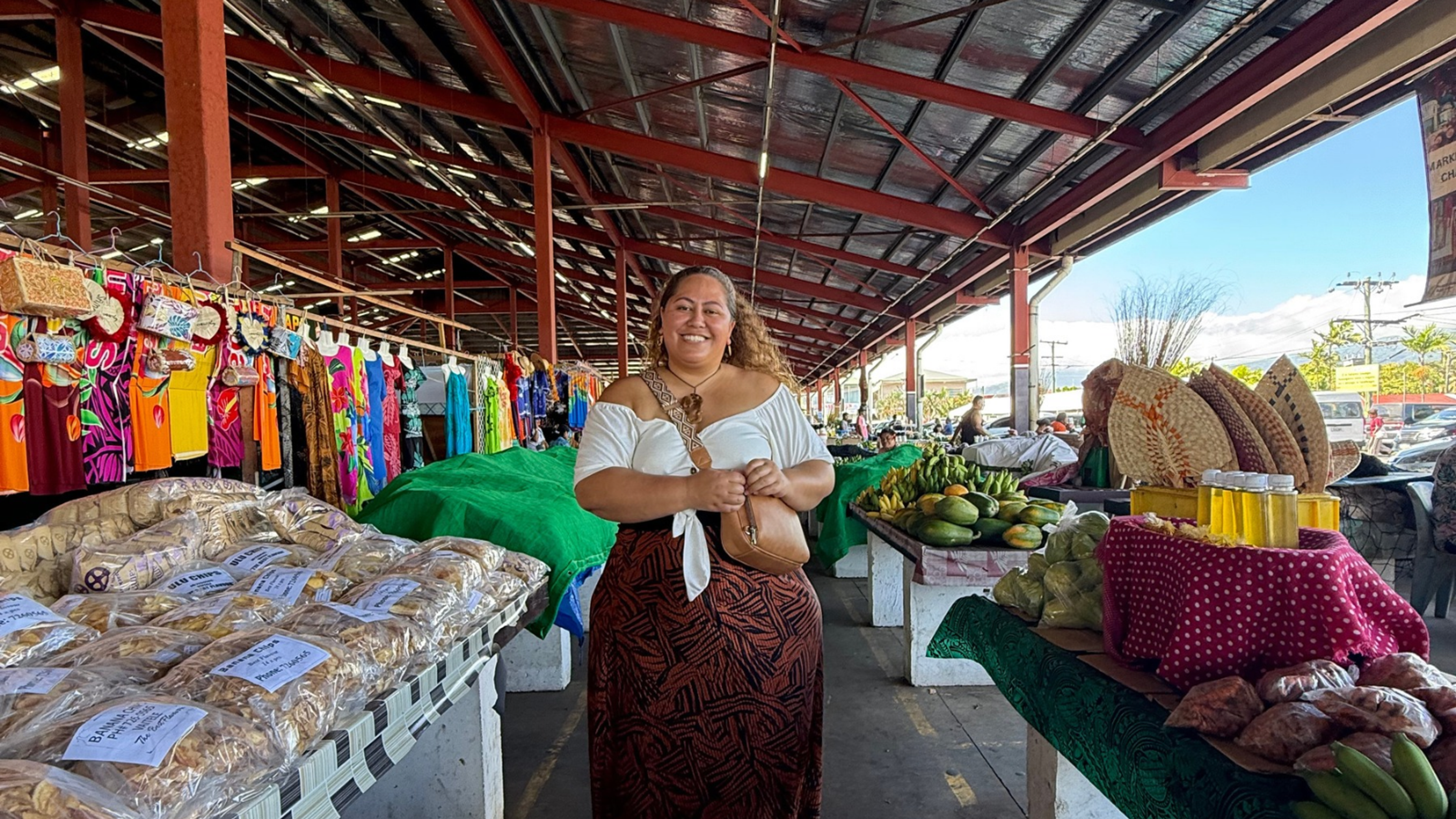
Perhaps the saddest part of a post-island trip is having to cover up this golden tan.
Photo/Atutahi Potaka-Dewes
Disconnection was once a matter of survival. Decades later, a trip to Sāmoa showed me that the path back to my aganu’u is still in motion.


I recently stepped foot for the first time in the villages I descend from.
Full disclosure, this was my second trip to Sāmoa this year. But that first one was a four-day work trip - so it doesn’t really count.
Yes, just like every diasporic returnee, I shamelessly took photos in front of my village signs.
The thing about this homecoming is that I wasn’t travelling with any relatives, nor did those who remain in Sāmoa know of my arrival.
I had a handful of names, including the villages, to go from, and when I spoke to some locals, they were seemingly unfamiliar with the names I had been given.
This is the consequence of disconnection.
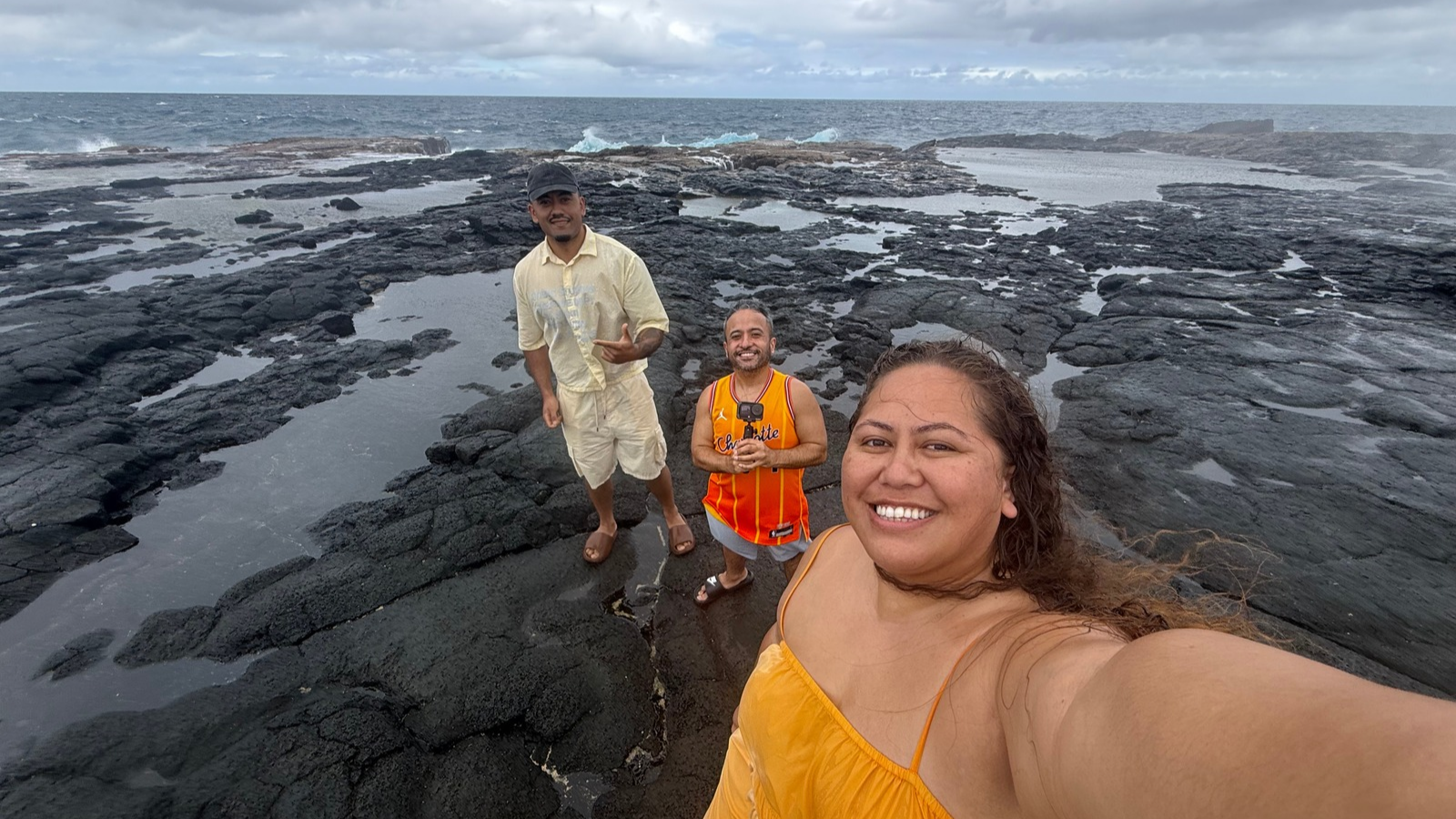
Myself, my partner Karaitiana, and Aaron Ryan. Photo/Atutahi Potaka-Dewes
I’m generally a confident person, but for most of this trip, I couldn’t shake this small feeling of nervousness. Or perhaps I was feeling guilt?
Like a shy awkwardness because it had taken over three decades for me to touch Sāmoan soil.
I travelled with my partner, Kara, and my best mate, Aaron, who has seen more of Sāmoa than Aotearoa.
Kara is Māori through and through and yet, even with his tāmoko (traditional Māori tattoo) and taonga (pendant), people would mistake him for Sāmoan. I would then be asked if I speak Sāmoan or English, to which I would reply, “Māori?”.
Our itinerary was filled with “must-do” swimming spots like the To Sua Trench, Lalomanu Beach and Afu Aau Waterfall. And, seeing as we got drenched, the Alofaaga Blowholes.
I know there are so many places we missed, and that is all the more reason to go back.
But for me, the most profound moments were the small interactions with our people. The genuine warmth and hearty laughter, the absolute dedication to family, tautua (service) with gratitude and love.
Aaron’s family organised an umu for us in Fai’a’ai village in Savai’i. Not only was it the best feed of the whole trip, we also received a beautiful blessing for our travels.
At that moment, I felt the absence of my Gagana Sāmoa. I understood the importance of this exchange, I just didn’t have the words to reciprocate.
Feelings of embarrassment very quickly washed over me, but I had to remind myself that although my journey back to my aganu’u (culture) has been a slow one, it is still in motion.
For context, te reo Māori is my first language and my duality leans more towards te ao Māori. I’ve met my immediate Sāmoan family and have maintained connection with some of them over the years.
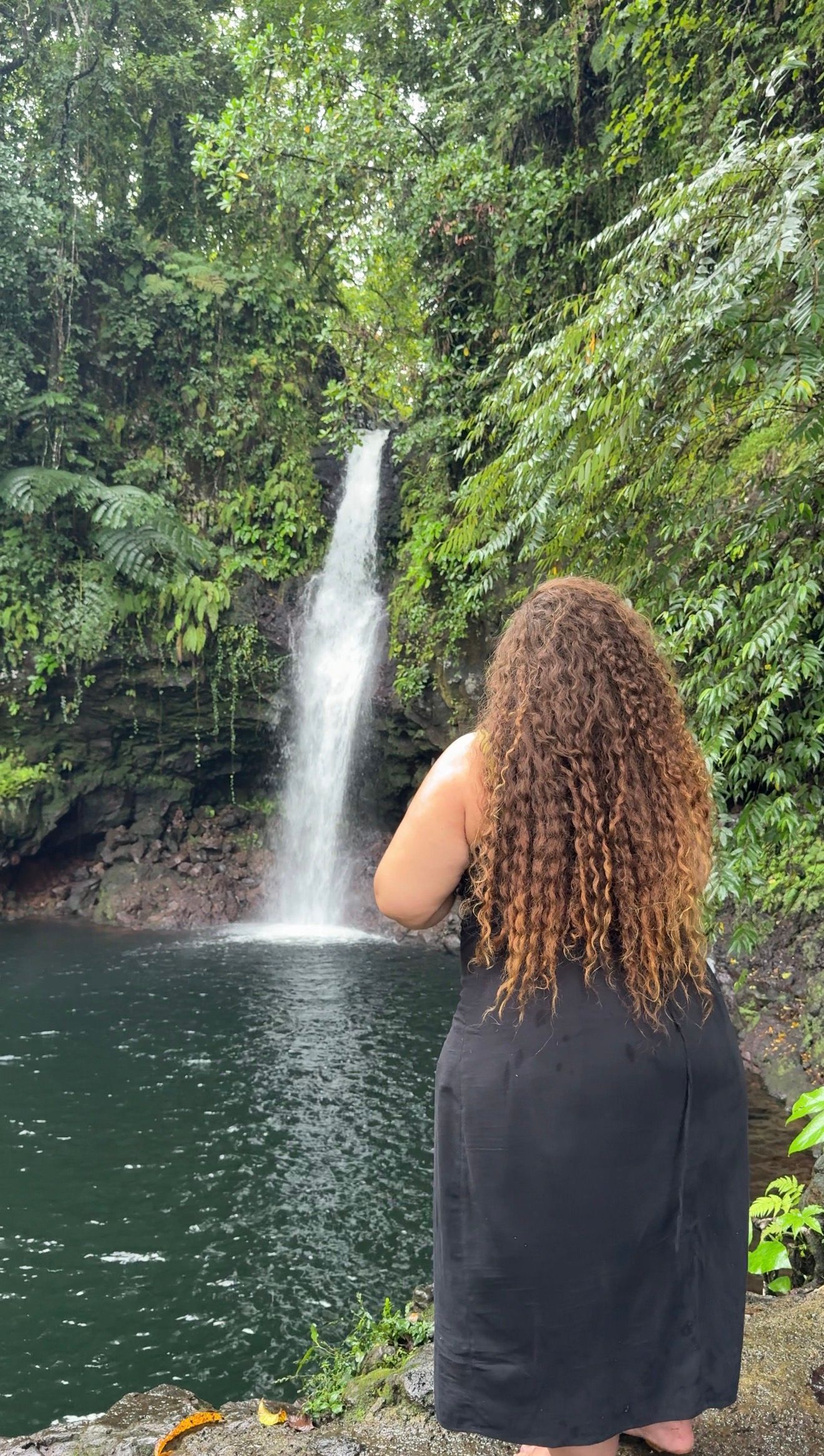
Afu Aau Waterfall. Photo/Atutahi Potaka-Dewes
I was an eight-year-old Kura Kaupapa Māori (full immersion Māori school) kid when my Sāmoan dad re-entered my life.
He abused me from then right up until I left his control at 15. The last time my father laid a hand on me, I was 17 and my Koro (grandfather) had just passed away.
I can’t say I have the fondest memories of my time in Australia with my Sāmoan side. Not just because of the abuse, but because adults in my family knew what was happening and they protected him.
I was teased for being Mauli, for having “tree-trunk” legs, for being “too much”, even for being too positive. It was a lot of adversity close to home that now, in my thirties, doesn’t trigger me much.
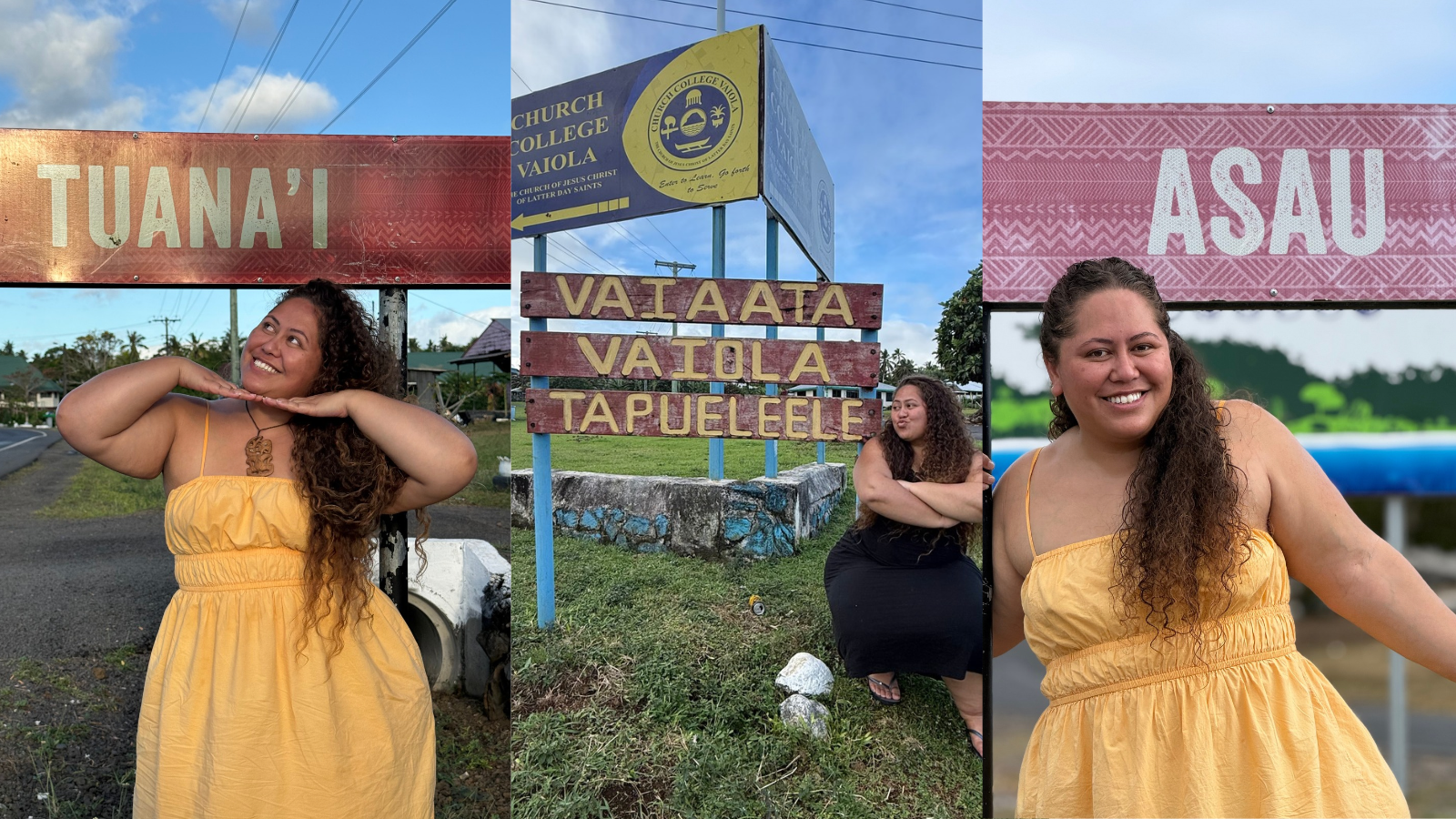
I descend from the villages of Tuana'i in Upolu, Tapueleele and Asau in Savai'i. Photo/Atutahi Potaka-Dewes
So the decision to disconnect from that part of me was made out of necessity. I needed time and space to heal - I guess I didn’t anticipate for decades to go by.
Maybe what I felt in Sāmoa was that my inner child, who had spent so long in survival mode, was finally able to breathe.
Have you ever held your breath underwater for so long that you pushed yourself to the limit? When you finally come up for air, it's painful, relieving, gasping and choking all at once - that’s what it felt like.
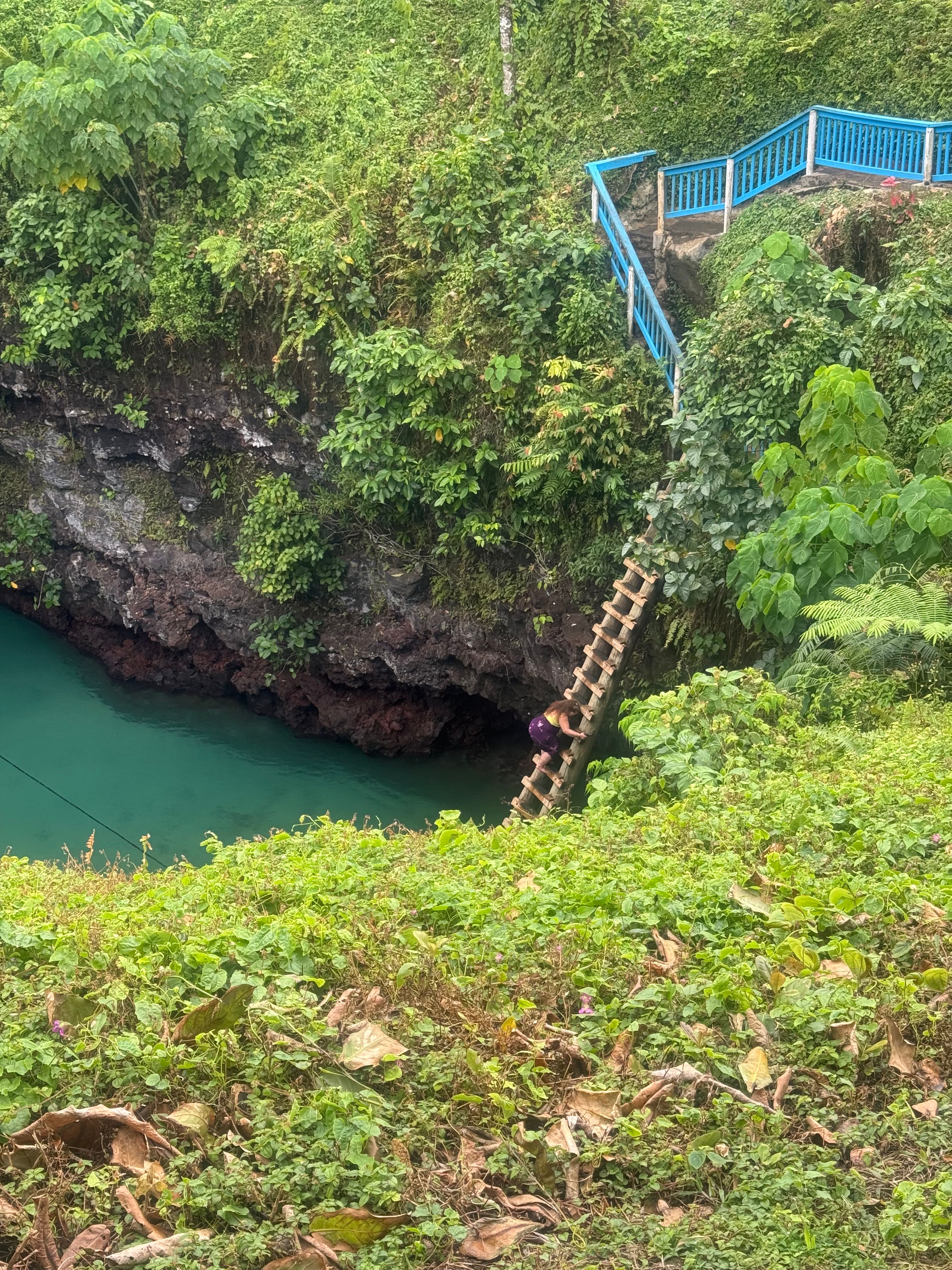
To Sua Trench. Photo/Atutahi Potaka-Dewes
Maybe it was touching Sāmoan land, sand, and sea and feeling like I was an adrift stranger who finally found a place to settle the soul.
I won’t say that I have “returned home” because that feels like an overstatement when I still have so much to learn about myself, my culture, my ancestors, and the part I have to play in its future.
What I will say is that I need to enrol in some Gagana Sāmoa classes.