World Vision warns children will pay for aid cuts beyond the Pacific
Thomas Tarurongo WynneMon, 12 Oct
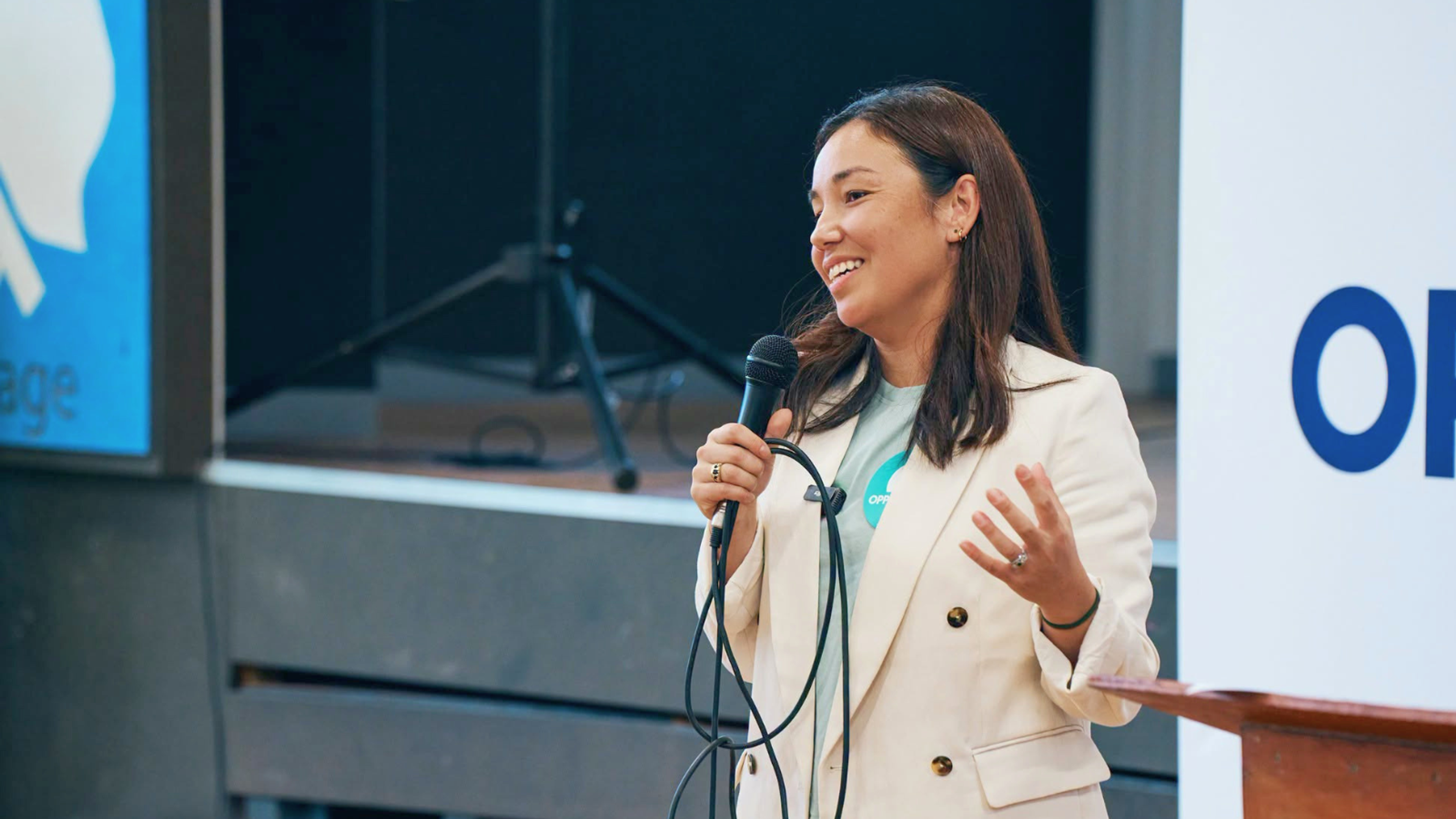
Opportunity Party leader Qiulae Wong, whose party is polling just below the five per cent threshold ahead of November's election.
Photo/The Opportunity Party
Polling suggests the Opportunity Party could clear the five per cent threshold in November, but major parties are yet to embrace it as a potential partner.
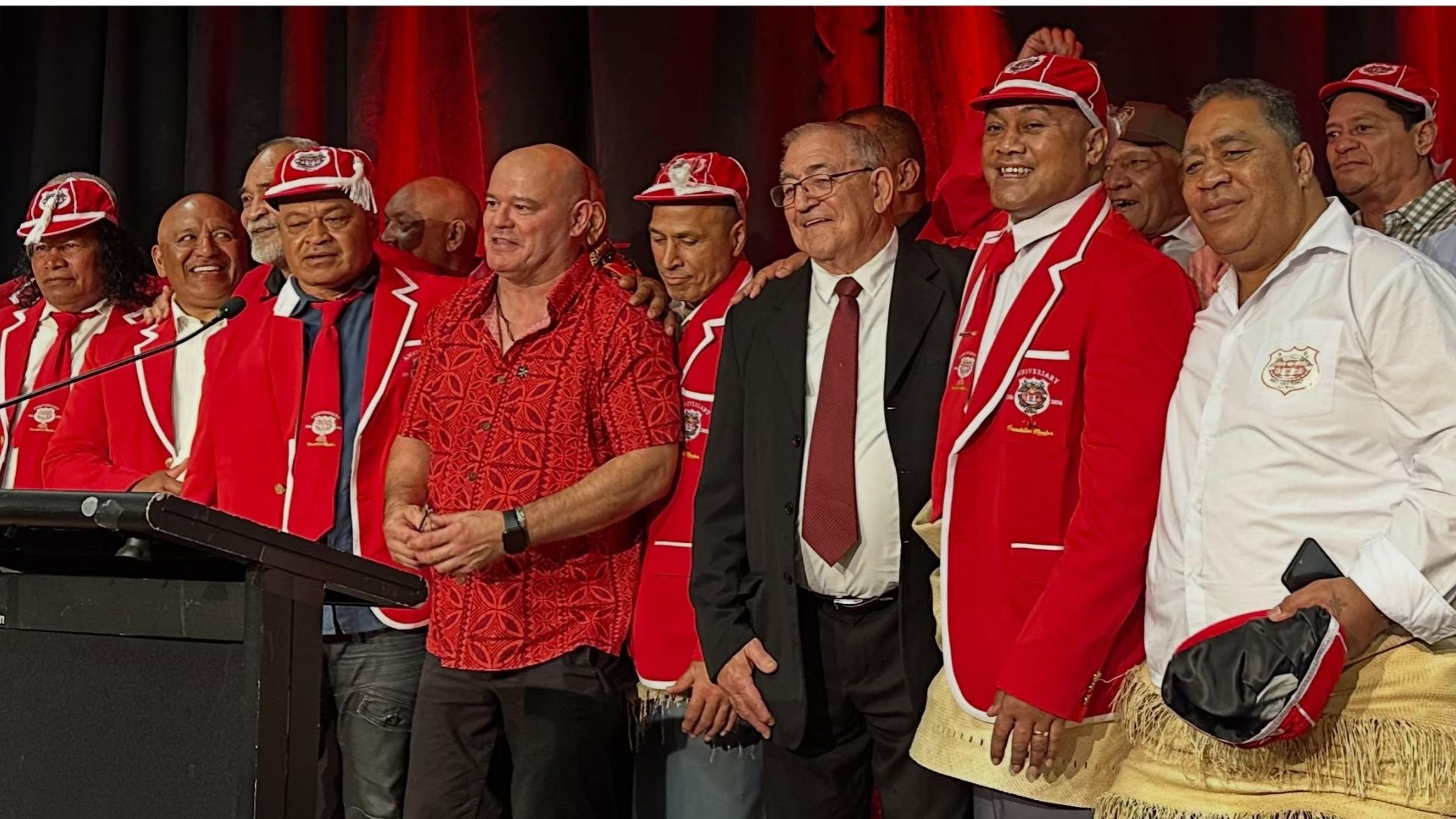

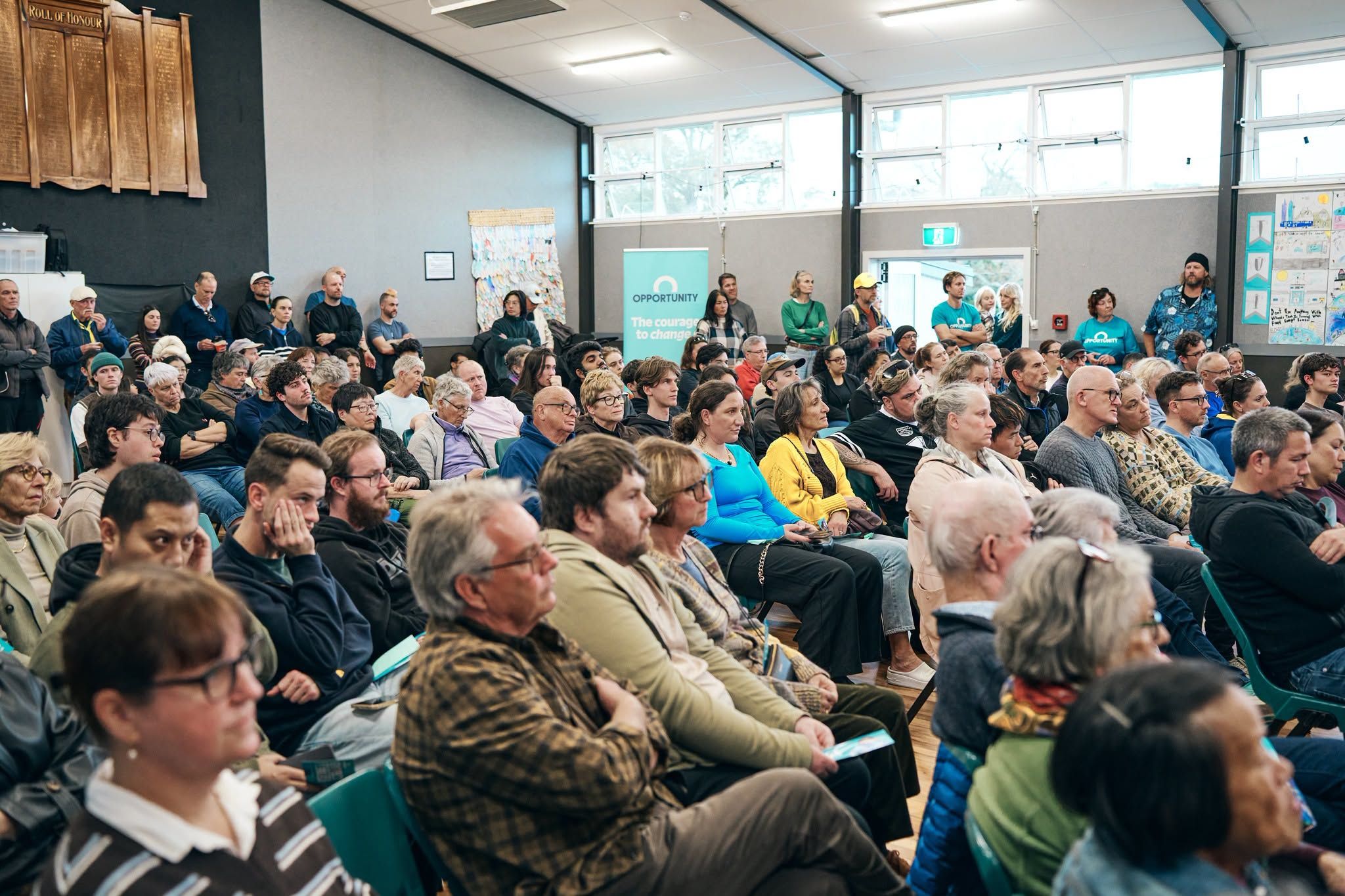
The Opportunity Party is closer than ever to entering Parliament, with recent polling placing it just below the five per cent threshold as it courts Pasifika voters ahead of November's election.
According to the latest One News Verian poll, the Opportunity Party is at 4.6 per cent, just shy of the five per cent threshold a party must clear to win seats without an electorate, and a NZ Herald poll of polls suggests its chances of crossing the line in November are growing.
Speaking to PMN's Pacific Mornings, leader Qiulae Wong said the momentum reflected a wider appetite for change. "We don't need more of this flip-flop.
"We actually need a stable, consistent approach to politics going forward and bringing our big parties together on the big things that really matter to the next couple of decades," she said.
Founded in 2016, the Opportunity Party has contested previous elections without crossing the threshold or winning a seat. Wong said it was now fielding 43 candidates and drawing support across Pasifika, Māori and migrant communities, though she said the major parties had so far kept their distance.
"It's become very tribal, and so there's a lack of trust, I think, on both sides to try and work with new ideas and new parties," she said.
Watch Qiulae Wong's interview on Pacific Mornings below.
Asked why Pasifika voters - long a Labour stronghold, now also courted by New Zealand First - should look to Opportunity, Wong framed the party's message around enterprise rather than relief alone: "running amazing, innovative businesses that look after communities and people and put them at the heart of things."
Pressed for a policy that would resonate with Pasifika, she pointed to Opportunity's Citizens' Voice policy, which proposes randomly selected citizens' assemblies to deliberate on long-term issues, overseen by an independent commissioner.
"It puts the voice of communities at the heart of decision making," she said. "It's a Pasifika or Māori indigenous approach to decision making."
The Opportunity Party's Citizens' Voice policy proposes randomly selected citizens' assemblies to advise Parliament. Photo/Facebook.
The model has been used overseas, most notably in Ireland, though elsewhere governments have welcomed assembly recommendations and then set them aside. The party's policy would require Parliament to respond to recommendations, but not to act on them.
New Zealand First leader Vaovasamanaia Winston Peters, whose party is making its own play for Pasifika support, also appeared on Pacific Mornings.
"You're going to find out that opportunity costs, it should be called the ‘Opportunity Costs Party’," he said.
Watch Vaovasamanaia Winston Peters' interview below.
Vaovasamanaia also criticised Opportunity's tax plan, claiming it would leave retirees worse off: "Every retired person, depending on super, is now going to be broke."
However, Opportunity's Tax Reset policy includes provisions allowing superannuitants to defer any land tax until their property is sold. It also proposes a tax-free Citizen's Income of $19,400 a year for every adult, funded by a 1.75 per cent Land Value Tax on urban land.
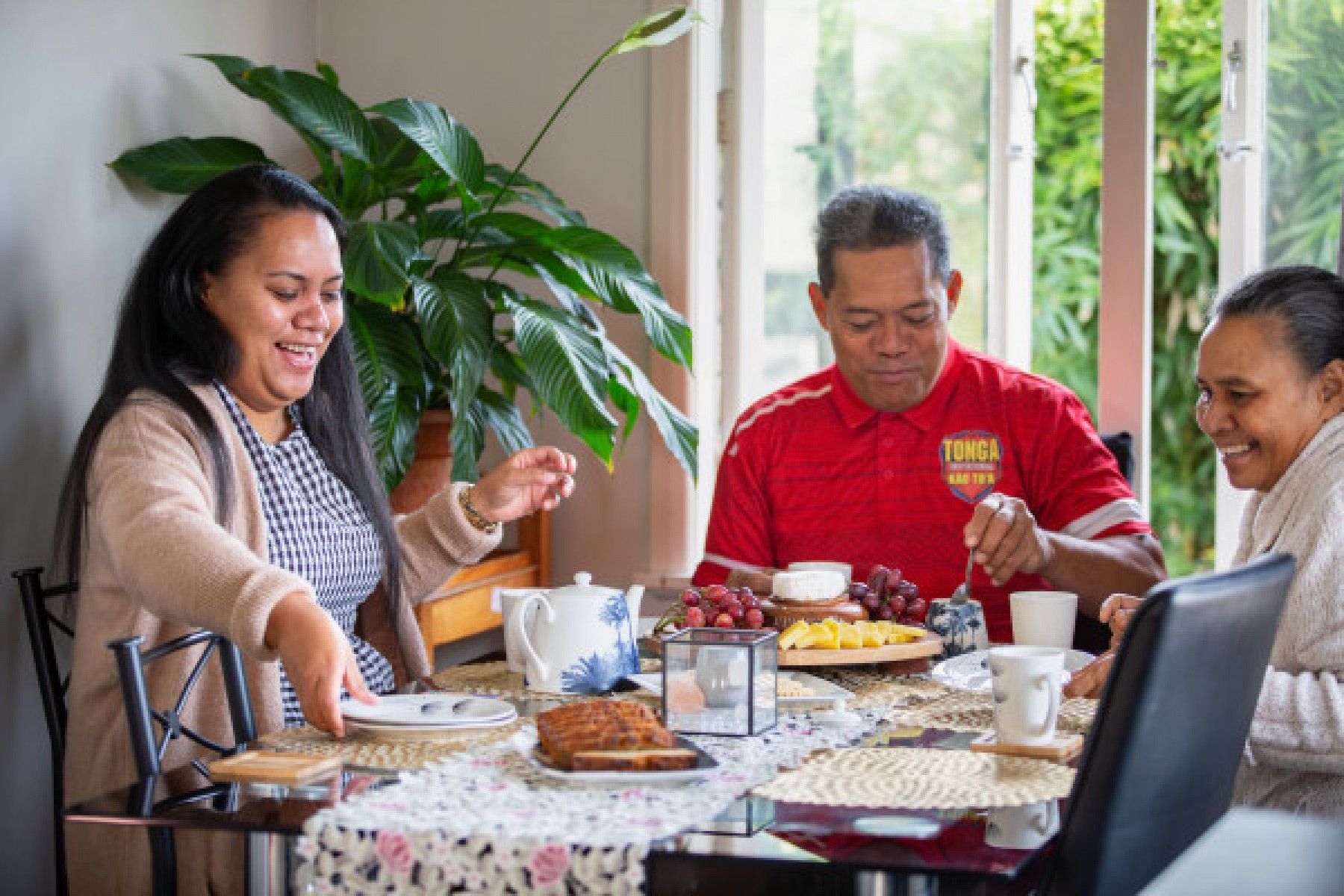
The policy has mixed implications for Pasifika households. The party says its largest gains flow to renters and to working households earning between $20,000 and $120,000, and it would pay tax-free child support to all parents regardless of work status.
The Opportunity Party's Tax Reset proposes a tax-free Citizen's Income of $19,400 a year for every adult, funded by a land tax that NZ First leader Vaovasamanaia Winston Peters claims would leave retirees worse off. Photo/File.
It does not resolve the position of seasonal workers, many of whom are from Sāmoa, Tonga and Vanuatu, who would face the new income tax rates without qualifying for the residents-only Citizens' Income. The party says it would "work with impacted sectors" to address them.
Opportunity has said it would prioritise working with Labour and National, but neither has committed to it.
Responding to the latest poll, National leader Christopher Luxon told local media a vote for the Opportunity Party "looks like a vote for Labour and the Greens", pointing to its land tax and universal basic income. "I haven't given them any thought," he said. "Their policy prescription looks like a Greens and Labour policy."
Labour’s deputy leader Carmel Sepuloni would not say whether Labour should be courting a party near the threshold. "Ultimately, the only poll that matters is what happens on Election Day in November."
Green MP Teanau Tuiono left the door open. "I think it's really important to try to be constructive with all political parties that are in the Parliament.
That leaves Opportunity dismissed by National and New Zealand First, kept at arm's length by Labour, and only the Greens signalling a willingness to engage. November's election will determine whether the party can clear the five per cent threshold, but its longer-term challenge may be proving that its ideas can attract allies as well as votes.