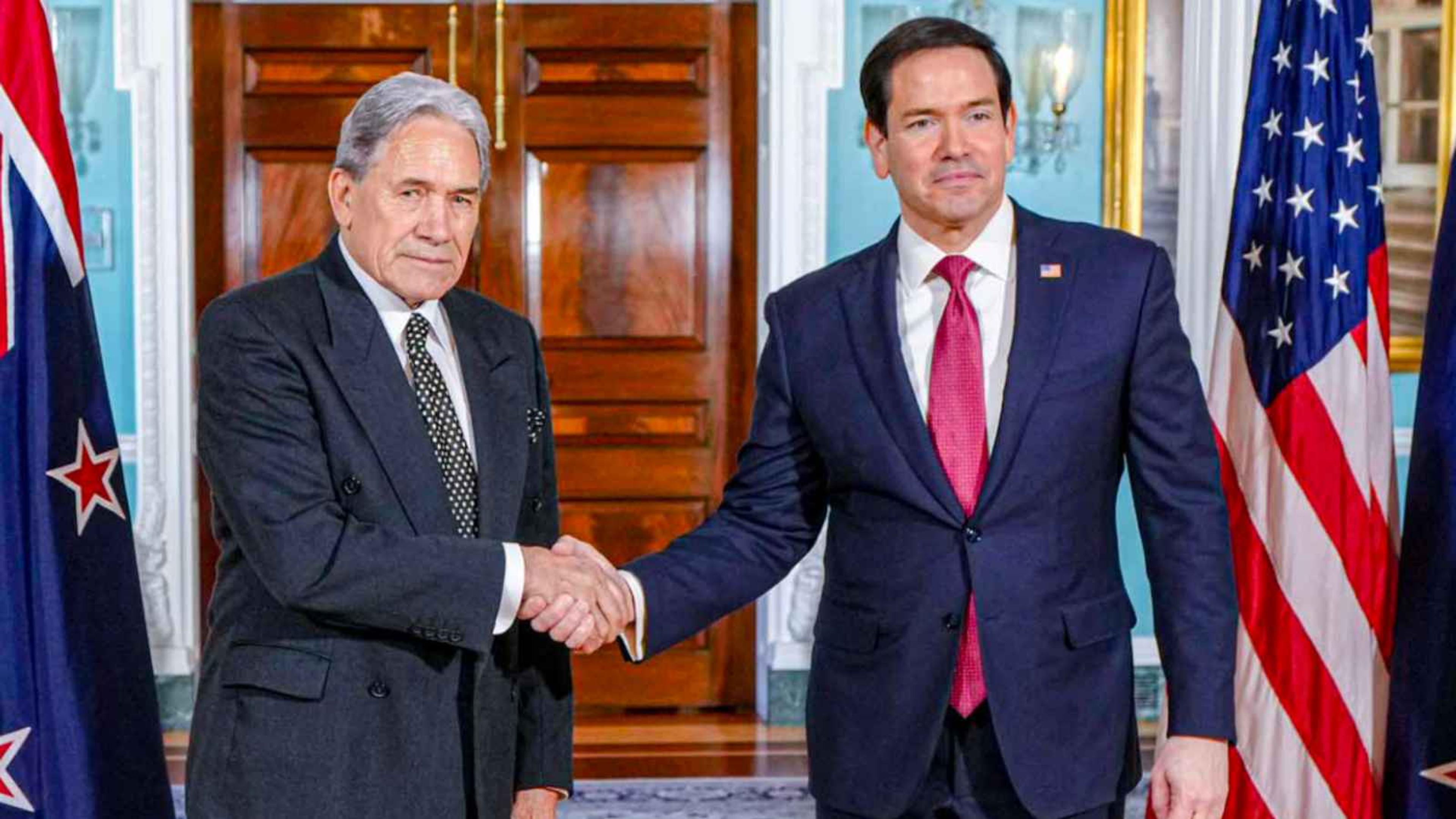
Winston Peters met with US Secretary of State Marco Rubio this month in Washington.
Photo/Supplied
Politics
US weighs potential fuel lifeline for the Pacific as regional crisis deepens, Winston Peters says
The Foreign Minister says Washington has raised the idea of helping supply fuel to vulnerable Pacific nations as concerns grow over reserves, shipping disruption, and instability in the Middle East.

'Alakihihifo Vailala
Published
21 April 2026, 12:41pm
Share
Copy Link
Top stories
World Vision warns children will pay for aid cuts beyond the Pacific
Thomas Tarurongo WynneMon, 12 Oct
Mate Ma’a Tonga’s 40-year legacy lives on through generations
Elton Lonaratha JnrMon, 12 Oct

David Seymour wants tougher welfare rule as Labour targets hidden costs in 2026 election
Thomas Tarurongo WynneFri, 09 Oct
Top stories
World Vision warns children will pay for aid cuts beyond the Pacific
Thomas Tarurongo WynneMon, 12 Oct
Mate Ma’a Tonga’s 40-year legacy lives on through generations
Elton Lonaratha JnrMon, 12 Oct
David Seymour wants tougher welfare rule as Labour targets hidden costs in 2026 election
Thomas Tarurongo WynneFri, 09 Oct
The United States has raised the possibility of helping secure fuel supply lines for Pacific nations as pressure builds across the region over energy security.
Foreign Affairs Minister Vaovasamanaia Winston Peters says the idea was discussed during recent meetings in Washington with senior US officials where he highlighted how exposed Pacific nations are to fuel disruptions.
In an interview with William Terite on Pacific Mornings, Peters said the talks stemmed directly from concerns about supply stability.
“That’s why we had the discussion with them in the United States in the first place,” Peters says. “That’s when they volunteered that maybe we could provide some supply lines ourselves out of the United States, which was very encouraging.
“But again, words are words and promises to be kept are something we've got to make sure that happens in the future and that’s what we’re working on.”
Peters did not specify what form that support could take. It could include emergency shipments, commercial supply agreements, logistics support, financing or fuel reserves positioned closer to the Pacific.
Watch Vaovasamanaia Winston Peters' full interview below.
No formal US programme, funding commitment or timeline has been announced.
His comments come as several Pacific leaders move to activate the Pacific Islands Forum’s (PIF) Biketawa framework, a regional system used to respond to major crises.
The shift follows growing concern over fuel security with instability in the Middle East and global shipping pressures adding strain to already stretched supply chains.
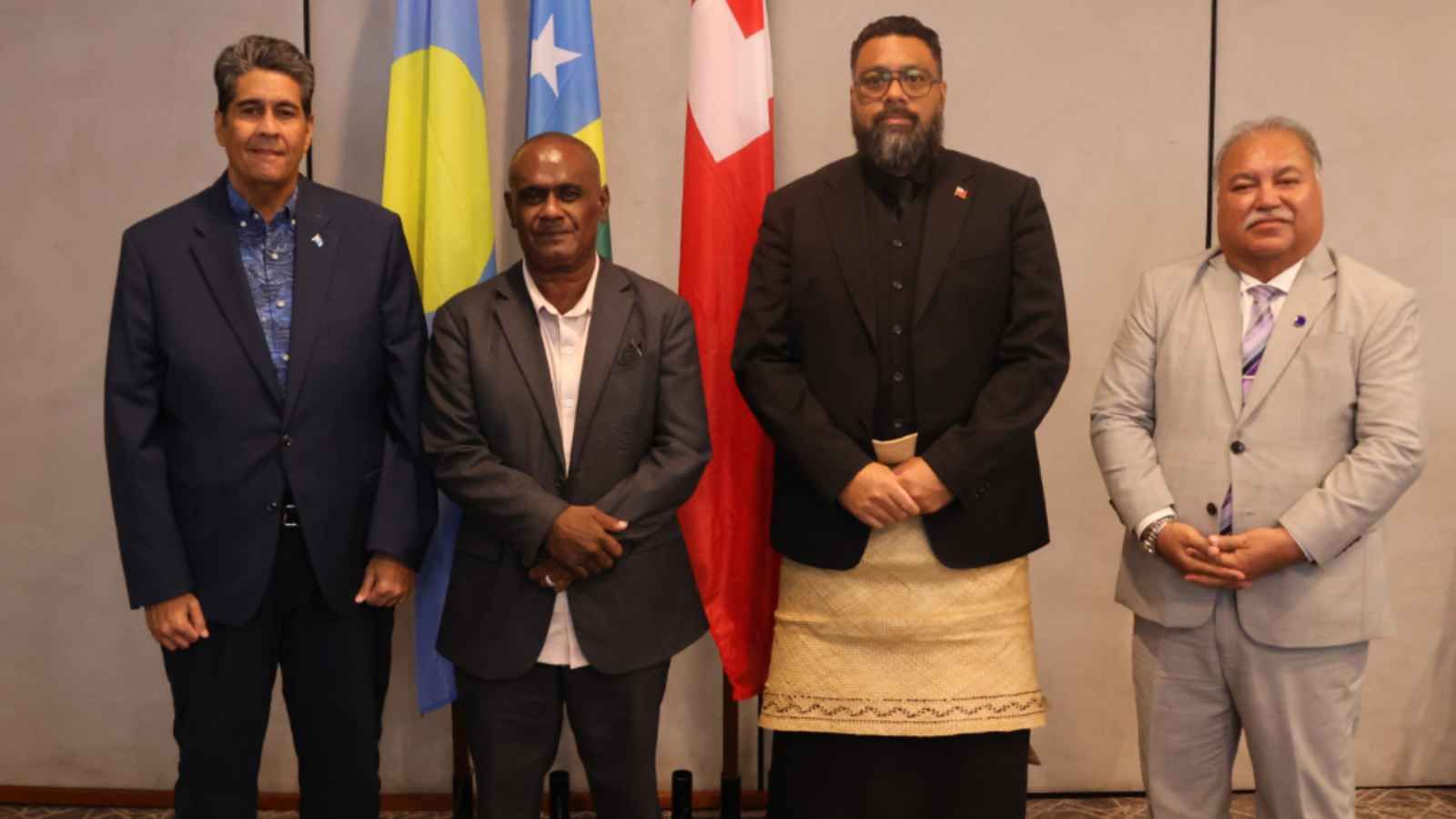
Forum Troika Leaders met in-person in Nadi to discuss key regional priorities. Photo/Supplied/PIF
Media reports say Tuvalu and the Marshall Islands have declared energy emergencies while Solomon Islands, Fiji, Nauru, Vanuatu, the Cook Islands, and the Federated States of Micronesia are all putting in place national measures to manage fuel use and supplies.
Those measures include conservation plans and tighter coordination of remaining stocks, although many governments have not publicly confirmed how much fuel they have left or how long it will last.
Tonga’s Prime Minister, Lord Fakafanua, says the kingdom remains in a green light phase but could move to yellow in the coming weeks.
Tonga Power has also warned that heavy reliance on diesel is putting pressure on electricity generation.
The wider crisis is being linked tp a key global shipping route through the Strait of Hormuz where a large share of the world’s oil passes.
But analysts say the pressure is also felt much further down the chain. They point to limited tanker availability, rising freight and insurance costs, refinery limits, and delays reaching smaller island markets that are often serviced after larger economies.
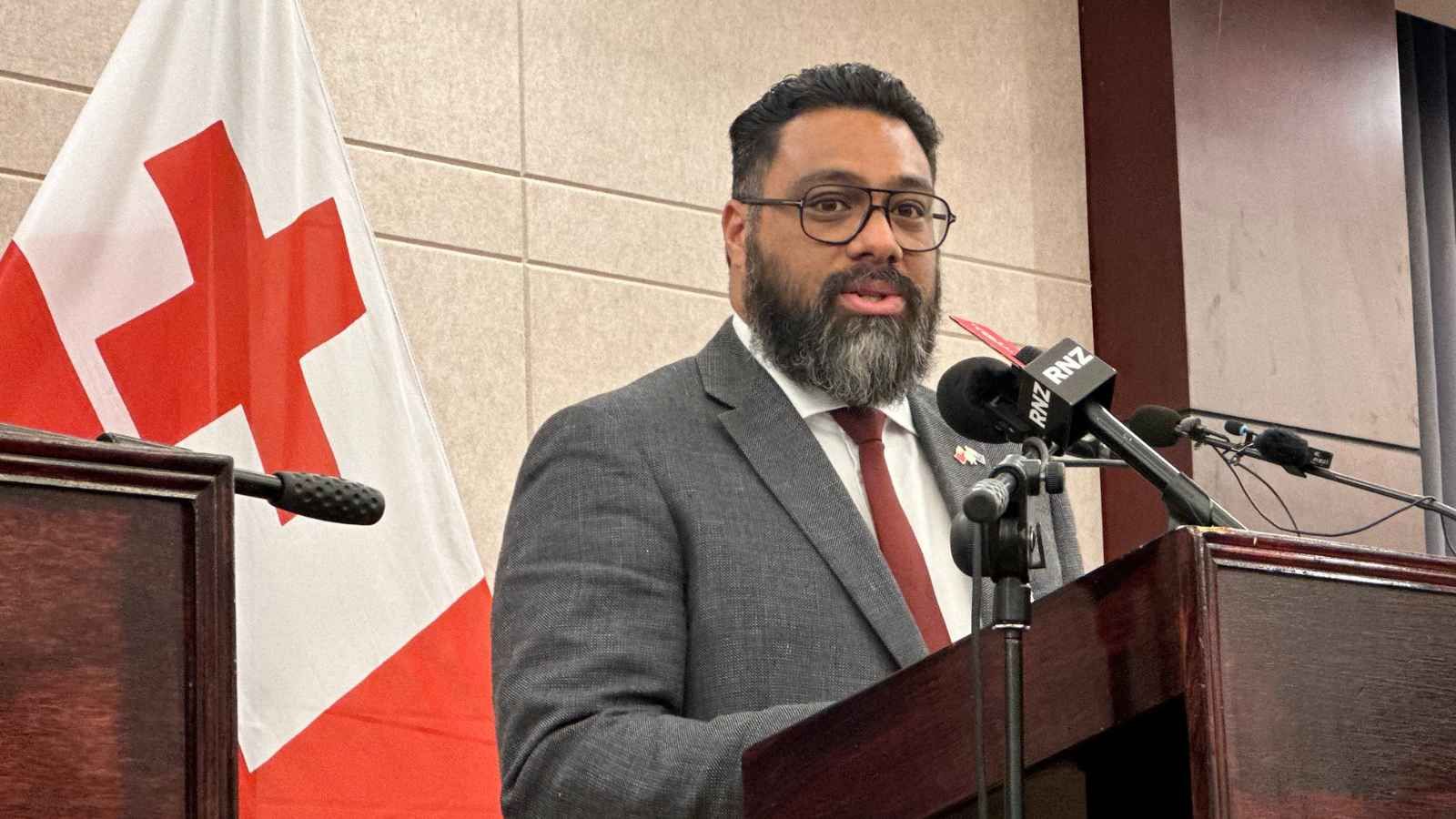
Tonga’s Prime Minister, Lord Fakafanua has confirmed the country remains under a “green light” fuel status, meaning there are no immediate shortages or restrictions on use. Photo/PMN News/Ala Vailala
Many Pacific nations do not produce oil and ewly on imported diesel, petrol, and jet fuel, mainly shipped in from Asia.
Many also have limited storage, meaning even short delays in deliveries can quickly lead to shortages or rationing.
Peters said Pacific nations north of New Zealand were among the most exposed.
“We think, New Zealand way out here in the southwest Pacific is at the end of the pipeline, no, we're not,” Peters says.
“There are countries beyond us and the Pacific going north from us who are seriously at the end of the pipeline, and looking at their needs is something that we're going to have to assess.”
He said the issue had been raised with US Secretary of State Marco Rubio and Deputy Secretary Christopher Landau, alongside wider security concerns.
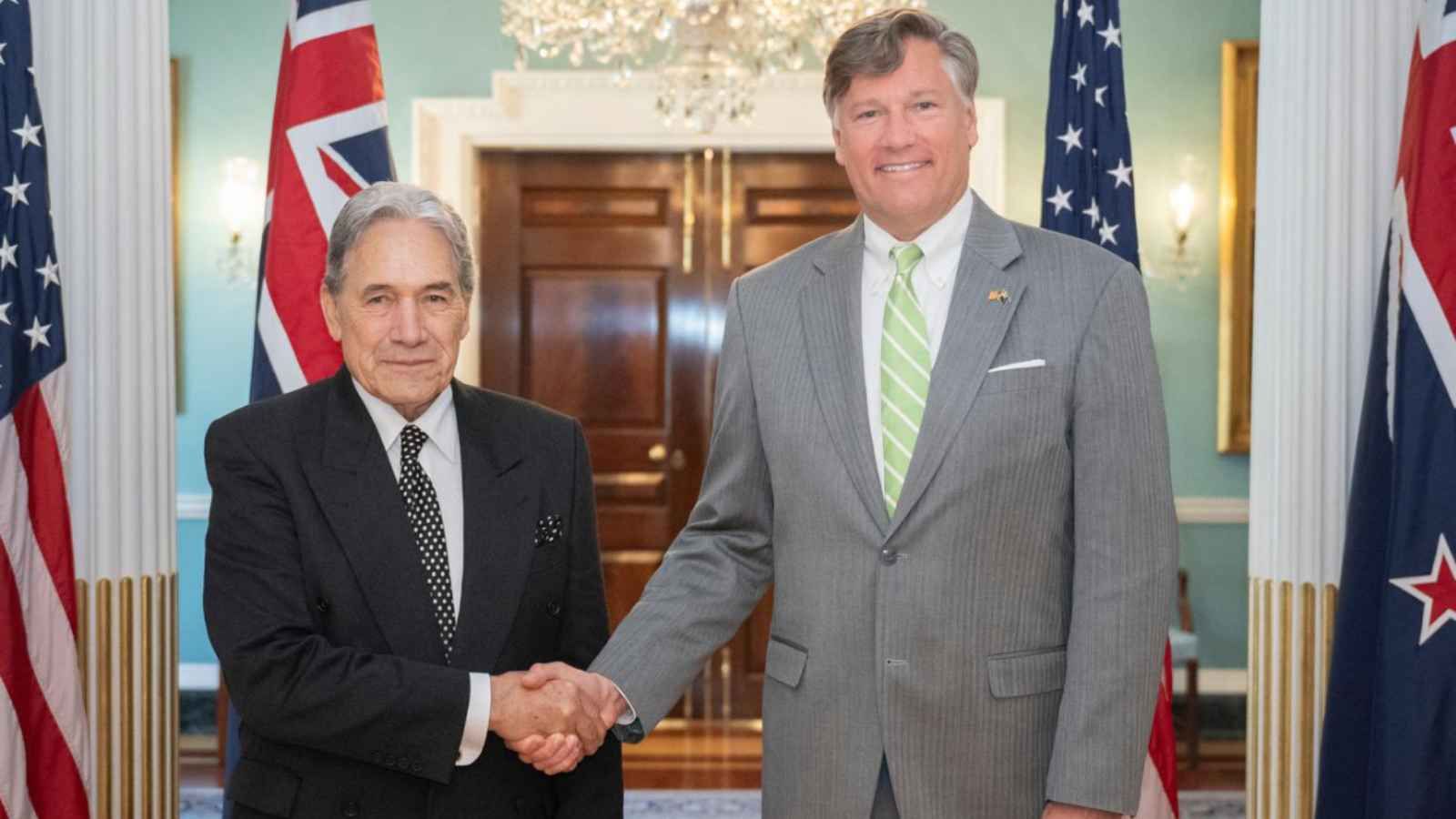
Winston Peters and United States Deputy Secretary of State Christopher Landau. Photo/Supplied
Peters also said New Zealand was continuing to look at how it could support Pacific partners if conditions worsen.
Energy experts say emergency fuel shipments may help in the short-term but warn the longer-term solution is to reduce dependence on imported diesel through solar power, battery storage, and stronger local grids.