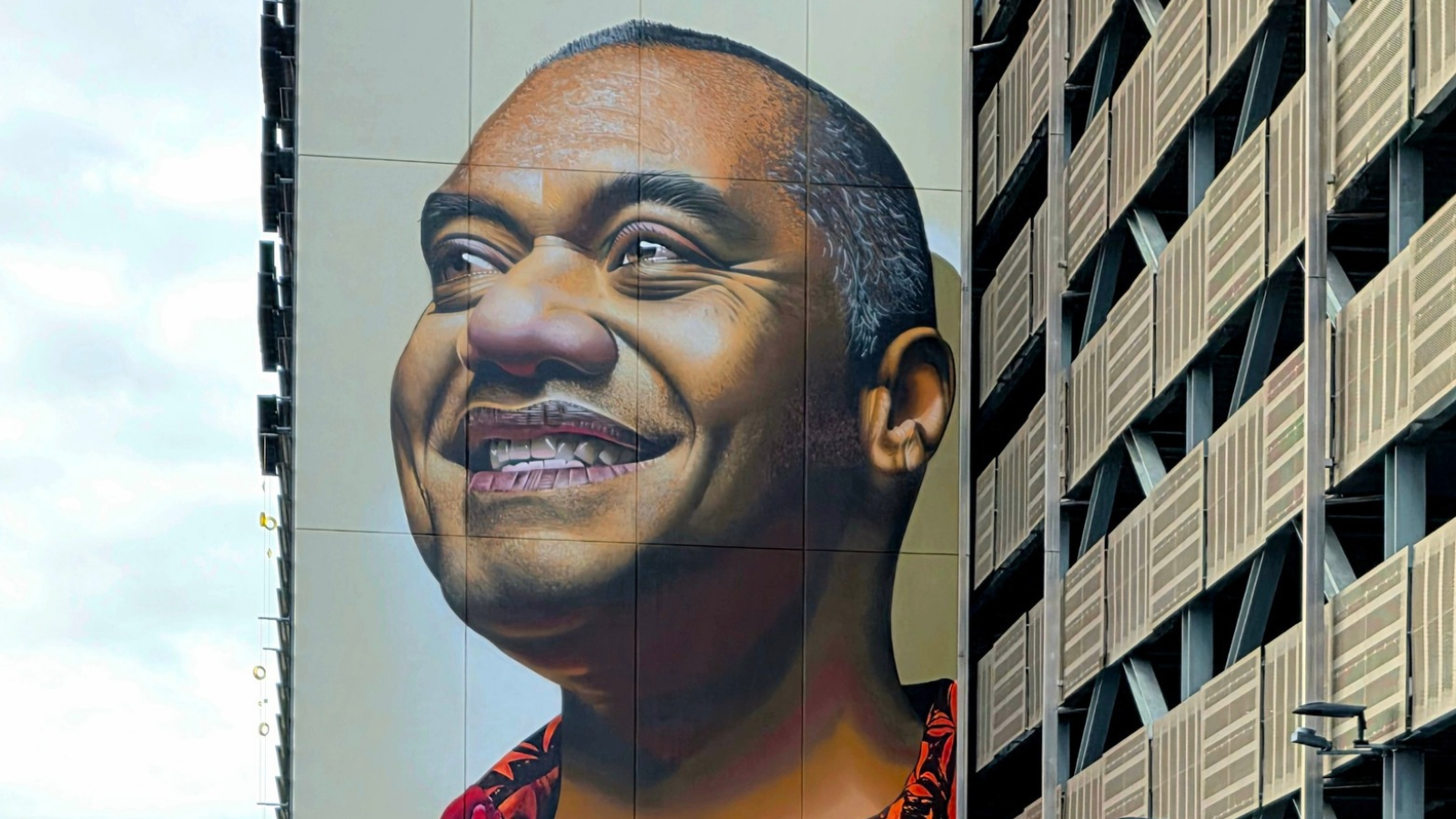

Fania Kapao (left) and Andre Fa’aoso.
Photo/LinkedIn/File/PMN Composite
Politics
‘They don’t see themselves’: Pacific youth warn politicians ahead of election
A new PMN Horizon Research survey shows many young Pasifika say political parties must build stronger connections beyond election campaigns.

Aui'a Vaimaila Leatinu'u
Published
14 July 2026, 2:20pm
Share
Copy Link
Top stories
PNG Chiefs win first round against New Zealand Rugby
Christine RovoiSat, 17 Oct
Pacific families must work four days to afford basic food: World Vision
Thomas Tarurongo WynneFri, 16 Oct

Sāmoa demolish France in record-breaking 78-4 RL World Cup opener
Christine RovoiFri, 16 Oct
Top stories
PNG Chiefs win first round against New Zealand Rugby
Christine RovoiSat, 17 Oct
Pacific families must work four days to afford basic food: World Vision
Thomas Tarurongo WynneFri, 16 Oct
Sāmoa demolish France in record-breaking 78-4 RL World Cup opener
Christine RovoiFri, 16 Oct
Many young Pacific voters are on the electoral roll but they are questioning whether politics is listening to them.
As the 2026 general election approaches, youth commentators say political parties face a major challenge: rebuilding trust with a generation that feels left out of the conversation.
Young Pacific voters are sending a warning to political parties ahead of this year’s general election: earn their trust, or risk losing their support.
The PMN Horizon Research Pacific Issues Election Survey shows only one in three Pacific young people aged 18 to 24 are certain they will vote in the 2026 election.
This is despite nearly 60 per cent being registered on the electoral roll.
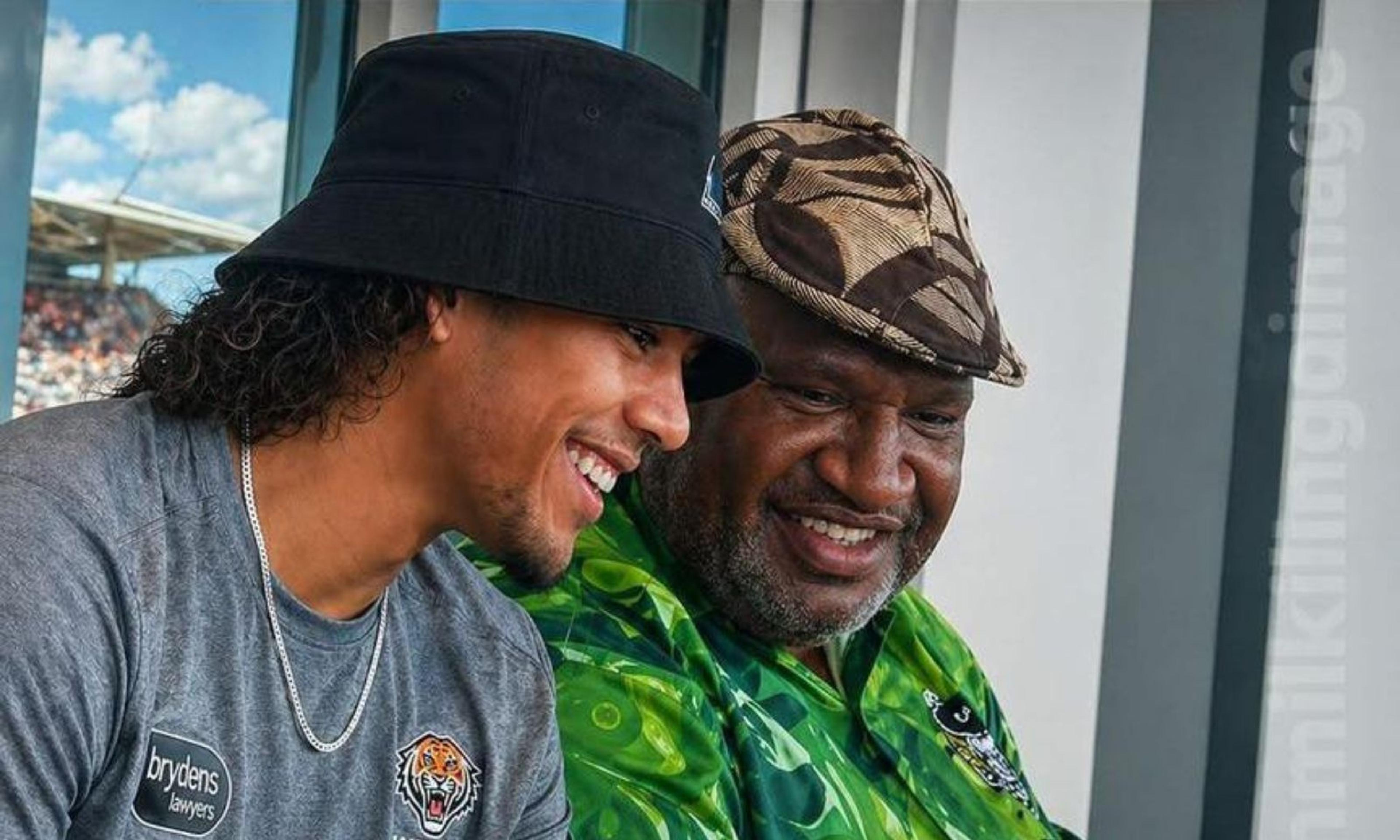
Speaking with William Terite on Pacific Mornings, Andre Fa’aoso, says politicians need to do more to understand the concerns of young Pacific voters.

Andre Fa'aoso. Photo/File
“It's pretty indicative of the sentiments of young people across the country, particularly our Pasifika young people.
“We have a political establishment which needs to work a lot harder to cater to the concerns and the perspectives of young Pasifika.
“They feel like their views are not being delivered by the front political parties at the moment.”

The PMN Horizon Research Pacific Issues Election Survey engaged 293 Pasifika respondents. Photo/Unsplash
The survey, which gathered responses from 292 Pacific people, found cost of living remains the biggest issue influencing how people will vote with 90 per cent saying it will be a major factor.
The survey also found 52 per cent of respondents believe New Zealand is heading in the wrong direction, while only 13 per cent believe the country is moving in the right direction.
Trust in some political parties is also low with 72 per cent saying the National Party does not understand Pacific communities well, while 74 per cent said the same about ACT New Zealand.
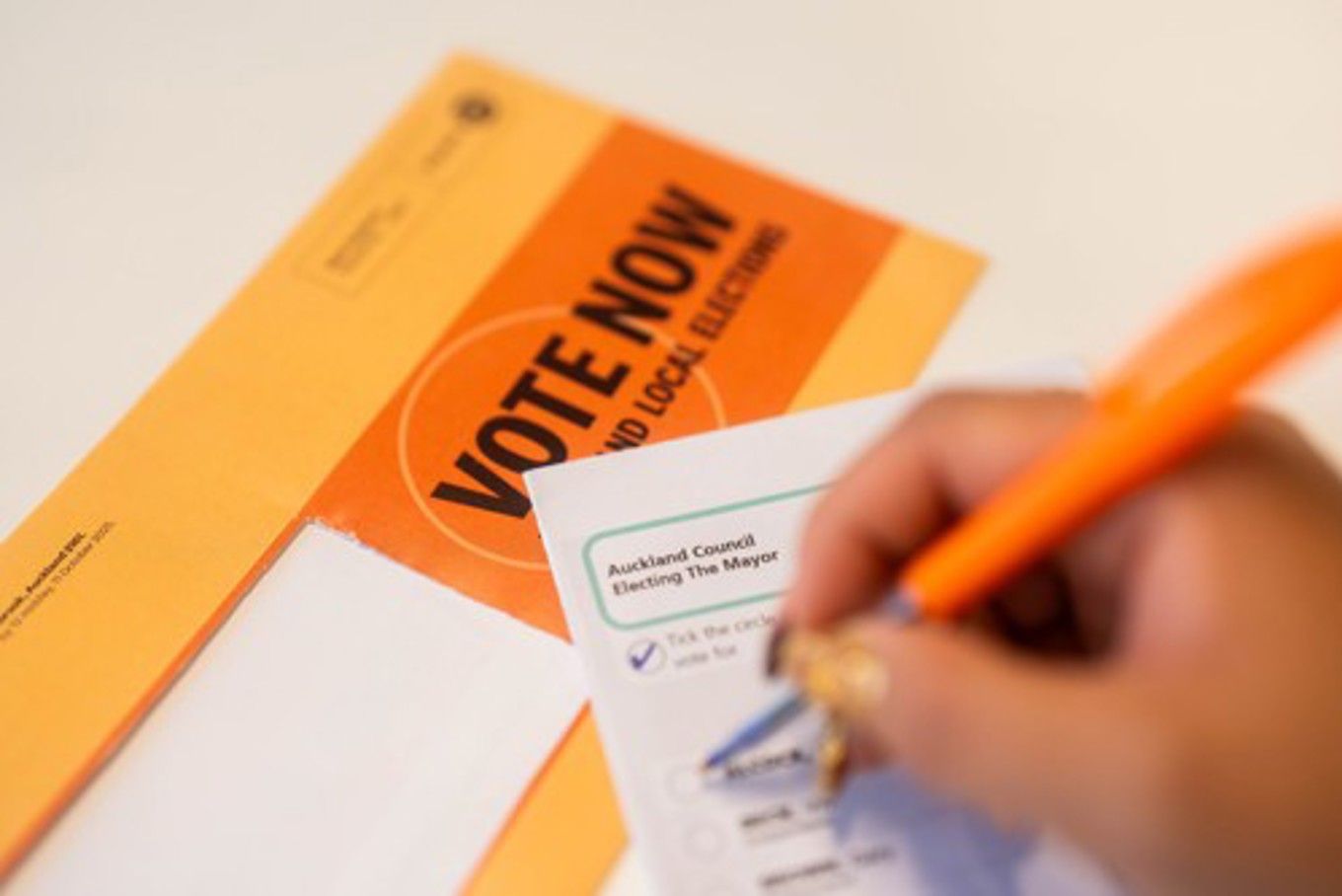
The PMN Horizon Research Pacific Issues Election Survey found that while nearly 60 per cent of participants aged 18 to 24 are registered on the electoral roll, only one in three are certain they will vote. Photo/Auckland Council
Fania Kapao told Terite young people are looking for more than election promises. They want meaningful connection.
“They don't see themselves in the policies that parties bring forward, and they don't see members connecting with them in ways which make sense to them,” Kapao says.
“There's so much that can be said about the use of, say, written media and newspapers and the effort that goes into that.
“But there's not much that goes into connecting face-to-face with our young people and where they are in our communities.”
Watch Andre Fa’aoso and Fania Kapao’s full interview below.
The online Horizon Research survey of 293 Pacific respondents was conducted between 23 June and 7 July. It has a margin of error of plus or minus 5.7 percentage points.
Kapao says Pacific families are under pressure as the cost of living continues to rise with young people trying to balance their own futures while supporting their families.
She says voters want politicians to understand their everyday realities and not only appear during election campaigns.
“But to also ensure…that they take into consideration their actual needs and what they're actually asking for, not just soundbites.”

Up to 90 per cent of participants say that the cost of living was their main concern in this year’s election. Photo/FIle
The survey also highlights the changing way Pacific communities consume political information.
Sixty per cent of all respondents say social media is their main source of political news.
Fa'aoso says political parties need to improve how they engage with young people online and invest in how the political system works.
He says stronger civics education in schools could help young people feel more confident taking part in democracy.
The 2026 general election will be held on Saturday, 7 November, with advance voting opening on Monday, 26 October. For more information, visit the Electoral Commission’s website.