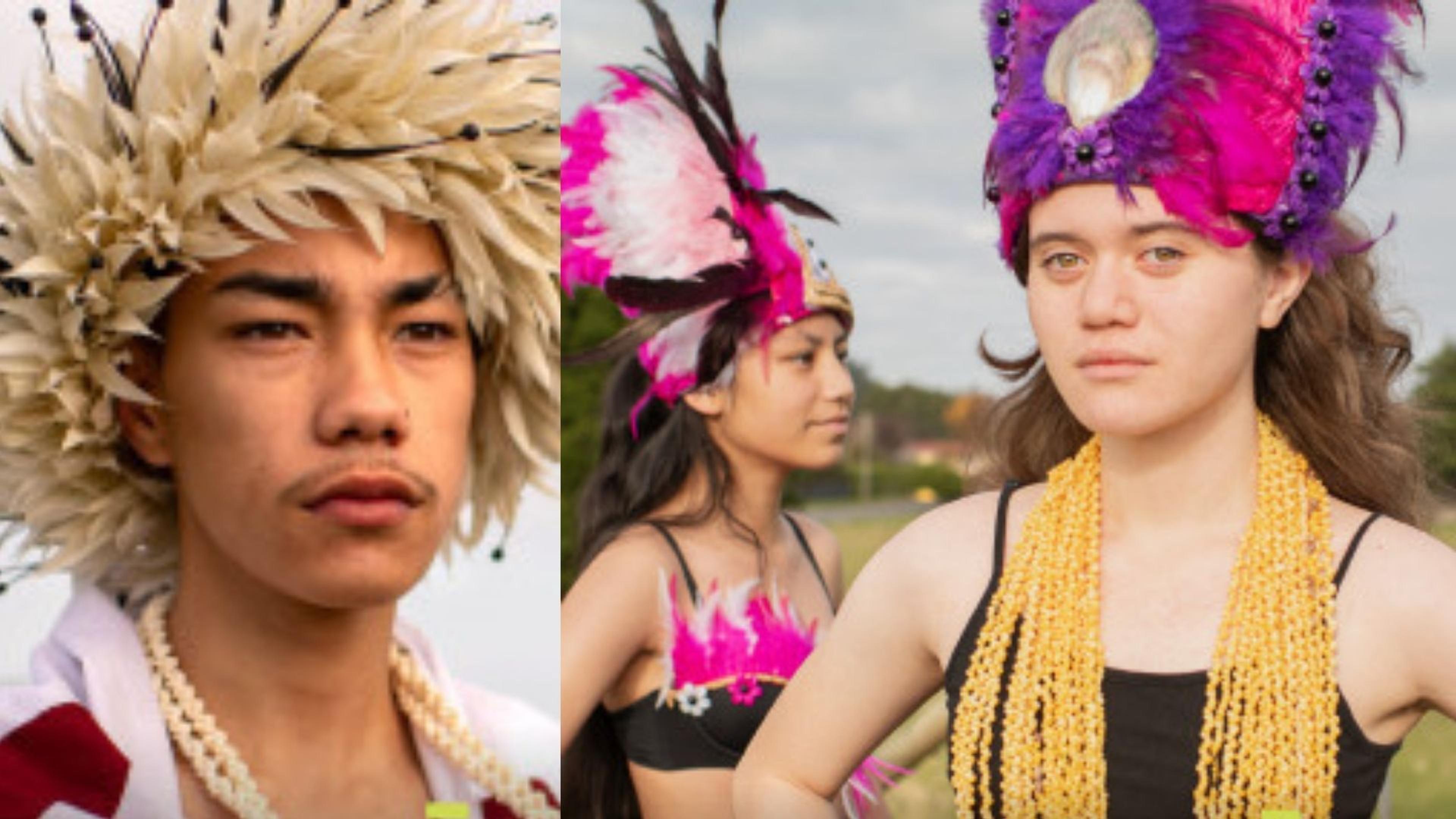
Cook Islanders celebrate Te Reo Māori Kūki ‘Āirani Language Week, a time to honour the language, strengthen cultural identity and encourage more families to use te reo every day.
Photo/Ministry for Pacific Peoples
Language & Culture
‘Don’t be shy’: New generation leads push to bring te reo Māori Kūki ‘Āirani back home
Only a small percentage of NZ-born Cook Islanders speak the language as experts say the future of te reo depends on making language learning accessible, fun and part of everyday family life.

PMN News
Published
07 August 2026, 2:45pm
Share
Copy Link
Top stories
MOTHER VAKA carries 'unapologetic' Pacific stories onto WOW stage
Atutahi Potaka-DewesThu, 24 Sep
Pacific seabed mining divide laid bare at UN
Christine RovoiFri, 25 Sep
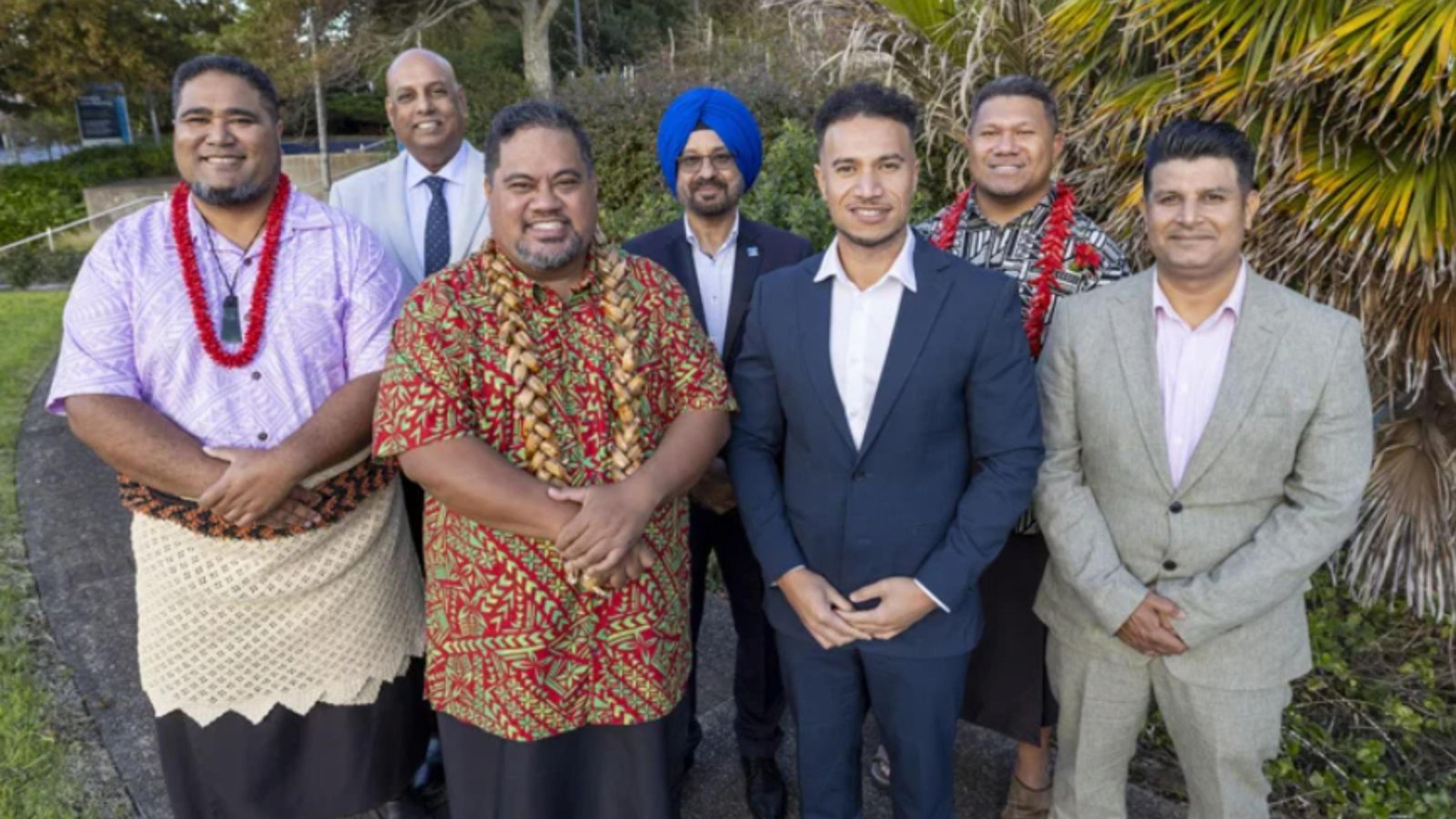
'It’s not about dividing people': Local board defends rainbow and te reo commitments
Taelegalolo'u Mary AfemataThu, 24 Sep
Top stories
MOTHER VAKA carries 'unapologetic' Pacific stories onto WOW stage
Atutahi Potaka-DewesThu, 24 Sep
Pacific seabed mining divide laid bare at UN
Christine RovoiFri, 25 Sep
'It’s not about dividing people': Local board defends rainbow and te reo commitments
Taelegalolo'u Mary AfemataThu, 24 Sep
‘Epetoma o te reo Māori Kūki 'Airani - Cook Islands Māori Language Week is drawing attention to a growing movement to reconnect families with te reo Māori Kūki ‘Āirani.
The move comes as community leaders warn the language needs urgent support to survive for future generations.
Dr Ake Nicholas, a senior lecturer in Māori Studies at the University of Auckland Waipapa Taumata Rau, says language loss has reached a critical point.
She says only around three per cent of New Zealand-born Cook Islanders have any knowledge of their heritage language.
Nicholas, one of a small number of Indigenous linguists researching her own heritage language community, says the decline is linked to generations of social and historical pressures that shifted families towards English.
But she says people should not feel shame if they did not grow up speaking their language.
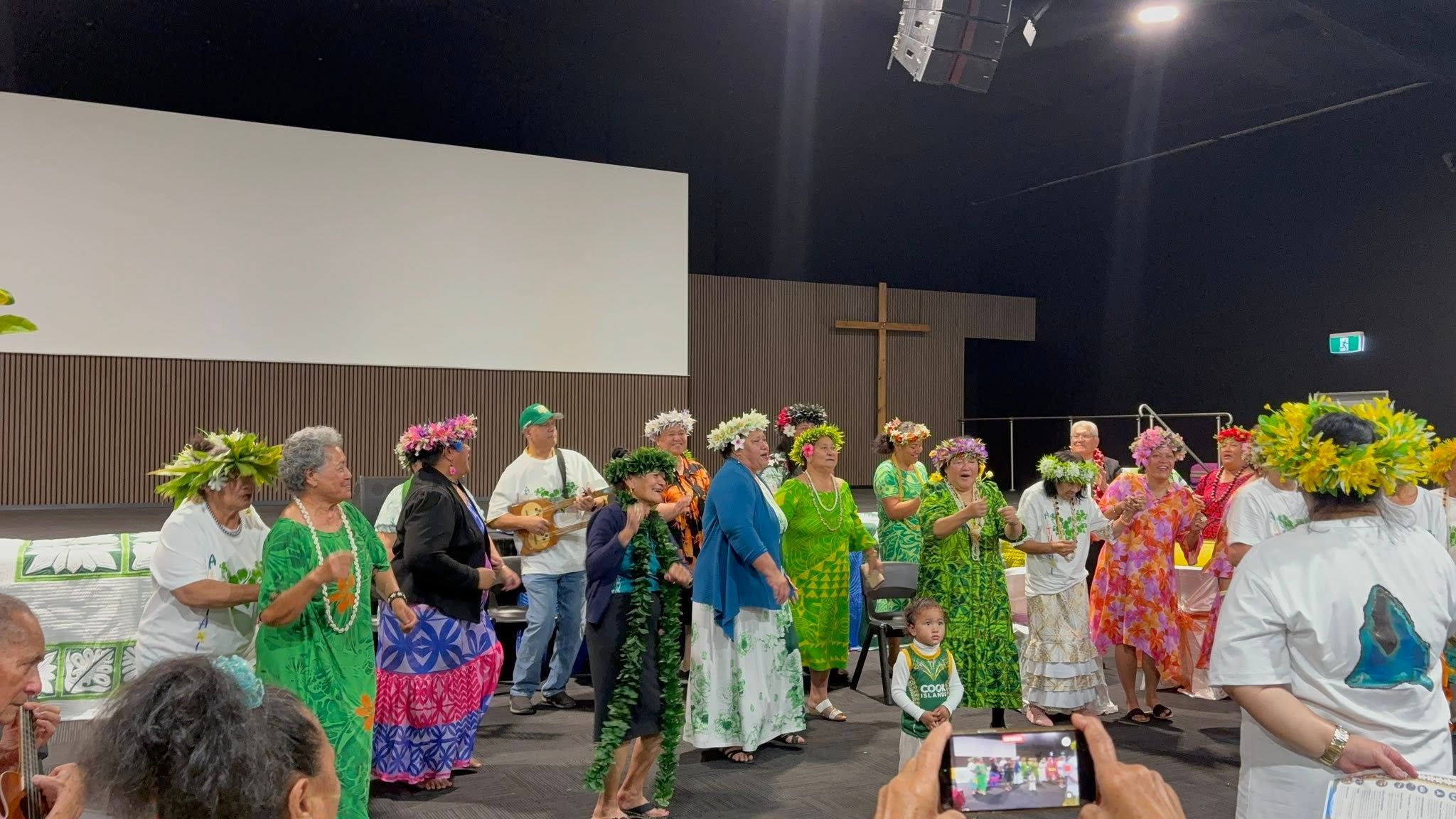
Cook Islands Māori Language Week encourages people of all ages to learn, speak and celebrate te reo Māori Kūki ‘Āirani, helping keep the language alive for future generations. Photo/Facebook/Maggie Andrew
“You didn't decide what languages were going to be used around you when you were a newborn baby under two years old or under five years old,” she told Khalia Strong on Pacific Mornings.
“You have no control over that at all. So your status now as an older person who is a language learner isn't because of anything that you did.”
Nicholas says the responsibility now sits with communities, governments and institutions to create more opportunities for people to learn and use the language.
Watch Dr Ake Nicholas' full interview below.
“We as a people and the systems need to start doing some stuff to make it easier for our kids to have a chance to learn our language and practice our culture and that kind of thing,” she said.
She says language is not only about identity and culture, but also wellbeing, education and health outcomes.
“It includes obviously mental well-being and sense of self and identity is better,” Nicholas said.
“But some surprising things also happen, like you're more likely to do better at school and do better at reading and writing in English, if you know your heritage language.”
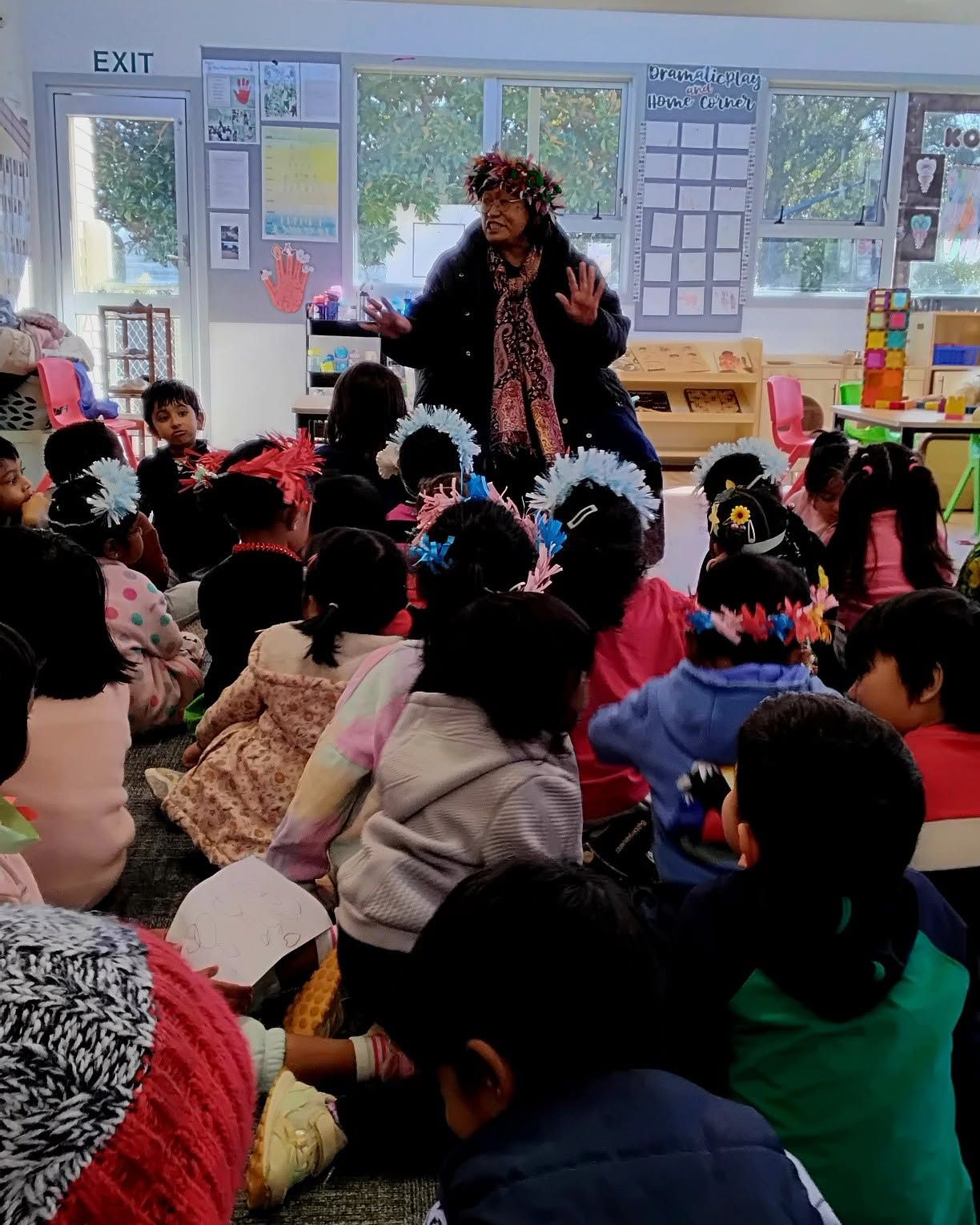
Young children take part in a classroom lesson, highlighting the importance of introducing te reo Māori Kūki ‘Āirani from an early age to help keep the language alive for future generations. Photo/Busy Bees Mount Wellington
While Nicholas is calling for greater investment in language education, a new grassroots initiative is showing what communities can do themselves.
Te Tamariki Kanga is a new children’s language programme designed to introduce young Cook Islands children to the basics of te reo Māori Kūki ‘Āirani through songs, play and culture.
Created by Junior Charlie and Dallas Wichman, the programme is aimed at tamariki from infancy through to five years old and uses songs, play and culture to introduce young children to te reo Māori Kūki ‘Āirani.
Both men recently were guests on PMN Cook Islands three weeks ago to feature their project, which was launched this week.
Watch Junior Charlie and Dallas Wichman's full interview on PMN Cook Islands below.
Wichman says the goal was to create something families could learn from together.
“We wanted to bring it back to real life people, and, you know, there was so much learning put into those programs back in the old school, and we wanted to bring it back that way,” he said.
The five-episode series teaches words and phrases around themes including body parts, animals, music and dance, food and play.
Each episode focuses on key words and sentence patterns, while also including Cook Islands culture through children’s performances, songs and activities.
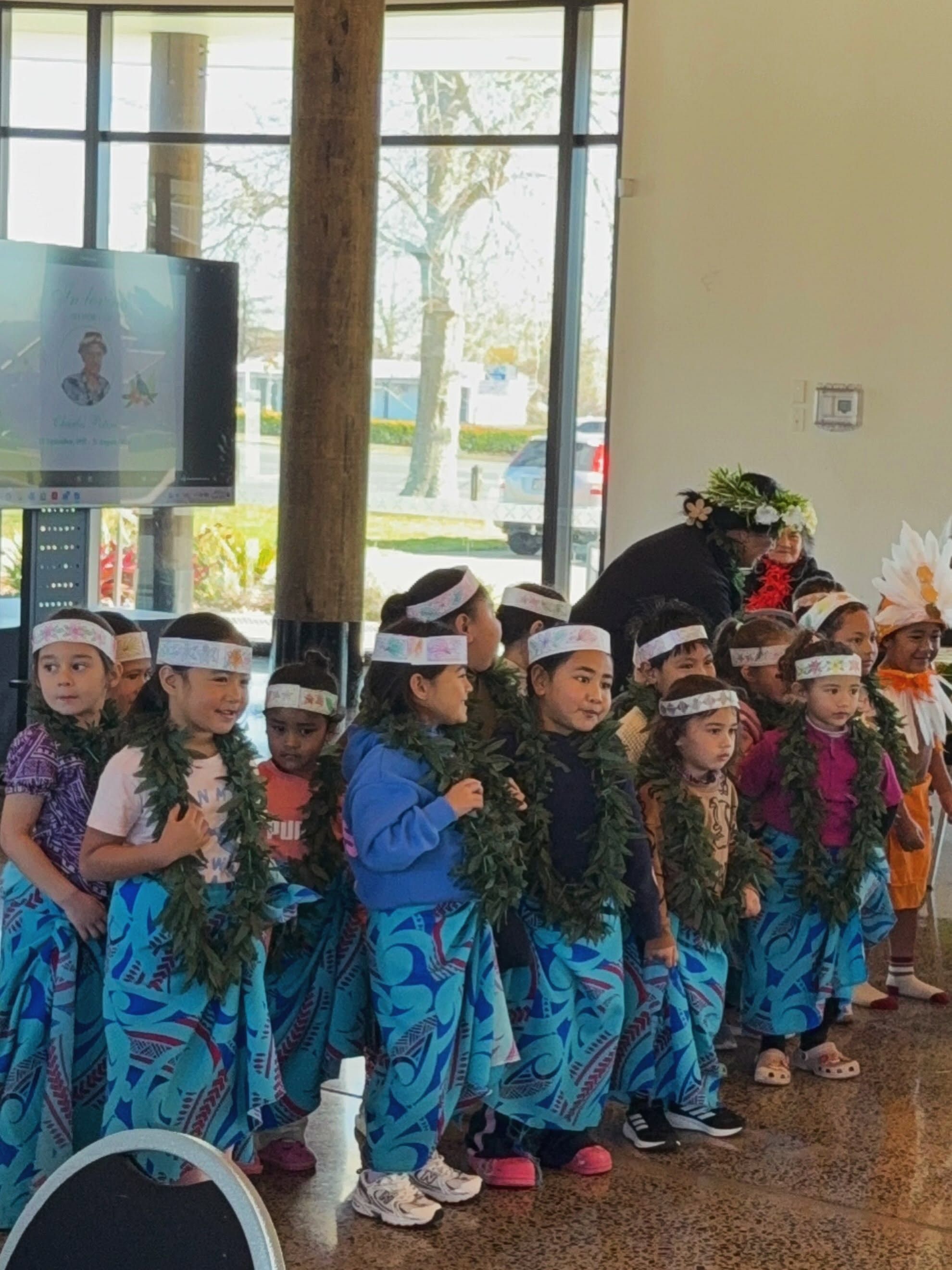
Young children take part in a learning activity during Cook Islands Māori Language Week, as efforts continue to encourage the next generation to embrace te reo Māori Kūki ‘Āirani and their cultural heritage. Photo/Facebook/Káute Pasifika Early Learning Centre
Charlie says the programme is about encouraging people to reconnect with their reo without fear.
“Honestly, like don't be shy. Don't be shy. Don't worry about what other people are going to think,” he said. “Learn your language, learn your culture. Be proud of it because if you don't learn it, you know, your kids will miss out.”
The focus on language and culture comes as Cook Islanders also marked Constitution Day, celebrated every year on 4 August. The day commemorates the Cook Islands becoming self-governing in free association with New Zealand in 1965.
Constitution Day is also the culmination of Te Maeva Nui, the country’s major cultural festival (from 25 July to 4 August) where communities celebrate their identity through traditional song, dance, drumming, food and language.
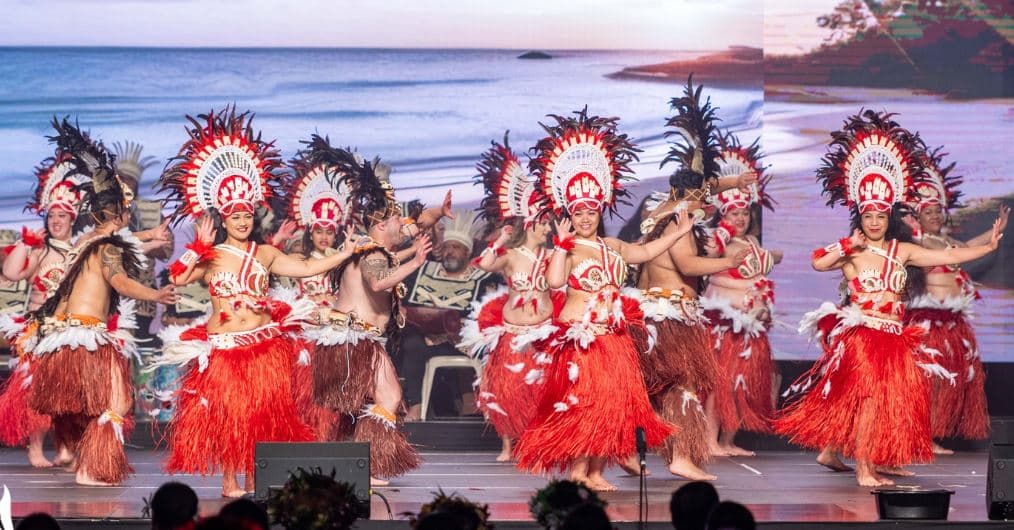
Performers take part in Te Maeva Nui celebrations, held around Constitution Day on 4 August, marking the Cook Islands becoming self-governing in free association with New Zealand in 1965. The annual festival showcases the nation's rich culture through traditional song, dance, drumming and language. Photo/Facebook/Te Maeva Nui/file
As Cook Islands Māori Language Week comes to an end, Nicholas says revitalising te reo Māori Kūki ‘Āirani will require everyone to play a part - from families speaking the language at home, to institutions creating stronger pathways for learning.
“The best way to do it is to do it full time, 24 hours a day, for a number of years,” she told Strong. “But older people, adults and high school kids and that kind of thing have all kinds of responsibilities and can't spend all day, every day learning language.”
Her message to learners is simple: start where you are and keep going.
Cook Islands Māori Language Week runs until Saturday. For more details, click here.
Watch Reverend William Hakaoro and A J Williams' sing on PMN Cook Islands below.