
Kiwis suffer last-gasp heartbreak as the Kangaroos snatch World Cup opener
Christine RovoiFri, 16 Oct
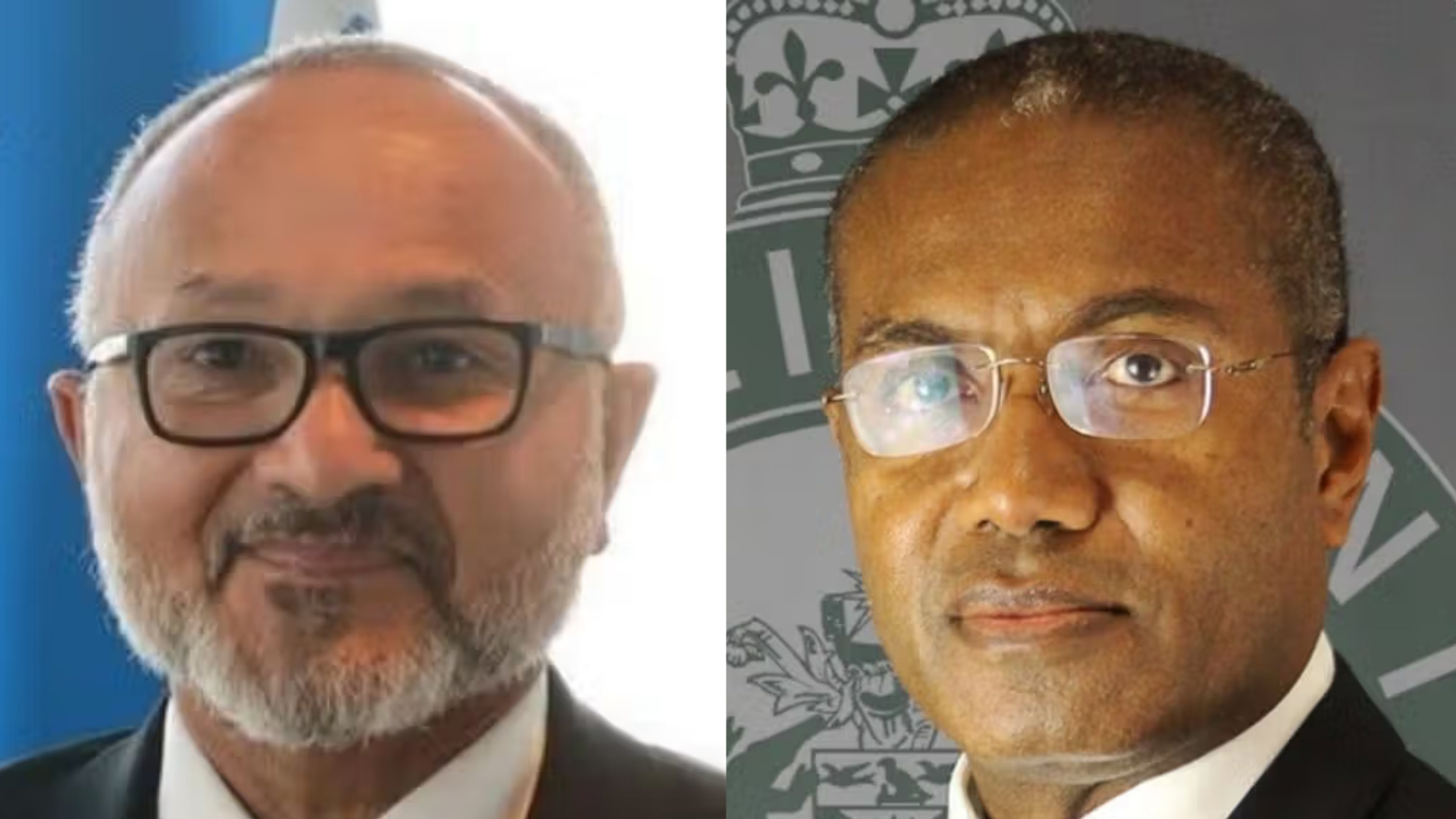
Solomon Islands Prime Minister Matthew Wale, left, and Minister for National Planning and Development Coordination, Peter Kenilorea Jr, who has called for Chinese policing and security programmes to be sidelined as the new government seeks to rebalance the country's foreign relationships and place greater emphasis on economic development.
Photo/Supplied
Peter Kenilorea Jr says the government should focus on economic development partnerships with China rather than expanding security cooperation.

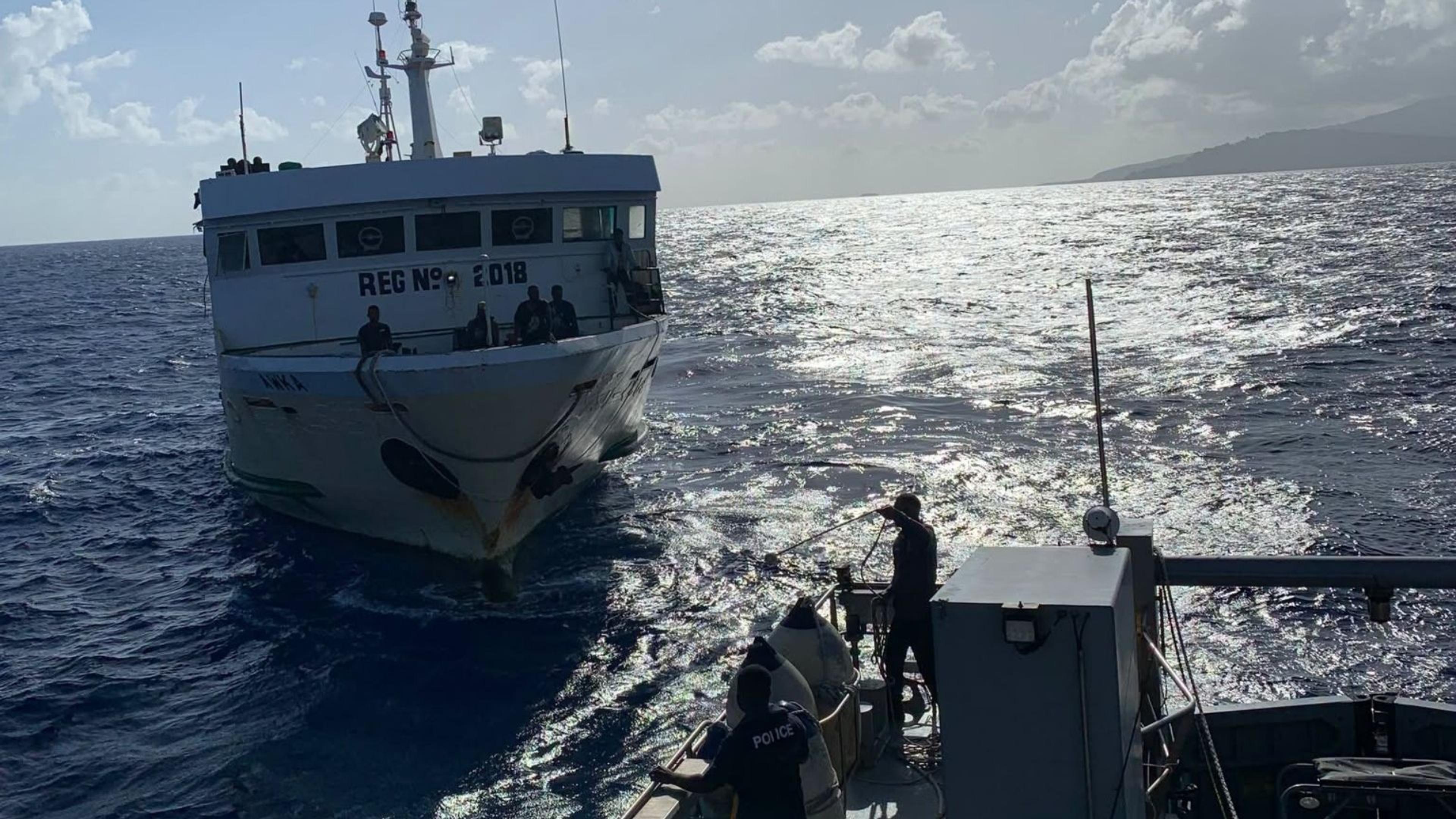


A senior Solomon Islands Cabinet minister has publicly called for Chinese policing and security programmes to be pushed aside.
The call signals a major shift in direction under the country's new government.
National Planning and Development Coordination Minister, Peter Kenilorea Jr, said Solomon Islands should focus on economic development partnerships with China rather than expanding security cooperation.
His comments come as the government of Prime Minister Matthew Wale moves to rebalance relations with regional partners after years of close security ties between Honiara and Beijing.
Kenilorea is among the strongest public criticisms yet from a senior government figure about China's growing role in the Solomon Islands' security sector.
"The security space, in my own personal opinion, is a little bit too crowded for a small country like the Solomons," Kenilorea told the Sydney Morning Herald.
"So I would definitely emphasise the development aspect of China's involvement. We would like to focus more on economic development."
The comments are significant because they touch on a controversial policing partnership introduced under the previous government of Jeremiah Manele.
Under that arrangement, Chinese police have been involved in community policing programmes. This includes the collection of fingerprints and household registration information in some communities.

Former Solomon Islands prime ministers Jeremiah Manele, left, and Manasseh Sogavare have defended the China pact, saying the country had the sovereign right to choose its own security partners. Photo/PMN composite
Critics have raised concerns about privacy and the growing role of foreign security agencies in domestic affairs.
The previous government strongly defended the partnership with Beijing and the security pact in 2022.
Former prime minister Manasseh Sogavare told Parliament: "We find it very insulting to be branded as incompetent and having other countries dictate to us what to do."
He argued that Solomon Islands had the sovereign right to make decisions about its own security partnerships.
A report released in May by the Global Initiative Against Transnational Organised Crime described Solomon Islands as "China's most prominent policing partner in the Pacific".
Chinese police officers have also taken part in community activities and public self-defence training programmes across the country.
Kenilorea has previously criticised some of the policing initiatives, arguing they risk intruding into the private lives of ordinary Solomon Islanders.
His latest comments suggest the new government wants to place greater emphasis on economic cooperation while reducing the focus on security ties.
The minister also revealed that the Wale government aims to strengthen its relationship with Australia through a wider security and labour mobility agreement.
Kenilorea said Solomon Islands hoped to finalise a deal with Canberra "sooner rather than later", with the government aiming to reach an agreement within the next six months.
The comments come at a time of growing strategic competition in the Pacific, where regional governments are increasingly balancing development needs, security partnerships and concerns about national sovereignty.
For Pacific leaders and communities, the debate goes beyond diplomacy. It raises broader questions about security, privacy and how outside powers engage with island nations at a time of growing strategic competition across the region.