
Moana Pasifika decision expected within weeks as a Sāmoa and Tonga rescue plan takes shape
Christine RovoiThu, 04 Jun

ACT MP Laura McClure, left, and Labour Deputy Leader Carmel Sepuloni.
Photo/PMN News composite
Labour’s deputy leader says a recent court ruling is a warning to Pacific organisations but the ACT Party says a few businesses will find the decision alarming




Following a landmark court decision against the Pacific Islands Business Development Trust (PBT), Labour says organisations can now be held legally accountable if they fail to live up to the values they promote.
The Employment Court recently found the Trust failed to honour the Pasifika values written into its own employment agreements during a redundancy process.
In an interview with William Terite on Pacific Mornings, Labour’s Deputy Leader, Carmel Sepuloni, said: “when they put these values and ways of working with employees into job descriptions and all other things surrounding the organisation, then they can be held to account for them.”
While the ruling has been hailed as a win for workers, it is also being seen as a shift in New Zealand employment law.
It signals that cultural commitments like respect, reciprocity, and family are enforceable contract terms, not just nice-to-have sentiments.
The case involved former employees John Faitala and Vahanoa Vea, who were dismissed in 2023.
Watch Carmel Sepuloni's full interview below.
They were awarded a combined total of over $75,000 in lost wages and compensation after the court ruled the process was flawed and lacked “respect”.
Faitala was awarded 12 months’ lost wages and $45,000, while Vea received six months’ lost wages and $30,000.
Sepuloni says the ruling will be closely watched by Pacific and Māori organisations across the country.
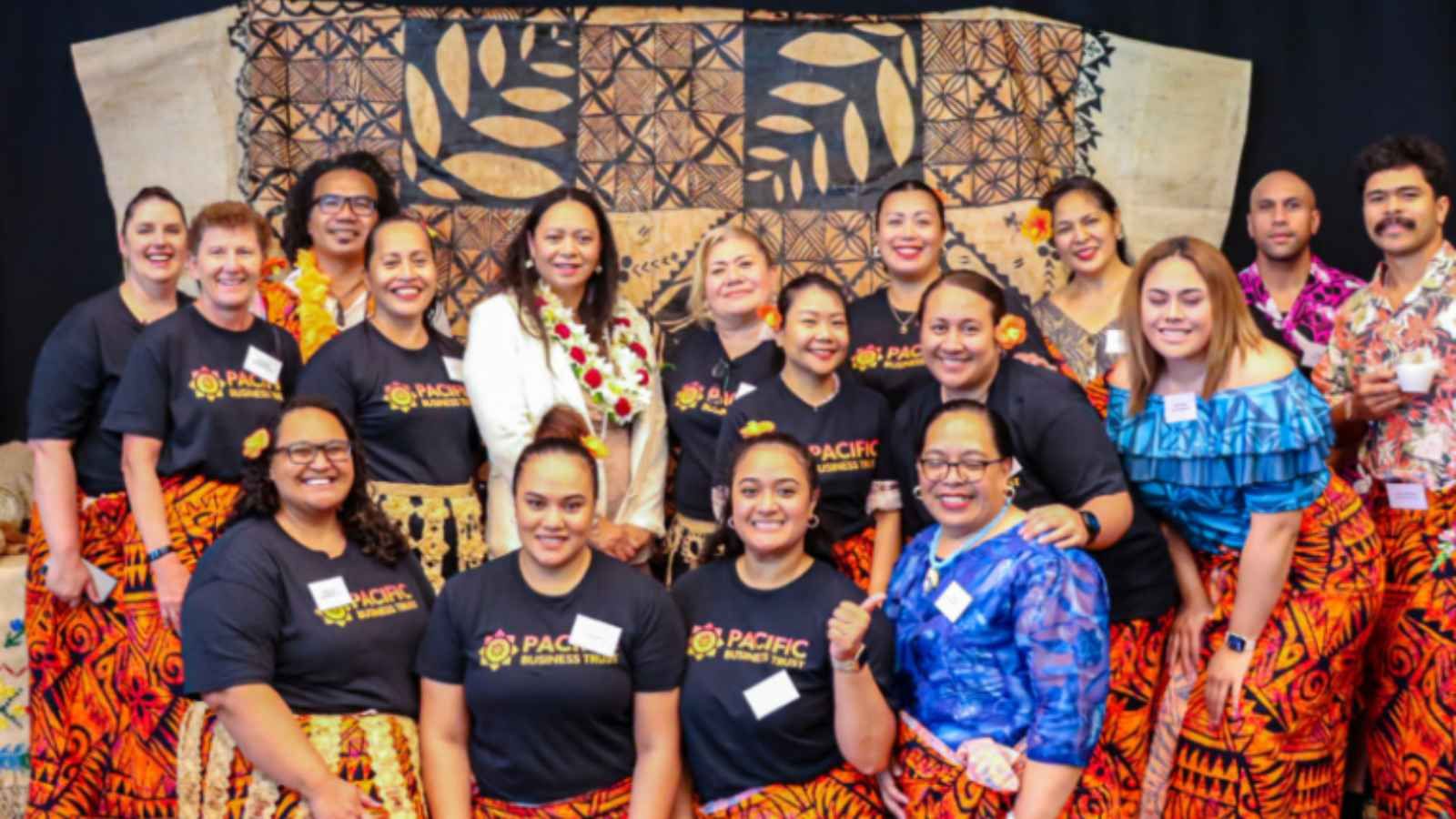
PBT welcomes new CEO Mary Los'e (white jacket) in Feb 2023. John Faitala (back row, second from left) and Vahanoa Vea (front row, far right) were awarded $25k for unfair dismissal. Photo/PBT website
She specifically questioned whether firing staff via email, a method used in this case, is appropriate for a Pacific organisation.
In many Pacific settings, difficult conversations are expected to happen face-to-face through talanoa and respectful dialogue.
“It's always important to ensure that you uphold the rights of the employee, that you bargain in good faith, that you treat your employees with respect,” Sepuloni says.
But ACT Party MP Laura McClure is concerned the ruling could create uncertainty for both employers and workers.
McClure told William Terite on Pacific Mornings that while she respects the court’s ruling, she’s worried about the precedent it sets because it feels like a grey area within the law.
“It feels like it could be used or misused either way, by either party, employer or employee,” she says.
Watch Laura McClure's full interview below.
McClure says the case highlights risks for businesses including cultural values in employment agreements without clearly defining them.
She says values are "things that each individual will define differently" so could be up for debate and potentially future litigation.
"Employment contracts need to be really tight and specific,” she says. “I think there will be quite a few businesses out there that will find this decision alarming.”
Former Equal Employment Opportunities Commissioner Saunoamaali'i Dr Karanina Sumeo says the case sends a wider message to Pacific workers who might feel pressured to accept poor treatment.
“It really emphasises to our people that you matter, you have rights.”
She says the onus is on employers to develop stronger cultural competence and to understand the “family, church, and community realities” that Pacific workers carry into the workplace.

Saunoamaali'i Dr Karanina Sumeo, former Equal Employment Opportunities Commissioner. Photo/File
The ruling has sparked a broader debate in Parliament. Justice Minister Paul Goldsmith acknowledged the significance of the case, noting there is now a discussion on how employment law interacts with tikanga Māori and Pasifika culture.
In a statement, the Pacific Islands Business Development Trust says it acts in good faith and is committed to strengthening its internal processes.
The Trust says this includes making sure its documentation and the upholding of Pasifika values are consistent and clear.
For Pacific workers, the precedent is now set: if a workplace promises to be values-based, those values must be more than just words on a page.