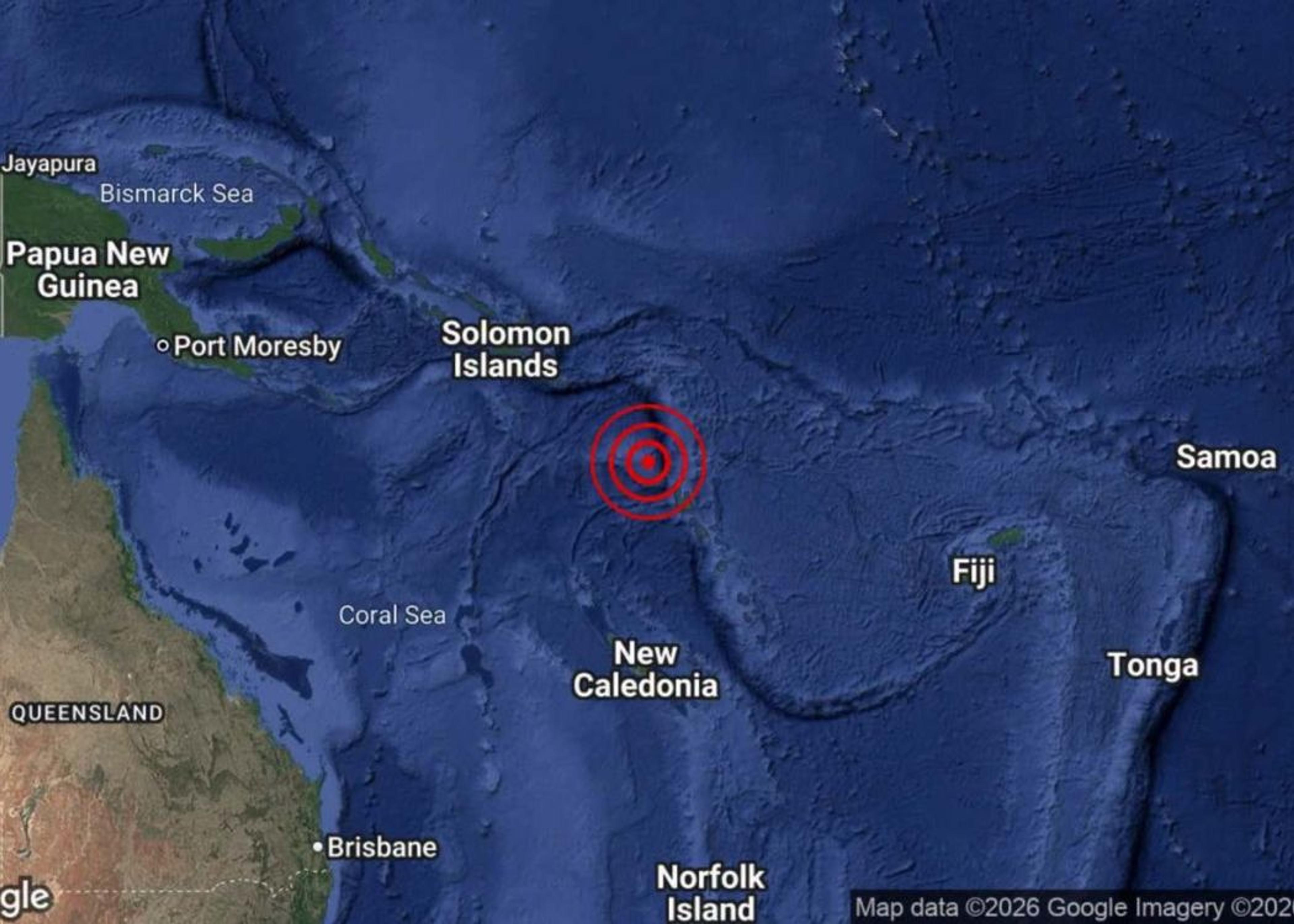

Young people seeking work could face changes to Jobseeker Support under new Government rules, with 18 and 19-year-olds subject to a parental income test.
Photo/Partners Porirua
Politics
Pacific youth hit by Jobseeker cuts as Labour, Greens warn of more pain for families
Carmel Sepuloni says thousands of young people could lose support under new rules, while Green MP Teanau Tuiono says workers are already feeling the pressure of changes to employment laws.

PMN News
Published
03 September 2026, 10:48am
Share
Copy Link
Top stories

From Ōtara, NZ to Los Angeles: David Liti lifts up the next generation
Elton Lonaratha JnrMon, 19 Oct
Washington warnings mount as four Pacific nations risk loss of US aid
Christine RovoiTue, 20 Oct

'Watch out': Silver Ferns issue clear warning to Diamonds ahead of Christchurch clash
Brooke FonotiMon, 19 Oct
Top stories
From Ōtara, NZ to Los Angeles: David Liti lifts up the next generation
Elton Lonaratha JnrMon, 19 Oct
Washington warnings mount as four Pacific nations risk loss of US aid
Christine RovoiTue, 20 Oct
'Watch out': Silver Ferns issue clear warning to Diamonds ahead of Christchurch clash
Brooke FonotiMon, 19 Oct
Labour Deputy Leader Carmel Sepuloni says new Jobseeker rules could put more pressure on Pacific families hard, with thousands of 18 and 19-year-olds at risk of losing support if their parents earn more than $67,225.
Speaking with William Terite on Pacific Mornings, Sepuloni said the changes were unfair and would put more pressure on young people already struggling to find work.
“Oh, it's unfair. It's mean spirited. “We got youth unemployment at a record high under the watch of this government.
"And what they seem to be doing is punching down, trying to make savings, trying to deflect blame onto those young people who can't find employment in a labour market that is really tight at the moment.”
The issue could have a particular impact on Pacific households, where several generations often live together.
Sepuloni said she had spoken to young people who wanted to work but were unable to find jobs. “There just aren't the jobs available.”

Young jobseekers say finding work can be difficult as they compete for limited opportunities in a tight labour market. Photo/Partners Porirua
Under the new rules, 18 and 19-year-olds without dependent children will have to pass a Parental Assistance Test before they can receive Jobseeker Support.
The test will consider their parents’ income and whether they can reasonably be expected to rely on them for support.
Youth Employment Navigator Maryann Manu, who works with Pacific young people aged 15 to 24, says many are struggling with the basic skills and confidence needed to enter the workforce.
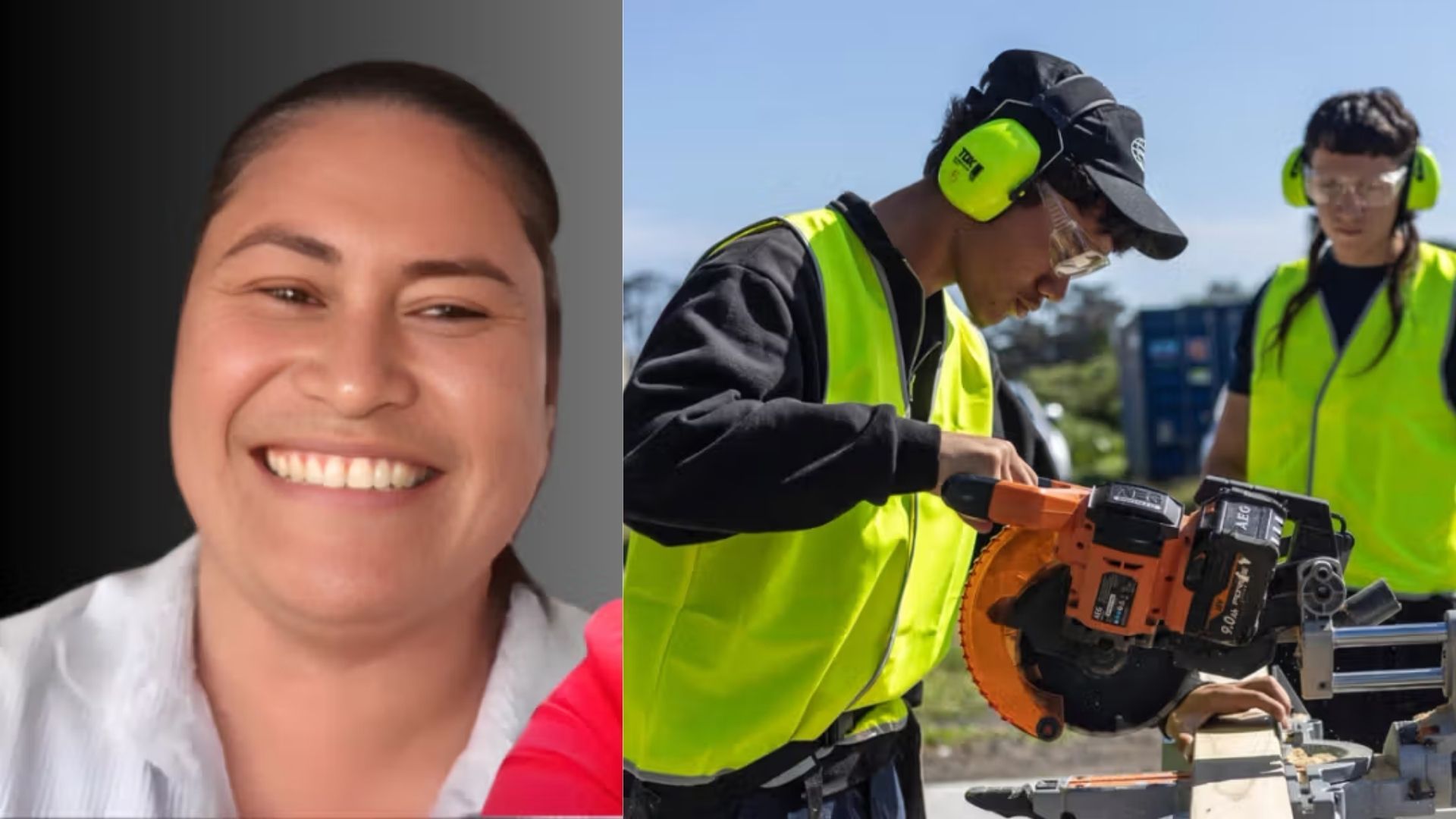
Youth Employment Navigator Maryann Manu says many young Pacific people are struggling to build the confidence and skills needed to enter the workforce. Photo/Supplied
“A lot of young people just lack social skills, confidence, communication skills, much more of the basics to get into employment,” Manu told PMN Tonga in March.
Aaron Hendry, youth advocate and Kick Back founder, has also warned the changes could put vulnerable young people at greater risk.
“It's going to increase the risk of homelessness for young people and put some of our most vulnerable young people in potentially dangerous situations," he told Terite in October. "It's not very well thought through and it won't support people into employment.”
Hendry says young people are already trying to find work but are struggling to get a foot in the door.
“That's just not true. The young people that I speak to every single day, their first goal is to get a job. They're motivated to find work. They are applying for jobs and they're just not hearing anything back.”
The Government says the changes are designed to reduce benefit dependence and argues that 18- and 19-year-olds who are not in work, education or training should be supported by their parents and not the taxpayers.
Listen to Aaron Hendry's earlier interview below.
Social Development and Employment Minister Louise Upston says the welfare system should be “firm, fair and simple” and that the changes will better target support to those who need it most.
Sepuloni said Labour would set out its position on the changes before the election but accused the Government of putting the wrong people under financial pressure.
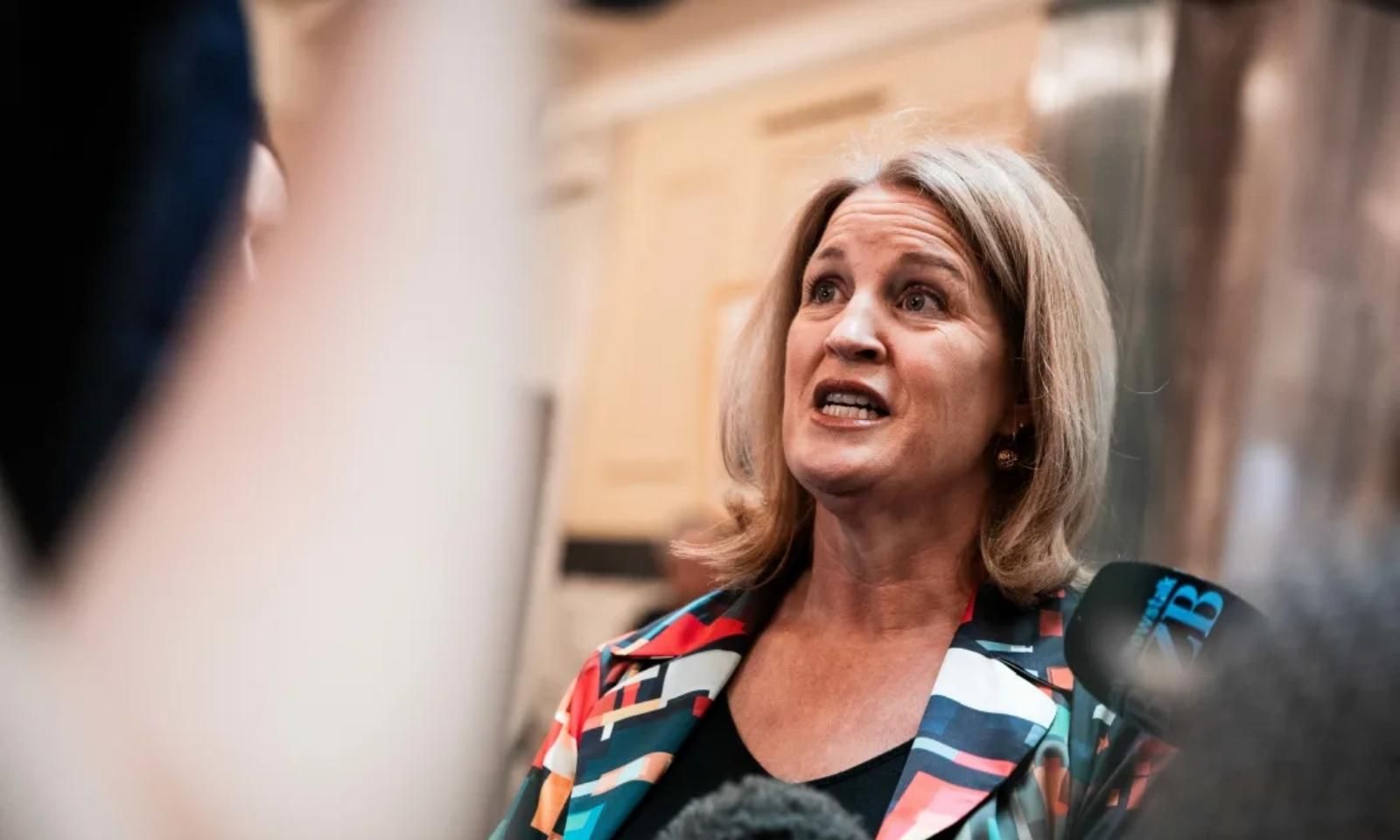
Social Development and Employment Minister Louise Upston says the new Jobseeker rules are aimed at reducing benefit dependence and better targeting support to young people who need it most. Photo/RNZ
“They've only had three years and look at the damage that they've been able to cause.”
The Jobseeker changes come as the election campaign gathers pace with both Sepuloni and Green MP Teanau Tuiono speaking about pressure on workers and families during separate interviews on Pacific Mornings.
Tuiono said people he had spoken to in Porirua were feeling the impact of changes to workplace and employment laws.
“I've been spending a lot of time with unions and unionised workers,” he told Terite. “I actually met some workers in different supermarkets and retail as well. And, you know, people are really feeling the punch.”
Tuiono said workers were feeling “very undermined” by the Government.
“The workplace relations, the employment laws that have been changed, have been very detrimental, incredibly negative for workers of the island.”
Listen to Teanau Tuiono's full interview below.
Tuiono's comments came as he campaigned ahead of the election and met workers and union members.
Sepuloni also pointed to another issue affecting Pacific workers: proposed modern slavery laws.
A select committee has recommended the Bill progress with Sepuloni saying it could still reach Parliament before the end of the term.
The proposed law would require large companies with annual revenue of more than $100 million to report on steps they are taking to address modern slavery and exploitation in their supply chains.
Sepuloni said Pacific workers remained among the most vulnerable in the region and argued the law should be passed. “It protects from exploitation globally.”
She also criticised the Government over graduate nurses struggling to find jobs despite pressure on the health system.
Watch Carmel Sepuloni's full interview below.
Sepuloni said there had been a net increase of just 54 nurses across the country between March 2024 and March 2026, which she said was not enough to meet demand.
She said nurses were graduating and ready to work but were struggling to find positions because of what she described as a hiring freeze in hospitals.
Health Minister Simeon Brown disputes the picture of a lack of opportunities for graduate nurses, saying Te Whatu Ora/Health New Zealand intends to offer around 1,800 graduate nurse roles over the coming year.
“Last year, Health New Zealand set a target of around 1800 offers made to graduate registered nurses and, after the interview process was complete, made 1716 offers,” Brown says.
For Pacific families already dealing with the cost of living and pressure on household incomes, the domestic issues raised by Sepuloni and Tuiono point to a wider election debate over jobs, support and the cost of essential services.
Both MPs also spoke with Terite about the Pacific Islands Forum in Palau, including the absence of five Pacific leaders and growing pressure on the region as the United States and China compete for influence.