‘Soul resuscitation’: Pioneering Vagahau Niue and cultural connection down South
Atutahi Potaka-DewesFri, 23 Oct
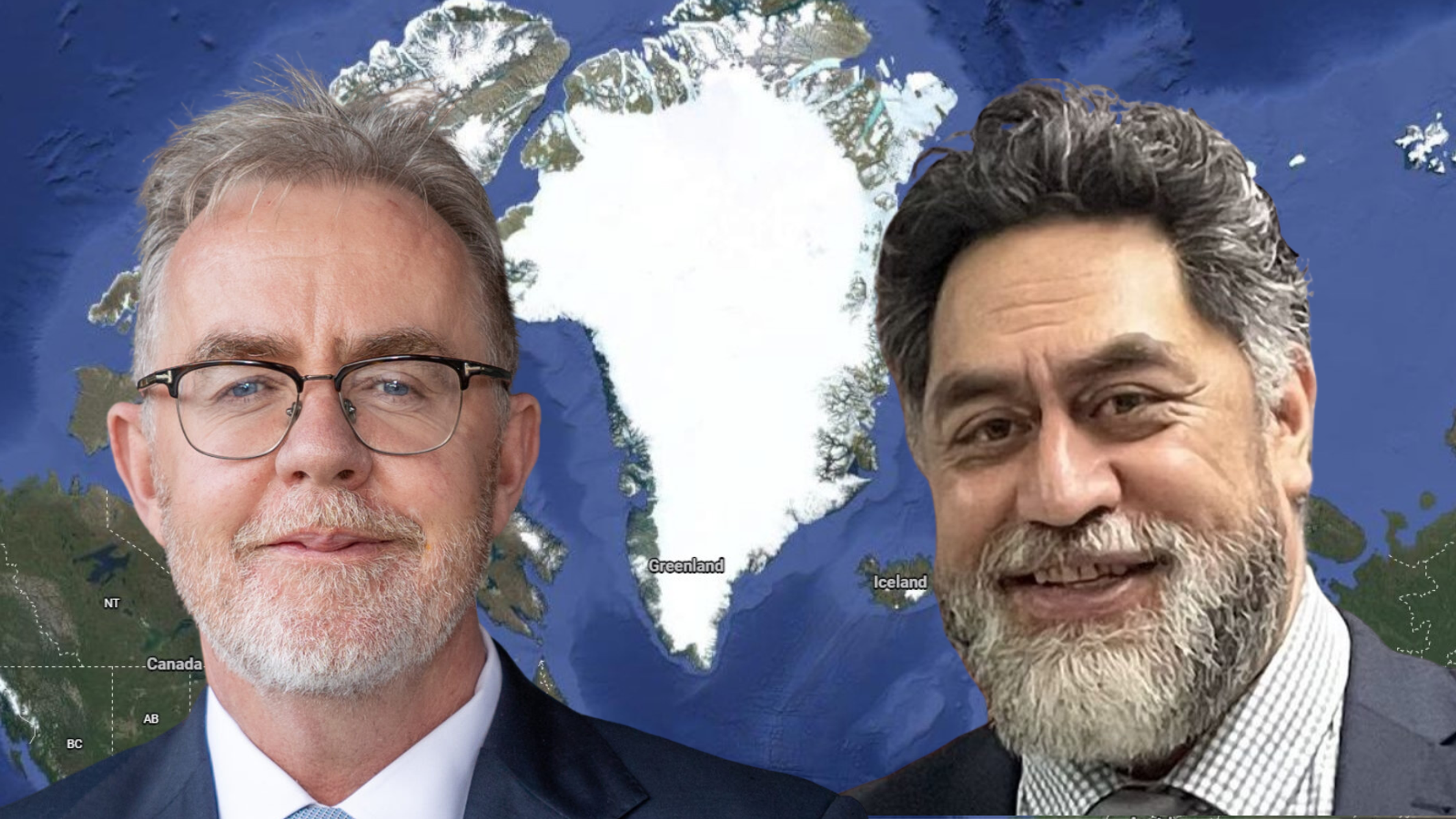
International law experts Al Gillespie and Sione Tekiteki discuss what the Greenland dispute may mean for the Pacific region.
Photo/Borrin Foundation/File/Google Earth
A law expert says renewed US interest in Greenland highlights the risks small nations face from global powers.


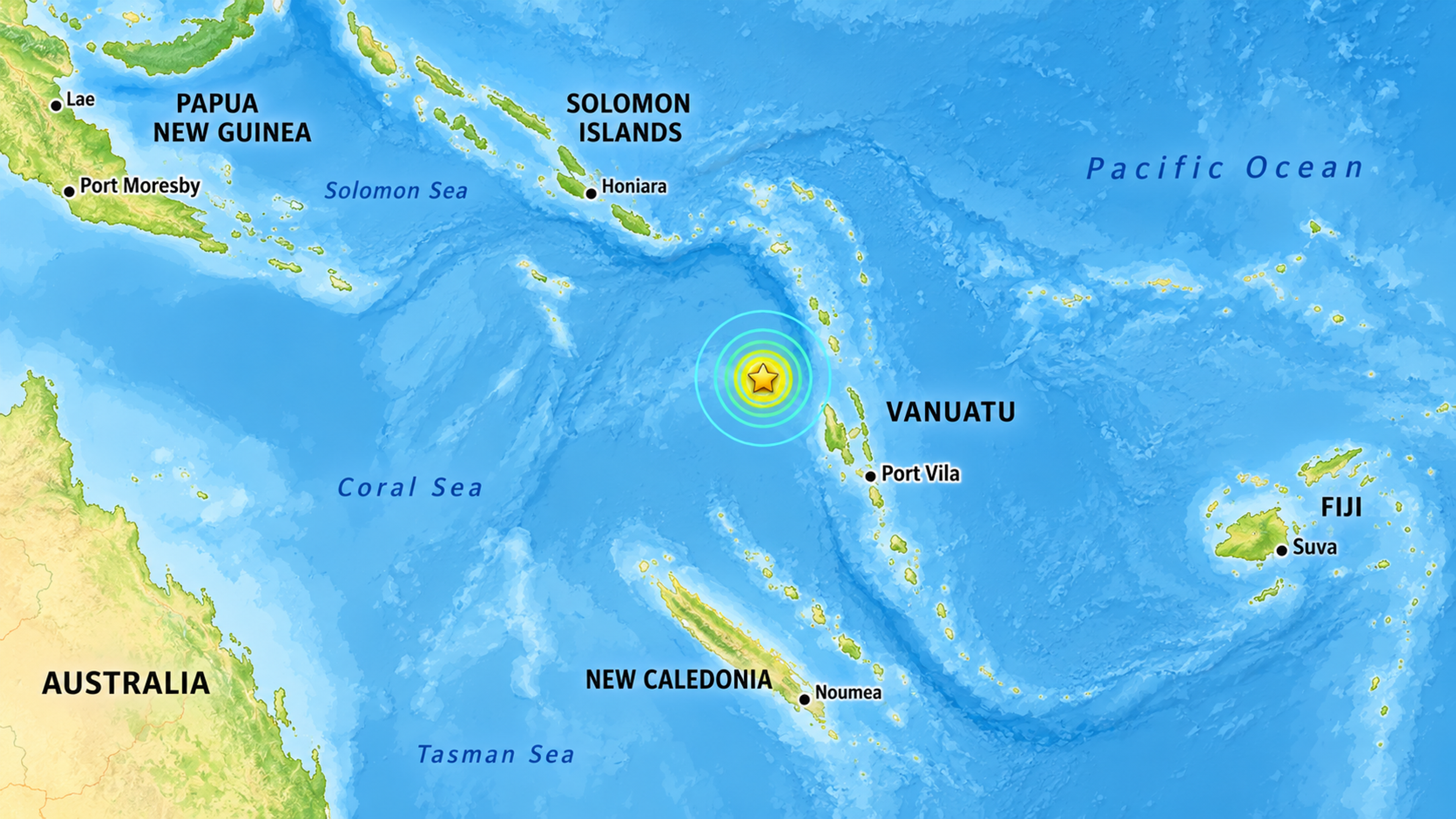

Pacific leaders are being urged to stay vigilant as renewed United States interest in Greenland exposes the risks small nations face when powerful countries pursue strategic and economic leverage.
The warning comes amid US President Donald Trump’s repeated calls to “buy” Greenland and his threats of tariffs against allies who resist.
Critics say this is how global powers can apply economic and political pressure to achieve their strategic aims.
Al Gillespie, an international law expert, says for the Pacific nations, especially those with histories of colonisation or non-sovereign status, the Greenland standoff is more than a distant story.
He says it is a reminder that self-determination can be threatened even in the 21st century.
“Mr Trump is using a 19th-century thinking in the 21st century and trying to bypass what the people want,” he tells William Terite on Pacific Mornings. “There's a big risk… whether you're in Greenland, whether you're in Denmark, whether you're in Fiji or whether you're in Tonga, is the same principle.”
Watch Al Gillespie's full interview below.
Gillespie warns that economic pressure, such as tariffs, is another form of coercion. “It's bad to bully people in general. It's worse to bully friends, because what you discover is that your friends no longer stay your friends.”
He urges Pacific nations to act collectively to uphold self-determination as a key principle in international relations.
Sione Tekiteki, a senior law lecturer at Auckland University of Technology, says Greenland offers a cautionary tale for Pacific nations, particularly non-sovereign territories in the northern Pacific.

US President Donald Trump signs a declaration to open up a Pacific marine reserve to commercial fishing in April 2025. Photo/US Government video
“It's certainly something that should concern Pacific leaders,” Tekiteki tells PMN News. “In the context of the Pacific, and particularly up north, Guam and other northern Pacific territories, you're already seeing a lot of increasing militarisation and securitisation, so America is definitely increasing its posture in the northern Pacific.”
Tekiteki warns that exclusive security agreements can have long-term implications for sovereignty. He draws parallels to Greenland, where proposals suggest US defence jurisdiction could dominate the island’s security arrangements.
“Rather than asserting its full control over Greenland, they may be open to something like a compact arrangement,” he says.
Tekiteki says Pacific nations have learned the lessons of colonisation and decolonisation. “What happened in the 60s through the UN, through the decolonisation of countries, I think we've passed that phase.
“Those countries in the Pacific that have not attained independence are unlikely to do so anytime soon. These are different times because of the strategic interest involved,” he says.
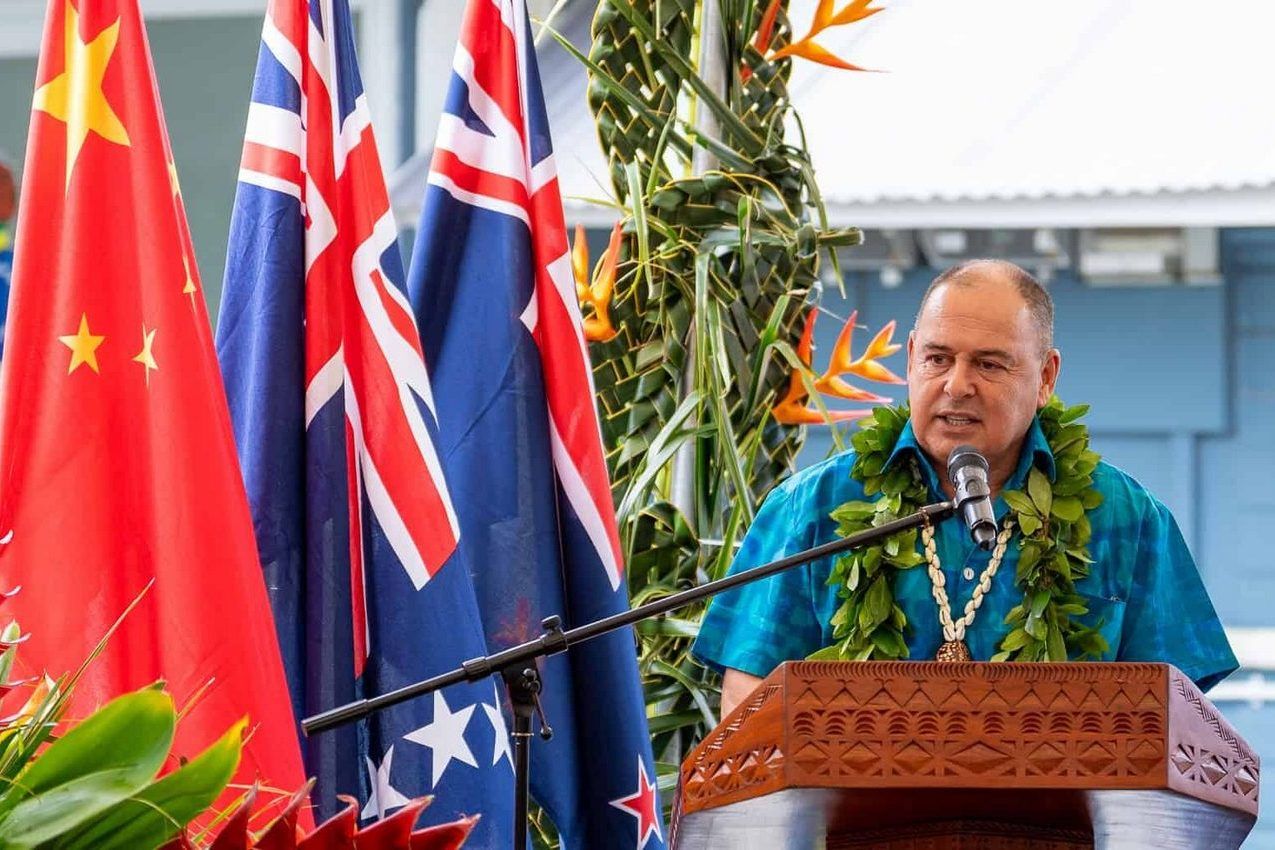
Cook Islands Prime Minister Mark Brown called the funding cuts 'patronising'. Photo/HK Free Press
Both experts say regional powers like New Zealand are already taking measures to maintain influence while respecting sovereignty.
Tekiteki points to recent defence arrangements with Niue and strategic steps with the Cook Islands.
“You would have seen that Niue and New Zealand announced a new strategic defence arrangement that provided exclusive security arrangements to New Zealand. I think that's what New Zealand is trying to do with the Cook Islands, and the Cook Islands, to date, has not signed anything to that effect.”
Gillespie warns that ignoring self-determination could set a dangerous precedent. “If Mr Trump said to us, 'I need the Cook Islands for defence, and unless you give it to me, I'm going to put a tariff on New Zealand'… that is a risk if you're a small country.”
The Greenland case highlights the delicate balance Pacific nations must maintain, safeguarding sovereignty, navigating global strategic pressures, and protecting the right of their people to decide their own future.
Vigilance is no longer an option for the Pacific. It is important to ensure that history does not repeat itself in a new, modern guise.