
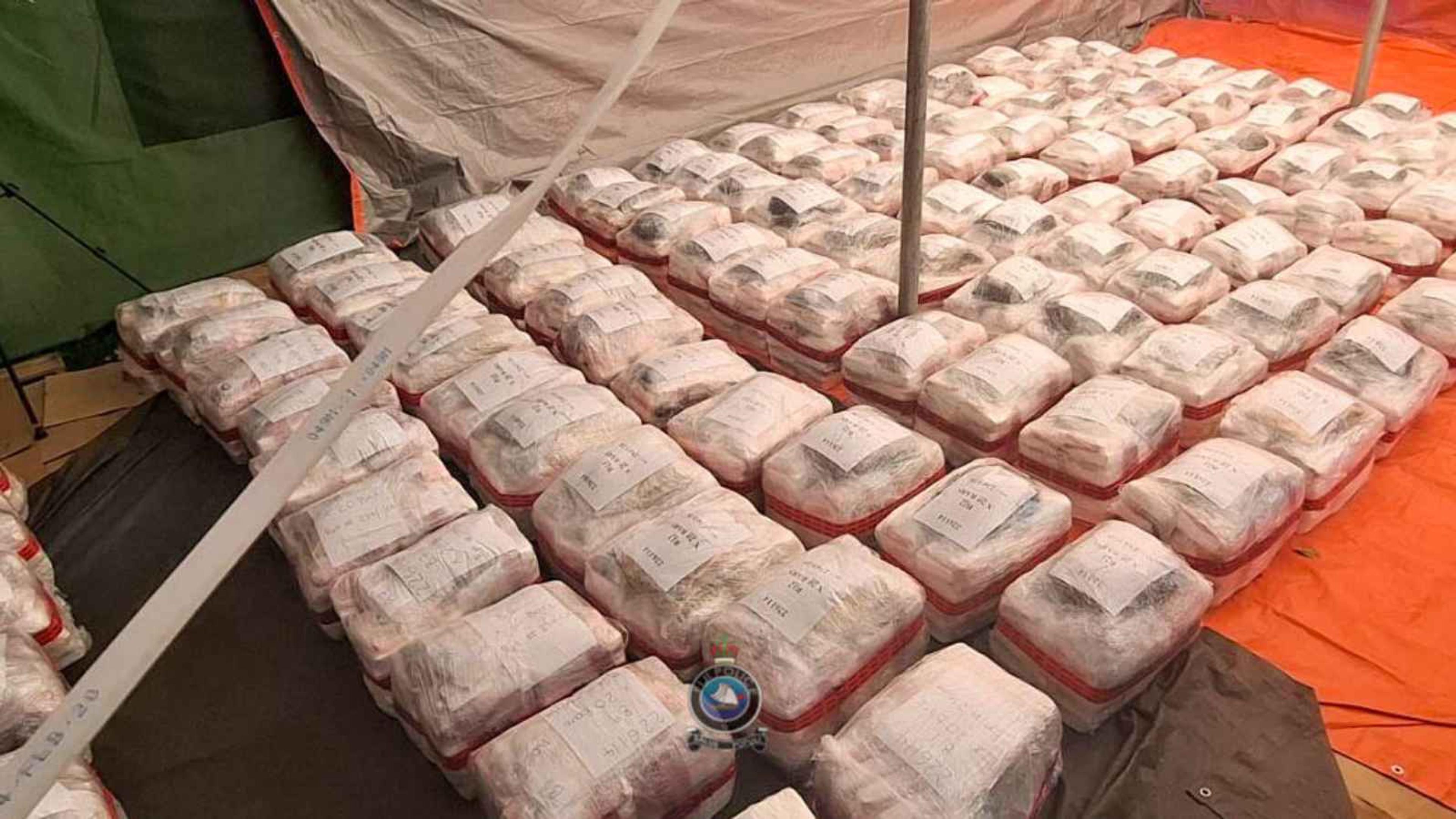
The forensic analysis conducted on the 2,630 parcels have all tested positive for cocaine, weighing 2.64 tons, with an estimated street value of over NZD$900 million.
Photo/Supplied/Fiji Police
Politics
Pacific nations push back as organised crime targets region
New Zealand has launched a major strategy to help Pacific countries fight organised crime as local authorities make big drug seizures.

'Alakihihifo Vailala
Published
27 January 2026, 2:42pm
Share
Copy Link
Top stories

Clocks back, beers on tap: Easter weekend brings new rules and routine changes
Khalia StrongThu, 02 Apr
After 51 years, Polyfest is still fighting for long-term funding certainty
Taelegalolo'u Mary AfemataTue, 31 Mar

$23.95 vs $29.90: Minimum wage rise slammed as workers falling behind on pay
Christine RovoiWed, 01 Apr
Top stories
Clocks back, beers on tap: Easter weekend brings new rules and routine changes
Khalia StrongThu, 02 Apr
After 51 years, Polyfest is still fighting for long-term funding certainty
Taelegalolo'u Mary AfemataTue, 31 Mar
$23.95 vs $29.90: Minimum wage rise slammed as workers falling behind on pay
Christine RovoiWed, 01 Apr
The Pacific is facing a growing threat from organised criminal groups moving drugs and other illegal goods through island nations towards bigger markets in Australia and Aotearoa New Zealand.
In late 2025 and early this year, Fiji police made one of the region’s biggest drug busts in recent years.
More than 2.6 tonnes of cocaine were seized at Vatia Wharf, Tavua, and in a vehicle. More than 10 people have been arrested and charged, including foreign nationals, which officials warn highlights the scale of international criminal activity now operating across Pacific waters.
Rusiate Tudravu, Fiji’s Police Commissioner, said the operation showed how cooperation between Fiji and international partners such as the United States Drug and Enforcement Administration (DEA) was starting to disrupt these networks.
In December 2025, New Zealand launched its Transnational, Serious and Organised Crime (TSOC) Strategy and Action Plan 2026-2030 to strengthen how government agencies work together to tackle organised crime affecting the Pacific and beyond.
Associate Police Minister Casey Costello says these criminal networks are not just about drugs. They also involve money laundering, people trafficking, and exploitation.

The four Ecuadorian nationals (pictured) were arrested during the raid in Vatia, Fiji. Photo/Supplied/Fiji Police
She told William Terite on Pacific Mornings that regional cooperation was at the heart of the strategy.
“We have to look at organised crime as we have to be stronger than them and our connection, the way our countries cooperate, how we connect with each other is significant,” Costello says.
The plan includes new technologies, improved cross-agency data sharing, and community initiatives to build local resilience.
Watch Casey Costello's full interview below.
Costello pointed to programmes such as detector dogs in the Pacific, now receiving funding to build more bases in places like Whangarei and Tonga to help detect illegal drugs at borders.
Pacific experts say local nations are not waiting for help alone. They are increasingly taking ownership of their own security efforts.
José Sousa-Santos, a Pacific regional security expert, says the recent seizure of more than two tonnes of cocaine in Fiji is more than a tactical success.
In an article published by the Lowy Institute, he says it shows Pacific countries can act on their own terms with growing confidence. He says these successes must be built on strong local leadership.
But he also stressed that the threat is changing. He warns that criminal syndicates have evolved tactics and routes, using semi-submersible vessels and low-profile craft to move drugs between islands and on to markets beyond the region.
Sousa-Santos, the University of Canterbury’s Pacific regional security hub head, also points out that Pacific nations are exploited not only as transit points but as markets, partly because demand in Aotearoa and Australia drives the trade.
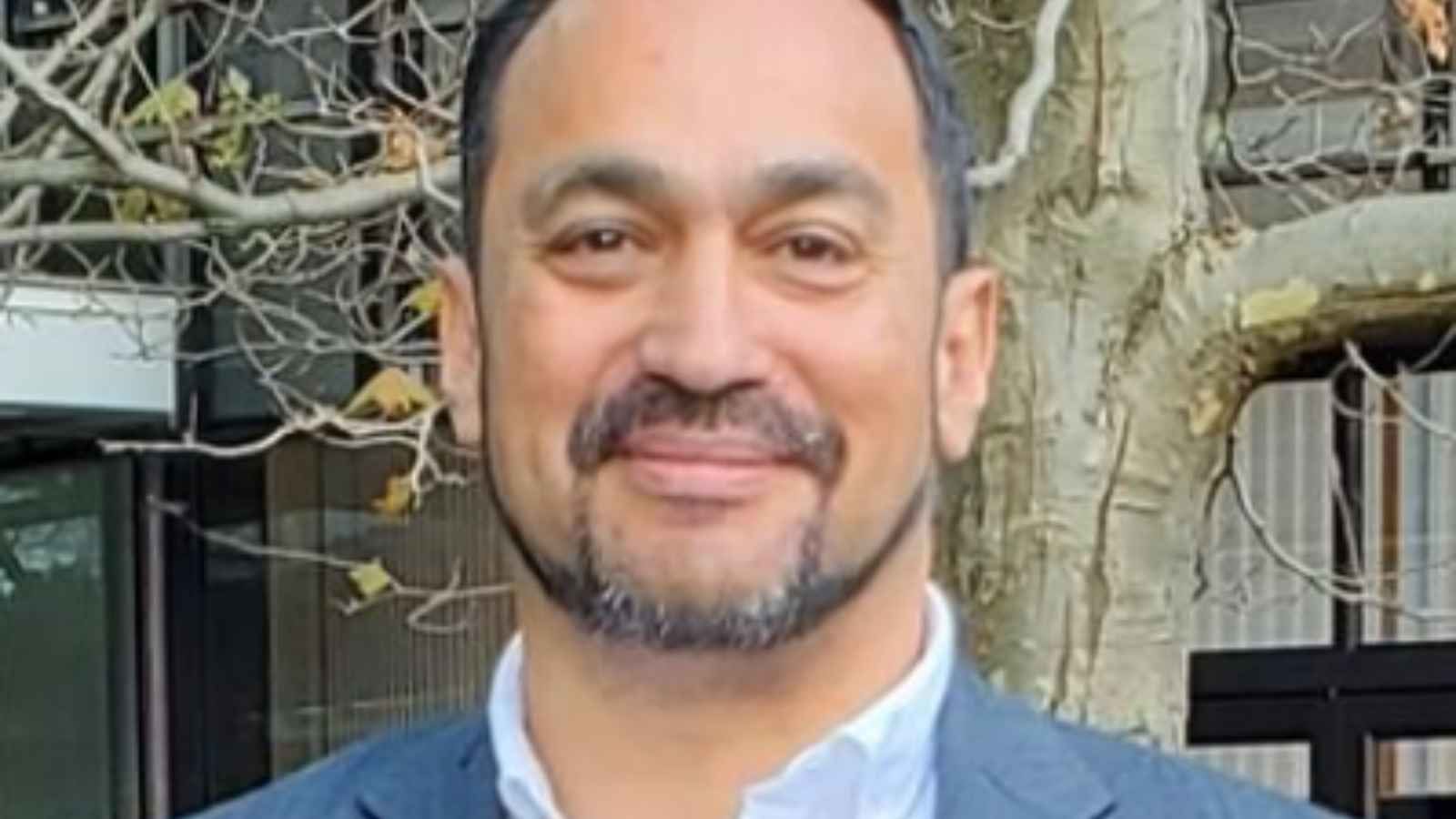
José Sousa-Santos' area of expertise and research is transnational crime, security, and non-state actors in the Pacific Islands and Southeast Asia. Photo/Supplied
In an interview with RNZ Pacific, he said: “The Pacific Ocean is a large space to operate in … this will ensure that New Zealand is able to be secure and work with our partners in the Pacific … our partnerships become force multipliers.”
Despite some success, experts warn the region’s vulnerabilities remain. Sousa-Santos says the semi-submersible vessels in Solomon Islands waters show how deeply embedded Pacific routes are in global trafficking networks.
Conventional border controls alone cannot stop these highly adaptive operations. The illicit drug trade continues to harm communities and economies. In Aotearoa alone, the social cost of the illegal drug trade is estimated at around $1.5 billion in social harm.
For the pacific, stopping organised crime is about protecting families, youth, and future generations. Experts say stronger regional collaboration, better information sharing, and local ownership of strategies are vital steps forward.
As Costello said: “If there's economic prosperity, then the criminal element weakens because the positive stuff wins out.” He says this message of resilience is key to keeping Pacific nations strong.