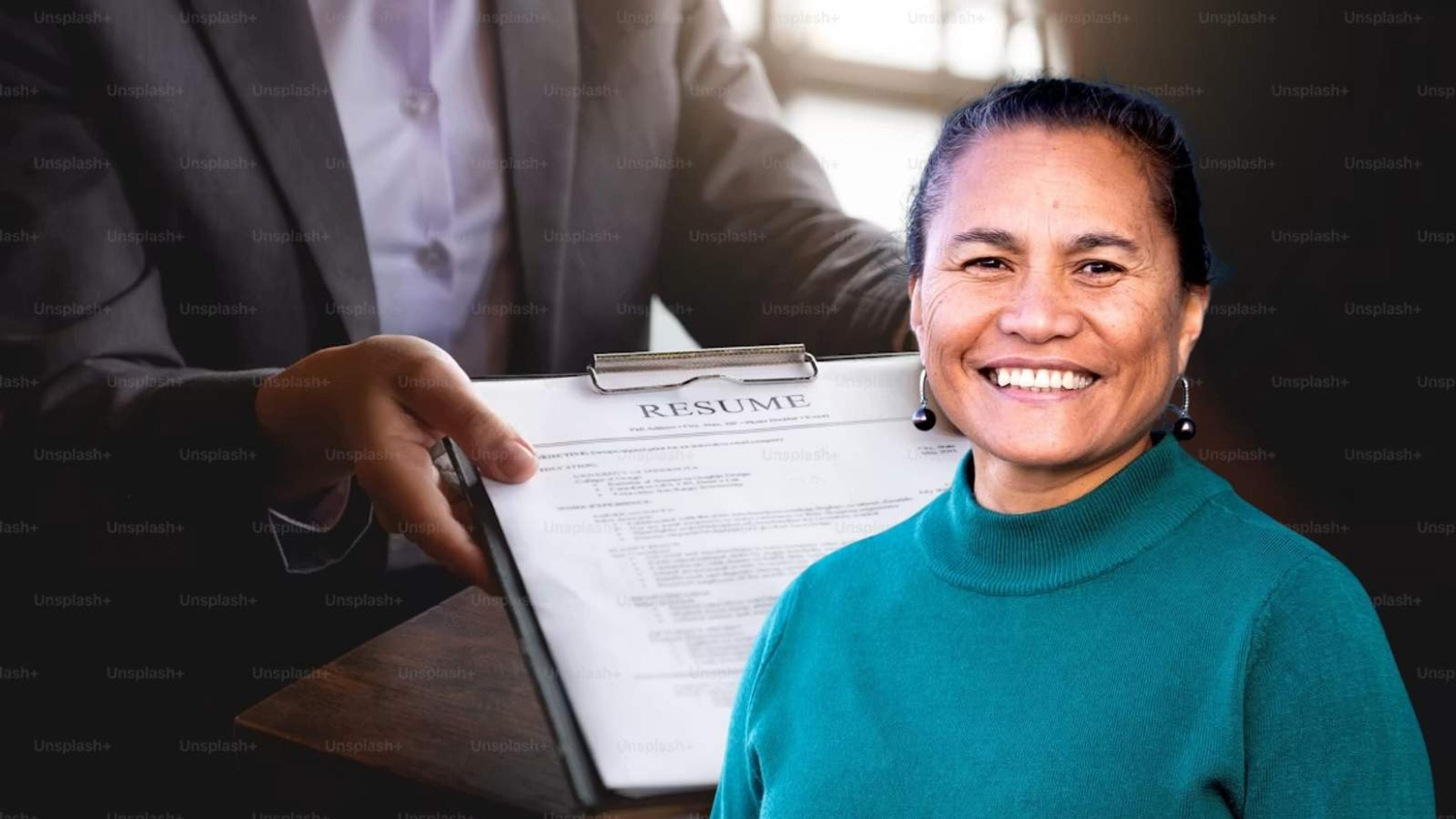
Saunoamaali’i Dr Karanina Sumeo.
Photo/Facebook/Unsplash/PMN Composite
Politics
Employment Leave Bill moves ahead as Pacific expert warns workers could be left behind
Dr Karanina Sumeo, former Equal Employment Opportunities Commissioner, says the new system could put more pressure on casual and part-time workers already facing financial uncertainty.

Aui'a Vaimaila Leatinu'u
Published
22 July 2026, 1:42pm
Share
Copy Link
Top stories
From Ōtara, NZ to Los Angeles: David Liti lifts up the next generation
Elton Lonaratha JnrMon, 19 Oct
Washington warnings mount as four Pacific nations risk loss of US aid
Christine RovoiTue, 20 Oct

'Watch out': Silver Ferns issue clear warning to Diamonds ahead of Christchurch clash
Brooke FonotiMon, 19 Oct
Top stories
From Ōtara, NZ to Los Angeles: David Liti lifts up the next generation
Elton Lonaratha JnrMon, 19 Oct
Washington warnings mount as four Pacific nations risk loss of US aid
Christine RovoiTue, 20 Oct
'Watch out': Silver Ferns issue clear warning to Diamonds ahead of Christchurch clash
Brooke FonotiMon, 19 Oct
A Pacific human rights advocate warns the Government’s Employment Leave Bill could do more harm than good for Pacific workers, leaving the most with fewer protections.
The proposed legislation to replace the Holidays Act 2003 passed its second reading in Parliament on Tuesday.
Under the proposed changes, leave would be earned in hours based on an employee’s contracted hours, while additional or casual hours would instead receive a 12.5 per cent leave compensation payment.
Speaking with William Terite on Pacific Mornings, Saunoamaali'i Dr Karanina Sumeo, former Equal Employment Opportunities Commissioner at the New Zealand Human Rights Commission, says the proposed changes could create more challenges for Pacific workers, particularly those in casual, part-time and insecure jobs.
She says many Pasifika families already face financial pressures and changing how leave is calculated could make it harder for workers to access important entitlements when they need them.
“I can understand wanting to support businesses, these are tough times. Businesses may be less inclined to offer full-time jobs because of the uncertainty,” Saunoamali’i says.
Listen to Saunoamaali’i Dr Karanina Sumeo’s full interview below.
“But fundamentally, work has to be fair, and it has to be decent. So we have to balance those two things, especially thinking about our Pacific people,” she says.
“We have the highest unemployment rate, highest underutilisation rate. This will just make things really difficult for our people.”
Under the current system, casual workers who meet eligibility requirements can receive 10 days of sick leave after six months of employment.
Saunoamaali’i says the proposed changes could remove that clearer pathway and make entitlements harder for some workers to understand.
During the second reading debate, Green Party MP Teanau Tuiono also raised concerns about the impact on workers in insecure employment.

Green MP Teanau Tuiono. Photo/File
Tuiono says many Pacific workers, alongside Māori, women, young people and migrant workers, are more likely to be in part-time or variable-hour jobs. x
“This bill will leave many workers worse off, particularly those on lower incomes, and will disproportionately affect workers who are employed part-time, have variable hours, work multiple jobs, or face insecure employment conditions,” Tuiono says.
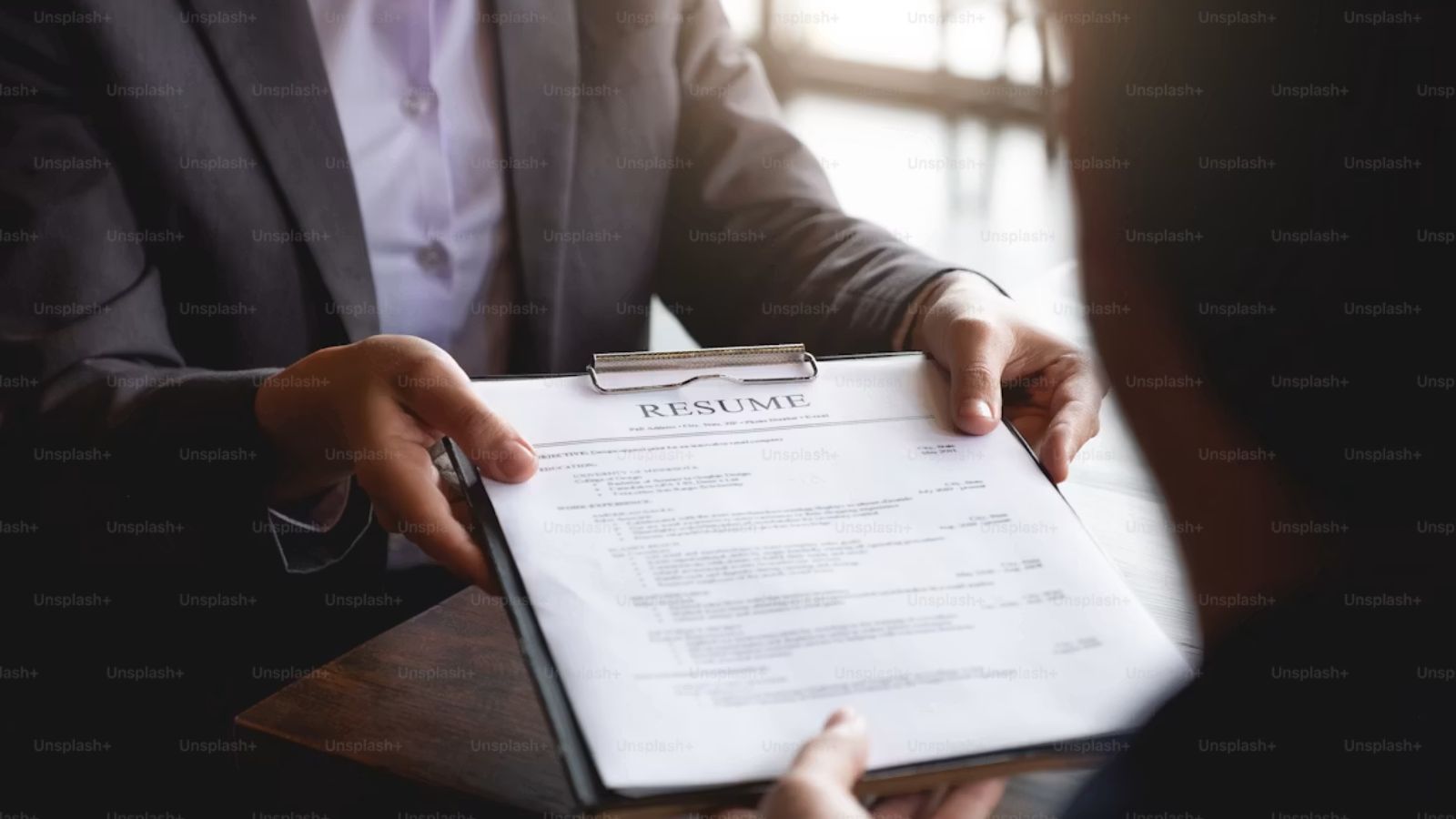
Saunoamaali’i Dr Karanina Sumeo and Green MP Teanau Tuiono say the proposed Employment Leave Bill will negatively impact vulnerable communities. Photo/Unsplash
Minister for Workplace Relations and Safety, Brooke van Velden has defended the bill, saying it will create a clearer and simpler system for both employers and employees.
In a statement to PMN News, she says workers will earn annual and sick leave from their first day of employment while casual workers will receive a 12.5 per cent payment for additional hours worked.
"All parties will benefit from legislation that is simpler and more straightforward to comply with - employers will have confidence in their payments and employees of all ethnicities can be assured they are paid correctly," Velden said.

Brooke van Velden. Photo/ACT Party/PMN Composite
The minister says the changes will reduce compliance costs for businesses and encourage more employers to offer part-time work.
Saunoamaali’i says Pacific communities should continue paying attention to how workplace policies affect families and workers, especially as Aotearoa heads towards the 2026 general election.
The election will be held on Saturday, 7 November, with advance voting opening on Monday, 26 October. For more information, visit the Electoral Commission’s website.
The Employment Leave Bill will now continue through the parliamentary process, with a two-year implementation period planned if it becomes law.