
Fiji reviews suspected cyber breach at Suva regional organisation
Christine RovoiThu, 15 Oct
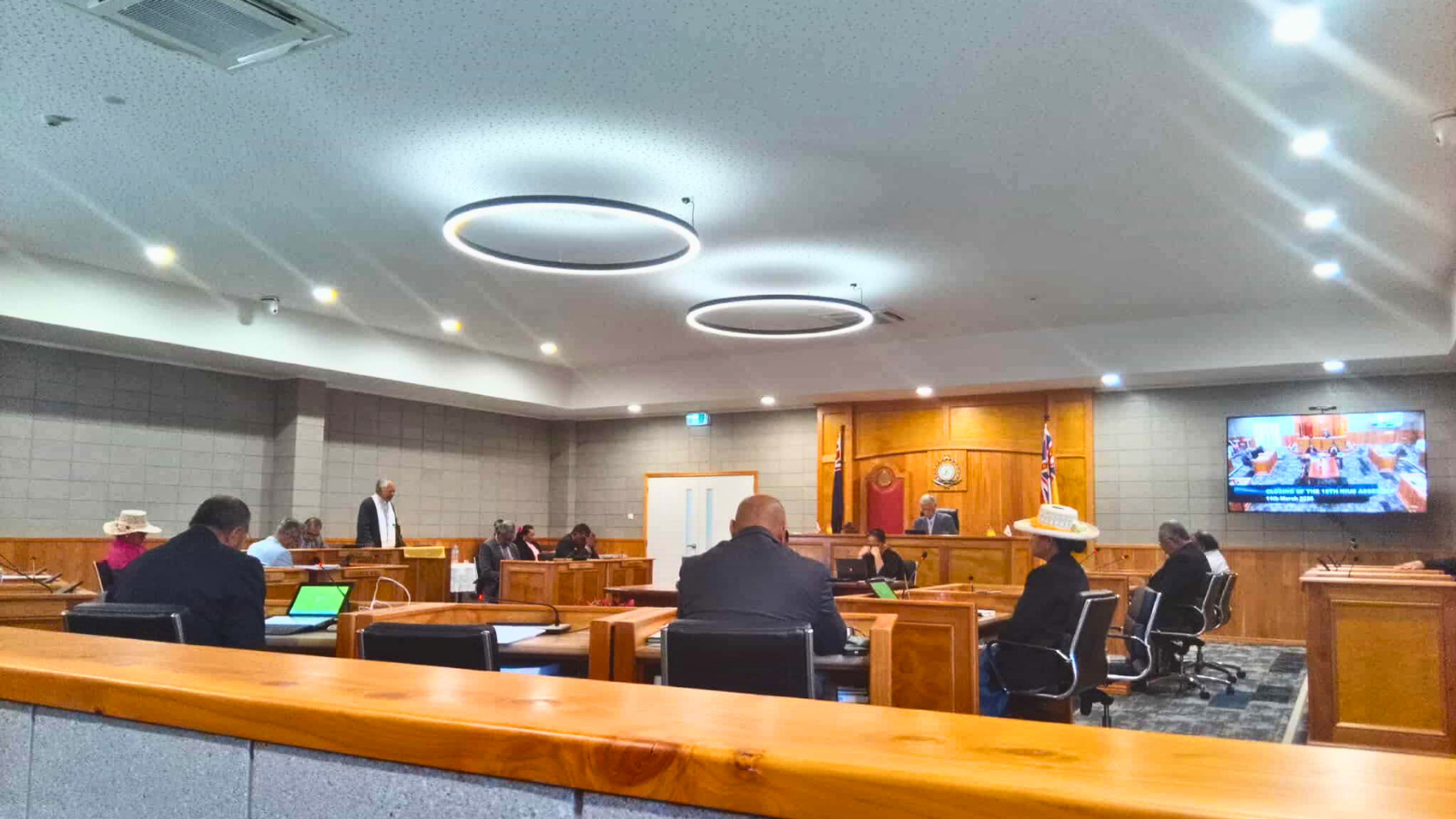
The final sitting of the 18th Niue Assembly on 12 March. The dissolution of parliament came in to effect on 27 March, and elections have been set for 2 May.
Photo/Office of the Secretary of Government NIUE/Facebook
Prime Minister Dalton Tagelagi signals a potential final term while Speaker Hima Ikimotu Douglas confirms departure ahead of the 2 May election.


Niueans will head to the polls on 2 May after the country’s parliament was formally dissolved.
A notice in the Niue Gazette confirmed the dissolution of the 18th Niue Assembly took effect on 27 March, following a request from Prime Minister Dalton Tagelagi.
The general election will decide the makeup of the 20-member Assembly and who forms the next government. In Niue’s system, voters choose individuals instead of political parties.
The election comes as Niue faces long-running challenges. Its population is shrinking, many residents are moving to New Zealand, and essential services such as health and transport are under pressure.
Economic development is limited by the island’s small size and isolation. Climate resilience and infrastructure, including coastal protection and energy, remain priorities.
Niue’s close constitutional and financial relationship with New Zealand is also expected to feature in campaign discussions.
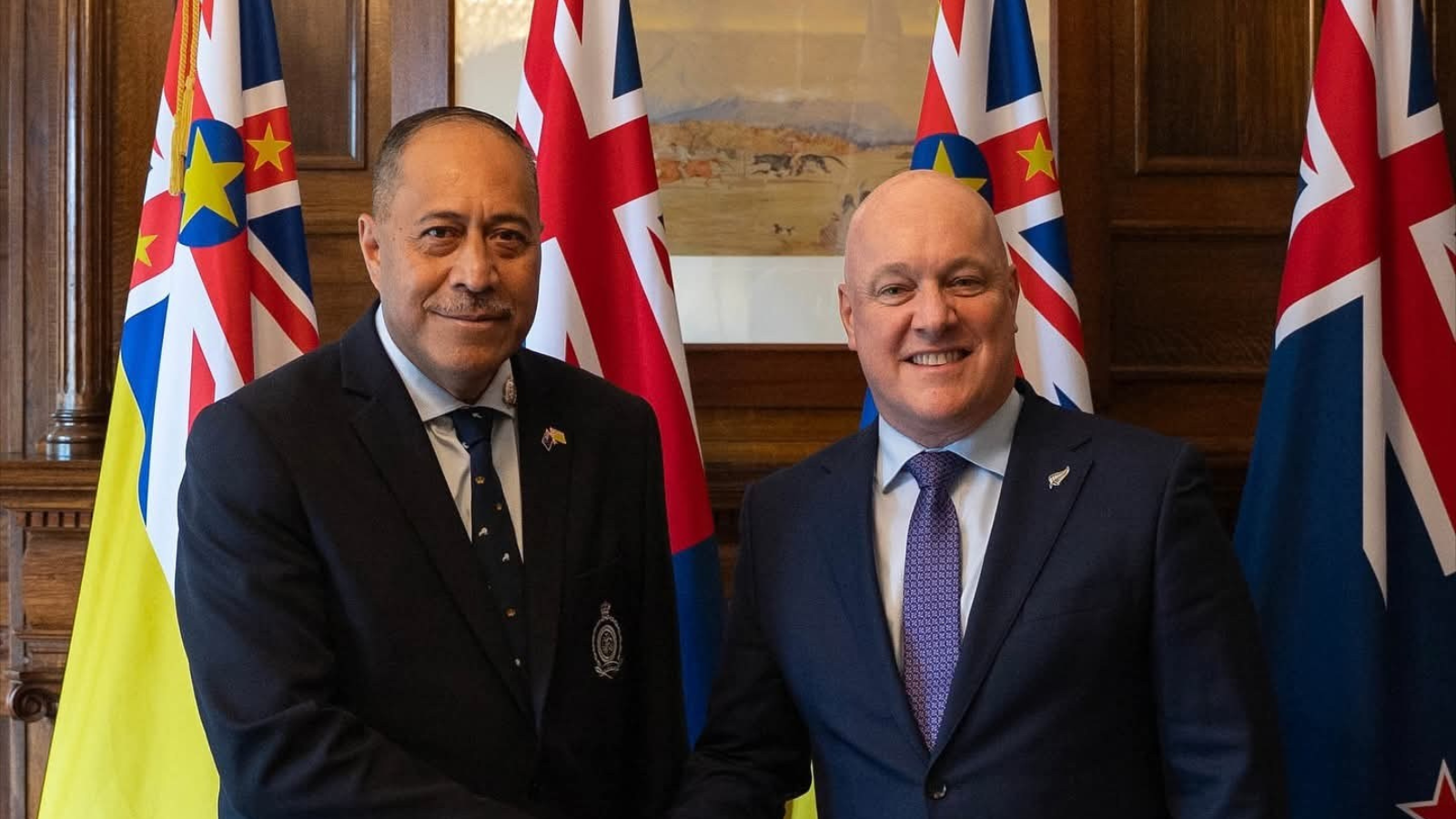
PM Dalton Tagelagi and PM Christopher Luxon at the Annual Leaders' Meeting in Auckland in November 2025. Photo/Christopher Luxon/Facebook
The vote coincides with a turning point in leadership. Prime Minister Tagelagi, who has been in office since 2020, told Pacific Mornings last month he may seek one more term before leaving politics.
“I think one more term will serve the purpose, but we’ll leave that decision to the people and those who get elected to the House,” he said.
Speaker Hima Ikimotu Douglas has confirmed he will leave politics, saying it was time to “hand it to somebody else” after a period of reform in the Assembly.
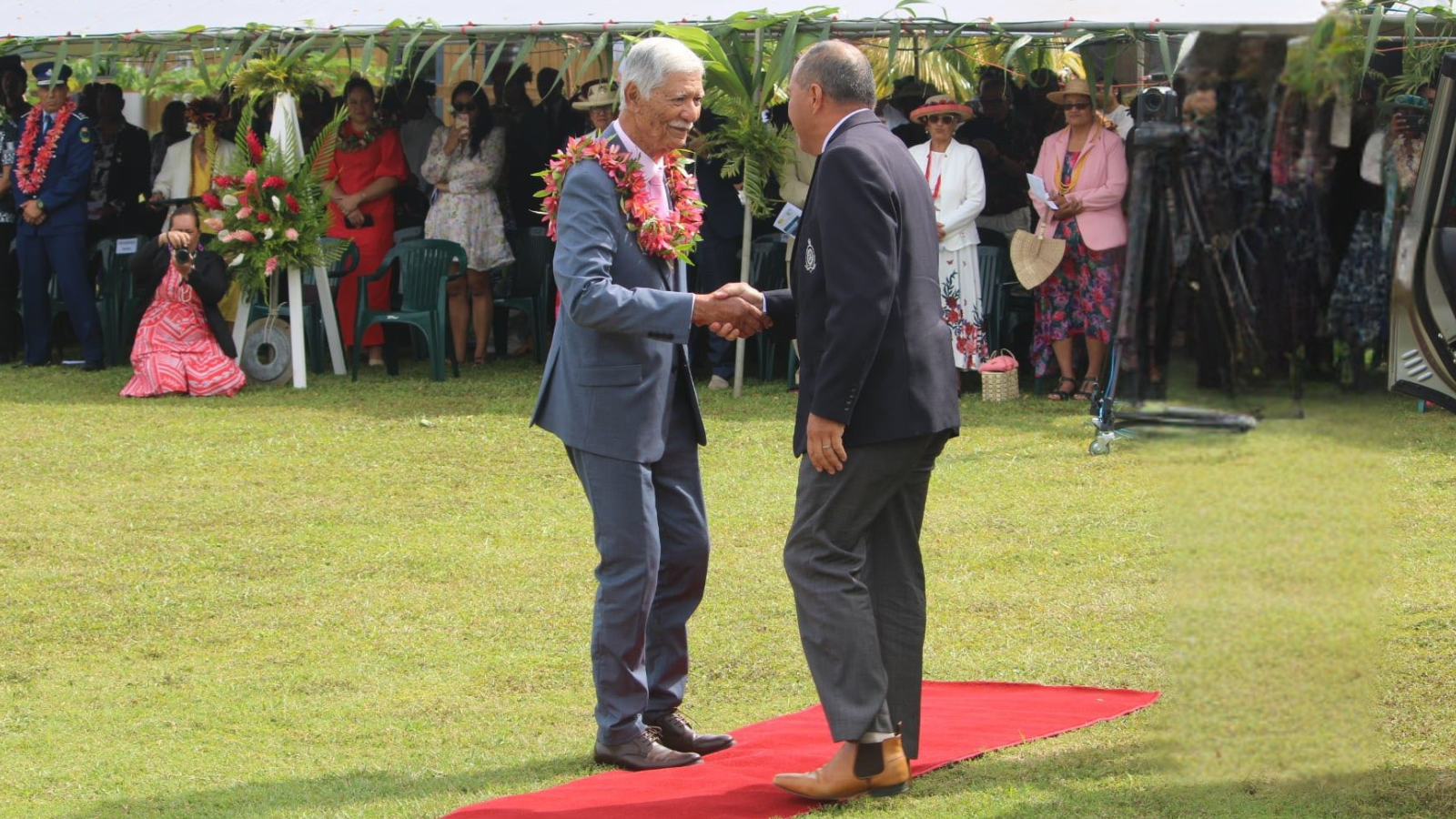
Speaker Hima Ikimotu Douglas and PM Dalton Tagelagi. Photo/Office of the Secretary of Government NIUE/Facebook
He said efforts were made during his six-year tenure to modernise parliamentary processes after years of outdated systems.
The dissolution formally ends the current parliamentary term and begins the election period, when candidates will contest seats across the country.
A full list of candidates has yet to be released. At the last general election in 2023, 1167 voters were registered with 840 valid votes cast - a turnout of 74 per cent - reflecting the small scale of Niue’s electorate.
Members are elected for three-year terms, with 14 representing village constituencies and six elected on a nationwide roll. With only 20 seats, small shifts in village electorates can quickly shape who forms the government.
Niue operates under a Westminster-style system, in which the Prime Minister is chosen by the Assembly after the election.
With a population under 2000, elections in Niue are closely tied to local communities where candidates are well known to voters. The country has been self-governing in free association with New Zealand since 1974.
Watch PM Tagelagi's interview on Pacific Mornings below.
Douglas issued the dissolution under Article 26(1)(b) of the Constitution of Niue, which allows the Assembly to be dissolved ahead of an election.
While the move is procedural, it signals the start of the campaigning and political activity, with candidate announcements and priorities expected in the coming weeks.
This election will test how Niue balances leadership continuity with fresh voices, while addressing the practical challenges of population decline, high import costs, and the island’s ongoing development needs.