
Kiribati clean up in Suva as Fiji Open delivers reality check ahead of 2027 Pacific Games
Elton Lonaratha JnrMon, 19 Oct
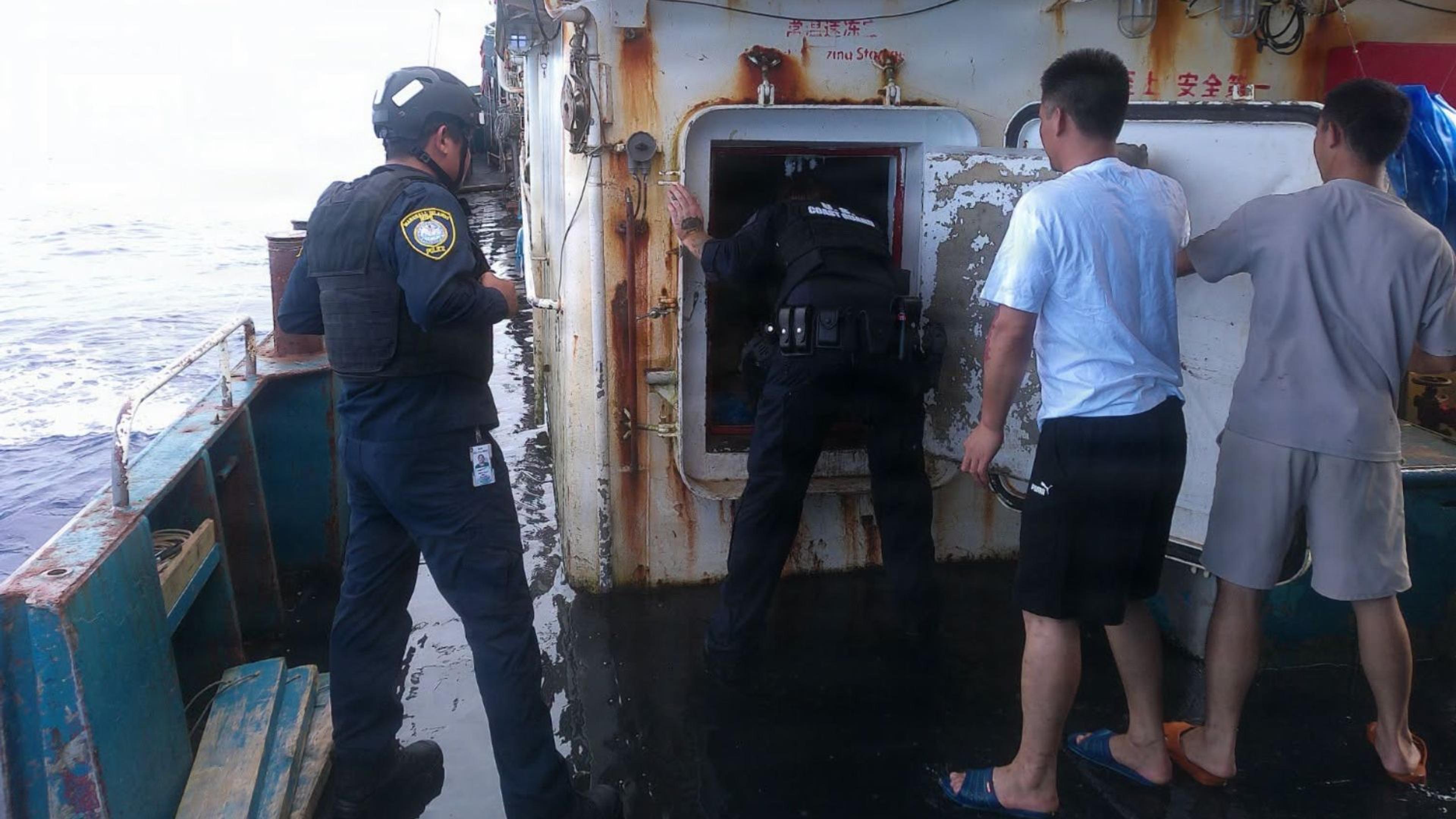
Foreign-owned logging camps and commercial fishing vessels across the Pacific remain under intense focus following Washington's warning that failure to crack down on forced labour could trigger a freeze on US foreign assistance.
Photo/Facebook/Pacific Islands Forum Fisheries Agency, FFA
Papua New Guinea, Solomon Islands, Kiribati, and Marshall Islands face looming funding threats unless local leaders crack down on logging and fishing exploitation.

Four Pacific nations are facing an urgent wake-up call over forced labour and sex trafficking across their logging, fishing, and foreign-owned industries.
Washington is warning that failure to clean up local operations could trigger a freeze on foreign assistance from the United States.
The warning follows the release of the US Department of State’s latest Trafficking in Persons report, which kept Papua New Guinea, Solomon Islands, Kiribati, and the Marshall Islands on its "Tier 2 Watch List".
While Washington acknowledged that Pacific governments are trying to tackle the issue, the region continues to fall short of minimum international standards to eliminate human trafficking.
Under US law, nations stuck on the watch list face an automatic downgrade to Tier 3, a classification that allows the US government to restrict non-humanitarian and non-trade-related funding.
At the heart of the problem is widespread exploitation hidden deep inside remote communities and out at sea.
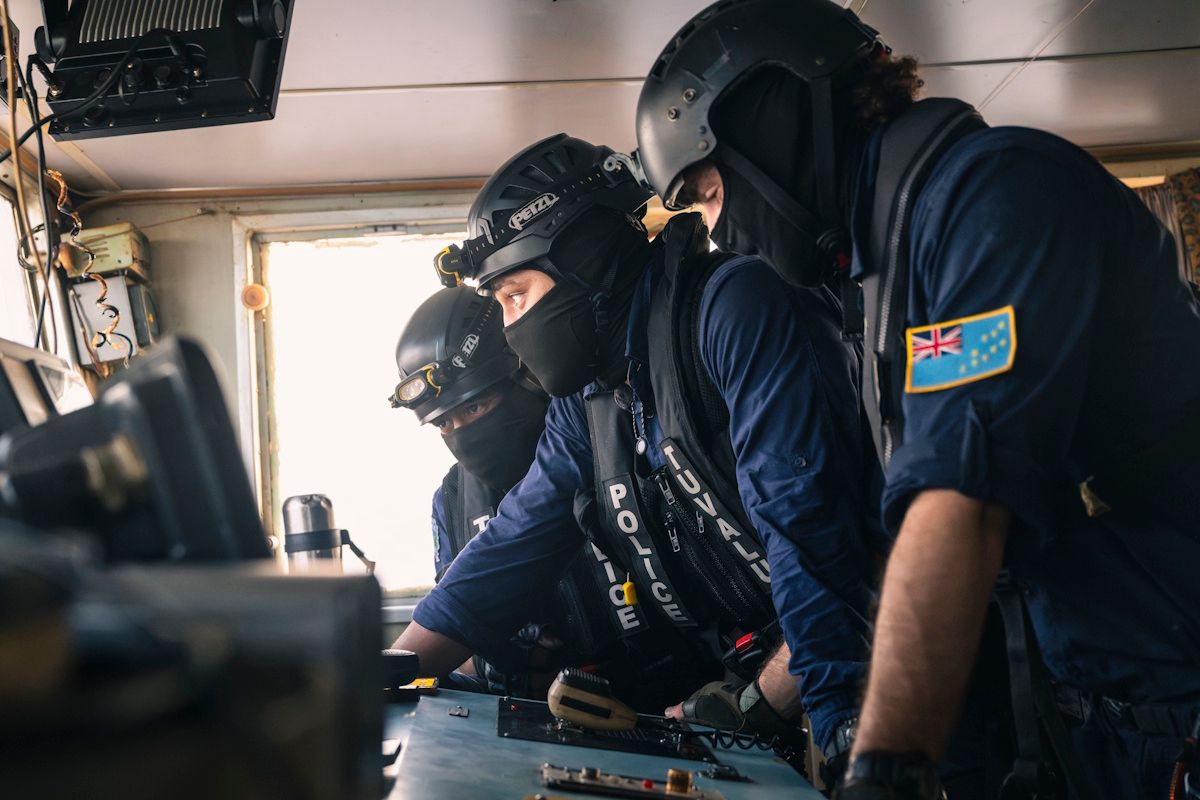
Police officers and border officials face immense challenges monitoring vast ocean territories and remote island communities as regional governments are urged to boost prosecutions and strengthen victim protection services. Photo/Supplied
The US report singled out logging camps, commercial fishing vessels, and foreign-owned operations as major hotspots for forced labour and sex trafficking.
US State Department spokesman Thomas Pigott highlighted the severe standards governments must meet, saying countries are placed on the watch list when "the absolute number of victims of severe forms of trafficking is significant or significantly increasing” or when “there is a failure to provide evidence of increasing efforts to combat severe forms of trafficking in persons from the previous year” or where compliance determinations rely on "commitments by the country to take additional specified steps over the coming year.”
Addressing the recent Pre-COP31 dialogue in Nadi, former Fiji Ambassador to the United Nations and regional diplomat Dr Satyendra Prasad emphasised that small island states need practical capacity and systemic support to manage compliance and protect vulnerable citizens rather than simply being subjected to international rankings.
"This time the Pacific did not turn up as spectators - not as communities to be piloted upon but as drivers who were framing, leading, implementing and learning as they did so."
Prasad's comments reflect a growing sentiment across the Blue Pacific that while regional governments acknowledge the severity of human trafficking, rigid international mechanisms often fail to account for severe resource gaps, geographical isolation, and vast ocean borders.
As the US report itself states: “Limited law enforcement resources, geographic isolation, lack of dedicated victim support services, and low prosecution rates continue to hamper effective anti-trafficking efforts in small island states.”
With international scrutiny sharpening, the report urges Pacific governments to urgently tighten local laws, train police and border guards to spot victims, and bring human traffickers to court.
For regional leaders, the pressure is now on to turn policy commitments into real convictions before the threat of US funding cuts becomes a reality.