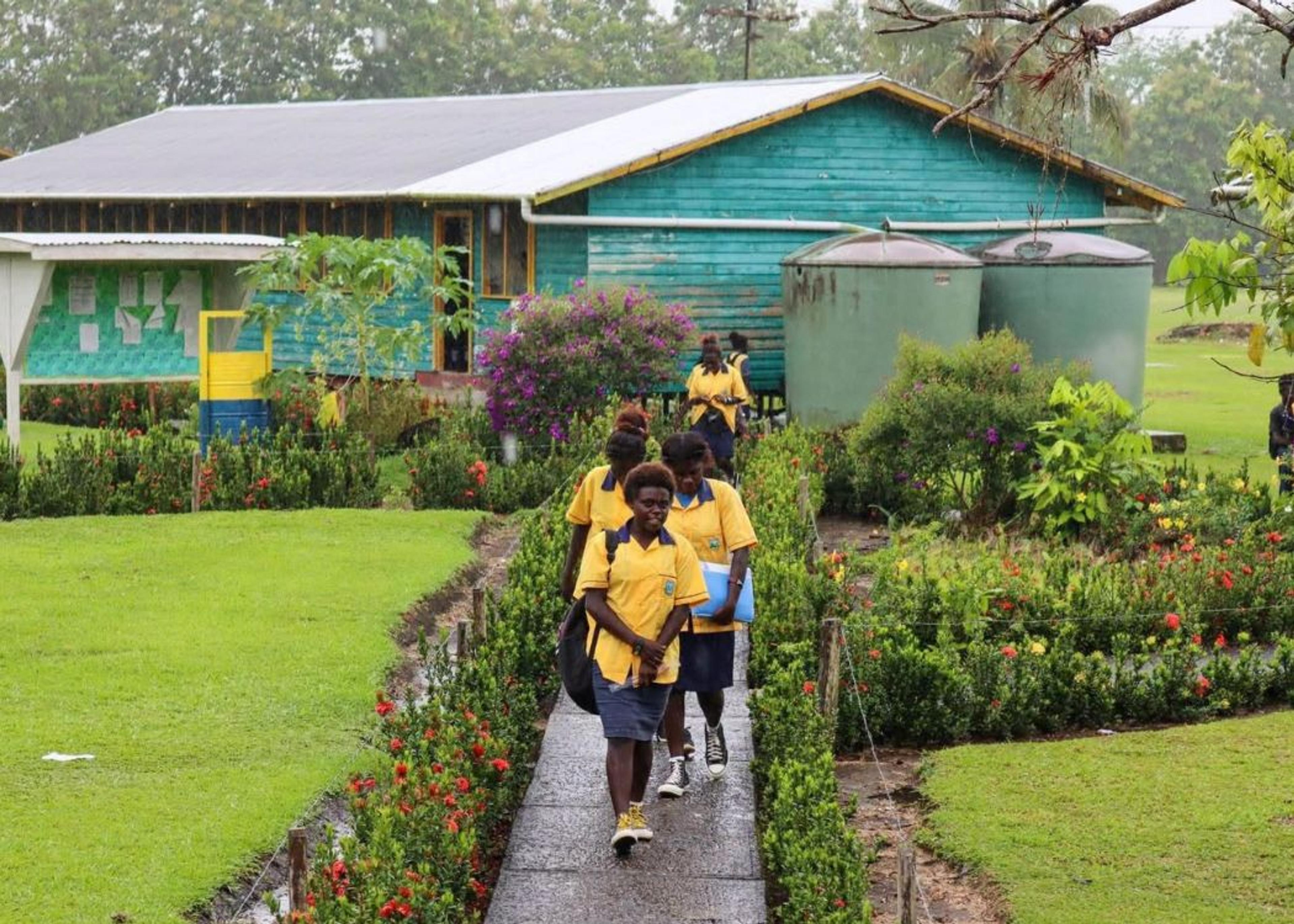

Pacific university students are among those who could benefit from pathways such as MAPAS, which aims to increase Māori and Pacific representation in the medical workforce.
Photo/Auckland University
Politics
MAPAS review remains behind closed doors as debate over Māori and Pacific doctors grows
David Seymour says its long-awaited report of Auckland’s Māori and Pacific medical pathways is with Associate Health Minister Matt Doocey and it is up to him to release it.

Thomas Tarurongo Wynne
Published
09 September 2026, 5:38pm
Share
Copy Link
Top stories
From Ōtara, NZ to Los Angeles: David Liti lifts up the next generation
Elton Lonaratha JnrMon, 19 Oct
Top stories
From Ōtara, NZ to Los Angeles: David Liti lifts up the next generation
Elton Lonaratha JnrMon, 19 Oct
The Government is still holding on to a review that could help answer a long-running question over the future of the Māori and Pacific Admissions Scheme (MAPAS).
Questions have been raised about whether the scheme is a race-based shortcut or a pathway helping build a medical workforce that remains badly underrepresented.
Associate Education Minister David Seymour was asked by Pacific Mornings' host William Terite where the Ministry of Health review had got to.
“It is currently sitting with Matt Doocey,” he said, referring to the Associate Health Minister. “And it's up to him to release it to the public.”
The review has become a key part of the debate over MAPAS, which was established in 1972 to support Māori and Pacific students into medical and health sciences at the University of Auckland.
Seymour says medical school entry should be based on academic results and interpersonal skills rather than ethnicity.
Watch David Seymour's full interview below.
“You shouldn't get in because you're Maori or Pacific,” he told Terite. “That is wrong.”
Seymour has been briefed on the review but says he has not read it in full. He did not dispute reports that it found the MAPAS had increased Māori and Pacific enrolment.
His concern is whether increased enrolment proves the scheme meets the test New Zealand accepted under the International Convention on the Elimination of All Forms of Racial Discrimination, which says race-based measures must be “targeted, temporary, and effective”.
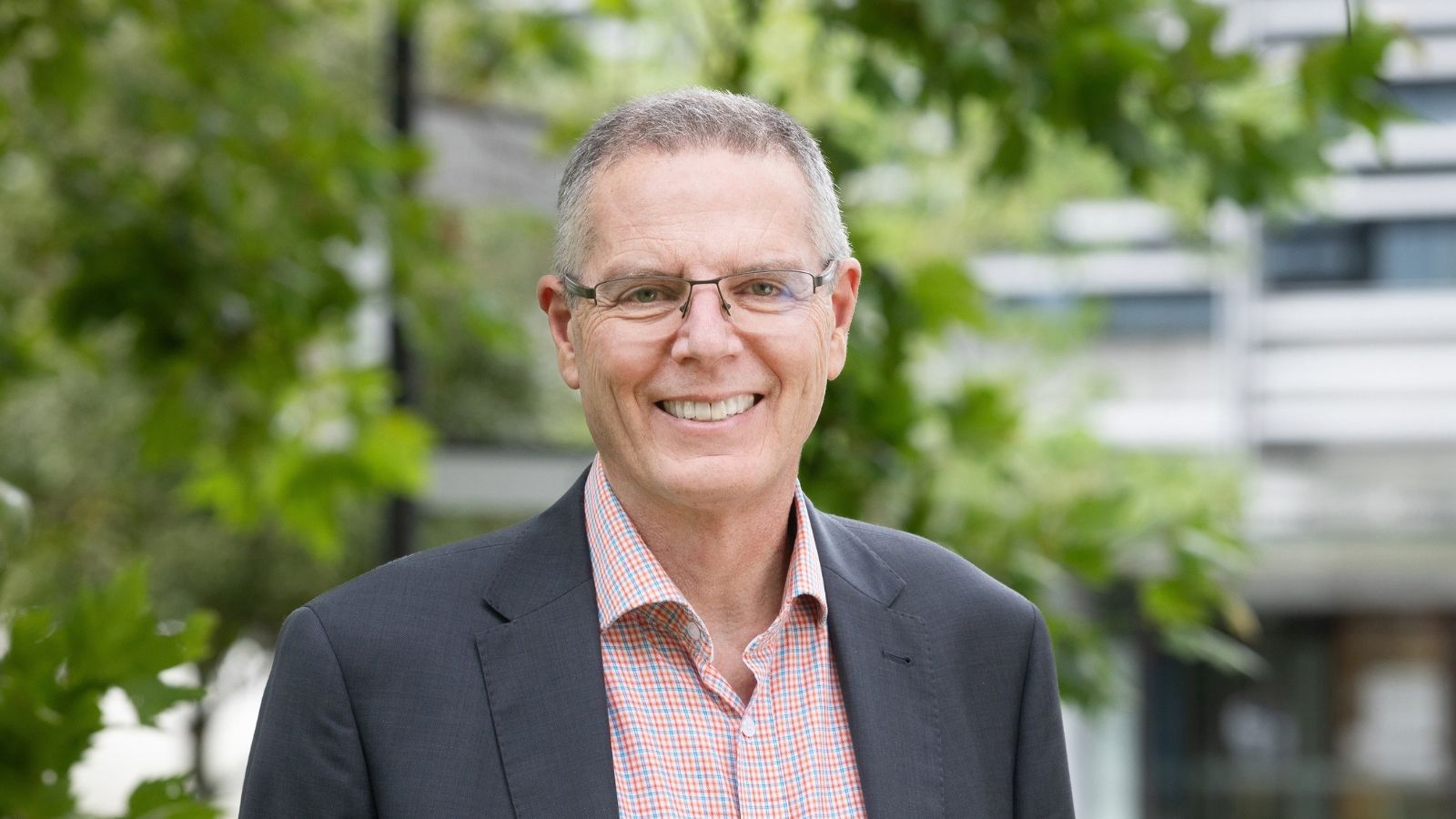
Professor Warwick Bagg has called for the Government’s review of MAPAS to be released publicly. Photo/University of Auckland
“They have not proven that,” Seymour said.
But Pacific health leaders say the numbers point to a much bigger issue.
Earlier this week, Sir Collin Tukuitonga, Associate Dean Pacific at Auckland University, told Terite that an independent review reportedly backs MAPAS and should be released so the public can see the evidence.
He warned that scrapping the scheme could mean losing doctors who are more likely to return to their communities and work in primary care.
“We lose the graduates who are Māori and Pacific, we lose the people who are more likely to go and work in their communities, we lose people who are more likely to work in primary care.”
Tukuitonga says the debate is about more than one university programme
Watch Sir Collin Tukuitonga full interview below
The University of Auckland has also called for the review to be released.
Professor Warwick Bagg, Dean of the Faculty of Medical and Health Sciences, says the public should be able to judge the findings for itself.
The university's figures show Māori make up about 5.8 per cent of the medical workforce and Pacific people 2.8 per cent, both well below their shares of the wider population.
The university says MAPAS does not lower the standards required to become a doctor. All students must meet the same academic, clinical, and professional standards to graduate.
Professor Papaarangi Reid, who leads the MAPAS and came through the programme herself, says the debate wrongly frames the scheme as simply selecting students because of their race.
“People like David Seymour,” Reid said, “like to frame what we’re doing as selecting medical students based on race.
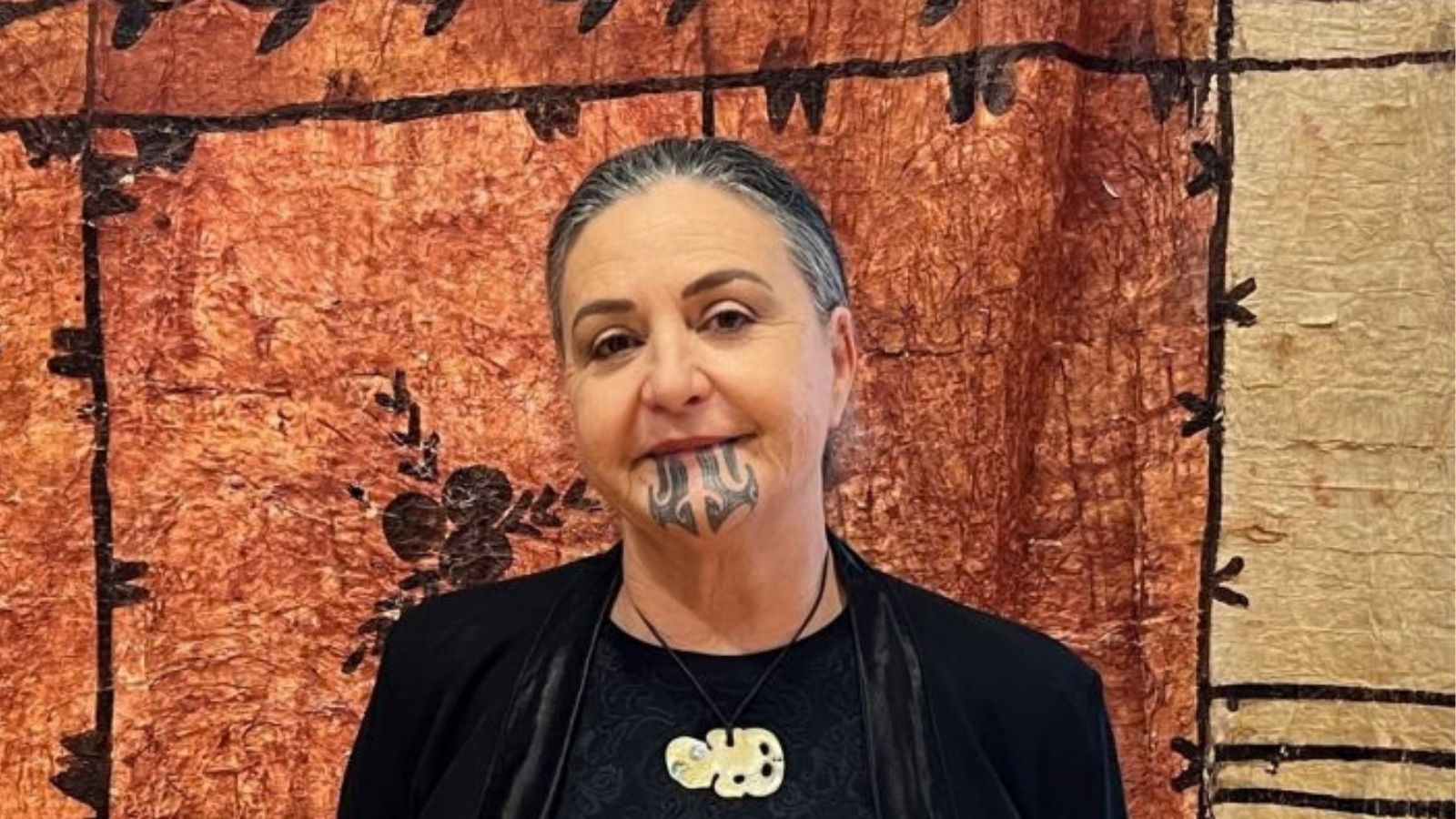
Professor Papaarangi Reid says framing MAPAS as race-based selection overlooks the barriers the programme was created to address. Photo/RNZ
“No, that’s actually the issue we’re trying to correct. The fact that historically our admissions processes have selected an overwhelmingly Pākehā student cohort and have produced an overwhelmingly Pākehā medical workforce.
She says the question is therefore not only who gets into medical school but who eventually becomes a doctor and where they choose to work.
During the same Pacific Mornings interview, Seymour was also asked about two former charter schools whose boards were recently removed over financial governance concerns.
He said the schools had not operated as charter schools for seven years, after converting to state schools in 2019 under a governance model approved by then-Education Minister Chris Hipkins.
In his words, the governance failures were “nothing to do with them being charter schools”.