
Fiji, New Zealand reset Duavata Partnership with focus on stronger trade and investment
Christine RovoiMon, 27 Jul

The Labour Party says if they are re-elected, that they will restore the Apprenticeship Boost scheme to a two-year subsidy.
Photo/Unsplash
A Māori and Pasifika Trades Training Initiative representative welcomes the proposed policy expansion, saying it will help Pacific communities interested in the career get their foot in the door.



A Pacific trades training representative says the Labour Party’s promise to restore the Apprenticeship Boost scheme is a positive move that will give Pacific workers a vital leg up.
The policy announcement comes as Labour Leader Chris Hipkins pledges to expand the scheme if elected in November.
Under the proposed plan, employers will receive NZ$500 a month for the first two years of an apprenticeship, extending the current one-year limit introduced by the National-led government in 2025.
Speaking with William Terite on Pacific Mornings, Samuelu Sefuiva, a representative of the Māori and Pasifika Trades Training Initiative, welcomes the proposal.
“Mainly because, certainly in Tāmaki Makaurau - Auckland, our people are at the bottom end of the unemployment level. We have horrible statistics, so anything to get people into the trades is a massive deal for us,” Sefuiva says.
He says the appetite for trade training among Pacific communities is strong.
Listen to Samuelu Sefuiva’s full interview below.
“So there's a lot of interest, not just from our young ones but also from our older Pacific people who are wanting to do a career shift.
The policy also includes a NZ$1000 grant for new apprentices to buy tools, funded mentoring through Industry Skills Boards, and an expansion of eligible trades to include road construction, water treatment, and hairdressing.

Sameula Sefuiva says there is a lot of interest in trades by Pacific people. Photo/Unsplash
In a media release, Melissa Ansell-Bridges, the Secretary for the New Zealand Council of Trade Union, also welcomes the announcement.
“We know from independent research that one reason apprentices don’t finish their qualification is the lack of support,” Ansell-Bridges says.
“Labour’s commitment to funded mentoring and structured guidance throughout an apprenticeship is exactly what is needed to turn enrolments into completions.”
Sefuiva says the previous reduction of the scheme to a single year for first-year apprentices caused significant harm to the sector.
“It was disappointing because if you're looking at the construction and infrastructure sector, there was a massive loss of apprentices that had taken that pathway, particularly Māori and Pacific people who have been on the apprenticeship programme.
“So it's a way of keeping our business owners and also our own people confident that what they start off on, that they'll be able to complete and qualify.”
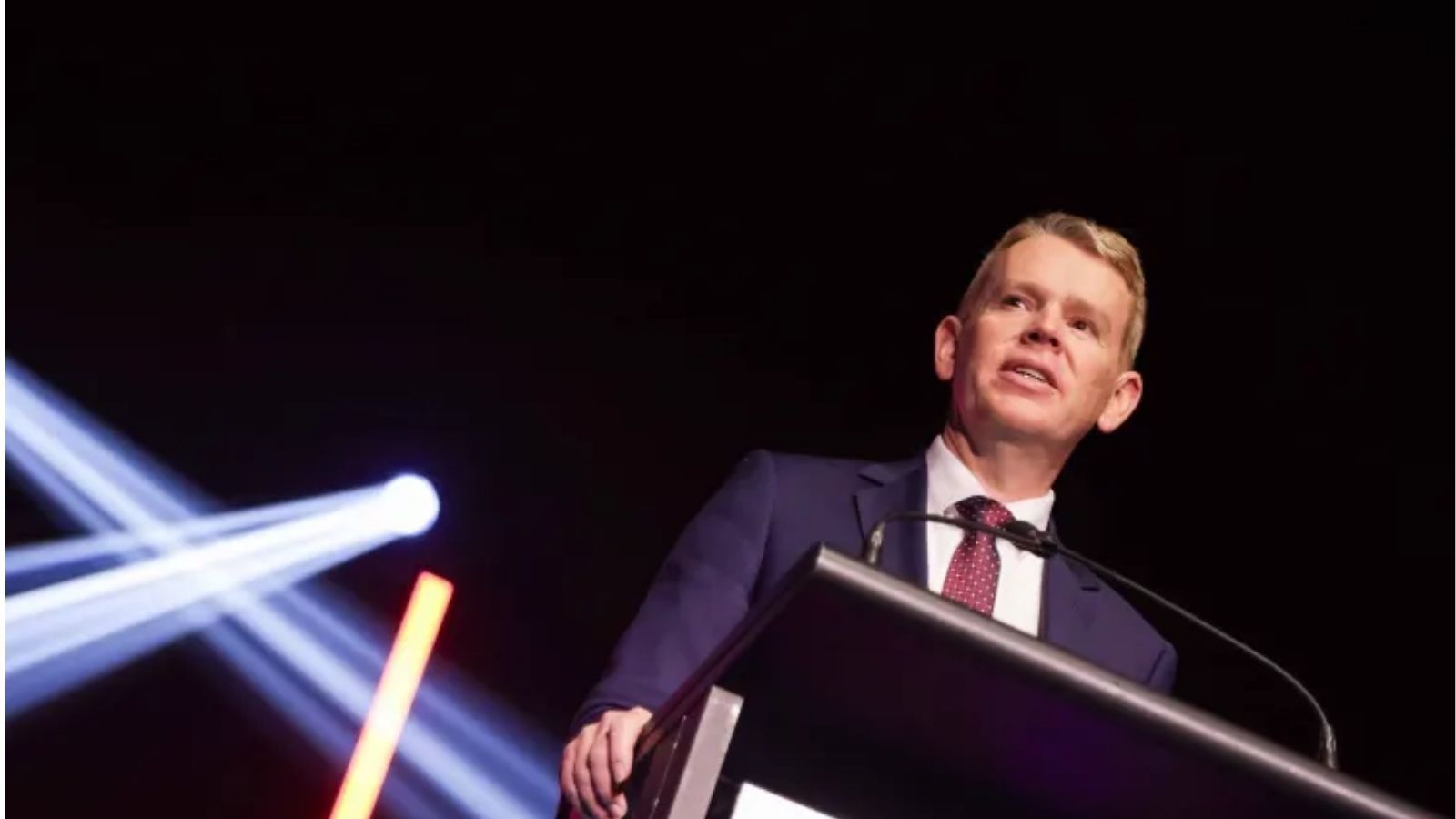
Chris Hipkins addresses the Labour Party congress in Wellington.Photo/RNZ/Samuel Rillstone
The Government defended its decision to reduce the scheme at the time, saying that the changes ensure public training aligns with the country's economic demands.
Tertiary Education and Skills Minister Penny Simmonds explained that narrowing the focus to first-year apprentices in targeted occupations provides employers in critical industries with the certainty to hire and retain new trainees.
To sustain the programme, the coalition agreement allocated NZ$64 million in Budget 2024 while modifying the settings to focus strictly on first-year placements.
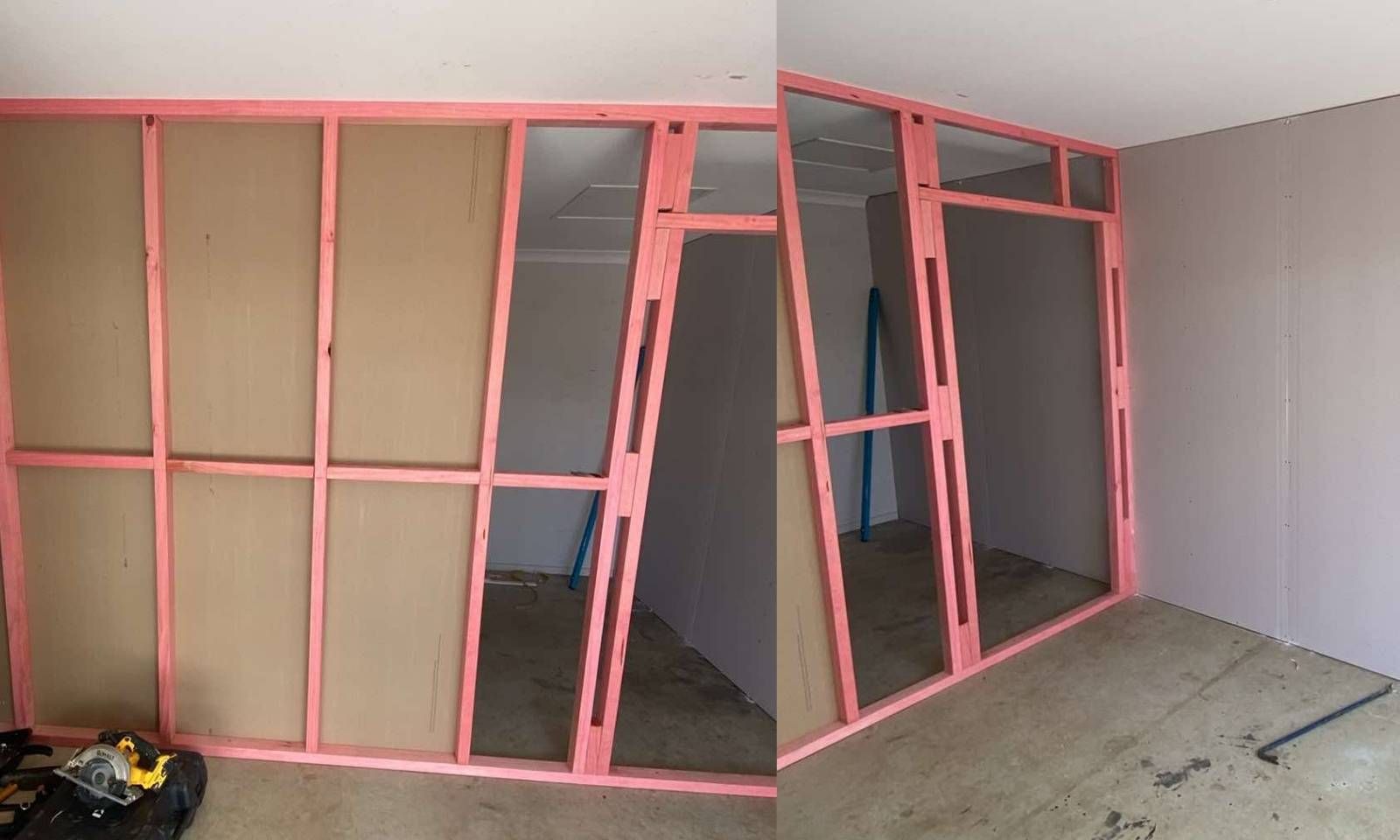
The Government modified the apprenticeship subsidy to focus strictly on first-year placements, defending the decision as a financially sustainable way to align public training with critical economic demands. Photo/File
While the policy eases pressure on youth unemployment, Sefuiva says long-term success still requires robust development in basic literacy, numeracy, and digital literacy skills.
“It's a new world compared to mine when we came through the working ranks. So it is a massive challenge for our youngsters coming through,” Sefuiva says.
The policy is expected to benefit 27,000 people by 2030/31, up from 9000 in 2025, costing an average of NZ$56.5 million a year.