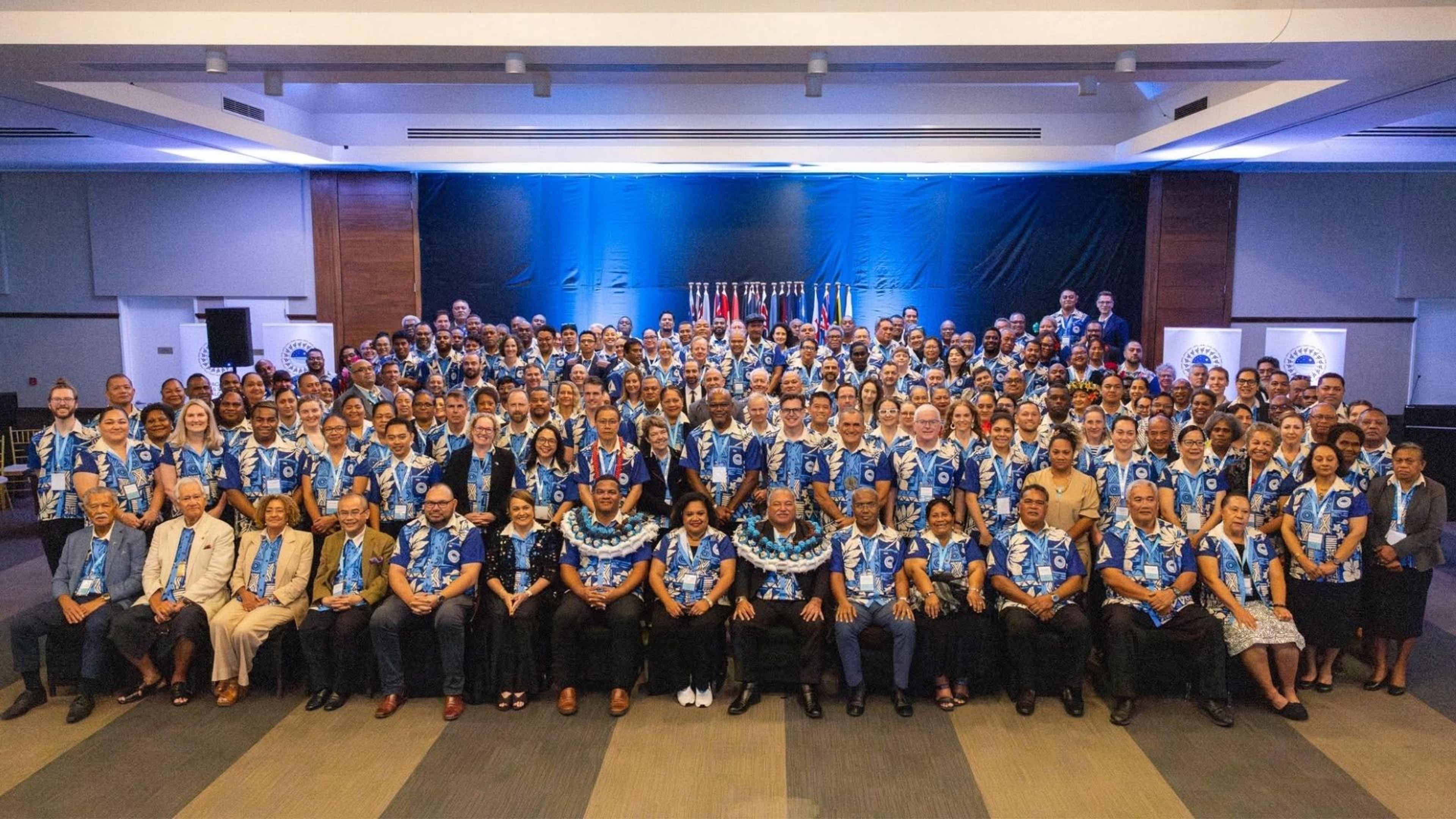
Delegates from across the Pacific gathered in Suva for the Pacific Peace and Security Dialogue where leaders called for a broader approach to security that reflects the everyday challenges facing island communities.
Photo/Facebook/Pacific Security College
Politics
From roaming dogs to a treaty: How a Niuean reality check reshaped region's security vision
A light-hearted comment from Niue’s police and disaster management minister about roaming dogs has highlighted a push for a broader definition of what keeps Pacific communities safe.

Christine Rovoi
Published
18 June 2026, 12:21pm
Share
Copy Link
Top stories
World Vision warns children will pay for aid cuts beyond the Pacific
Thomas Tarurongo WynneMon, 12 Oct
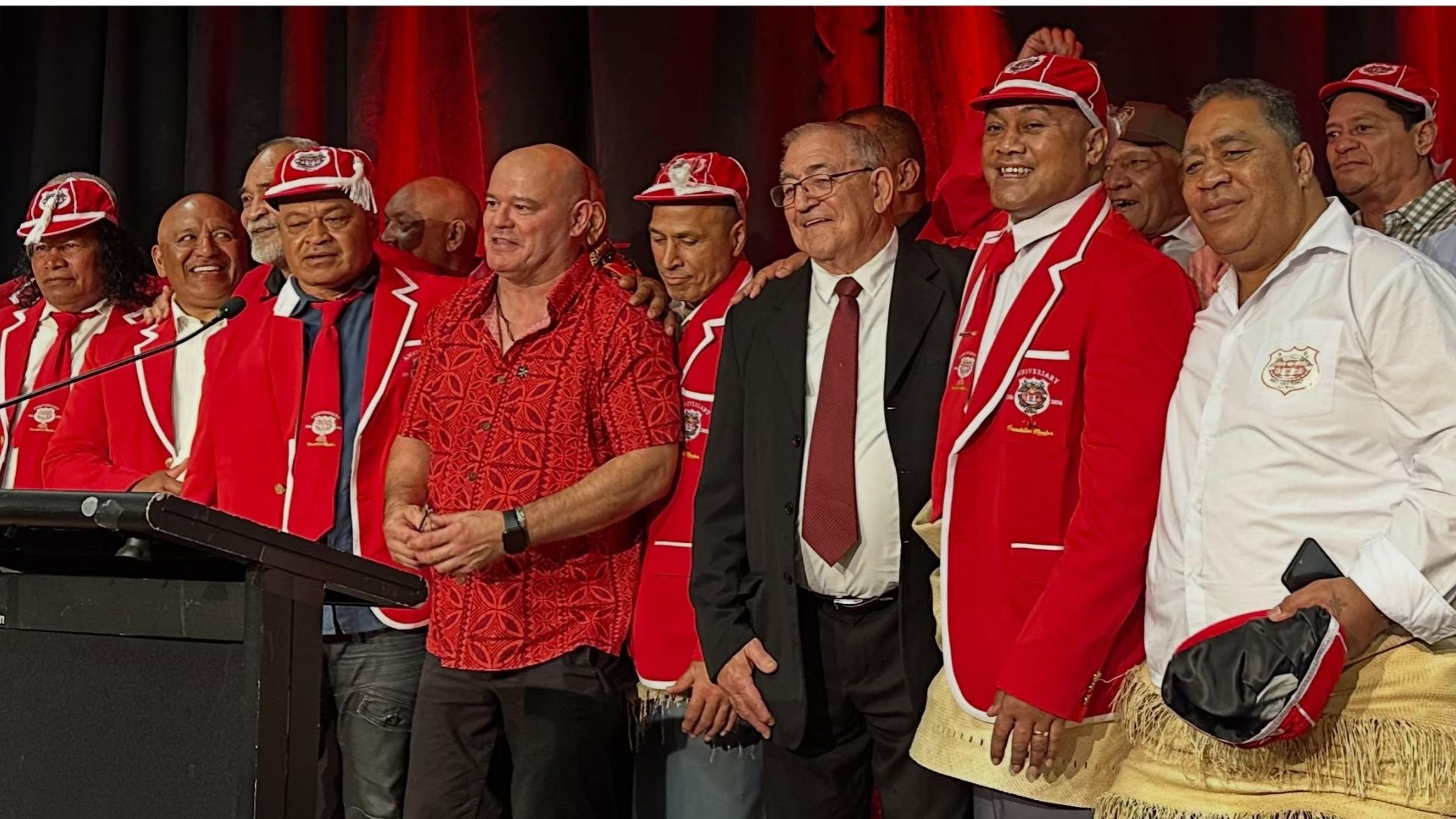
Mate Ma’a Tonga’s 40-year legacy lives on through generations
Elton Lonaratha JnrMon, 12 Oct
Top stories
World Vision warns children will pay for aid cuts beyond the Pacific
Thomas Tarurongo WynneMon, 12 Oct
Mate Ma’a Tonga’s 40-year legacy lives on through generations
Elton Lonaratha JnrMon, 12 Oct
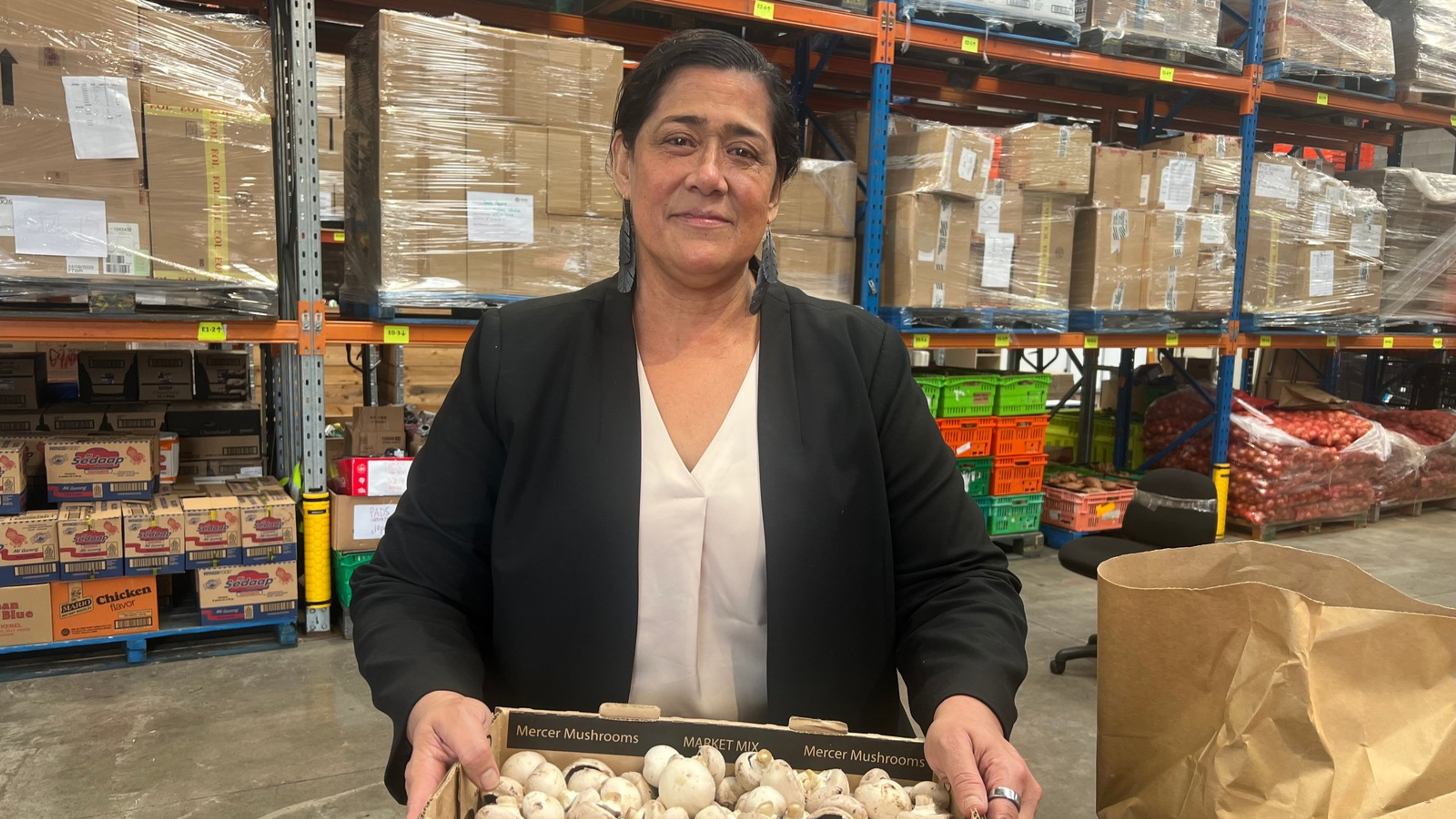
When Niue's Minister for Police and National Disaster Management, Richie Mautama, told a room of international defence strategists in Fiji that an unmanaged roaming dog population was the security threat keeping him awake at night, it raised more than a few smiles.
But as the three-day Pacific Peace and Security Dialogue came to a close in Suva on Wednesday, that comment captured one of the summit's biggest messages: Pacific security is about much more than military threats and geopolitical competition.
Senior Pacific leaders, academics and security experts used the final days of the dialogue to push for a broader definition of security, one that places community safety, climate change, resource protection and everyday wellbeing alongside traditional defence concerns.
While global powers often focus on military competition in the Pacific, delegates repeatedly argued that the region's security challenges look very different from the ground.
That thinking is now being reflected in some of the region's biggest new security initiatives.
One of the main outcomes of the dialogue was a proposal from the Pacific Security College to turn the region's Ocean of Peace vision into a legally binding international agreement.
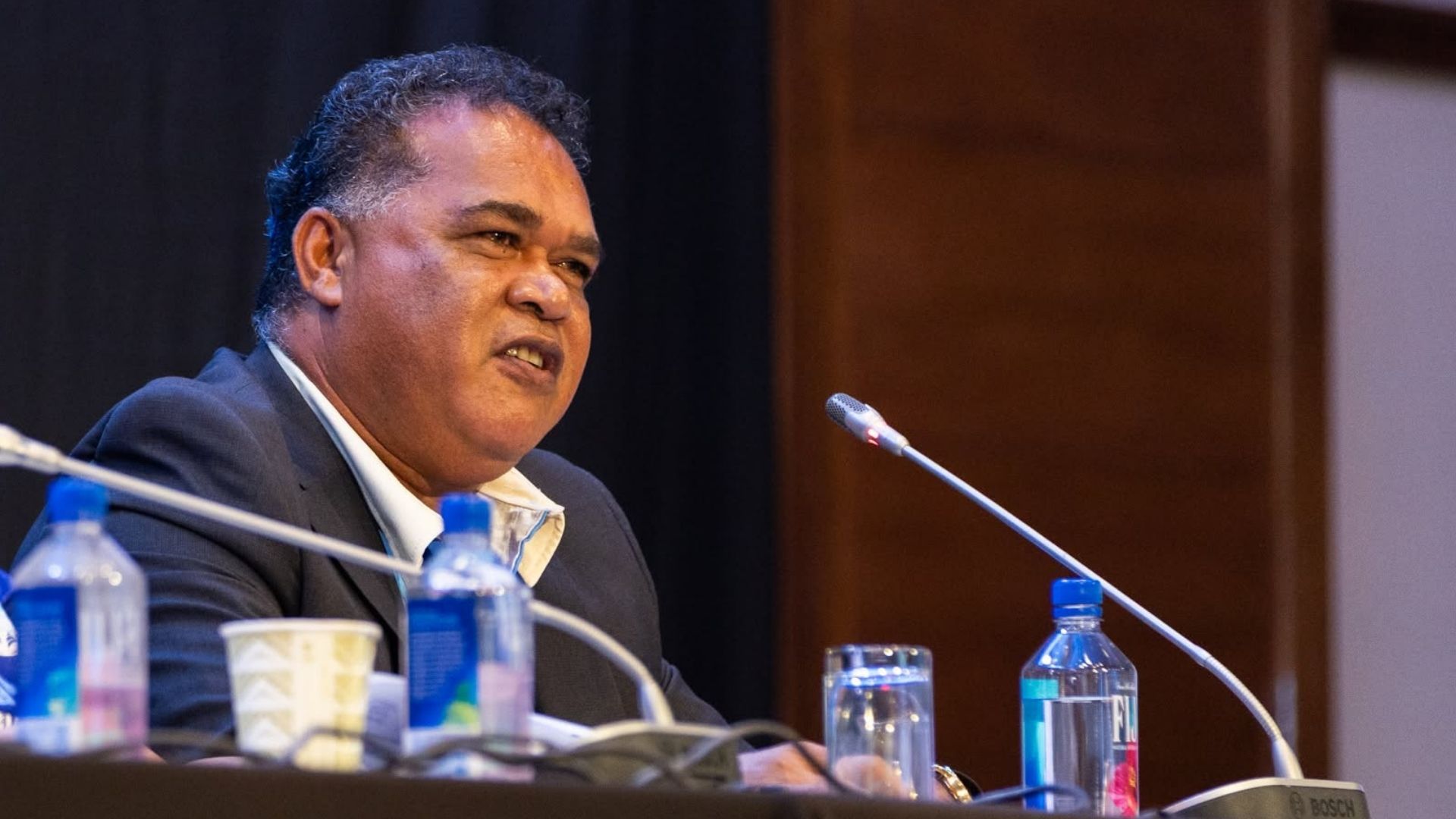
Niue's Minister for Police and National Disaster Management, Richie Mautama, drew attention at the Pacific Peace and Security Dialogue after highlighting roaming dogs as a key community safety issue, helping spark wider discussion about what security means for Pacific communities. Photo/Facebook/Pacific Security Council
The proposal, described as a possible "Rarotonga II" agreement - references the 1985 Treaty of Rarotonga - which established the South Pacific Nuclear Free Zone by creating stronger regional commitments around peace, security and sovereignty.
According to lead author Ben Burdon, the framework could include requirements for greater transparency around military activity in the region, stronger consultation on security agreements, and recognition of climate change as a peace and security issue.
Pacific Islands Forum Secretary-General Baron Waqa confirmed work is underway on a Regional Peace and Security Action Plan covering 2026 to 2030.
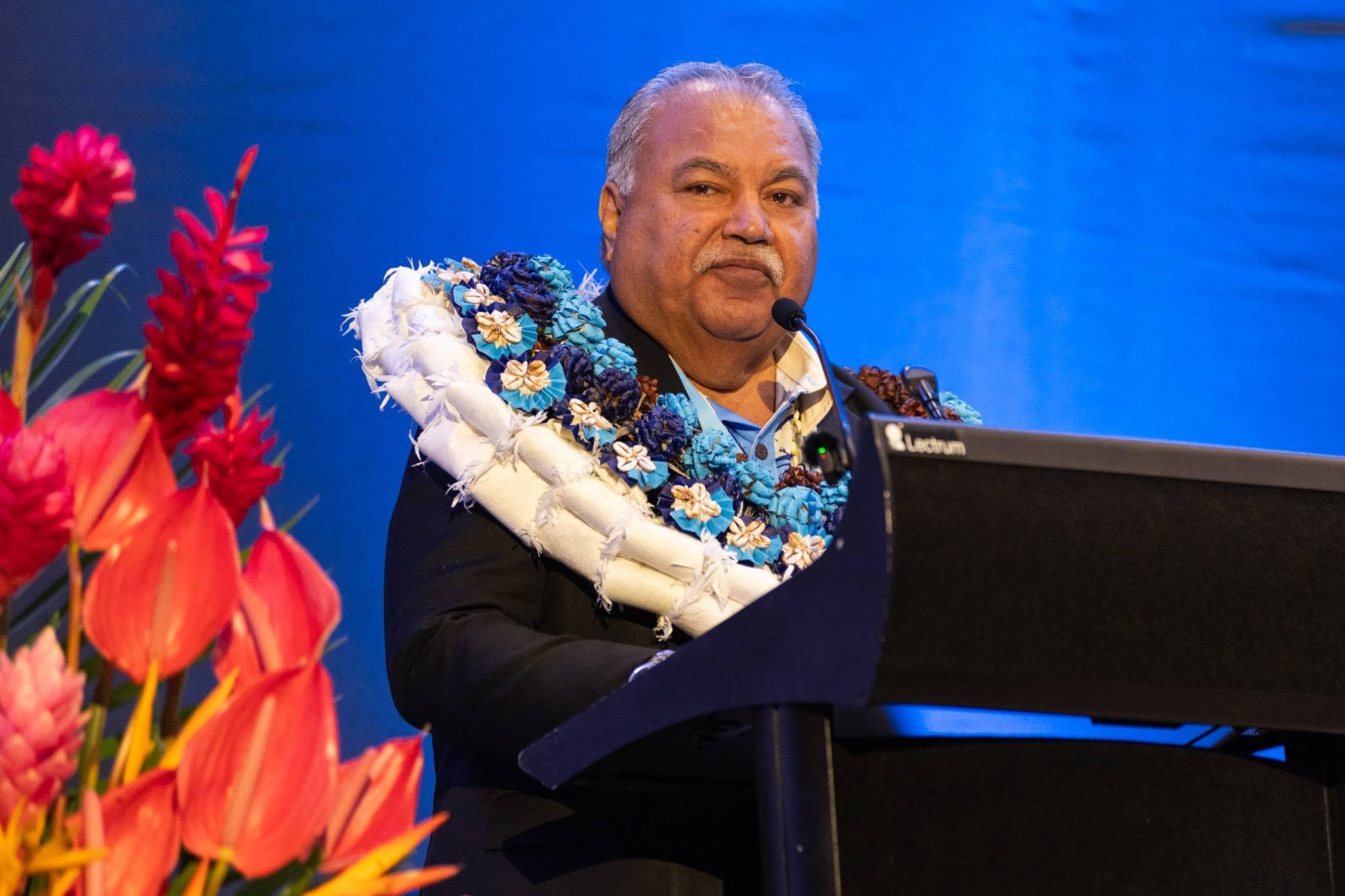
Pacific Islands Forum Secretary-General Baron Waqa says work is underway on a Regional Peace and Security Action Plan aimed at turning regional commitments into practical action across the Pacific. Photo/Facebook/Pacific Security College
The plan is intended to turn the Forum's Boe Declaration into practical action, focusing on issues including cyber threats, climate-related displacement and transnational crime.
Tuvalu's Minister for Transport and Energy, Simon Kofe, warned that a lack of coordination between Pacific countries is creating vulnerabilities that can be exploited by outside interests.
“Fragmentation is now one of the most persistent strategic vulnerabilities facing our region,” Kofe said.
He pointed to the success of the Parties to the Nauru Agreement tuna management system as an example of how countries can work together while maintaining control over their own affairs.
“In an interconnected world, sovereignty is often strengthened, not diminished, when states act collectively.”
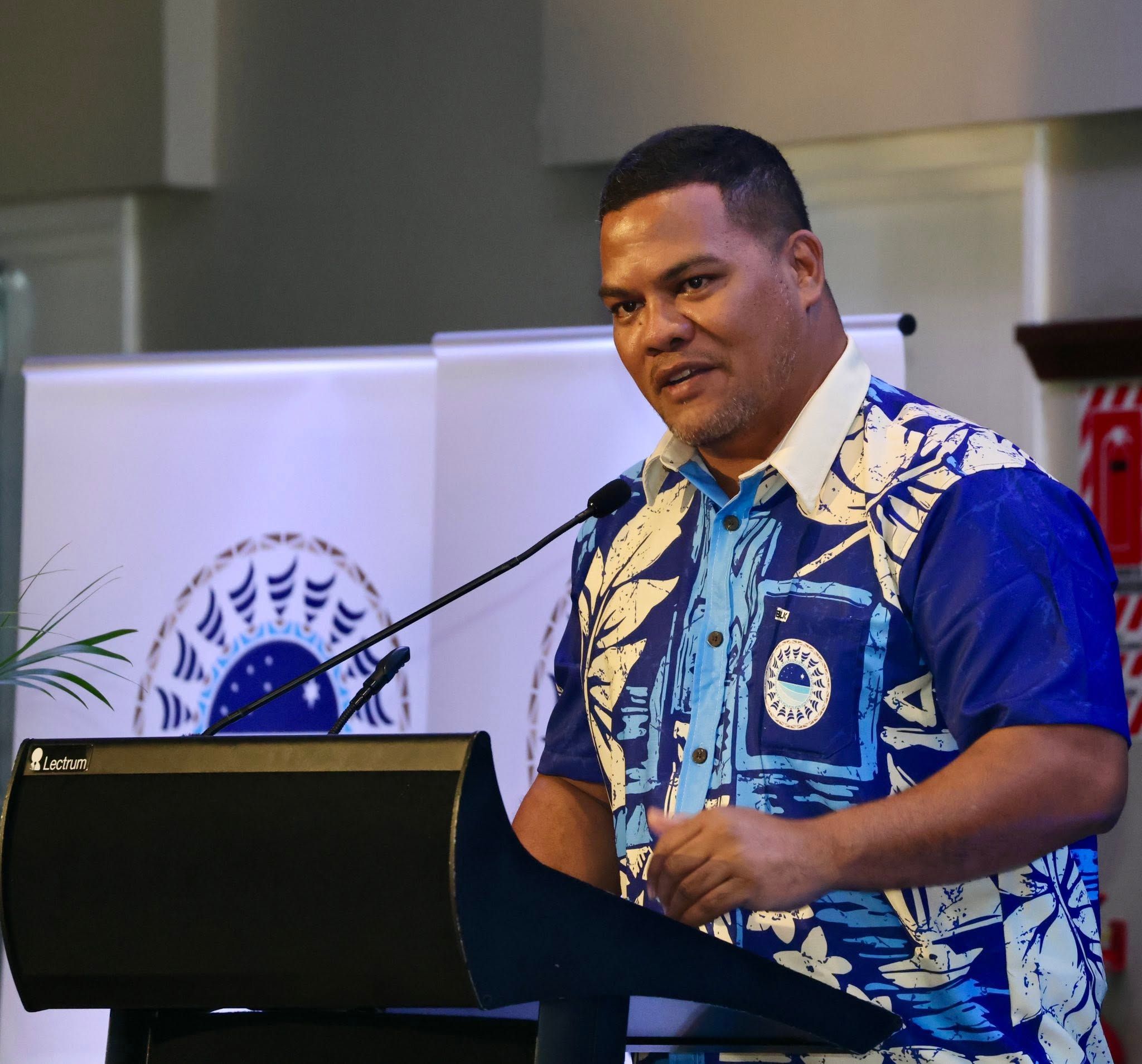
Tuvalu's Transport and Energy Minister Simon Kofe told delegates that stronger regional cooperation is needed to address shared security challenges and reduce vulnerabilities across the Pacific. Photo/Facebook/Pacific Security College
Solomon Islands National University Vice-Chancellor Dr Transform Aqorau said regional security efforts must ultimately deliver results for ordinary people.
“Too often, discussions about peace and security are dominated by geopolitical competition, military tensions, strategic interests, and high-level policy debates,” Aqorau said.
“Yet for many Pacific communities, security is not an abstract concept. It is deeply personal, local, and immediate.”
Watch Fiji's Permanent Secretary for Policing, Berenado Daveta, addressing the media following the Pacific Peace & Security Dialogue in Suva on Tuesday below.
As delegates left Suva, there was broad agreement that any future Pacific security framework must reflect the realities faced by communities across the region, whether that involves protecting fisheries, responding to climate threats, tackling crime, or addressing local public safety concerns.
The challenge now will be turning the ideas discussed in Suva into action.
For Pacific leaders, the message from Suva was clear: a regional security strategy will only succeed if it addresses the challenges people face every day, not just the ones dominating international headlines.