
UN warns Pacific faces growing threat from global scam syndicates
Christine RovoiThu, 23 Jul

Green Party Immigration spokesperson Ricardo Menéndez March and ACT Party Immigration spokesperson Dr Parmjeet Parmar.
Photo/Supplied
A $2000 yearly tax and a new hunt for overstayers are at the heart of ACT’s migration reset.



A proposed $6-a-day tax on workers and a new crackdown on overstayers have sparked a war of words, with warnings that Pacific families are being targeted while wealthy investors get a free pass.
The Green Party has criticised the ACT Party’s new six-point immigration policy plan as a “punishment” for those providing the muscle for New Zealand’s economy.
The policy includes a dedicated enforcement unit to hunt down overstayers, a five-year wait for welfare, and tougher English-language rules that could force essential workers to prove their proficiency through complex writing tests.
In an interview with William Terite on Pacific Mornings, Green MP Ricardo Menéndez March says ACT’s immigration proposal creates a “second tier” system.
He says it makes no sense to demand high-level English from the very people helping to fix New Zealand’s national bus driver shortage.
“Right now, they're expected to have a post-graduate level of English, be able to write essays under time pressure, whereas multimillionaires coming here under the Golden Visa do not have to speak a word of English.
Listen to Ricardo Menéndez March's full interview below.
“I don't think it makes sense to make Pasifika workers, for example, coming here to help us in some of our industries to expect them to have a level of English that has nothing to do with their work,” March says.
‘All this will do is punish low-wage workers, workers from the Pacific, and others.”
The "two-track" system is a major concern for Pacific leaders. They argue that while our neighbours provide the labour for our farms, buses, and hospitals, they are being met with more barriers than ever before.

ACT Party leader David Seymour. Photo/Supplied
The ACT Party’s six-point plan includes:
Deporting residents convicted of offences carrying sentences of 10 years or more, regardless of how long they have lived in New Zealand
Requiring regular reviews of skill shortages for work visas
Introducing a five-year welfare stand-down for new residents
Adding a $6 per day infrastructure levy on temporary work visas
Expanding English language requirements
Establishing a dedicated overstayer enforcement unit
The proposal also raises serious questions for long-standing Pacific migration pathways.
Schemes like the Recognised Seasonal Employer scheme (RSE), the Sāmoan Quota, and the Pacific Access Category are the lifeblood of many island economies.
If new levies and language barriers are slapped onto these pathways, critics warn the "New Zealand dream" will become too expensive for many Pacific families to reach.
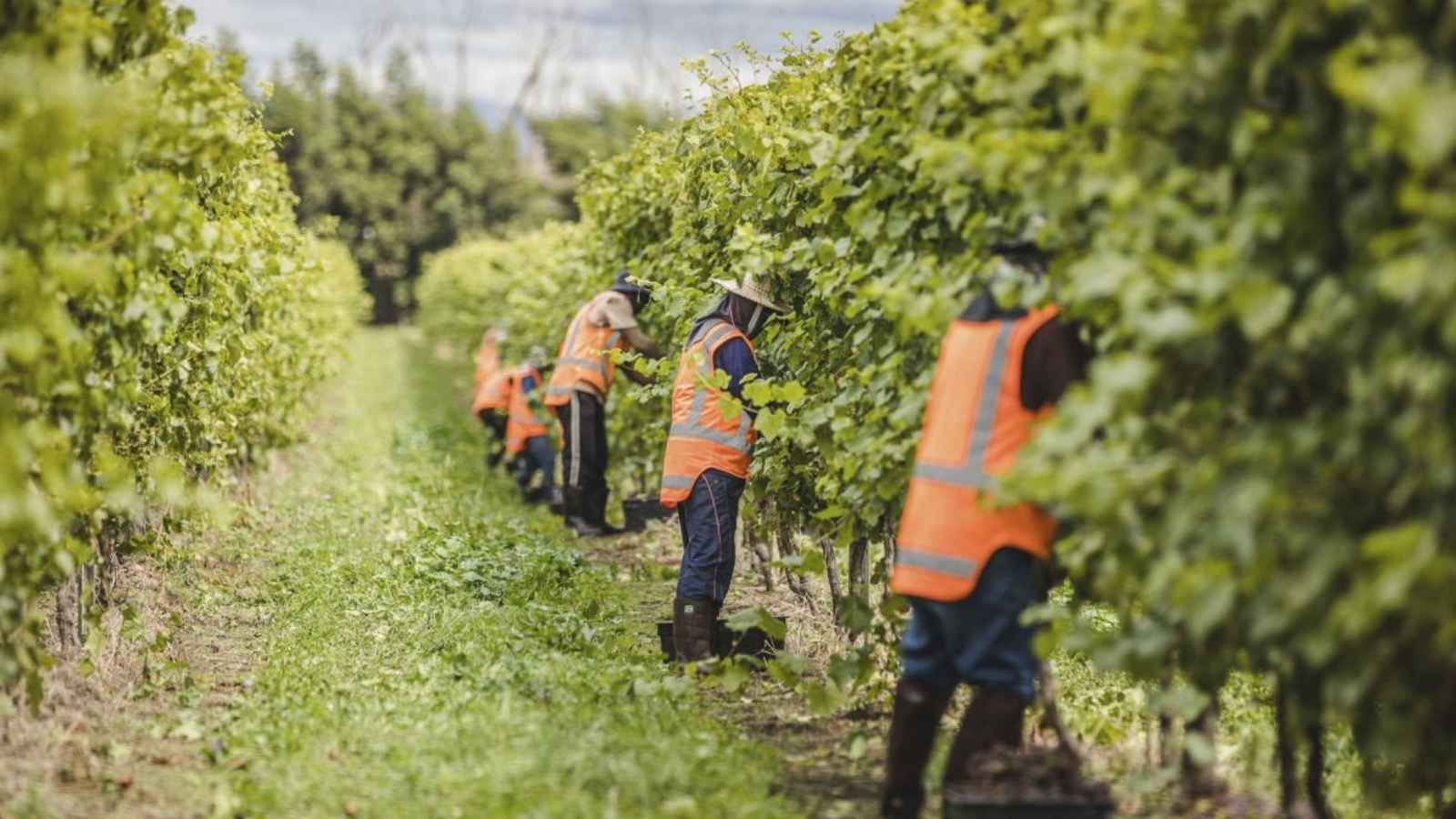
The Recognised Seasonal Employer (RSE) scheme in New Zealand is an immigration program allowing horticulture and viticulture industries to recruit workers from Pacific nations when local labor is insufficient. Photo/File
Speaking in Whangarei, ACT leader David Seymour says the changes are about restoring balance and ensuring Aotearoa has the infrastructure to cope with its population.
“The rate of settlement has overwhelmed the ability to provide infrastructure,” Seymour says. “The way one economist put it to me, we’re forced to widen our capital base when we need to deepen it.
“We have to keep building the same stuff for more people, instead of getting richer.”
One of the most controversial points is a dedicated unit to find the country’s 21,000 overstayers.
While ACT MP Parmjeet Parmar rejected the comparisons to the Dawn Raids of the past, she told Terite the law must be enforced.
“We are just making sure that those laws are enforced properly… we need to be respectful to each and every migrant and make sure that everybody who is here is in a legal capacity,” Parmar told Terite.
Watch Dr Parmjeet Parmar's full interview below.
She also defended a plan to deport residents who commit serious crimes, no matter how long they have lived in the country.
“Time should not be an excuse… people should be accountable for any very serious offending.”
The policy would also force new residents to wait five years before they can access any welfare support including the accommodation supplement or jobseeker help.
Parmar says this is about ensuring people can "self-sustain” and contribute before they receive help.
But with the cost of living rising, the Greens argue that political leaders should be fixing housing and healthcare rather than "dividing communities”.
March warned that at a time when people are struggling, it’s easy for politicians to use migrants as a scapegoat for deeper problems in the system. “But that doesn’t fix housing, jobs, or healthcare,” he said.
Watch David Seymour's most recent interview on Pacific Mornings below.
As the debate continues, Pacific workers remain in the middle wondering if their hard work for New Zealand will be rewarded with more fees or a fair go.
He said political leaders should focus on addressing systemic issues rather than “dividing communities”.
Parmar said immigration should not be feared but better managed, arguing the goal is to restore public trust in the system.
“We live in a globalised world… we should not be scared of immigration. But what we want to see is that our immigration system is working for us.”