
Pacific rugby unions back Kanaloa bid as Moana Pasifika future hangs in the balance
Christine RovoiWed, 27 May

Pacific households are expected to feel the impact of inflation more sharply.
Photo/MPP
GDP grew in the December quarter, but rising fuel and food prices hit Pacific households hardest.

For many Pacific families in New Zealand, the economy’s recovery is already feeling distant.
New Zealand’s gross domestic product (GDP) rose 0.2 per cent in the December 2025 quarter, marking growth in three of the past four quarters and the first annual increase since late 2024, according to Stats NZ.
But for households facing rising fuel and food costs, the numbers on paper offer little relief.
The recovery remains uneven. Construction activity is down, business investment is weakening, and household spending has edged lower.
GDP per capita was flat, meaning the average person is not seeing real growth in income despite the overall increase in the economy.
The figures are a snapshot of the end of 2025, but the outlook for early 2026 is shifting, Kelly Eckhold, Westpac’s chief economist, told Pacific Mornings.

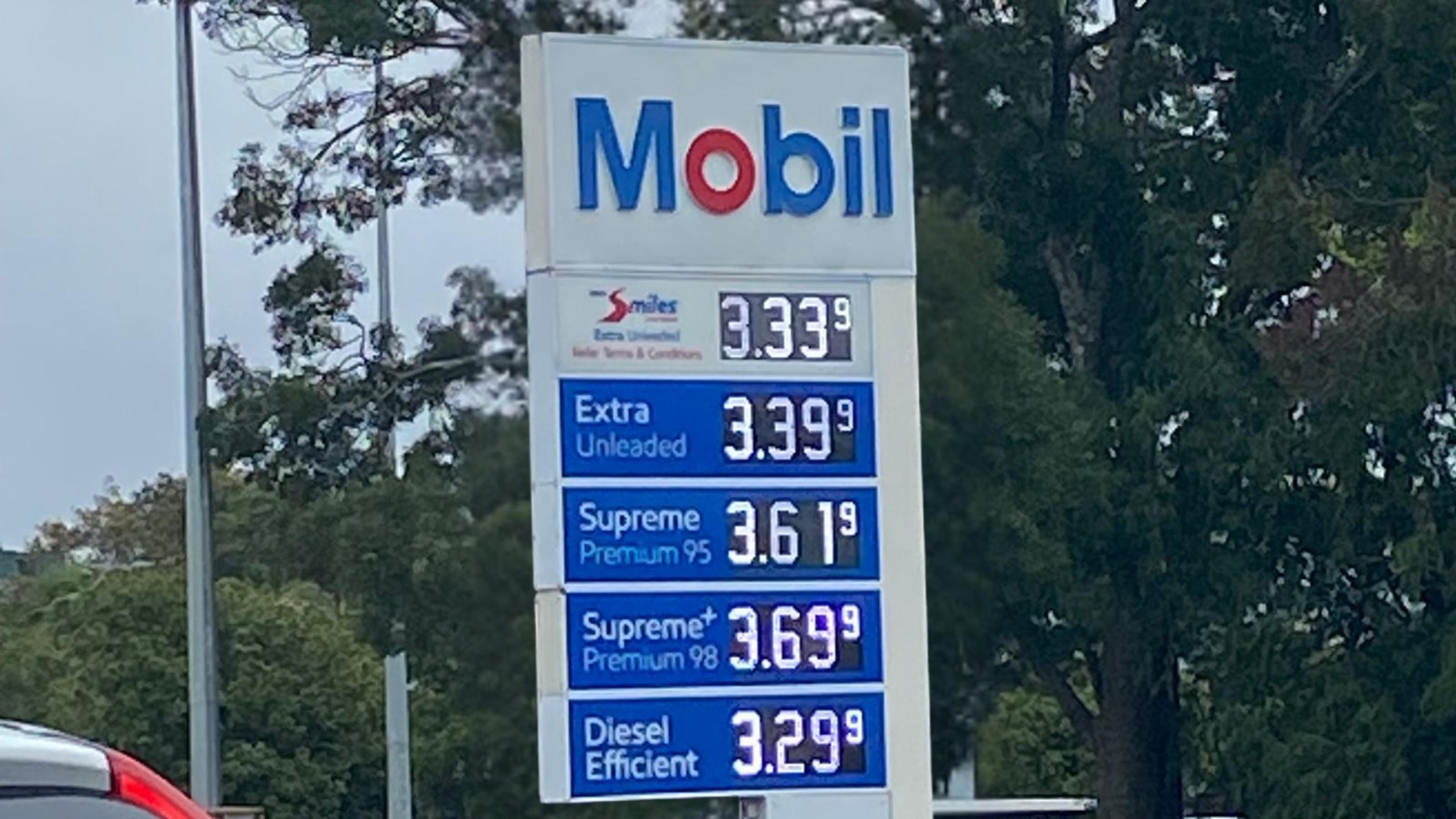
Economists warn petrol prices could reach NZ$3.25 to NZ$3.30 per litre. Photo/Te Ao News
Rising fuel prices, driven by global instability, are expected to push inflation higher than previously forecast.
Eckhold warns petrol prices could reach NZ$3.25 to NZ$3.30 per litre. “It hits Kiwis in the pocket… and a whole lot of other things that you go to buy are going to start going up,” he said, pointing to fuel surcharges and rising global food prices flowing through to local costs.
Eckhold said Westpac has revised its outlook, with inflation now likely to remain above three per cent for much of the year, rather than easing closer to the Reserve Bank’s target band.
“We’ve had to make some reasonably significant upgrades to our inflation forecast… we now expect it to stick around over three per cent,” he says.
“It’s all a bit out of the rear-view mirror. We’re really thinking about what’s going to happen in the next six months.”
Pacific households are expected to feel the impact more sharply.
Listen to Kelly Eckhold's interview below:
Stats NZ data shows Pacific people have lower median incomes than the national average and a recent Hunger Monitor report found about two-thirds of Pacific households experienced food insecurity last year.
Labour economic spokesperson Barbara Edmonds says families are already struggling, with food prices rising 4.5 per cent over the past year.
“Mince is up 23 per cent… fruits and vegetables are up more than nine per cent,” Edmonds wrote on Facebook, arguing the government has failed to ease pressure on households.

Edmonds says every day New Zealanders are paying more and more for groceries, at the pump, and on their energy bills. Photo/Facebook
She says stronger cost-of-living measures could have helped families sooner.
National-aligned political commentator Angee Nicholas says the government is navigating a difficult global environment.
“This is something that’s out of our control,” Nicholas says. “What we can focus on is how can we protect New Zealanders?”
She said rising costs remain a “real pain point” but defended the government’s economic management.
Finance Minister Nicola Willis told Pacific Mornings the government is looking at ways to help, with targeted support for low and middle-income workers. But broader measures like cutting fuel taxes are unlikely.
While GDP growth shows recovery on paper, economists warn the rebound could stall as confidence weakens and global uncertainty continues.
Watch Angee Nicholas' interview below:
Eckhold says the economy may “take a bit of a pause” over the coming months, delaying a broader recovery.
“Things are going to get a bit tougher for everyday Kiwis for the next few months,” he says.