
Kiwis suffer last-gasp heartbreak as the Kangaroos snatch World Cup opener
Christine RovoiFri, 16 Oct

Labour MPs Kieran McAnulty and Lemauga Lydia Sosene voted differently on changes to alcohol sales on public holidays.
Photo/Composite
As daylight saving time ends and new alcohol laws change, Easter weekend in Aotearoa will look different for families, communities, and hospitality venues.


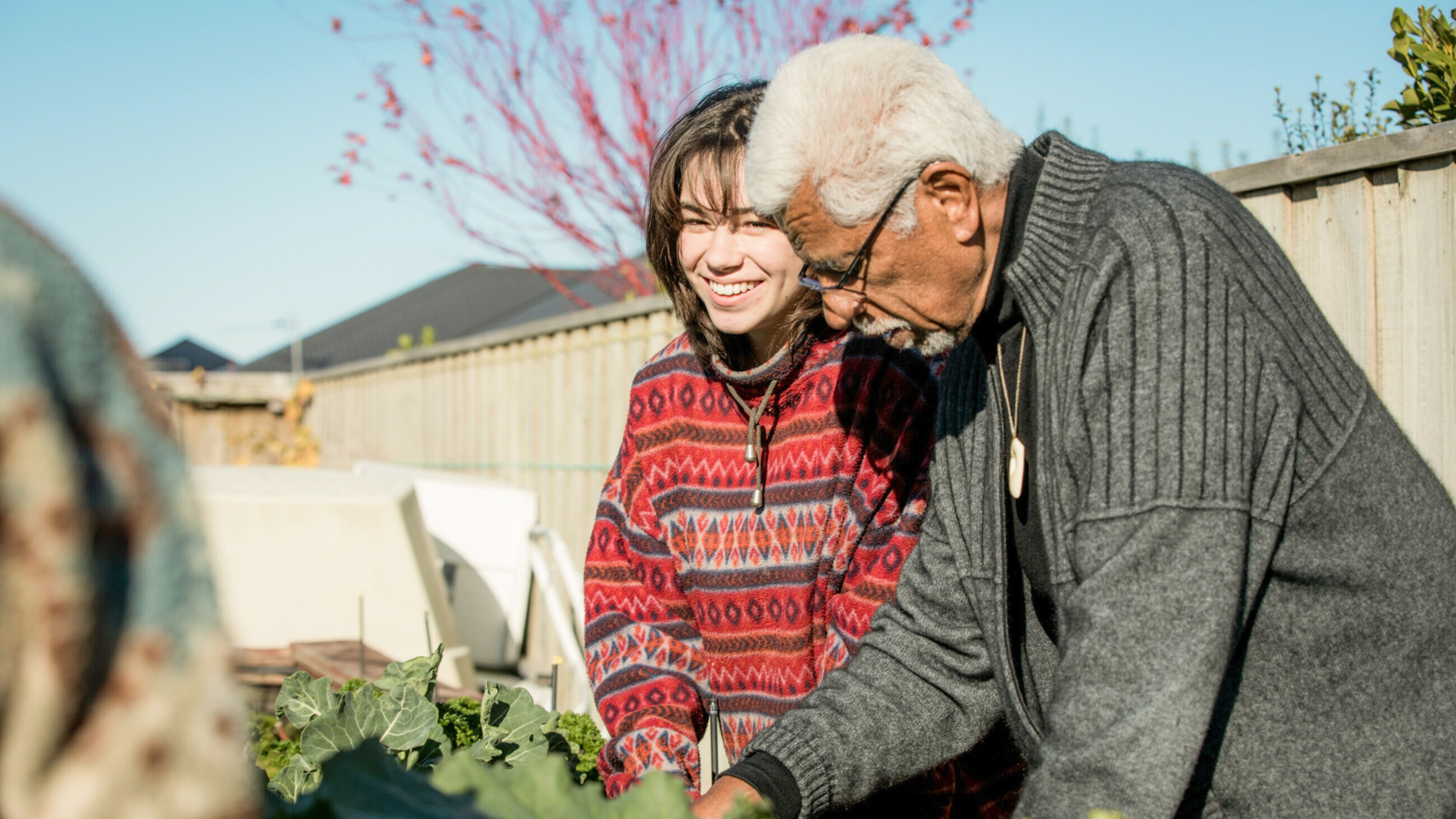

This Easter, New Zealanders will need to set their clocks back and adjust to new rules on alcohol.
Legislation (Sale and Supply of Alcohol (Sales on Anzac Day Morning, Good Friday, Easter Sunday, and Christmas Day) Amendment Bill) changing alcohol sales over certain public holidays passed its third reading in Parliament on Wednesday.
Bars, clubs, and restaurants already allowed to open on those days can now sell alcohol without requiring patrons to buy a “substantial meal”.
Labour MP Kieran McAnulty, who led the bill, says it doesn’t expand access to alcohol but makes the rules clearer for venues already permitted to open.
But not everyone agrees. Lemauga Lydia Sosene, Labour MP for Māngere, opposed the bill, reflecting the views of many faith communities in her electorate.
“Good Friday, Easter Sunday, these are really important times for our communities,” she told parliament. “Soldiers and their families, returned service members, they deserve to be respected on Anzac Day.
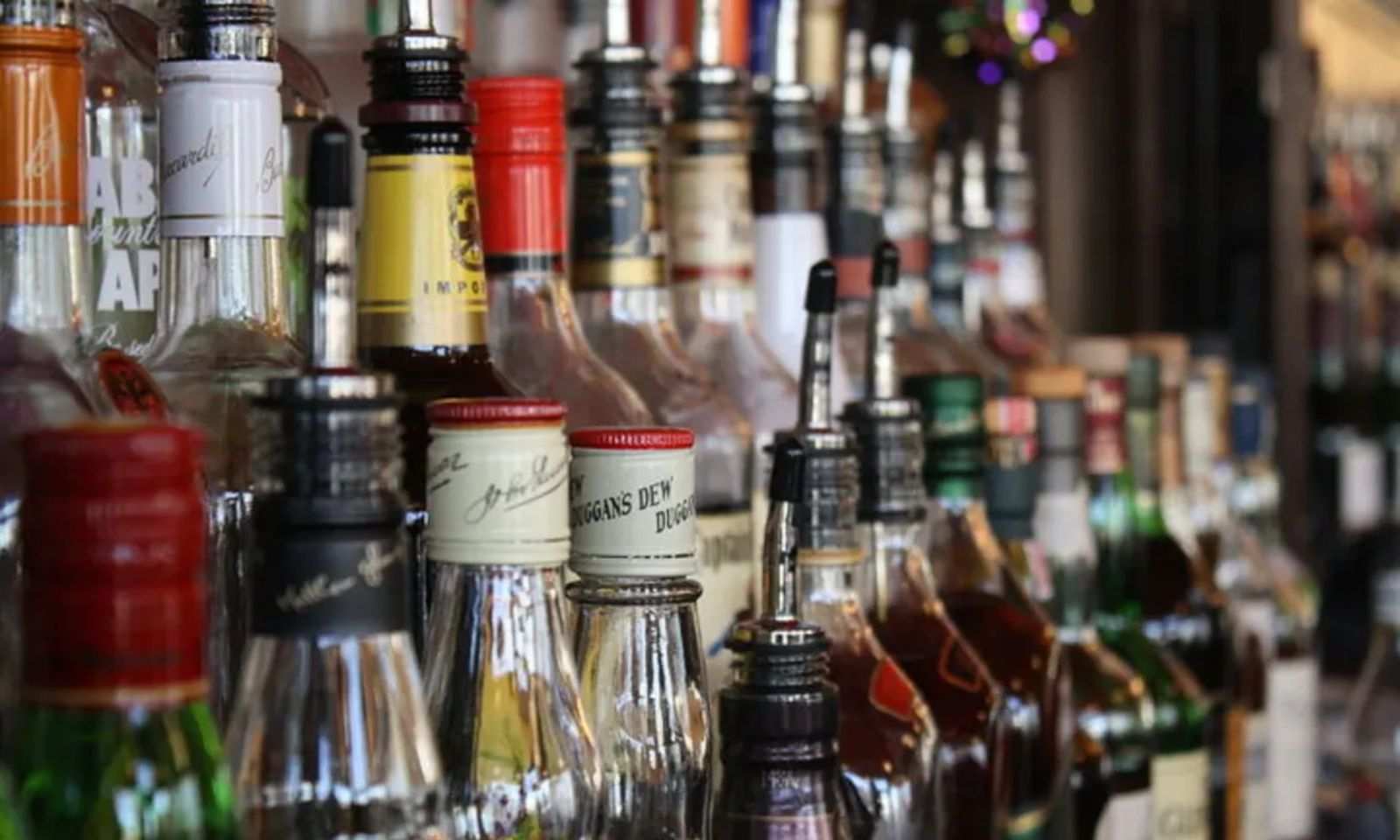
Alcohol can now be sold by licenced retailers on Easter holidays, Anzac Day and Christmas Day. Photo/Wikimedia Commons
“In my neck of the woods, there is far too much accessibility with alcohol. We have a real problem with some of our young people who are probably only 15 years old and look like they’re 21, and so they get away with purchasing different things at different times.”
Health advocates say those concerns reflect wider evidence of alcohol-related harm, particularly during holiday periods.
A 2019 study in the New Zealand Medical Journal found about seven per cent of more than 73,000 emergency department visits at Auckland City Hospital were alcohol-related - peaking at 18 per cent on New Year’s Day.
Watch Sarah Sneyd's full interview below.
Sarah Sneyd, Alcohol Healthwatch Acting Executive Director, says even small regulatory changes can contribute to broader impacts over time.
“It’s a bit like death by a thousand small cuts… they come together to create a real problem,” she told William Terite on Pacific Mornings.
Some in hospitality welcome the clarity. Dora Sao, co-founder of Batsman Brewery in Auckland, says the changes allow businesses to balance cultural awareness with customer demand.
“We have the flexibility of still being able to acknowledge those religious things, but at the end of the day, it's still our priority to serve alcohol responsibly,” she said in an earlier interview.
“Particularly over the long weekends, we find that those are our really busy days where people come together and they want to catch up with each other.”
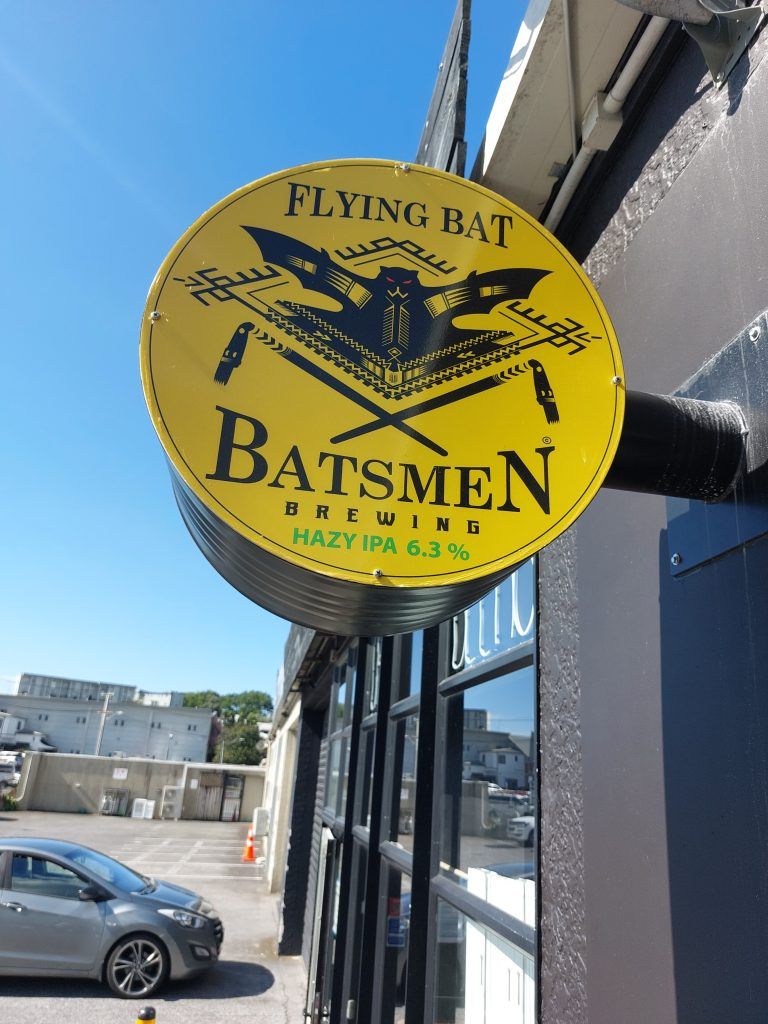
The Batsmen Brewery is located in Morningside, Auckland. Photo/Instagram
Clocks go back
Alongside the new alcohol rules, households will adjust to daylight saving ending on Saturday night, when clocks go back one hour.
Daylight saving in New Zealand has been permanent since 1974.
But even small shifts can affect routines. Karyn O’Keeffe, Associate Professor at Massey University’s Sleep/Wake Research Centre, told Terite:
“We’ve got a clock ticking away in our brain, and it likes to keep in sync with the outside world. And when that gets out of sync, we have a bit of a hard time doing a lot of things.”
She says the shift is generally easier than the spring change, as people gain an extra hour, and advises keeping routines and getting daylight exposure, especially for children.
“They might feel a little bit sleepier earlier in the day, and then they might be bouncing out of bed earlier than usual,” O’Keeffe says.
Watch Karyn O'Keeffe's full interview below.
This Easter, Kiwis will manage both a shift in time and new alcohol rules.
Communities, families, and hospitality venues will need to balance convenience with cultural values, health concerns, and household routines - making it a weekend of adjustment as well as celebration.