
Kiwis suffer last-gasp heartbreak as the Kangaroos snatch World Cup opener
Christine RovoiFri, 16 Oct
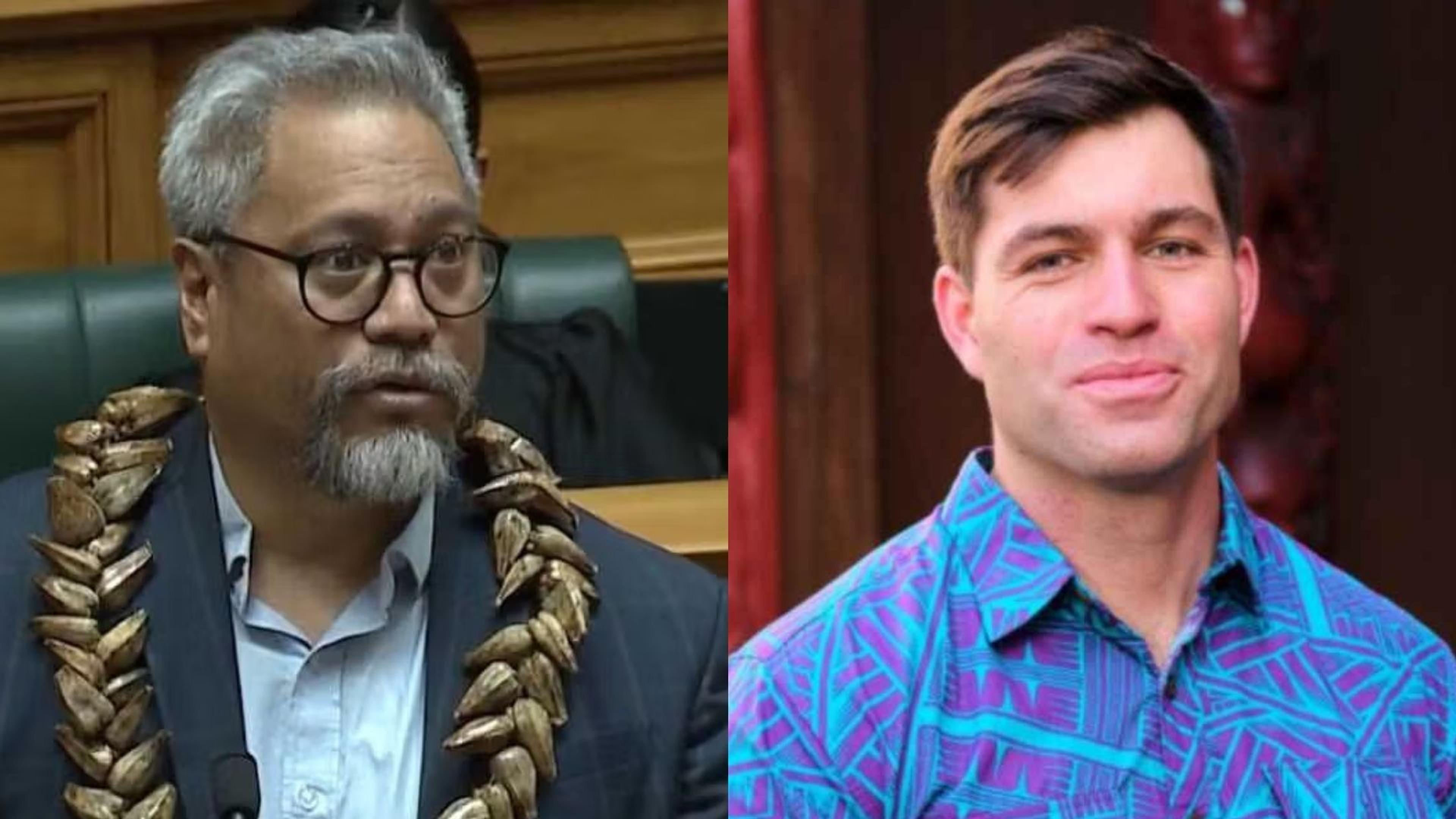
Green Party foreign affairs spokesperson Teanau Tuiono (left) and Te Kuaka spokesperson Dr Marco de Jong have both raised concerns about the direction of New Zealand’s foreign and defence policy in the Pacific, warning against growing militarisation and greater alignment with major global powers.
Photo/Supplied/PMN News composite
As Solomons PM Matthew Wale returns home after visits to Australia and NZ, Pacific leaders and experts warn the region is drifting towards a security-focused path set by global power rivalry.

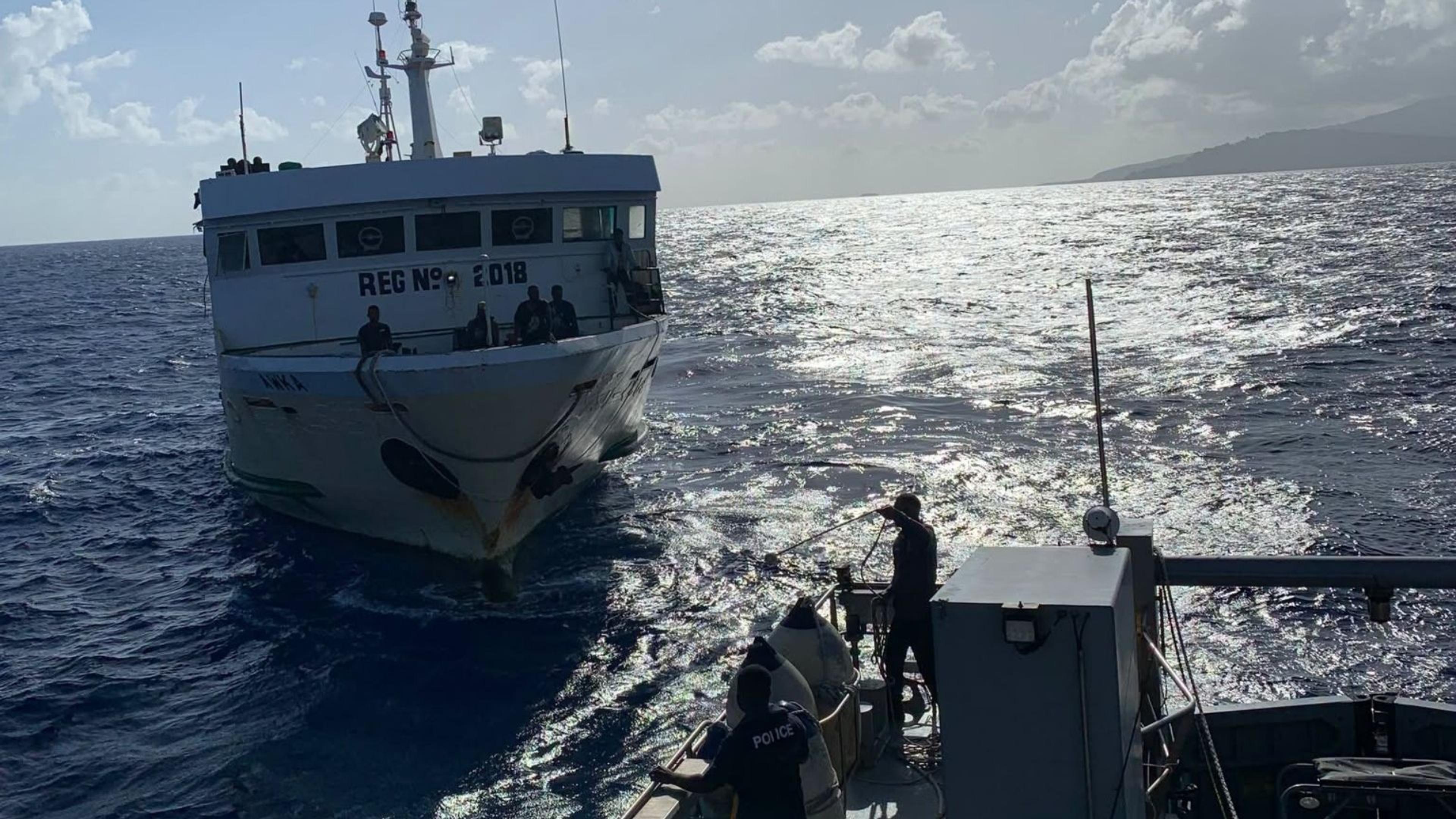


As Solomon Islands Prime Minister Matthew Wale heads back to Honiara after meetings in Australia and New Zealand, a wider debate is playing out across the Pacific about the region’s future direction.
At the centre of it is a simple question: is the Pacific being pulled towards a more militarised future as major powers compete for influence?
The discussion has been sharpened by growing security ties between Pacific Island nations and traditional partners including Australia and Aotearoa as well as increasing attention on China’s role in the region and competition with the United States.
Speaking with William Terite on Pacific Mornings, Green Party foreign affairs spokesperson Teanau Tuiono said Pacific countries should be able to make their own choices without being forced into one camp or another.
"Ideally, we want all Pacific Island countries to be independent and to find those connections with each other across the Pacific, and that's really important," Tuiono said.
He said Pacific leaders were having to carefully manage pressure from larger powers.
Listen to Teanau Tuiono's full interview below.
"You have that geostrategic pull within the Pacific between the US and China, and you've actually got to be able to make sure that you navigate that in a good way but not going too far one way and not too far the other way."
Tuiono pointed to shifting relationships in the region over time including Solomon Islands’ changing diplomatic partners.
"If they're kind of trying to find another way to balance it out, that could be a good thing."
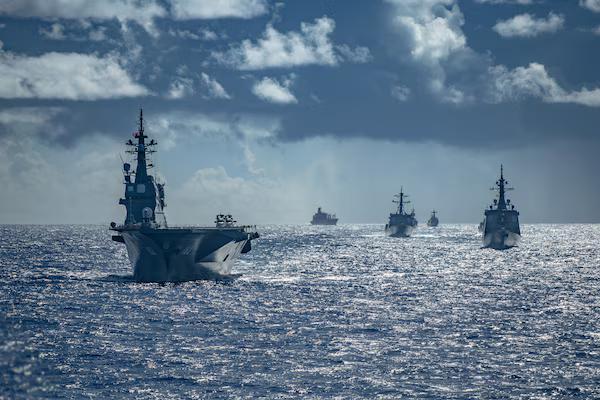
US and its allies in a military exercise in the Pacific as regional debate continues over growing security ties and the influence of major powers in Pacific defence. Photo/navy.mil/file
But alongside questions of balance and independence, another argument is emerging in Aotearoa about the direction of its defence policy.
Think tank Te Kuaka has called for a rethink of New Zealand’s foreign policy ahead of the November election and warns the country is becoming too closely aligned with a more US-style security and defence approach.
Speaking from Fiji, Dr Marco de Jong a Te Kuaka spokesperson, told Terite most New Zealanders support a defence force focused on the Pacific but may be uneasy about a shift towards global military engagement.
"I think most New Zealanders are in support of a appropriate purpose military capability that operates in the Pacific," he said.
"But I think they're a bit wary of the kind of high-tech highly interoperable even interchangeable military that's designed for expeditionary deployment all over the world including to say the Middle East or you know global conflict zones."
Instead, de Jong said New Zealand’s priorities should remain closer to home and focused on regional needs.
Listen to Dr Marco de Jong's full interview below.
"I think that the idea that we need to be present in our maritime domain, have greater awareness, support humanitarian assistance and disaster response, support access to Antarctica, be there broadly in the region, is broadly supported."
He also warned of a wider shift in foreign policy settings.
"What we're seeing now is a drift under the foreign policy kind of traditional partners foreign policy reset much more towards the kind of securitised approach where aid is tied to security arrangements."
The debate comes as Australia and Aotearoa deepen engagement across the Pacific including through defence partnerships and regional security initiatives while Pacific leaders continue to stress development, climate action, and economic priorities.
Wale’s recent visit to Australia, where he highlighted long-standing ties between the two countries and his meetings in New Zealand, have added to the sense of a region reassessing its relationships.
Tuiono says the focus should remain on peace and Pacific-led decision-making.

Pacific foreign ministers meet at a regional forum: debate continues over how Pacific nations can maintain independence and shape their own approach to security, development and foreign policy amid growing global competition. Photo/Pacific Islands Forum/file
"The people that actually live here, us, would prefer if our area wasn't militarised, that there was demilitarisation, that we were aiming for peace as well."
As Wale returns home, the conversation he leaves behind points to a wider regional tension: how the Pacific can strengthen security and partnerships without being drawn too deeply into the military strategies of larger powers.