‘Soul resuscitation’: Pioneering Vagahau Niue and cultural connection down South
Atutahi Potaka-DewesFri, 23 Oct
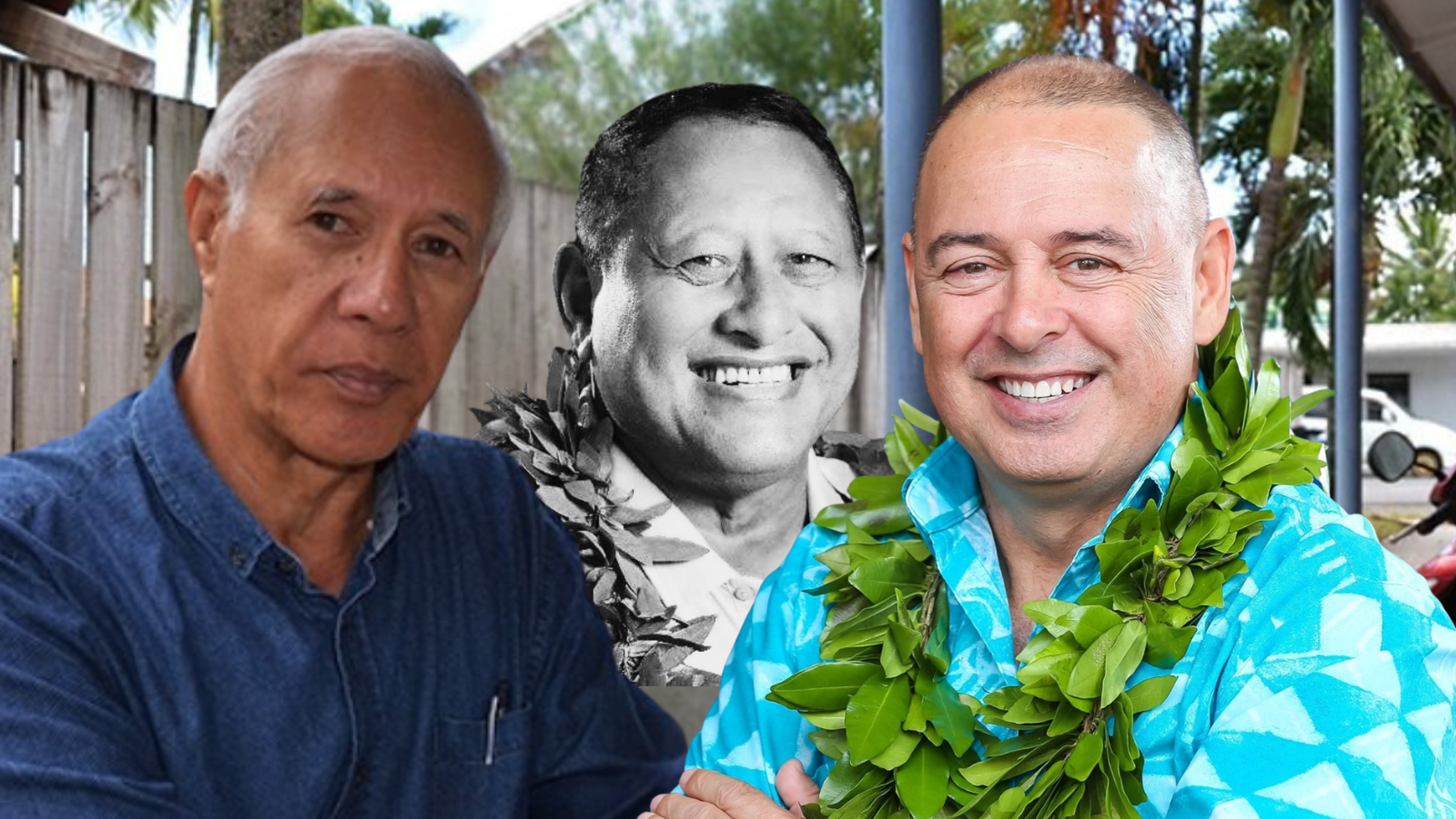
Former MP Iaveta Short, with incumbent Prime Minister Mark Brown and Cook Islands United Party leader Teariki Heather.
Photo/Composite/Cook Islands News/File
Mark Brown’s Cook Islands Party is one seat short of a majority, while opposition leaders say they must join forces or risk another four years on the sidelines.

The Cook Islands Party has emerged as the clear winner of the election.
The incumbent Prime Minister Mark Brown’s party is just one seat short of controlling Parliament on its own.
Preliminary results have given the Cook Islands Party 12 of the 24 seats, with the Cook Islands United Party winning four. The Democratic Party is yet to secure a seat.
One island is still to vote, meaning the final numbers are not yet settled.
But the result is already forcing a rethink among the opposition with Cook Islands Party leader Te Ariki Heather saying the parties need to unite if they are to challenge Brown at the next election.
Former MP and diplomat Iaveta Short says the result reflects the Cook Islands Party’s strong organisation on the ground.
Listen to Iaveta Short's full interview below.
“Mark Brown has done the hard yards of ensuring that the party machinery within all the districts were operative,” he tells William Terite on Pacific Mornings.
Short says the opposition failed to match that effort.
“There was nothing going on. The Cook Islands party basically did all the machinery in all the constituencies, and there was no opposition to match them,” he says.
“So, naturally, when the election comes, the commitments of the old Democratic party supporters withered away and then it was a free throw for the Cook Islands Party.”
One of the biggest upsets is the apparent loss of Democratic Party leader Tina Browne’s Rakahanga seat.
Cook Islands Party candidate Levi Hitarahera Teinaki won the seat by just three votes, 24 to 21.
Brown, speaking to local media after about half the votes had been counted, said his government had delivered results over the past eight years and wanted to continue on that path.
Short says the preliminary results suggest many voters are satisfied with Brown’s leadership.
But he says the Cook Islands faces a bigger economic challenge especially its heavy reliance on tourism and the continued movement of people to New Zealand.
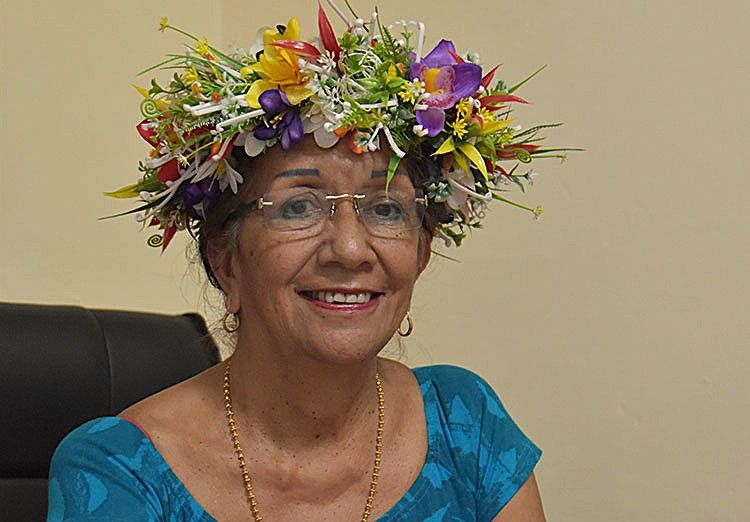
Democratic Party leader Tina Browne. Photo/File
“We’ve got a one-product economy and that is tourism, and there's a danger with that product because a lot of the local people are not involved and the result is migration to New Zealand.
“We now have a vacuum because people have migrated, and it's going to be filled by people from the Philippines, Indonesia and Fiji - the labour force is now from these places.”
Heather has retained his seat but says the opposition needs to learn from the election.
He says the United and Democratic parties should have joined forces before voters went to the polls and not competing against each other.
“Everybody to understand now that we must unite as one political party,” Heather told Terite.
Talks on a merger are already under way.
Listen to Teariki Heather's full interview below.
“That’s on the table at the moment,” he says. “We must unite as one political party against the reigning Cook Islands Party to be successful in the next general election.
“Four years is not a long time.”
Heather says he is disappointed that voters did not respond to issues raised by his party, including seabed mining, water tariffs and passport changes.
But he accepts the result.
“They've spoken, the people of this country have chosen who will run the country again for another four years,” he says.
The final election results are expected in the coming days.