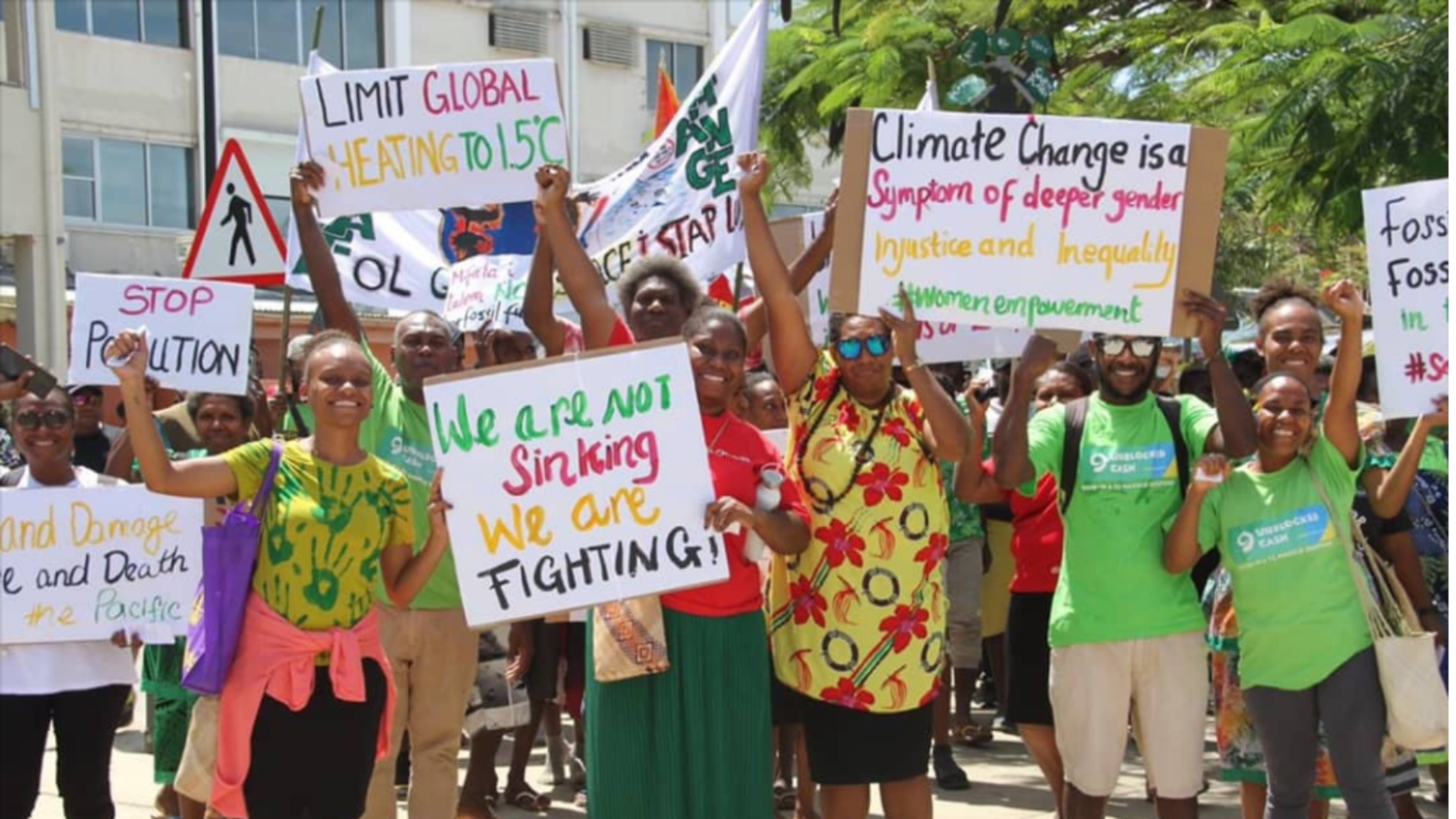
Opinion: If we are at the climate table, why are we still on the menu?
Thomas Tarurongo WynneMon, 05 Oct

Pacific Women are just 7.7 per cent of all parliamentary seats across the Pacific, compared to 27.6 per cent globally. What are the barriers for Pacific Women in Leadership?
Photo/Facebook/Commonwealth Women Parliamentarians
With only one female leading a Forum member government, questions remain over whether money alone can break the region’s political barriers.

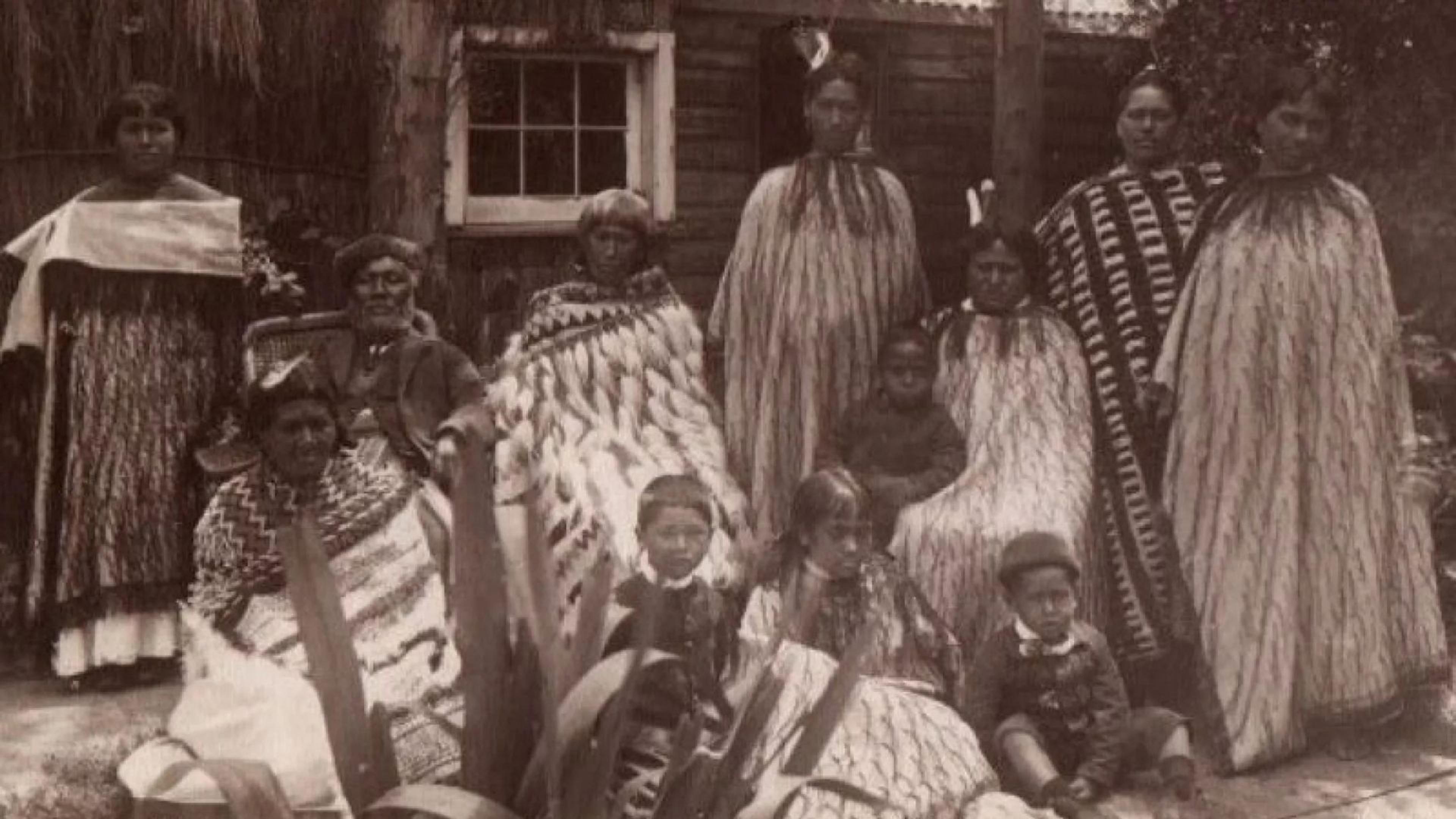
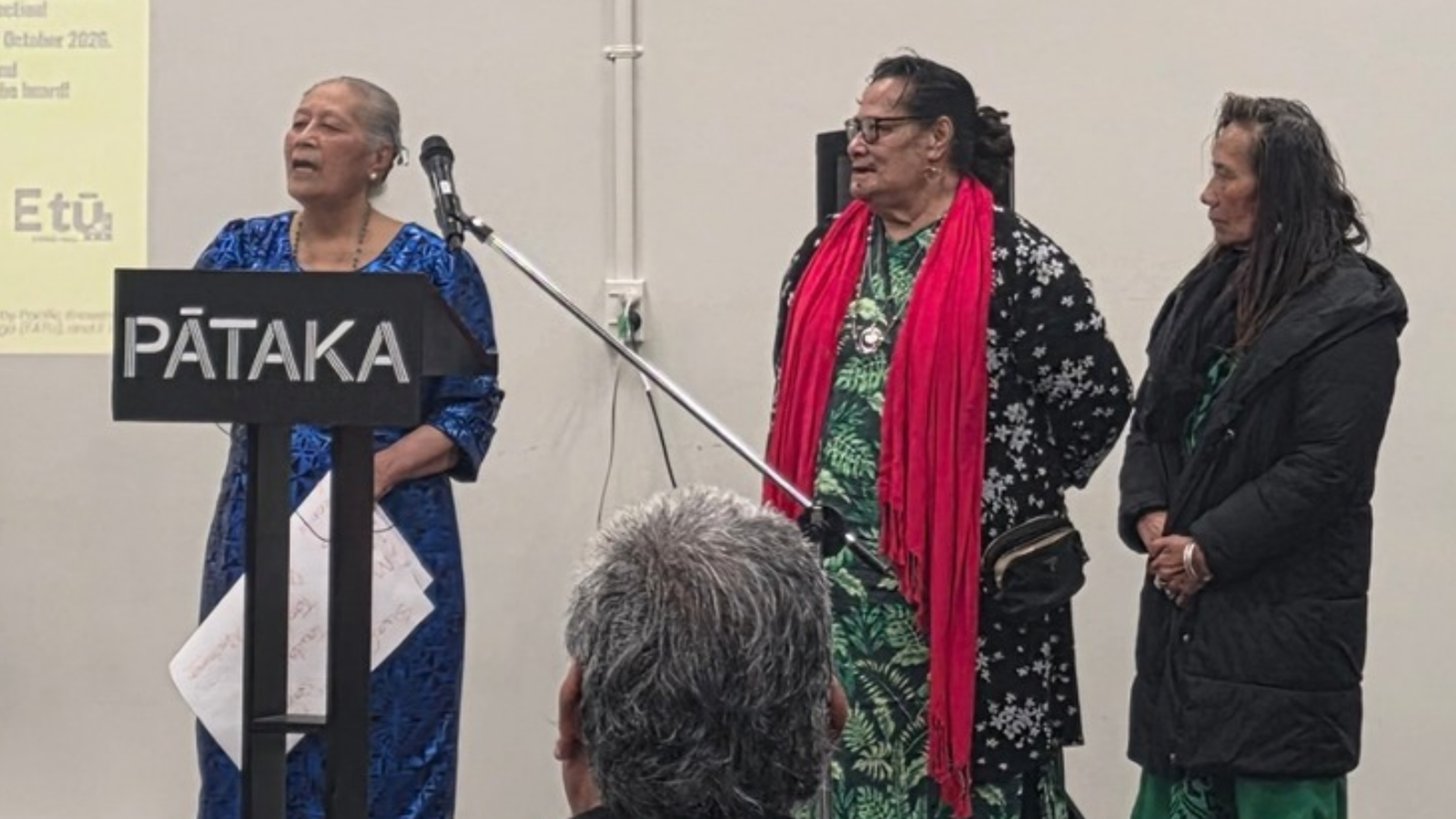
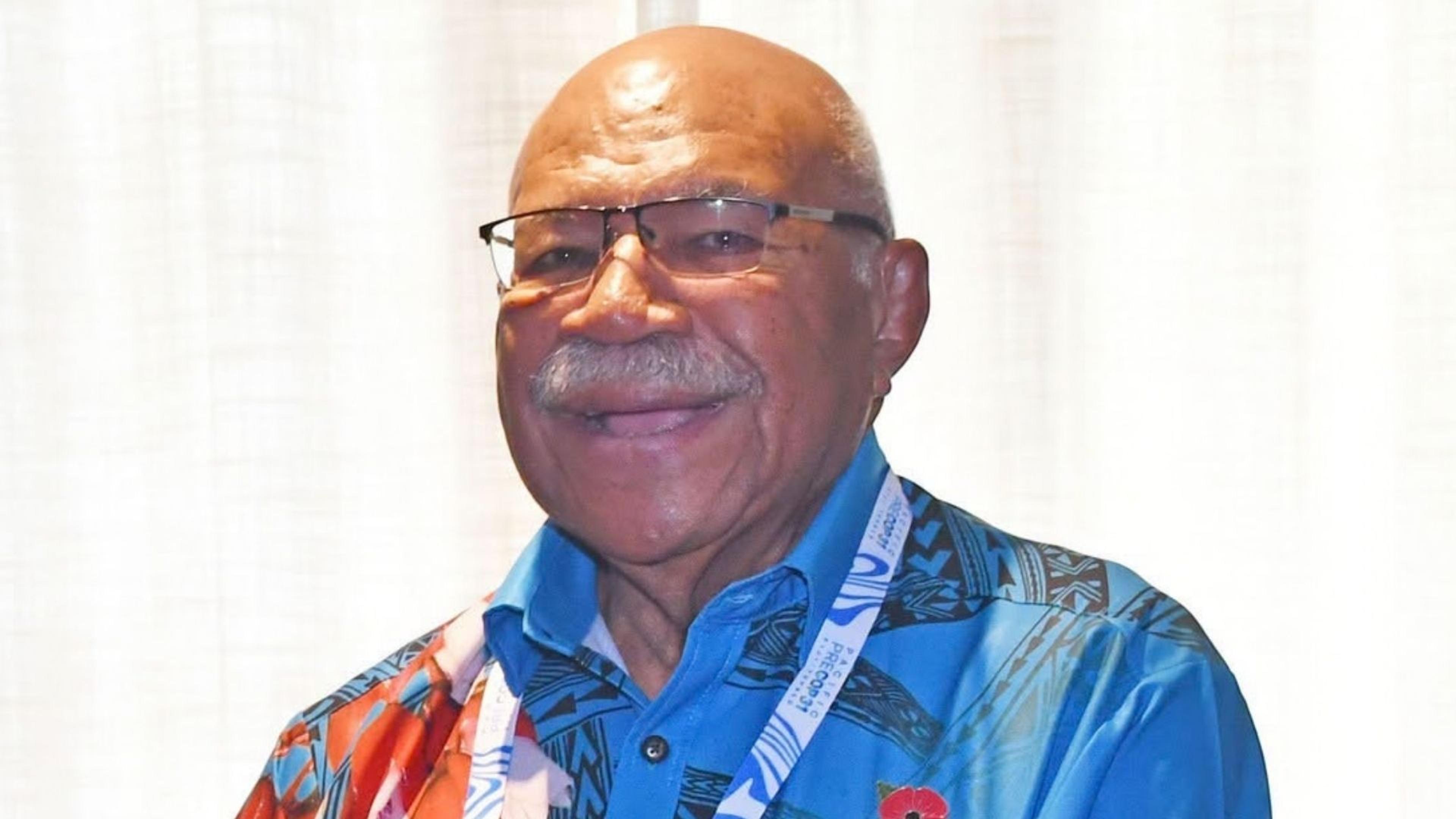
A major new Australian investment will back Pacific women into leadership but the region's top political table remains firmly dominated by men.
Pacific leaders have welcomed a AU$195 million (NZ$240.63 million) commitment to the next phase of the Pacific Women Lead programme, which has supported more than 620,000 Pacific women since 2021.
But at the Pacific Islands Forum Leaders' Retreat in Palau last week, only one of the 13 national leaders sitting around the table was a woman - Marshall Islands President Hilda Heine.
For former New Zealand police minister Poto Williams, the gap is not about whether the Pacific women can lead. It is about whether political systems are willing to let them.
Asked whether the Pacific has a problem with women reaching leadership, Williams said, “culturally, no, we don’t. It’s the translation of that leadership into a political leadership that has plagued us across the Pacific.”
She says parliaments and political parties need to look closely at how women are selected and supported.
Listen to Poto WIlliams' full interview below.
“Are our selection processes transparent? Do we have confidence in those to proactively support women, are they sufficiently robust that women feel that they can participate easily in that space?”
The new funding is the next phase of Pacific Women Lead, following Australia’s AU$170m (NZ$209.78m) investment from 2021.
Pacific Women Lead funds civil society networks and a governance board led by Pacific women, with the latest commitment aimed at continuing support for women’s leadership across the region.

MP Hana-Rāwhiti Maipi-Clarke, seventh from left at the New Zealand Parliament. Photo/Facebook/Commonwealth Women Parliamentarians
But women who make it into politics can face another barrier once they are there.
Williams recalled an early experience in government when a woman minister was shouted down by the opposition during question time, only to be told afterwards that this was simply how politics worked.
“It is aggressive, it’s overly assertive as an environment,” Williams said. “It doesn’t lend itself well potentially for good and constructive debate. You do have to operate in a way to be as assertive as you can be to cut through a lot of that.”
Women currently hold just 7.7 per cent of parliamentary seats across the Pacific, compared with a global average of 27.6 per cent.
At a women’s political leadership gathering at New Zealand’s Parliament earlier this year, Fiji's Assistant Minister for Foreign Affairs and External Trade, Lenora Qereqeretabua, said political parties could help change those numbers through temporary special measures.
“It starts with the political parties having that special members provision in their constitutions first,” she said, “to make sure that they have adequate women, or a certain percentage of women, as candidates in every election, whether it's local government, or national government elections.”

Pacific Women MPs at the Tuākana, Tēina, Whenua, Talanoa' wānanga. Photo/Office of the Clerk, New Zealand Parliament
Kiribati MP Ruta Teretia Babo-Nemta, says geography adds another layer to the challenge.
Manate is one of only four women MPs in Kiribati’s Parliament and says women from outer islands face particular barriers to entering politics. “It's really complex that we're scattered, but it's also a blessing.”
The three-day Tuakana, Teina, Whenua, Talanoa Wānanga brought together almost 30 women parliamentarians and leaders from 14 Pacific countries. It was funded through the New Zealand Government's Tai a Kiwa programme.
Williams says having more women reach senior political positions will gradually help change the culture.
Her advice to young Pacific women thinking about entering politics is simple.
“I would say do it. Seek advice, seek support, gather around you the people that will help to keep you grounded, and seek advice from women who are there or who have been there.”
The Pacific Islands Forum has 18 full and associate members. As of the Palau leaders’ meeting last week, none was led by a woman head of state or government.
The next Pacific Islands Forum Women Leaders Meeting is expected to make further recommendations on gender equality to Forum Leaders ahead of the 56th PIF Leaders Meeting in New Zealand next year.
This story has been updated to reflect that Marshall Islands President Hilda Heine is currently the Pacific’s only female national leader.