
Seymour targets office karakia as Aupito warns of a ‘culture war’
Thomas Tarurongo WynneFri, 23 Oct
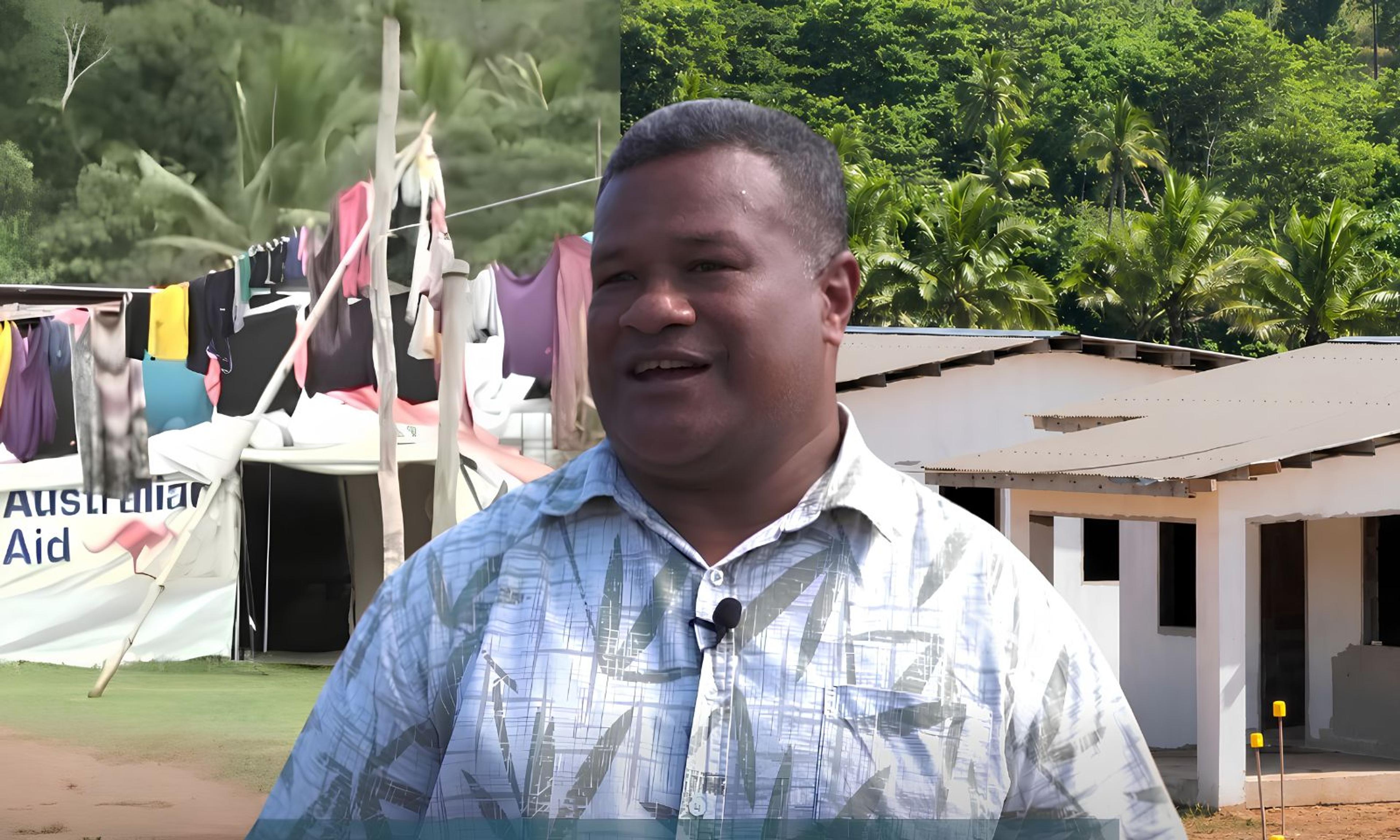
Nabavatu Village Headman Moritikei Waqawaqa says the move to the new homes will mark a new beginning for the 37 families.
Fiji Government
Thirty-seven families forced from their village by landslides after Cyclone Ana are preparing to move into permanent homes.

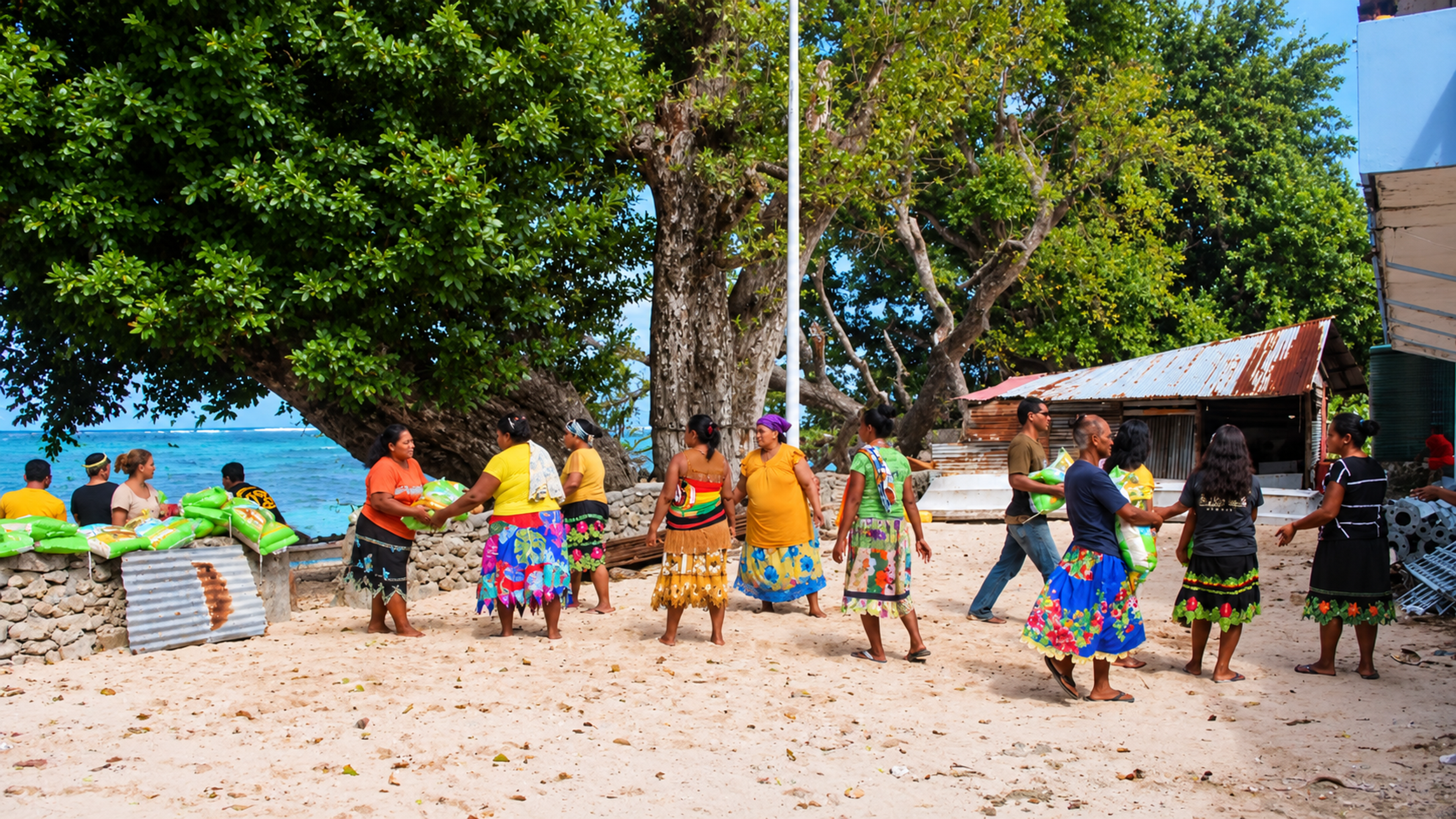

After nearly six years of living in tents, 37 families forced from their village by climate disaster are preparing to move into permanent homes in northern Fiji.
For the people of Nabavatu Village in Macuata, Vanua Levu, the move marks more than an end of temporary shelter.
It is the beginning of rebuilding lives that were turned upside down when Tropical Cyclone (TC) Ana struck in January, 2021.
For Village Headman Moritikei Waqawaqa, finally receiving the keys to a new home is something families have waited years for.
“We look forward to moving into the new houses and to finally call them our own,” Waqaqawa told PMN News.
“We are making all the necessary preparations so when the time comes for us to move, we are ready.”
Heavy rain brought by TC Ana triggered major landslides across the village, adding to damage already caused by TC Yasa just a month earlier.
The slips and deep cracks left the ground unstable and forced authorities to declare the village unsafe.
While the new homes promise security, Waqawaqa says the emotional scars remain.
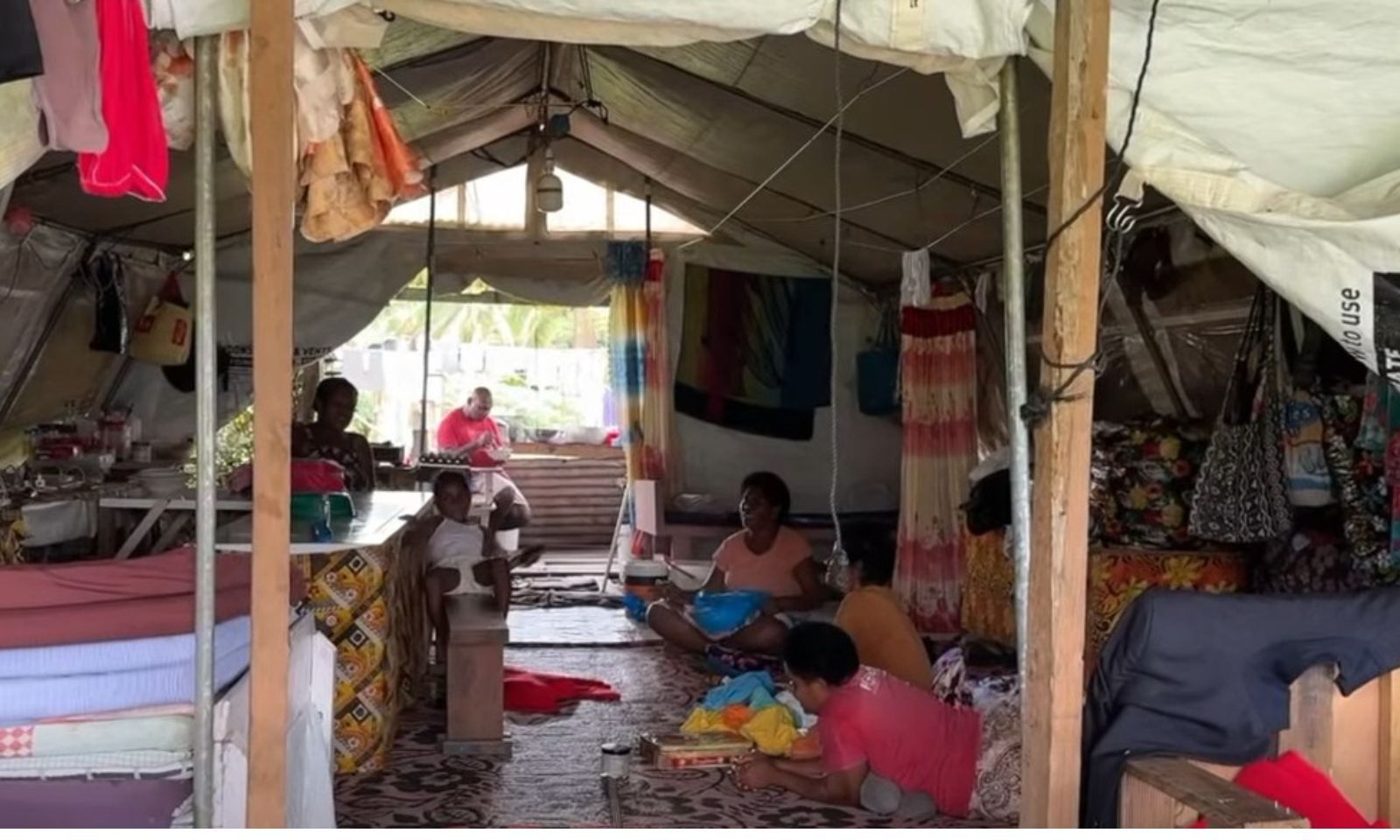
The families have been living in tents since February, 2021. Photo/Fiji Government
“I told a visiting Auckland University team, our children and elders will forever live with the trauma they experienced. Even now, hearing heavy rain scares them,” Waqawaqa says.
“We hope the move will mark a new beginning for us, where we are safe from any climate disaster and that our children get to live normal lives.”
Leaving the village was painful, he says, because families were forced to leave behind their homes filled with generations of memories.
After evacuating to two nearby schools, the community moved to a church compound where tents provided by the Fijian and Australian governments became their home.
“We’ve been here since, rebuilding our lives with whatever was left after that disaster,” Waqawaqa says.
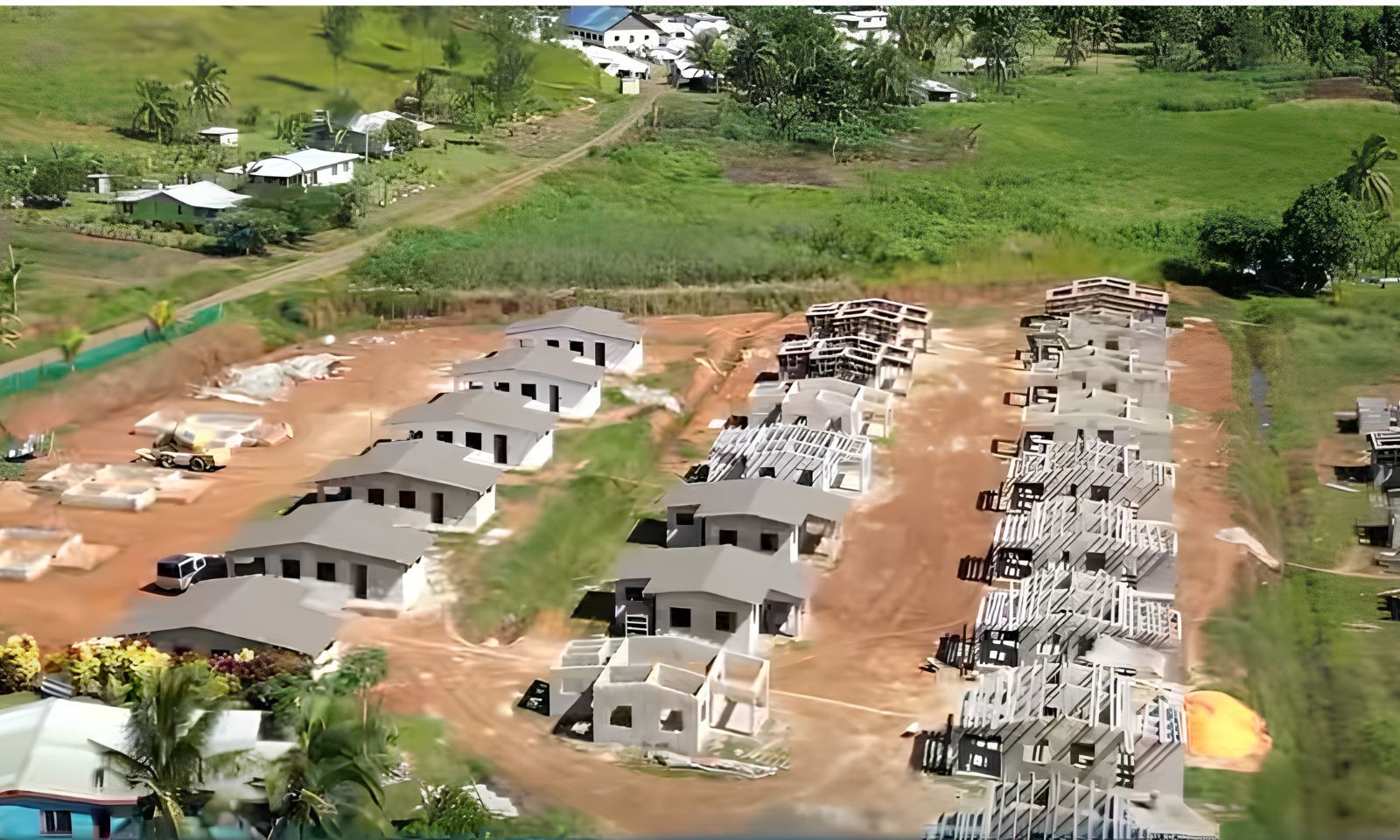
The new village site is located almost a kilometer from the existing village. Photo/Fiji Government
Life in the temporary camp was difficult. Waqawaqa says families dealt with disease outbreaks, deaths and tensions as they adjusted to years of cramped living conditions.
“We’ve been through hard times, it hasn't been easy because we were forced to live in these conditions due to circumstances that were out of our control,” he says.
“But seeing and experiencing all the challenges just shows the resilience of the villagers.”
Nabavatu is home to 85 families but the 37 households most directly affected by the disaster have been given priority in the first stage of the relocation.
For Waqawaqa, the experience has reinforced what Pacific communities have long been saying about climate change.
“Keitou sa lako curuma, keitou sa vakadinadinataka taka ni draki veisau e ka dina. We have gone through it, we have witnessed it, climate change is real.”
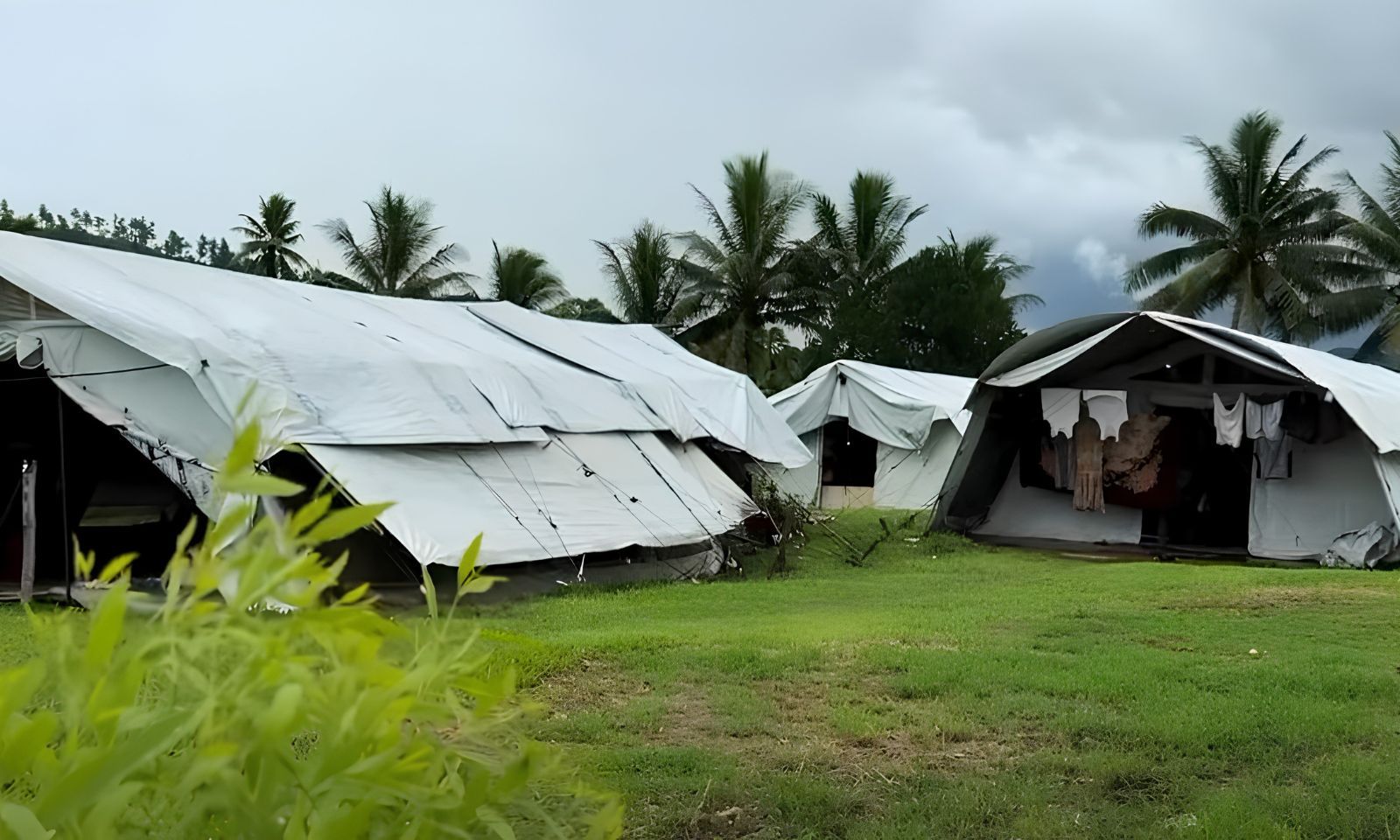
Tents provided bythe Fijian and Australian governments became home for the displaced villagers for almost 6 years. Photo/Fiji Government
The new village sits on a 41.71-acre site about 800 metres from the original settlement.
The NZ$4.6 million Nabavatu Relocation Project is Fiji’s first government-led planned relocation under its Standard Operating Procedures for Planned Relocation. New Zealand has provided the main development funding.
In a video update on the Fiji government Fiji's Minister for Rural and Maritime Development, Mosese Bulitavu, says weather and building supply delays slowed construction but the project is now in its final stages.
“The contractors there are working according to a time frame, that by September or October at the latest the keys of those houses will be handed over to the respective 37 families,” Bulitavu says in a video update on the Fiji government Facebook page.
Watch Fiji's Minister for Rural and Maritime Development Mosese Bulitavu provide an update on the progress of the construction.
The new cyclone-resistant homes are built from reinforced concrete with corrugated iron roofs designed to withstand severe weather. Each includes two bedrooms, a kitchen, laundry and living area.