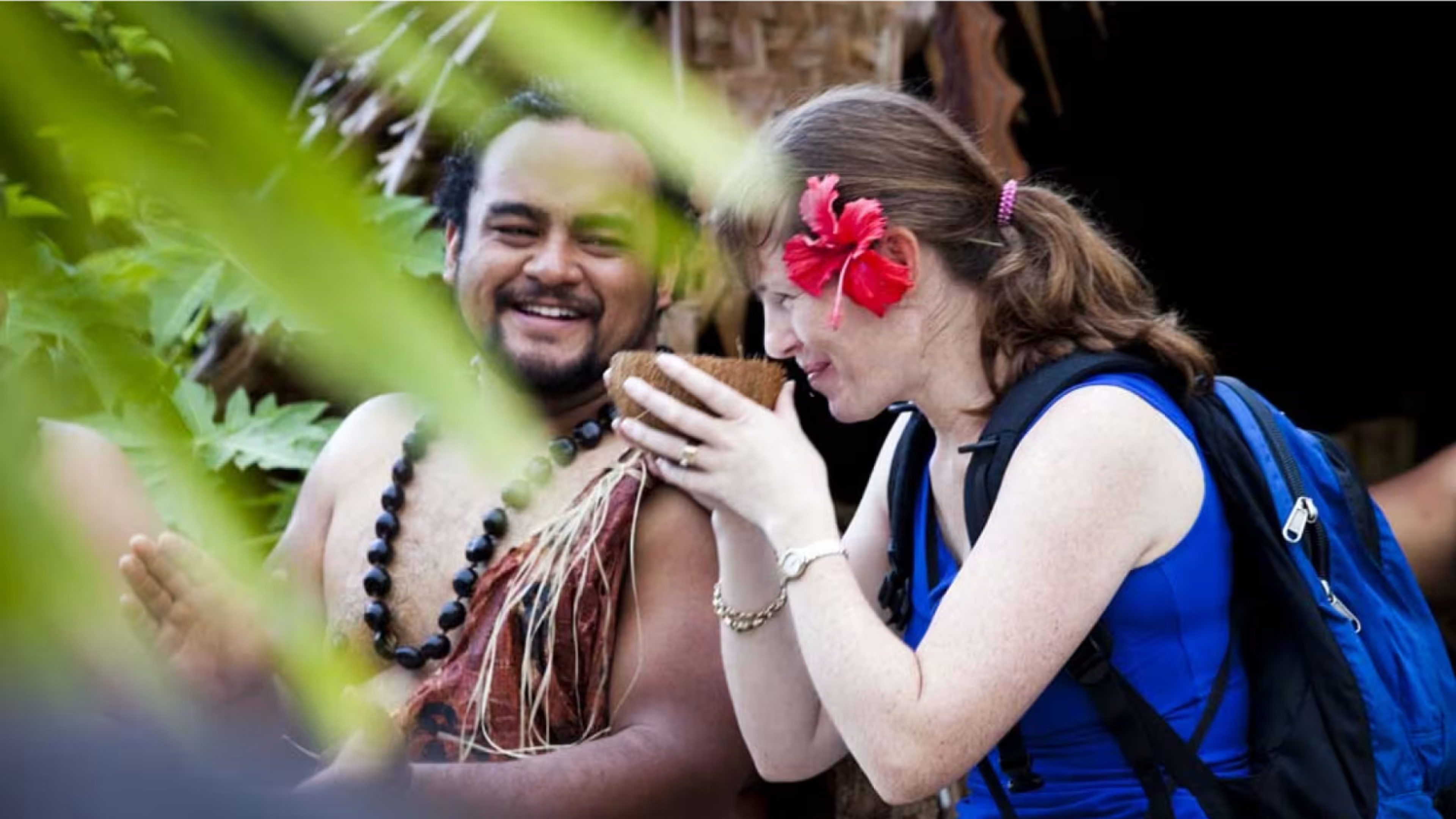
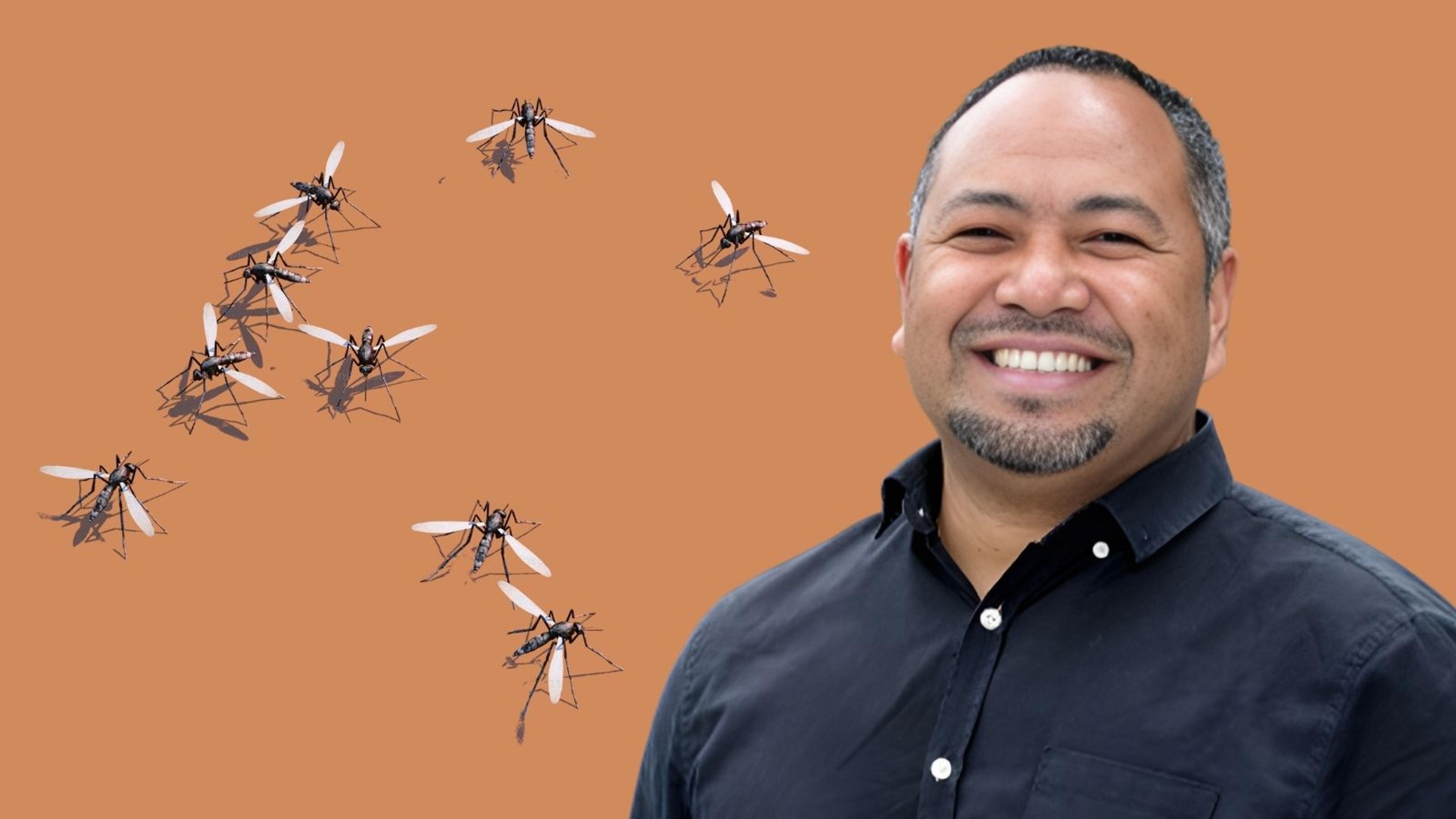
Dr Chris Puli’uvea.
Photo/Unsplash/Auckland University
Pacific Region
Protect your kāinga: Pacific health leaders warn travellers as dengue spreads
After the first dengue-related death in the Cook Islands, a Tongan immunologist is urging families travelling across the region to stay alert.

Aui'a Vaimaila Leatinu'u
Published
09 February 2026, 5:01pm
Share
Copy Link
Top stories

Tofiga Fepulea’i brings the laughs while taking top honours at Arts Pasifika Awards
Aui'a Vaimaila Leatinu'uFri, 23 Oct


‘It kind of breaks my heart’: Kiwis run riot after Cook Islands’ brave start
Latonya LoleSun, 25 Oct
Top stories
Tofiga Fepulea’i brings the laughs while taking top honours at Arts Pasifika Awards
Aui'a Vaimaila Leatinu'uFri, 23 Oct
‘It kind of breaks my heart’: Kiwis run riot after Cook Islands’ brave start
Latonya LoleSun, 25 Oct
Pacific health leaders are urging travellers and families to take precautions as dengue fever continues to spread across the region.
This follows the first dengue-related death in the Cook Islands during the current outbreak.
The Cook Islands Ministry of Health confirmed that an elderly patient with underlying health conditions died on 2 February after presenting late to the hospital.
The death has prompted a nationwide response known as Operation Namu-26, which includes intensified insecticide spraying, island-wide clean-up efforts to remove mosquito breeding sites, and the distribution of prevention packs by the Cook Islands Red Cross.
Speaking with William Terite on Pacific Mornings, Dr Chris Puli’uvea, a Tongan-born immunologist at the Auckland University of Technology (AUT), says the situation is concerning given the high level of movement between New Zealand and Pacific countries.
“Particularly given the fact that there are no vaccines currently available for us here in New Zealand,” Puli’uvea says.
Listen to Dr Chris Puli’uvea’s full interview below.
Dengue cases are rising across the Pacific. Sāmoa recorded more than 14,400 clinically diagnosed cases in 2025, while American Sāmoa declared a public health emergency last July.
Nauru has reported over 220 confirmed cases with at least two deaths, and outbreaks are also active in Kiribati and Tuvalu.
“And we're starting to see an increase in some of these cases due to a little bit of travel. Some of the Pacific countries, including Sāmoa and American Sāmoa,” Puli’uvea says.
Cook Islands Secretary of Health, Bob Williams, told RNZ the patient who died had arrived late at the hospital.
He urged anyone experiencing flu-like symptoms, headaches, or rashes, to seek medical attention immediately to ensure early treatment.
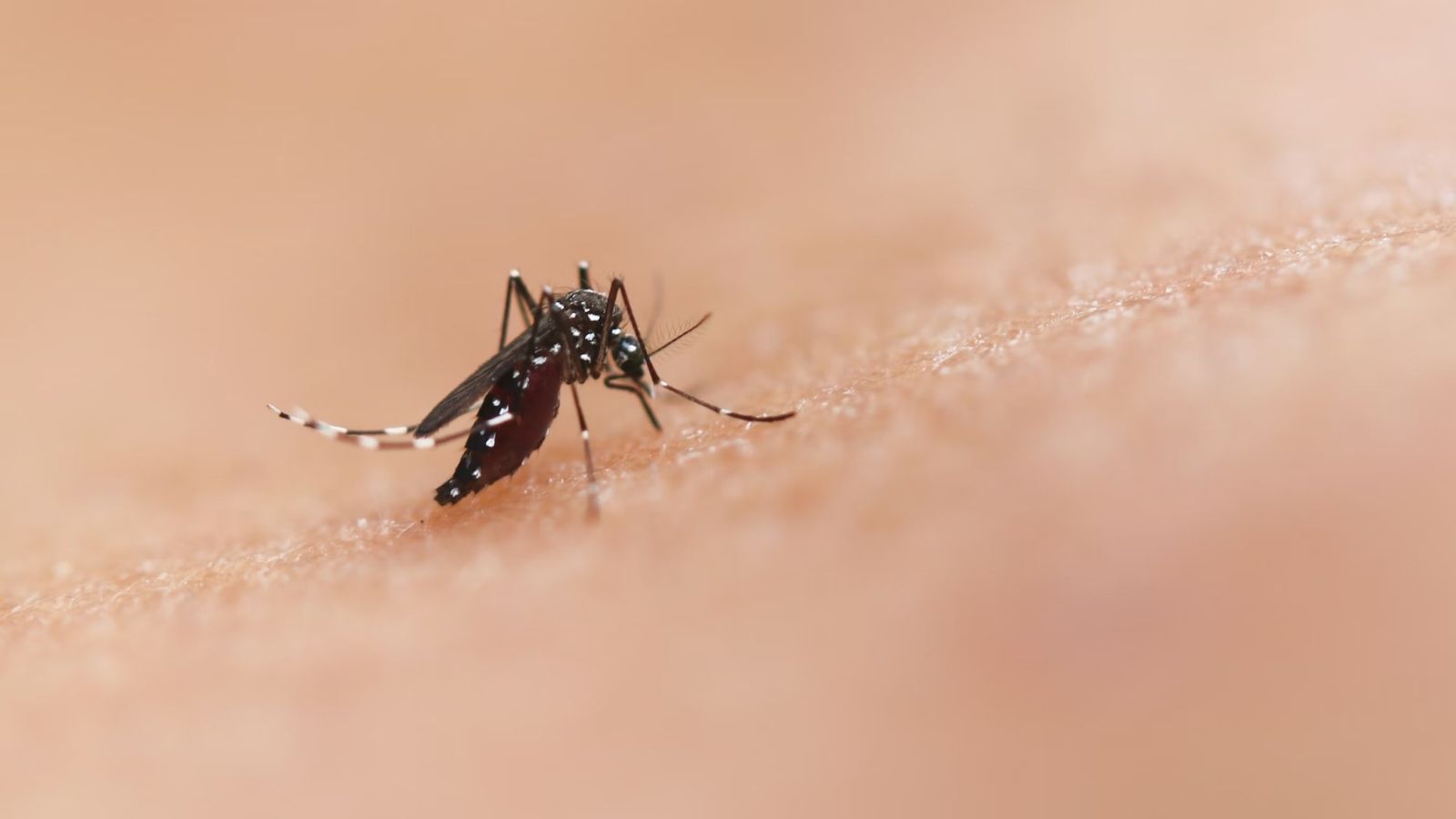
As the Aedes aegypti mosquito continues to transmit the dengue virus throughout the community, residents and visitors in the Cook Islands are being urged to remain vigilant. Photo/Unsplash/NAID
While many dengue infections can be mild, symptoms can be severe and develop quickly.
Puli’uvea says people should be alert to early warning signs such as a sudden high temperature, intense headaches, and pain behind the eyes.
“Also some people might see a rash, and this could be itchy. It usually begins when things start to get really tough.
Dr Chris Puli’uvea says the critical warning signs to watch for with dengue are an abrupt fever, severe headaches and discomfort behind the eyes. Photo/Unsplash
“So some people may experience some of these symptoms, and they usually kick in shortly after three days. These symptoms can last up to seven days as well.”
With no dengue vaccine currently registered by Medsafe for use in New Zealand, prevention remains the main line of defence for those travelling or living in affected areas.
Puli’uvea says simple measures can make a big difference, including the use of mosquito nets, which he described as a cheap intervention.
He also advised keeping doors and windows screened, wearing hats and light-coloured clothing that covers the arms and legs, and using insect repellent containing DEET or dimethyl telomide.
“There are some recommendations there for adults and children. Lastly, avoiding places where mosquitoes are most active, like swampy areas or places with standing water.
“So those are some of the key things that we can take on board to help protect us when we are outdoors,” he says. “Those who have had dengue before, they could potentially have a severe illness at a second and third time.”
Health officials say people over 60 and children under 10 are at higher risk of severe illness.
Travellers returning to New Zealand who feel unwell within three weeks of their trip are urged to seek medical advice and mention their recent travel history.