
Jaxon Evans: Bathurst’s final lap will decide it all
Elton Lonaratha JnrFri, 09 Oct
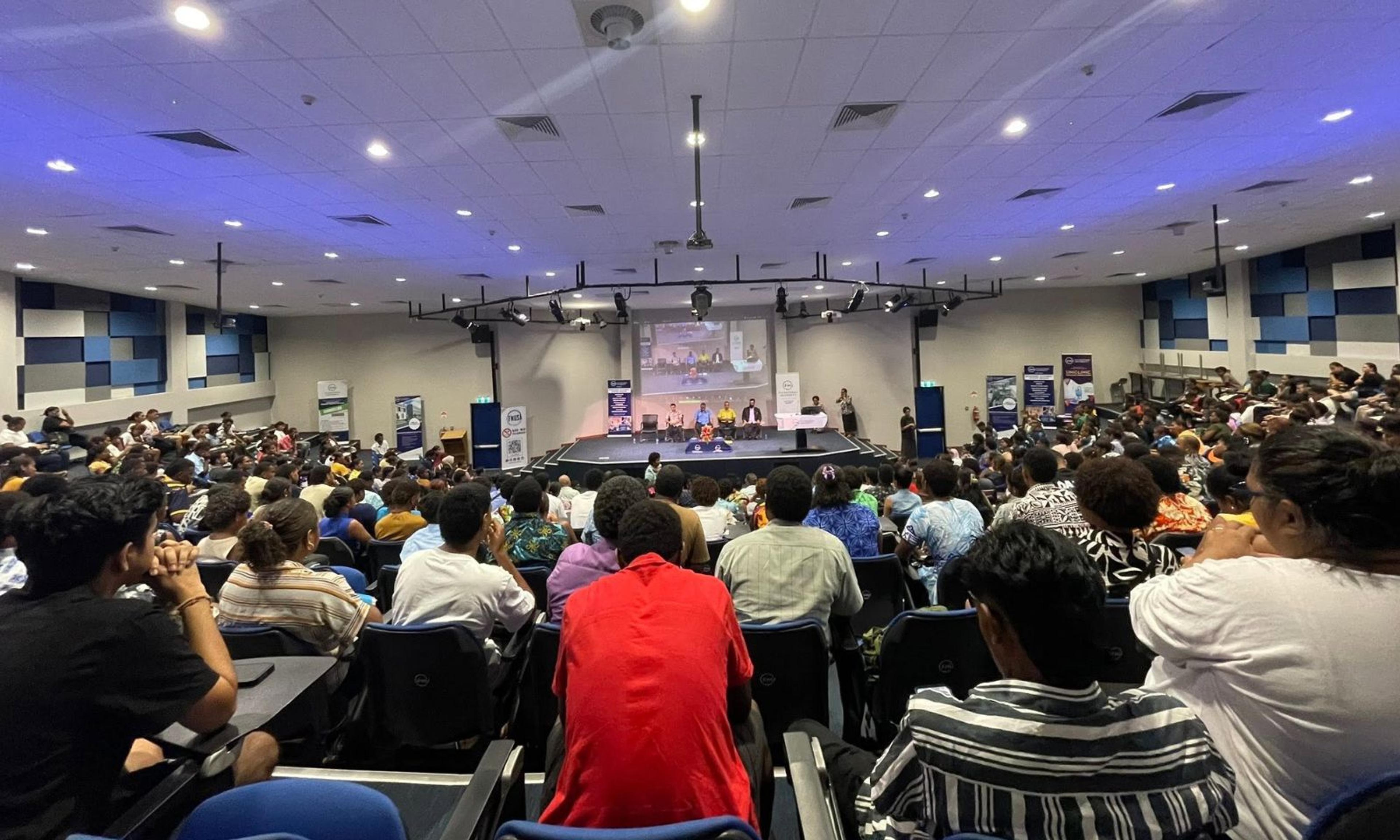
Pacific universities are taking indigenous languages beyond the home and into academia.
Fiji National University
From lecture halls to research and technology, Pacific educators say the indigenous languages must have a place in modern education.

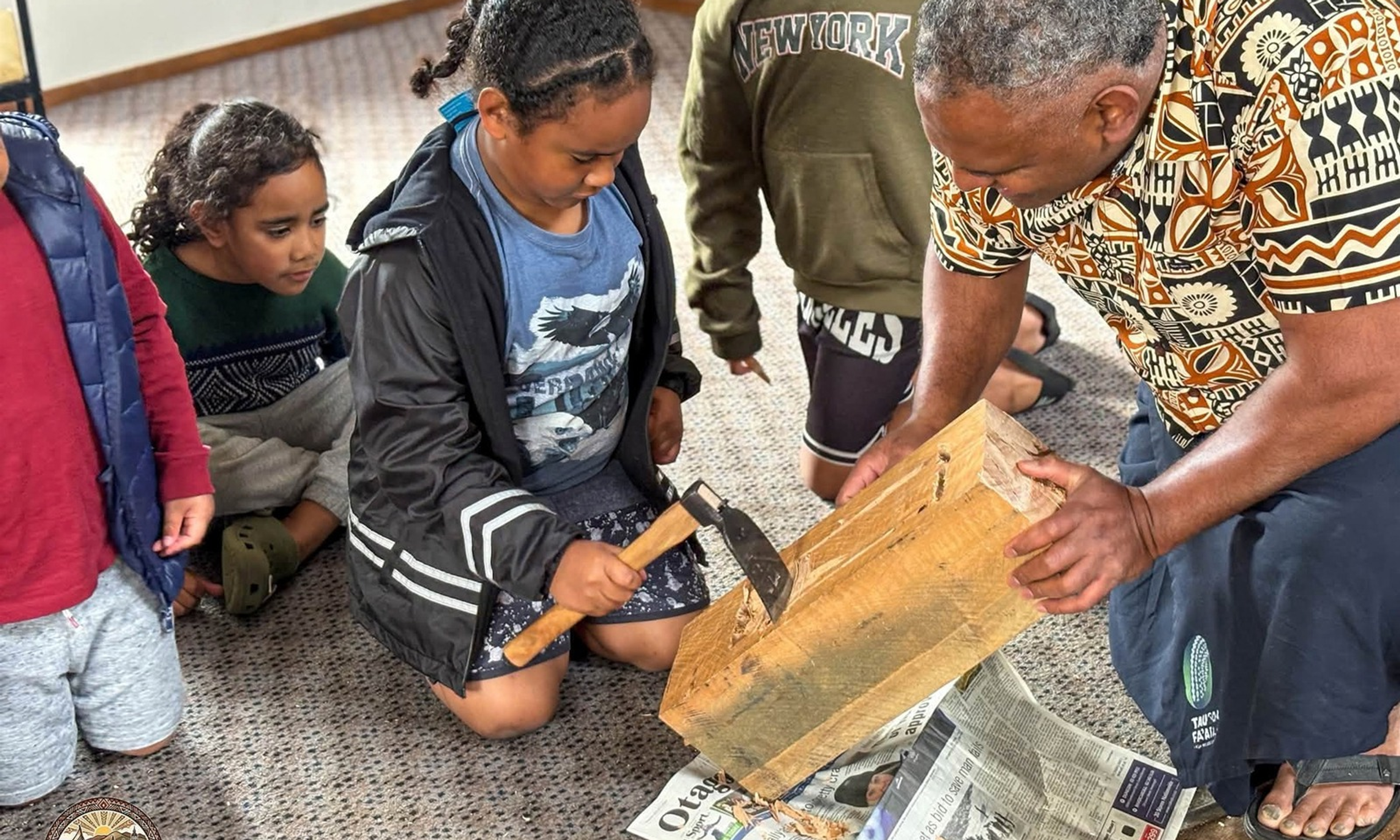

Pacific universities are pushing indigenous languages beyond the home and into lecture halls, research and modern technology, as educators warn that losing them could mean losing much more than words.
At Fiji National University (FNU), indigenous languages are being promoted as a way to stay connected to their identity and culture while taking part in modern education.
Dr Kasanita Rayasi, Assistant Professor at FNU’s College of Humanities, Education and Law, says language carries knowledge about people, their history and their communities.
“Our indigenous language carries knowledge about who we are, where we come from and how we relate to one another and to the world around us,” she told PMN News.
“That is why keeping our languages alive is so important. It is about keeping that connection alive for the next generation.”
Her comments come as FNU celebrated its first Vernacular Week last week as part of the global International Decade of Indigenous Languages.
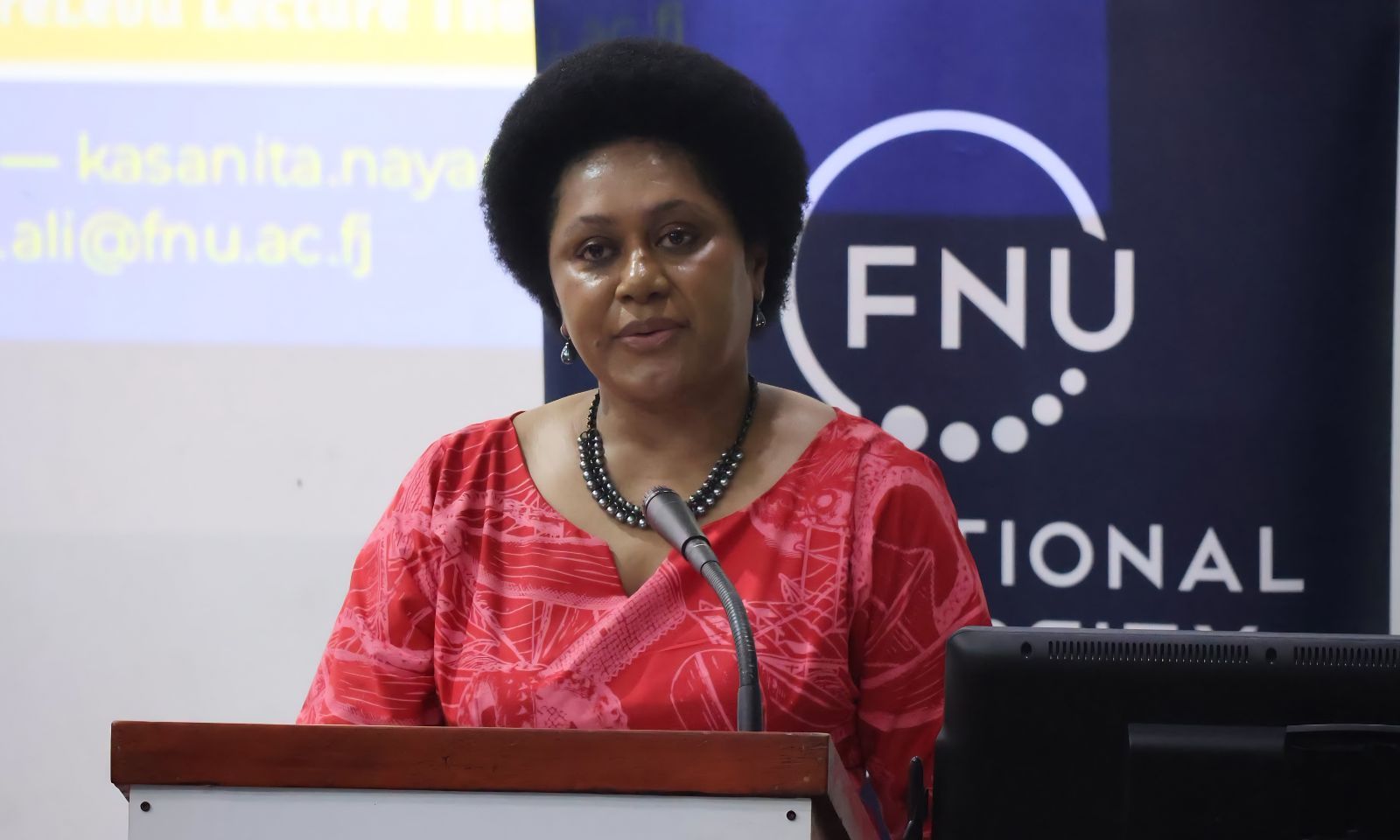
Assistant Professor at FNU’s College of Humanities, Education and Law Dr Kasanita Rayasi. Photo/Fiji National University
Students took part in debates, poetry, karaoke, original songs, visual arts, cultural performances and seminar in different languages.
Rayasi says the week was about giving students confidence to use and value their languages while learning about the cultures of others.
“The core purpose is to celebrate our vernacular languages and cultures and create a space where students can use and value them with confidence,” she said.
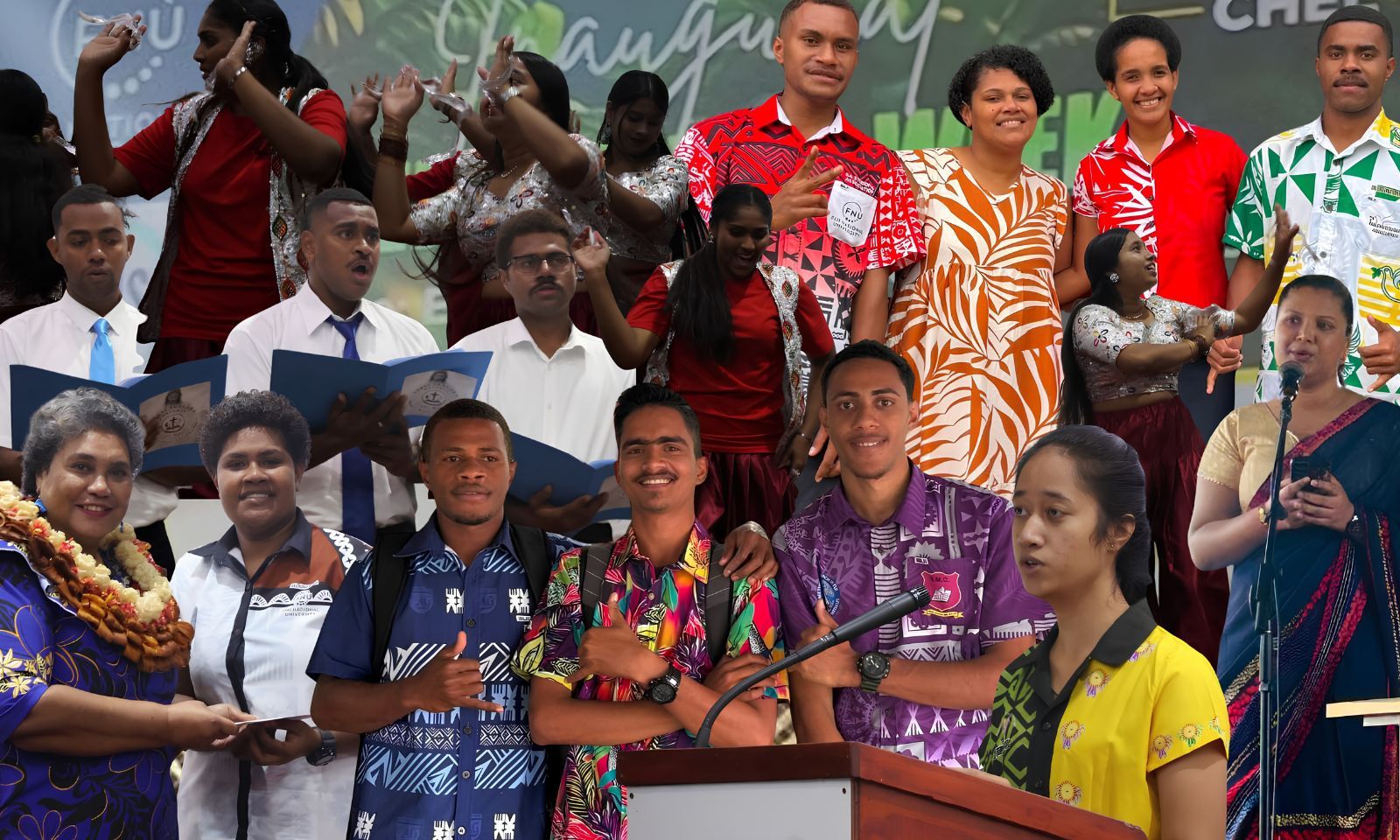
The week-long programme saw the celebration of Fiji's rich linguistic and cultural diversity, while encouraging students and staff to use, appreciate and share their vernacular languages. Photo/PMN News Composite
“The activities allow students not only to showcase their own culture but also to experience and appreciate the languages and traditions of others, because it builds respect and understanding across Fiji’s diverse communities.”
She says modern education and indigenous languages do not have to compete.
“We want them to see that they can be modern, educated and technologically connected while still being proud of the language they speak,” she says.
“They can be successful in higher education while still speaking their language, sharing their culture and valuing where they come from.”
Rayasi says universities have a key role in making sure Pacific languages are used beyond the home.
“Universities can also encourage students to see their languages as relevant to education, research, technology and professional life.”
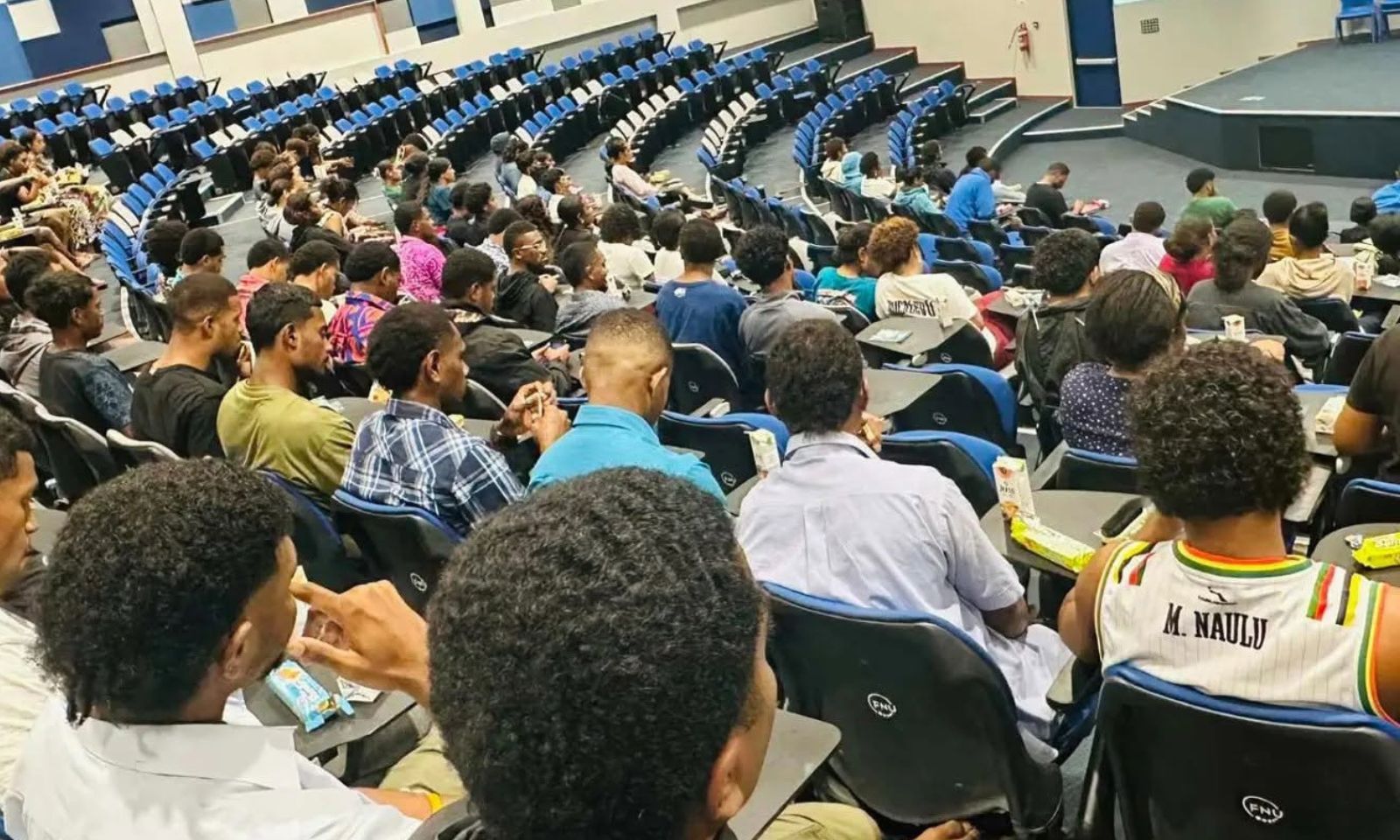
Dr Kasanita Rayasi, Assistant Professor at FNU’s College of Humanities, Education and Law, says modern education and indigenous languages do not have to compete. Photo/FNU
Sera Lockington, FNU Head of Language and Literature, says languages remain at risk of disappearing.
“We must not allow this to happen. We cannot allow our languages to be marginalised. We need to preserve our languages now,” she said during the celebration.
“What this means is decolonising our minds in order to keep our languages, identities and heritages alive.”
The call is also being made outside Fiji.
Viliame Naliva, a senior lecturer at Toi Ohomai Institute of Technology in the Bay of Plenty and Tauranga, says families and communities must also take responsibility.
“It is not a small issue. It is not something that we can take lightly,” he told PMN News.
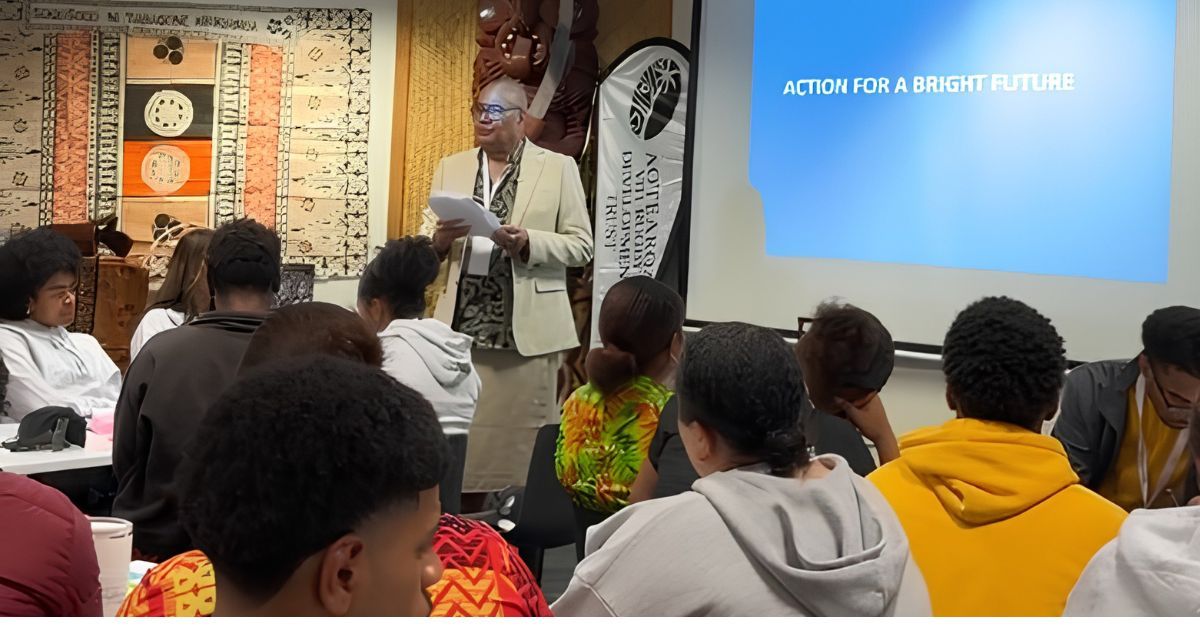
Viliame Naliva, a senior lecturer at Toi Ohomai Institute of Technology in the Bay of Plenty and Tauranga, says families and communities also have a responsibility. Photo/PMN News
“Starting from home helps a great deal, but the community also has a role to take a hard look at the issue and help our children because they will fear losing their identities.”
Rayasi says keeping language alive requires daily use, education and commitment across generations.
“Da maroroya na noda vosa, da karona, da vakayagataka ena veisiga. Me mositi keda tiko na noda vosa… e vakamatata taka na noda itovo kei na noda veiwekani ka sa bibi kina na kena vosataki, volai, ka vakauasivi na kena vakavulici e koronivuli. “Let us protect our language, cherish it, and use it every day. We must feel a deep concern for our language. It brings clarity to our customs and our relationships, which is why it is critical that it is spoken, written and, especially, taught in schools.”
Across the Pacific, universities including the National University of Sāmoa, Tonga National University, University of Fiji, and the University of the South Pacific are using indigenous languages in lectures and workshops.
Officials say the push is about making sure Pacific languages are not only remembered but used, taught and carried into the future.
Watch the FNU student choir end their Vernacular Week celebration with a Fijian hymn below.