
'Don't count yourself out': Porirua by-election candidate’s push for voter participation
Taelegalolo'u Mary AfemataFri, 09 Oct

Pacific authorities are urging responsible buying amid rising global oil prices.
Photo/PMN News/Ala Vailala/file
Amid soaring oil prices from the Middle East conflict, Pacific governments warn against panic buying and urge communities to prepare responsibly.




Pacific communities are being urged to prepare for tougher times ahead as rising global fuel prices begin to bite.
The spike is being driven by the ongoing Iran-United States-Israel conflict, which is disrupting global oil supply chains and pushing up prices.
One regional leader has warned the impact is already being felt in homes and daily life.
Speaking to William Terite on Pacific Mornings, Edwin Puni, chairman of the Pacific Leadership Forum, said the crisis is affecting more than just transport.
He says it's disrupting family life, cultural obligations, and already stretched household budgets.
“Every day there's something happening in the islands or there's funerals happening in New Zealand. And when these flights are cancelled, we already have limited flights to Sāmoa,” Puni said.
Watch Edwin Puni's full interview below.
"This will impact a lot of our normal family life both in the islands and here in New Zealand.”
Speaking with Fala Haulangi on PMN Tuvalu, former Labour MP Phil Twyford said the fuel price surge is compounding New Zealand’s wider cost-of-living crisis.
“The war in the Middle East is causing an economic crisis and petrol is very soon going to reach $4 a litre… everything you buy at the supermarket, for example… the increased costs because of the war are flowing through into everyday consumer goods.”
Watch Phil Twyford's full interview below.
Air New Zealand has recently cut some Pacific flights, citing rising fuel costs and operational pressures linked to the global price surge.
The airline is cutting around 1100 flights, about five per cent of its schedule, affecting some 44,000 passengers. While most reductions are frequency cuts, not full cancellations, Air NZ says Pacific and Tasman routes are largely protected.
Puni said the effects go beyond travel, especially with major events approaching.
“The month of May, there's some huge travel going across to Samoa… all of our churches that are travelling across, their plans will have to be relooked at and some will definitely not be able to get across.”
He also pointed to the wider cost-of-living pressure facing Pacific communities, saying the situation is worsening on the ground.
“The struggle is not only real, but it's getting worse for our people… putting food on the table, feeding the children before they go to school is a big problem.”
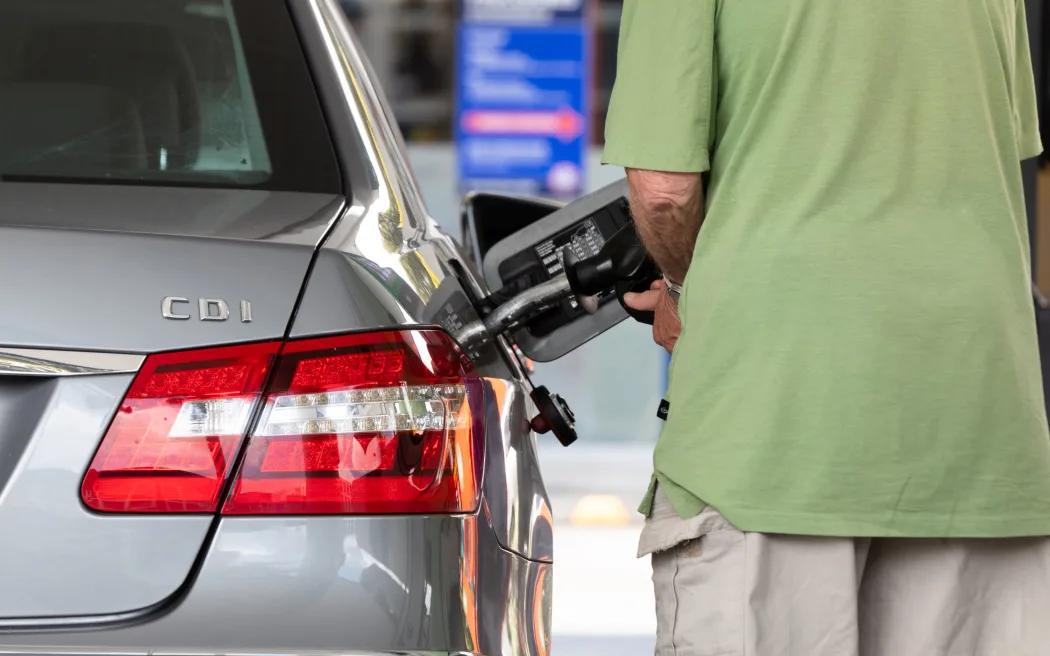
Sāmoa’s government confirms fuel stocks are healthy, but warns that panic buying could create unnecessary shortages. Photo/RNZ/Dan Cook
Puni said current government support in Aotearoa does not go far enough. “I would say that there's a lack of support… the government needs to step up and broaden the scope of their assistance.”
While the human impact grows, Pacific governments say fuel supply itself remains stable, for now.
In Sāmoa, a government statement confirmed a fuel tanker arrived on 24 March, with stocks expected to last between 50 and 60 days for petrol and diesel, and up to 80 days for jet fuel. Another shipment is due in early May.
The government stressed there is no immediate shortage, but warned public behaviour will be critical.
“There is no current fuel shortage in Sāmoa. However, panic buying and unnecessary stockpiling place avoidable pressure on supply and may restrict access for essential services and other members of the public.”
Elsewhere in the Pacific, the governments are also warning against panic buying, saying it could create shortages where none exist.
Cook Islands fuel reserves have dropped to about 20 days’ supply, with officials urging calm and no panic buying ahead of the next shipment.
Suppliers say stocks should hold, but warn the market has shifted and costs are set to climb in the coming months.
“There is, without doubt, significant price and cost increases on the horizon for the foreseeable several months,” TOA Petroleum owner Brett Porter told a Cook Islands Tourism global update on Friday.
In Fiji, authorities have reassured the public, saying “there is sufficient fuel supply in the country.” Authorities also warned that hoarding fuel is illegal and poses serious safety risks.
The Pacific remains heavily reliant on imported fuel, making it vulnerable to global shocks. Any disruption to key shipping routes, including through the Strait of Hormuz, could quickly affect both prices and delivery schedules across the region.
Despite this, leaders say there is no need for panic but communities should be ready.
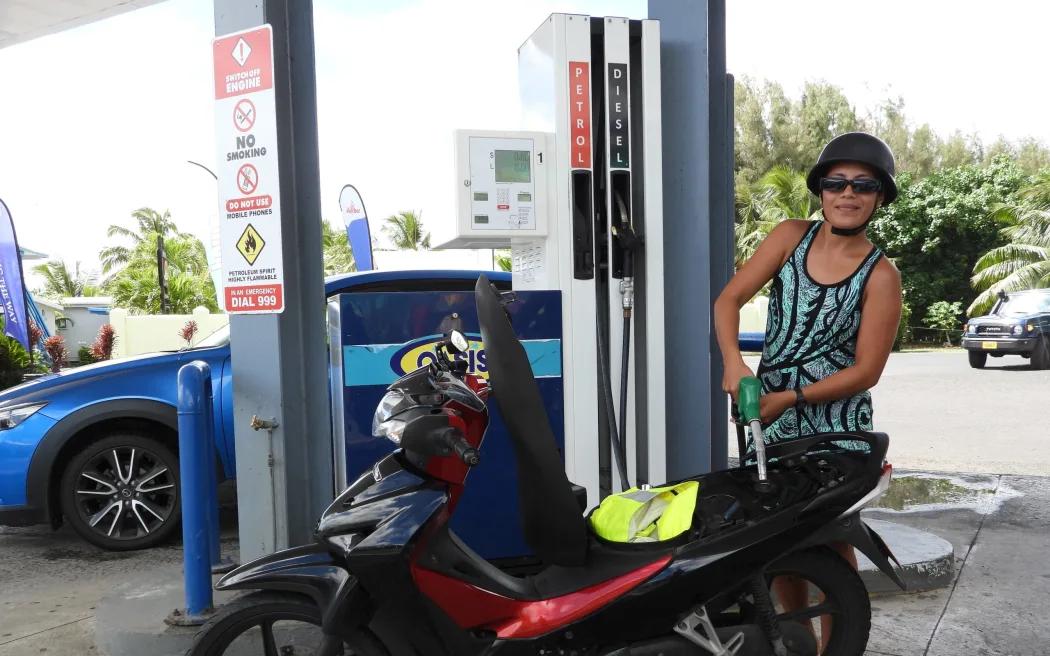
Commuters in the Cook Islands fill up amid tightening fuel supplies, with just weeks of stock remaining and further price rises expected. Photo/Cook Islands News/Talaia Mika
Puni is urging Pacific people to look out for one another and act early. “Our communities need to prepare ourselves… look out for each other. Our churches can play a big part, our community groups and providers.
“Let them know that our people are needing help right now. Don’t wait until it’s too late.”
As the situation develops, the message across the Pacific is clear: supplies are holding, but pressure is building. And how communities respond now could shape what happens next.