
Fiji reviews suspected cyber breach at Suva regional organisation
Christine RovoiThu, 15 Oct
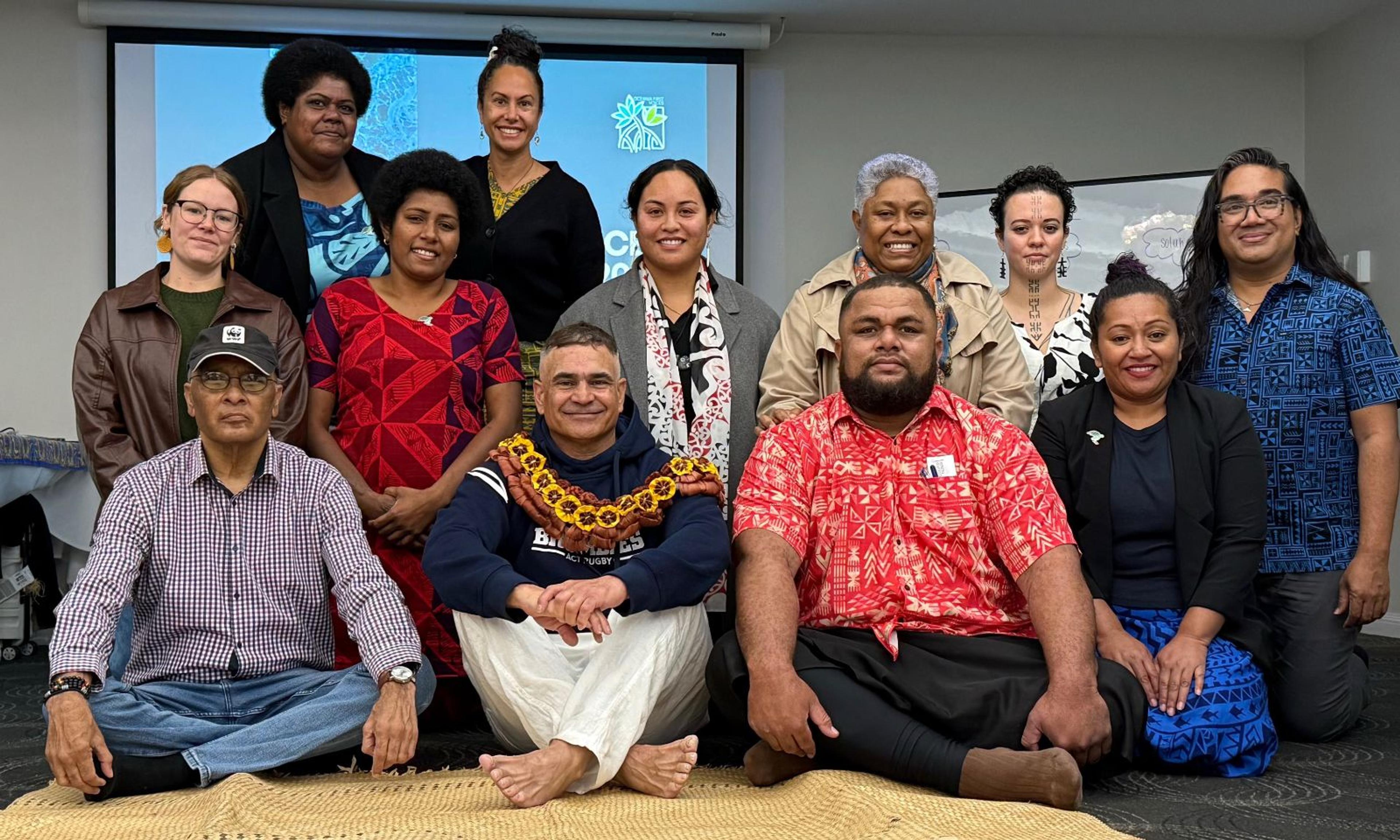
Part of the delegation of indigenous and community leaders meeting in Canberra, Australia this week.
WWF
As rising seas swallow ancestral graves and threaten homes across the region, Indigenous leaders are demanding a seat at the climate negotiating table.

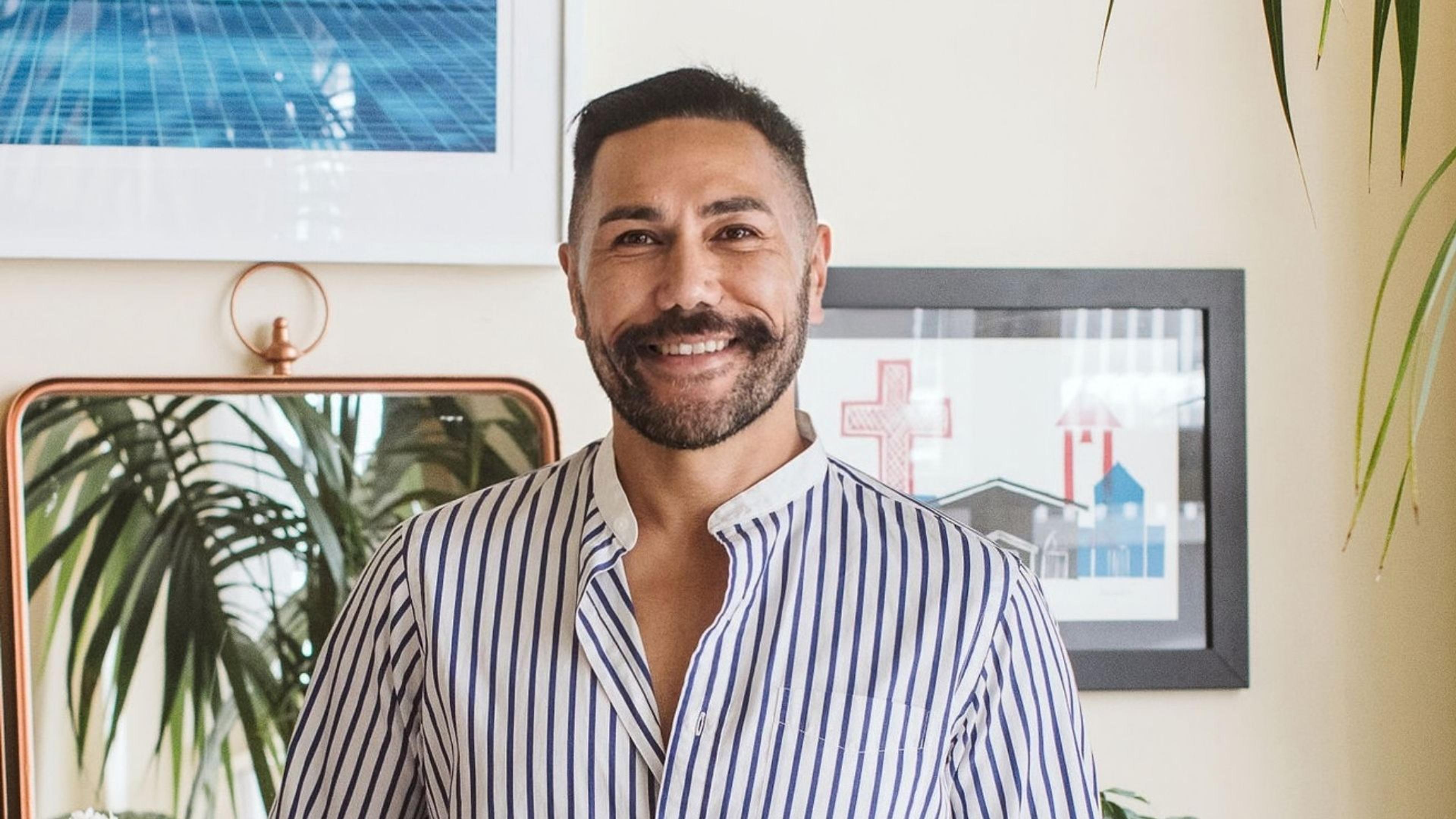

As Pacific communities lose homes, coastlines and even the resting places of their ancestors to rising seas, Indigenous have delivered a blunt message to governments ahead of the world’s next major climate summit: stop treating us as token voices and let us help lead the decisions.
Representatives from First Nations Australia, Aotearoa New Zealand, Fiji, and the Solomon Islands, gathered in Canberra this week for the Oceania First Voices workshop where they agreed on a united set of priorities to take into COP31.
At the heart of their message is a demand for governments to put Indigenous knowledge and leadership at the centre of climate action while keeping the global goal of limiting warming to 1.5 degrees Celsius alive.
Takesa Frank, a Yuin climate activist, said Indigenous communities have lived with and cared for their lands for generations yet remain largely shut out of the decisions that affect them most.
"We're losing connection to country and culture because of that," Frank told PMN News. "But on the other side, we have been caring for country and culture since the sunrise.
“We have the solutions for effective climate action to protect our country for future generations. Indigenous people must be at the center of these international conferences to ensure a sustainable future."
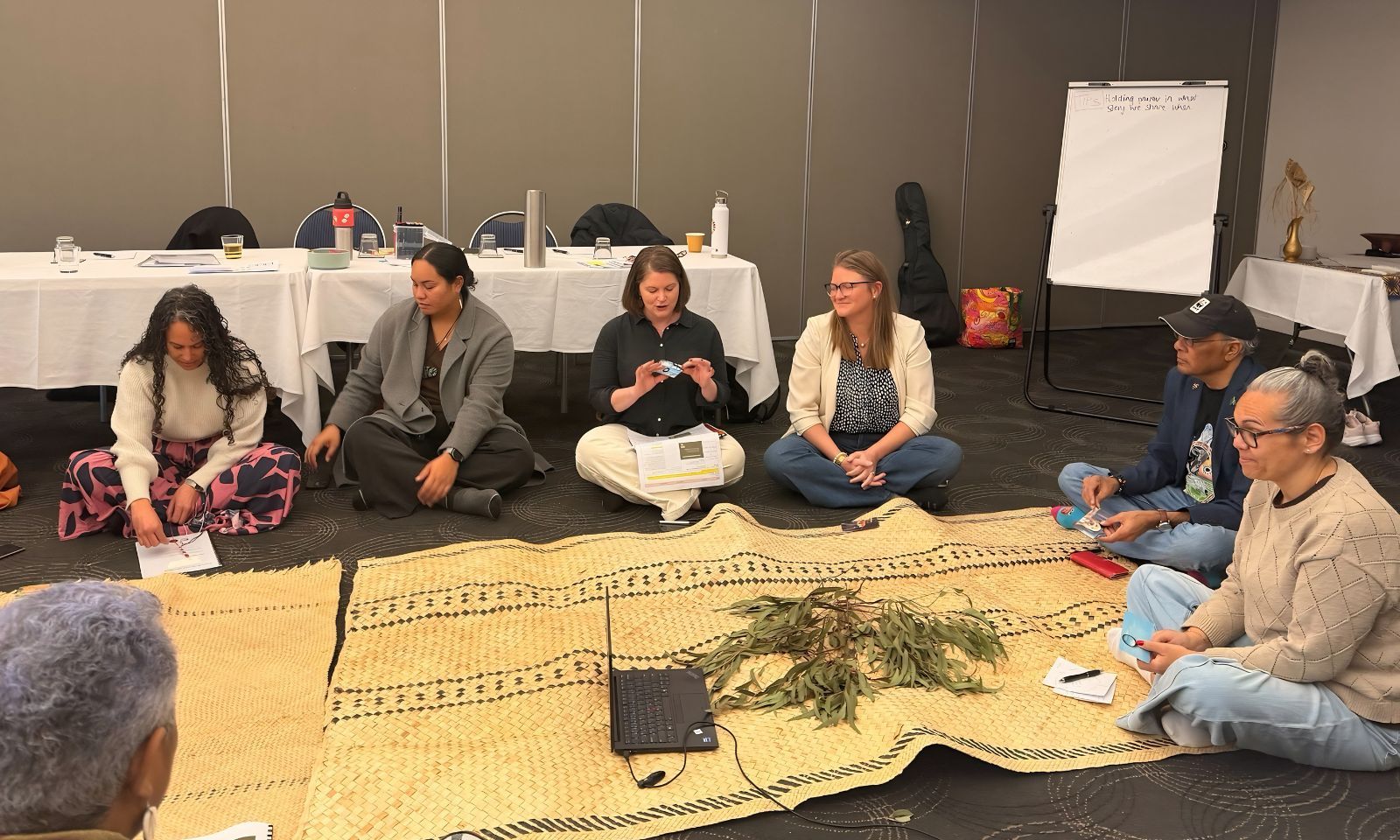
The three day Oceania First Voices workshop was out together by WWF Pacific. Photo/WWF
Frank said it was time to move beyond symbolic representation.
"Here in Australia, having Aboriginal people involved in things like this has often been quite tokenistic," Frank said.
"It is vital we move away from that and actually have First Nations people at the table helping make these decisions because, at the end of the day, they impact us the most. It's crucial that we are given a voice, and that our voice is actioned."
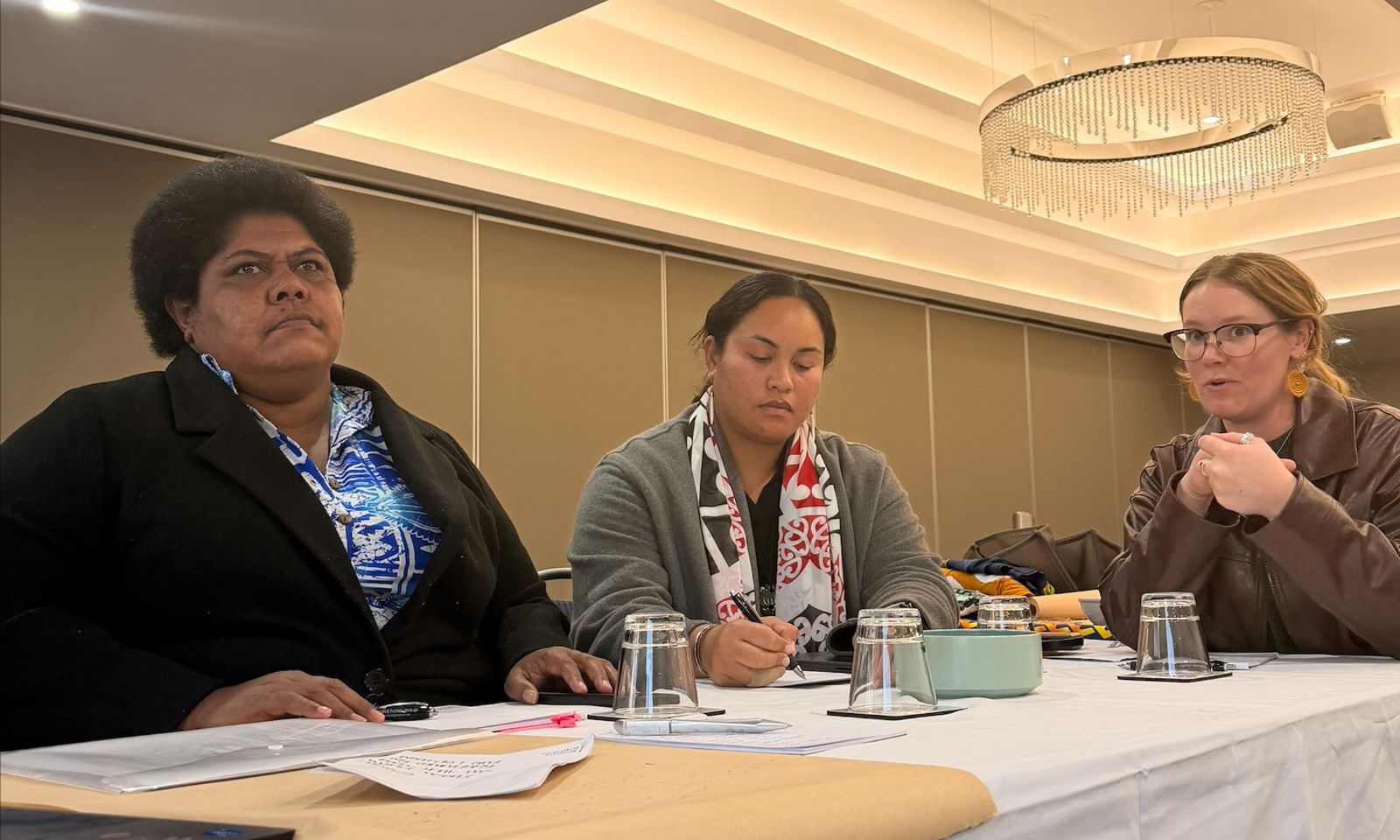
Lavenia Naivalu (Fiji), Anahera Nin( Aotearoa NZ) and Takesa Frank (First Nations Australia). Photo/WWF
Anahera Nin, a Māori delegate for Pou Take Āhuarangi National Iwi Chairs Forum (NZ), says the climate crisis is already threatening the places that connect her people to their ancestors.
"Eighty percent of our marae back home are vulnerable to climate impacts," she told PMN News.
"In my own community on my mother's side, most of our marae are in danger of falling into the sea. Where my great-grandmother is buried in our urupā (burial ground), we are already seeing erosion.
“Within the next 10 to 20 years, it is anticipated that urupā will be washed away. We are losing access to the crucial, literal genealogical ties to our lands and waters, the things that make us Indigenous, the things that make me Māori.”
In Fiji, those impacts are already a reality.
Lavenia Naivalu, a climate activist from Nacula, Yasawa, said rising seas recently washed over two graves in her village, exposing human remains and forcing families to rebury their loved ones.
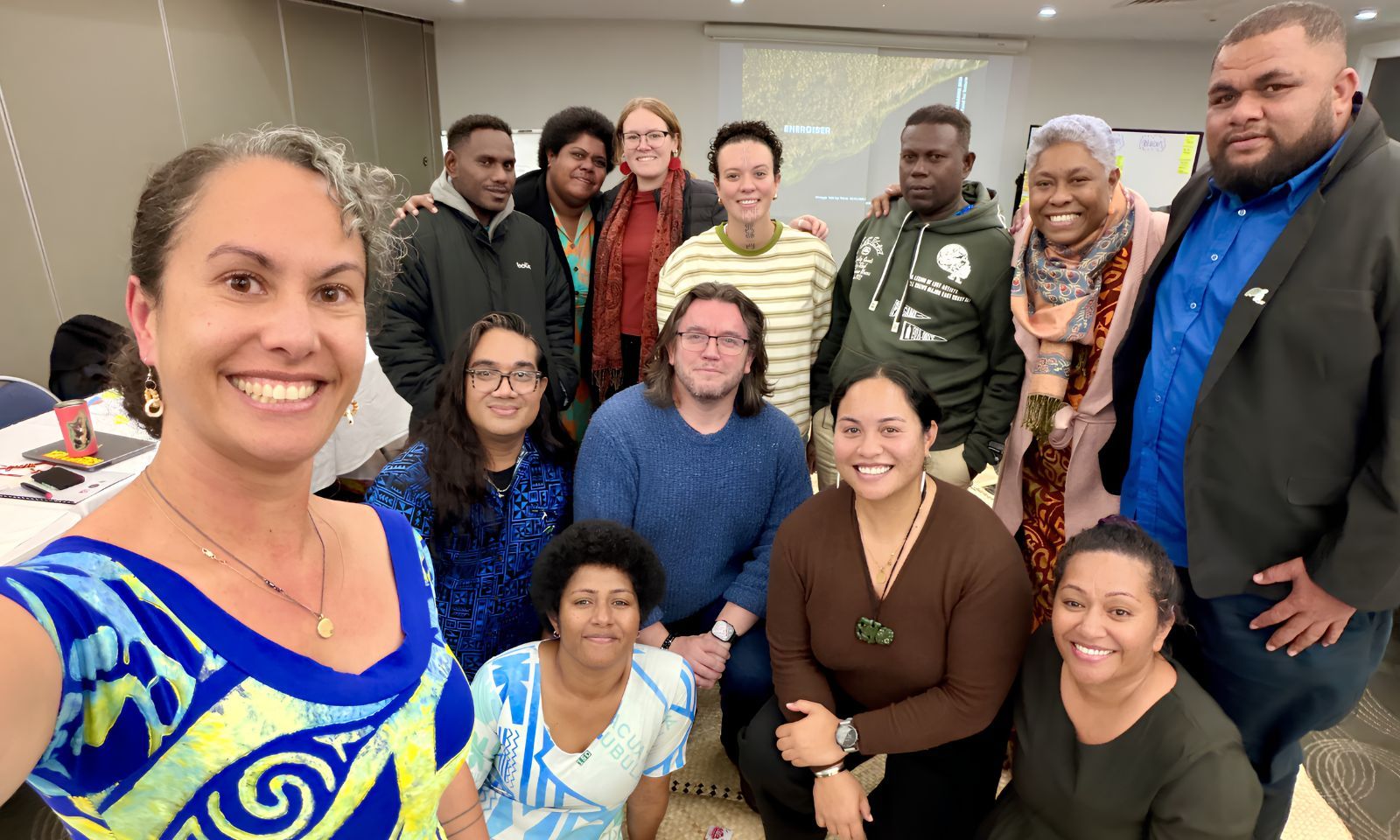
Representatives from First Nations Australia, Aotearoa New Zeland, Solomon Islands and Fiji with WWF staff. Photo/WWF
"We stood beside the grave, the pastor prayed, and we saw the children singing innocently," an emotional Naivalu recalled.
“The pain of seeing them lose the graves of their loved ones is the pain I take with me when I advocate in these conferences. This is what my communities go through."
Naivalu said international climate talks should hear directly from those living through the crisis.
"I wouldn't like somebody speaking on my behalf at these types of conferences," she told PMN News.
"Why not bring the voices of the communities themselves, especially the women and children, to amplify the struggles they go through as peoples of Oceania?"
The delegation has presented Australian officials with six key recommendations ahead of COP31, including stronger Indigenous leadership in negotiations, more direct climate funding for Pacific communities, embedding indigenous knowledge in climate policy and a transition away from fossil fuels.
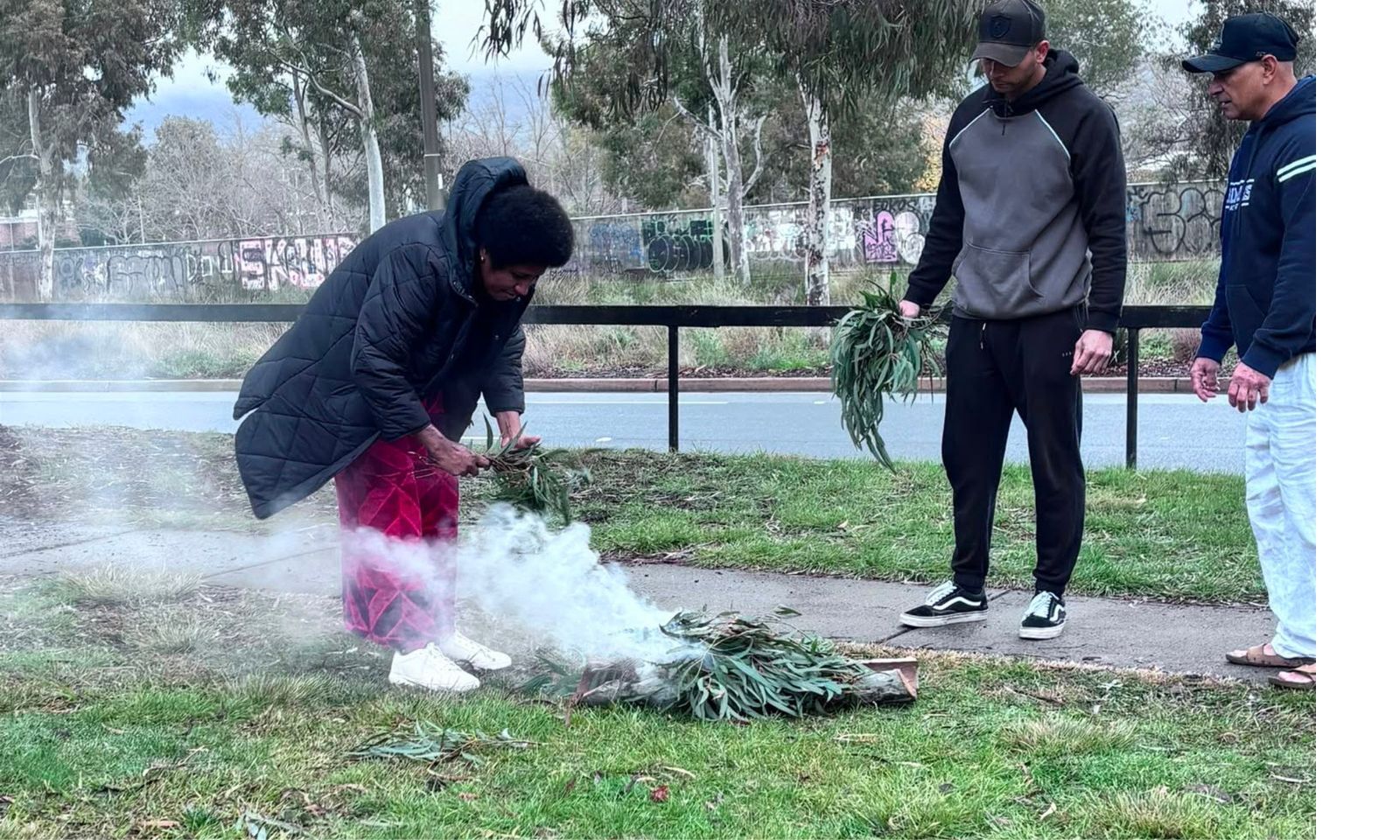
Talei Silibaravi ( Fiji) burns burns eucalyptus before the delegation walks through the cleansing smoke, a First Nations cultural practice serves as a formal welcome for visitors. Photo/WWF
“I would love to tell the Australian government that the 1.5 degree target is non-negotiable,” Naivalu says.
“This is our lifeline.”
The group’s outcome document will also be taken into upcoming regional climate meetings, United Nations discussions including the Local Communities and Indigenous Peoples Platform (LCIPP) regional meeting in Nadi as they push for Pacific voices to help shape climate decisions.
COP31 will be held in Antalya, Türkiye, from 9 to 20 November, 2026.
Watch WWF Pacific highlight the purpose of their Oceania First Voices program.