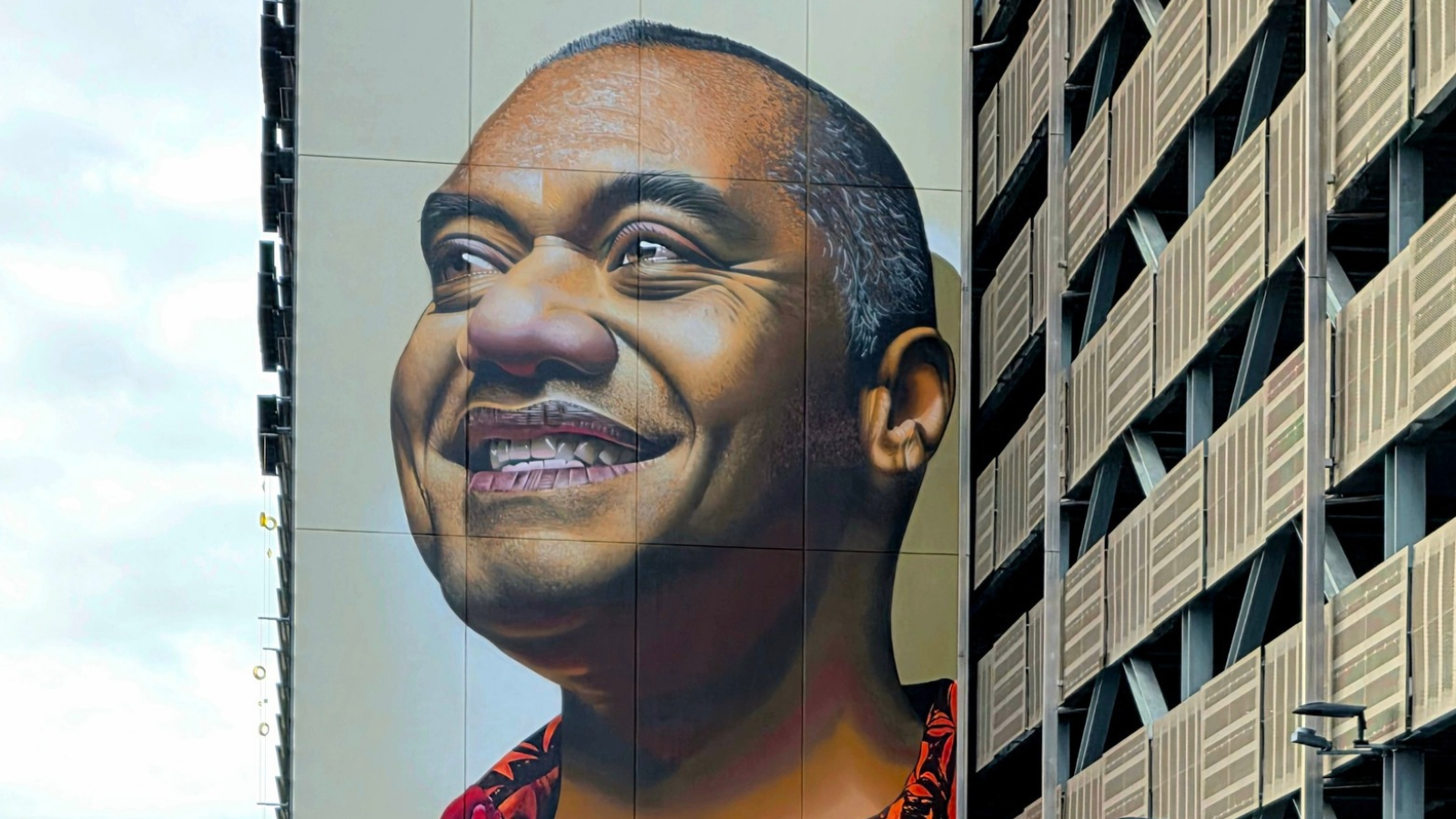
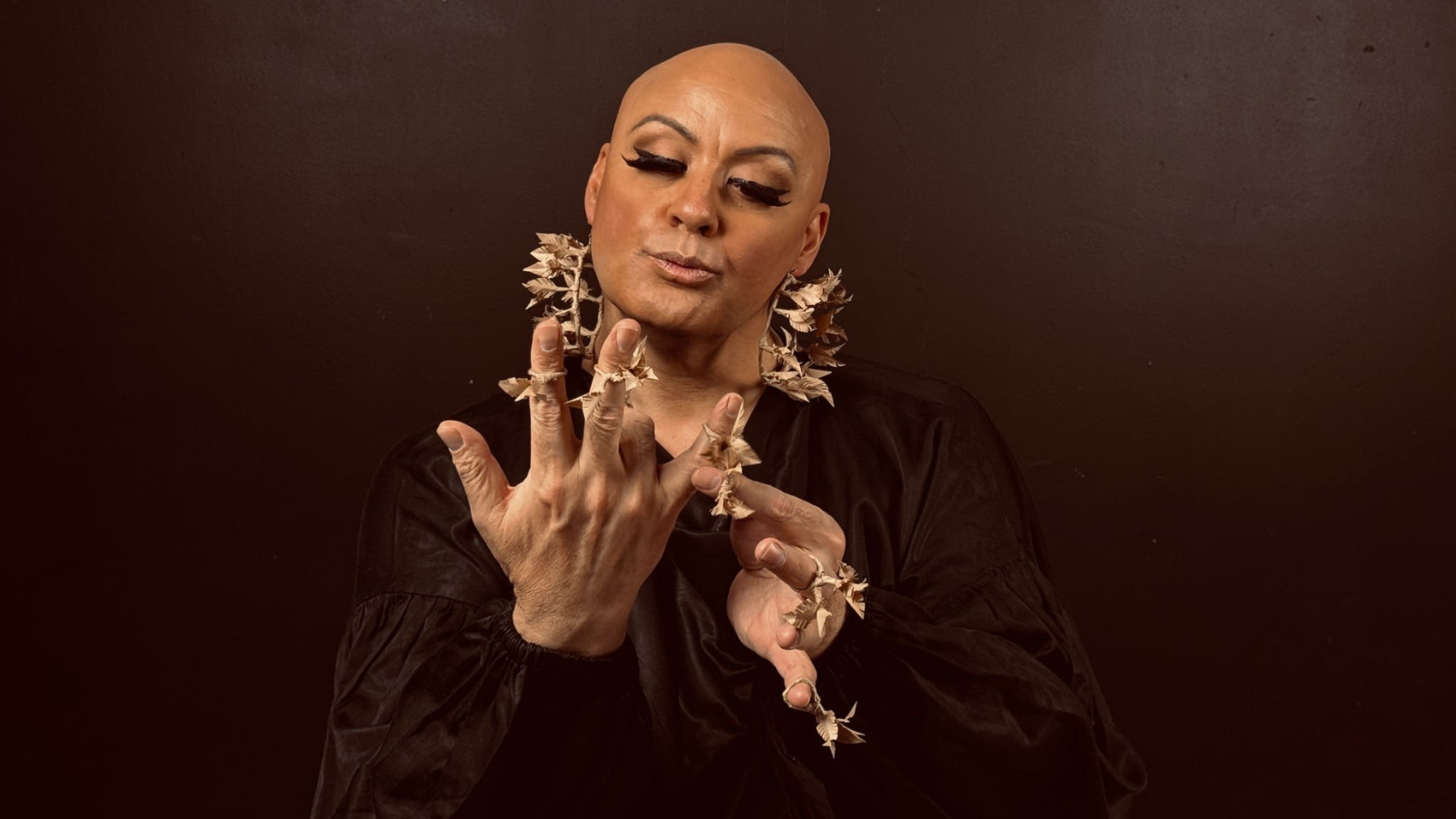
Lindah Lepou.
Photo/Lindah Lepou, AITU series, 2026/Lisa Fa’alafi (FALE'AITU)
Arts
Sāmoan artist finds her ancestor’s story inside Germany’s human zoos
Arts Foundation Laureate, Lindah Lepou’s new exhibition, Mata’AITU, explores 130 years of indigenous people being displayed.

Atutahi Potaka-Dewes
Published
05 August 2026, 12:36pm
Share
Copy Link
Top stories
PNG Chiefs win first round against New Zealand Rugby
Christine RovoiSat, 17 Oct
Pacific families must work four days to afford basic food: World Vision
Thomas Tarurongo WynneFri, 16 Oct

Sāmoa demolish France in record-breaking 78-4 RL World Cup opener
Christine RovoiFri, 16 Oct
Top stories
PNG Chiefs win first round against New Zealand Rugby
Christine RovoiSat, 17 Oct
Pacific families must work four days to afford basic food: World Vision
Thomas Tarurongo WynneFri, 16 Oct
Sāmoa demolish France in record-breaking 78-4 RL World Cup opener
Christine RovoiFri, 16 Oct
When Sāmoan fa’afafine artist and 2022 Arts Foundation Laureate Lindah Lepou travelled to Germany to research colonial human zoos, she was searching for history.
What she found was a connection to her own family.
While going through archives from Germany’s administration of Sāmoain the late 19th and early 20th centuries, Lepou discovered a list of Sāmoans taken to Europe to be displayed in human zoos.
Among those listed for a 1911 exhibition was a 10-year-old boy named Tolio - an ancestor from Lepou’s grandfather’s lineage from Vaiusu-Lepea who shared her family name
“I was just like, ‘Wow!’, there’s a personal thread there,” Lepou tells Andre Fa’aoso on Pacific Mornings. “So I went to Germany to research this boy.
“I went to the Markk Museum, looked at some old photographs and we had a lot of discussion about the intentions, perceptions, and beliefs around that period of time as to why they were taken, how they were taken.”
Watch Lindah Lepou's full interview below.
That discovery became the foundation of Lepou’s new exhibition, Mata’AITU (voyeur) , opening at Pātaka Art Museum in Porirua this week.
Mata’AITU explores 130 years of human displays in Western Societies - from 19th century human zoos and early cinema to today’s social media platforms, which Lepou describes as a modern “digital zoo”.
She said Tolio’s story also connected with her own childhood experience.
At eight years old, Lepou was moved from Cannon Creek, Porirua, to live with her grandparents in Vaiusu, Sāmoa, during the period of the New Zealand Dawn Raids.
“That young Tolio…that was taken to Germany and displayed in the zoo, I had resonance with that child,” Lepou says.
“I, too, was plucked out of New Zealand at that similar age and was plonked in Sāmoa... The trauma, the abruptness of that happening in my life was really tough. But I think what it taught me in hindsight was resilience and also the ability to adapt."
Lepou has spent three decades building a practice that combines fashion, contemporary art and Pacific identity.
She pioneered what she calls “Pacific Couture”, creating a visual language shaped by her experience as a fa’afafine artist and her connection to gafa aitu (ancestral spiritual lineage).
Her work was shown alongside major fashion names including Dior, Vivienne Westwood, and John Galliano.
Through Mata’AITU, Lepou combines fashion, photography, film, and digital media to question how indigenous bodies have been watched, displayed and commodified over time.
But the exhibition also turns the focus back on the audience.
"I'm flipping the gaze on the audience member where they come in, they're looking at this exhibit, but they're also being watched via a live stream to a global audience," Lepou says.
"In the past, I'm like, ‘Look what they did to us’. And here I am now selling myself and displaying myself.
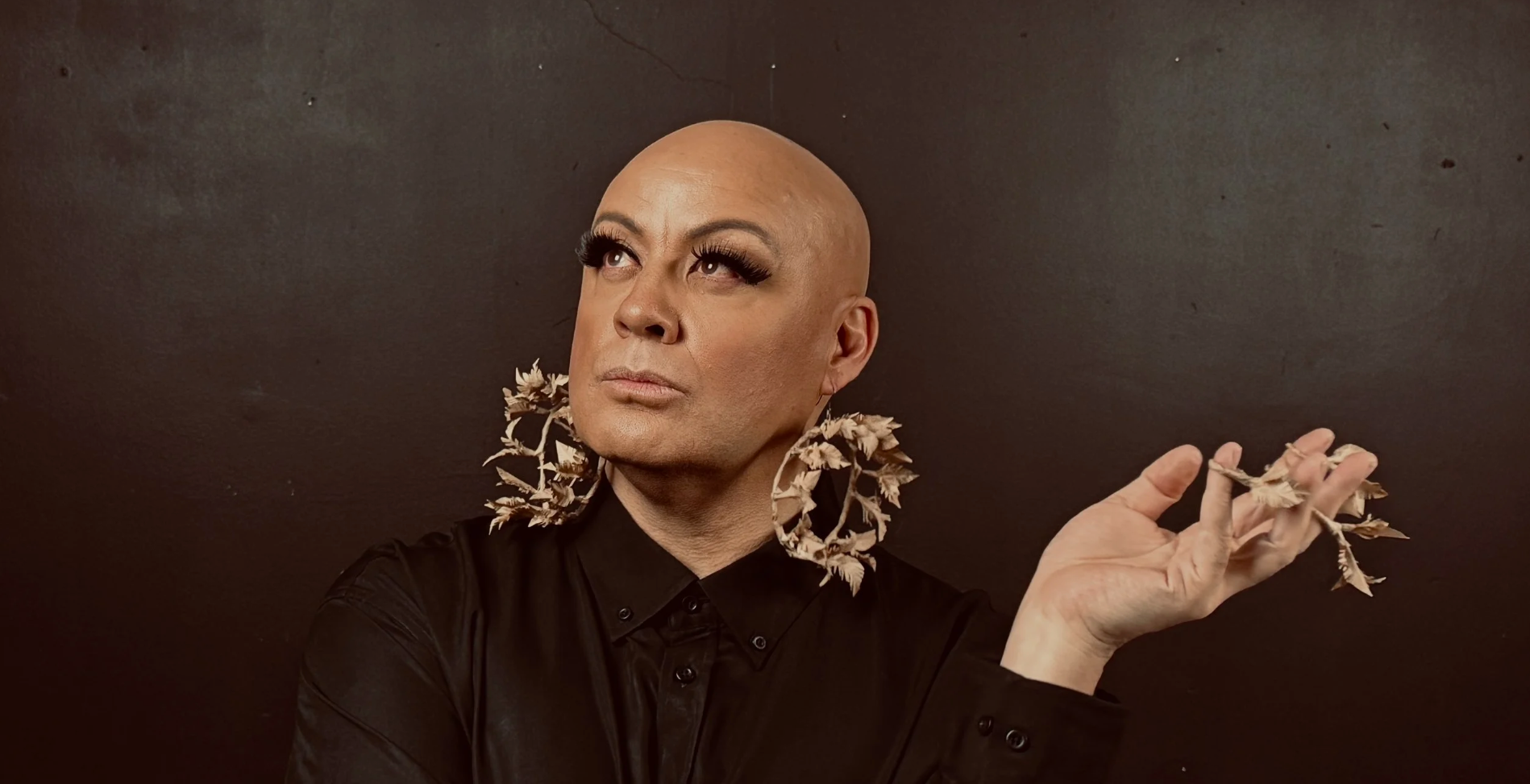
Lindah Lepou received the 2022 Arts Foundation Te Tumu Toi Laureate for the inaugural LGBTQA+ Queer Award and the winner of the Creative NZ Pacific Aniva Artist Resident Award at the Govett-Brewster Gallery in Taranaki (2025). Photo/Lisa Fa'alafi (FALE'AITU)
“As I flip the gaze, I'm literally looking at myself in the mirror going, ‘wow, are you doing the same thing, but to yourself this time?’
“Have we evolved or devolved this concept?”
Through Mata’AITU, Lepou reclaims a family story once marked by exploitation and turns it into a conversation about identity, history and choice.
Mata’AITU (voyeur) by Lindah Lepou opens at Pātaka Art Museum on 8 August and will run for three months.