

Sir Ewan Smith and David Tohi say the Pacific aviation sector needs to adapt.
Photo/Composite
Pacific Region
Pacific aviation under strain as fuel shock raises fears for airline future and cooperation
Small airlines across the region are under growing pressure as a sharp rise in fuel costs puts an already fragile aviation system closer to breaking point.

Khalia Strong
Published
23 April 2026, 12:32pm
Share
Copy Link
Top stories


'Don't count yourself out': Porirua by-election candidate’s push for voter participation
Taelegalolo'u Mary AfemataFri, 09 Oct

Top stories
'Don't count yourself out': Porirua by-election candidate’s push for voter participation
Taelegalolo'u Mary AfemataFri, 09 Oct
Pacific aviation is facing one of its toughest tests yet as a sharp rise in jet fuel prices linked to global supply disruptions forces airlines across the region to confront questions about whether they must cooperate more closely or risk further failures.
Operators say the pressure is now being felt across the board with conflict in the Middle East driving up fuel costs, airfares, and growing uncertainty over future services.
Sir Ewan Smith, managing director of Air Rarotonga, says the fuel shock is unprecedented and many Pacific airlines are already in a fragile position.
“A lot of South Pacific airlines are in quite a perilous financial state, and they rely heavily on governments and foreign aid donors to sustain their ongoing operations,” he tells William Terite on Pacific Mornings.
“We’re looking at more than 100 per cent increase in the cost of fuel next month. That’s probably the biggest cost shock that we’ve ever had, aside from shutting down altogether or pretty much altogether during Covid.”
Smith says the impact will not be felt evenly across the region.
Watch Sir Ewan Smith's full interview below.
“You’ve got countries with strong tourism sectors and those without, and that really determines which airlines survive.”
David Tohi, Secretary General of the Association of South Pacific Airlines (ASPA), says the latest pressure has made an already difficult environment even harder.
“The Pacific is a really tough environment for aviation, where you have small markets, high costs, infrastructure and resourcing challenges, lack of access to capital, and not a lot of margin for error,” he tells Terite.
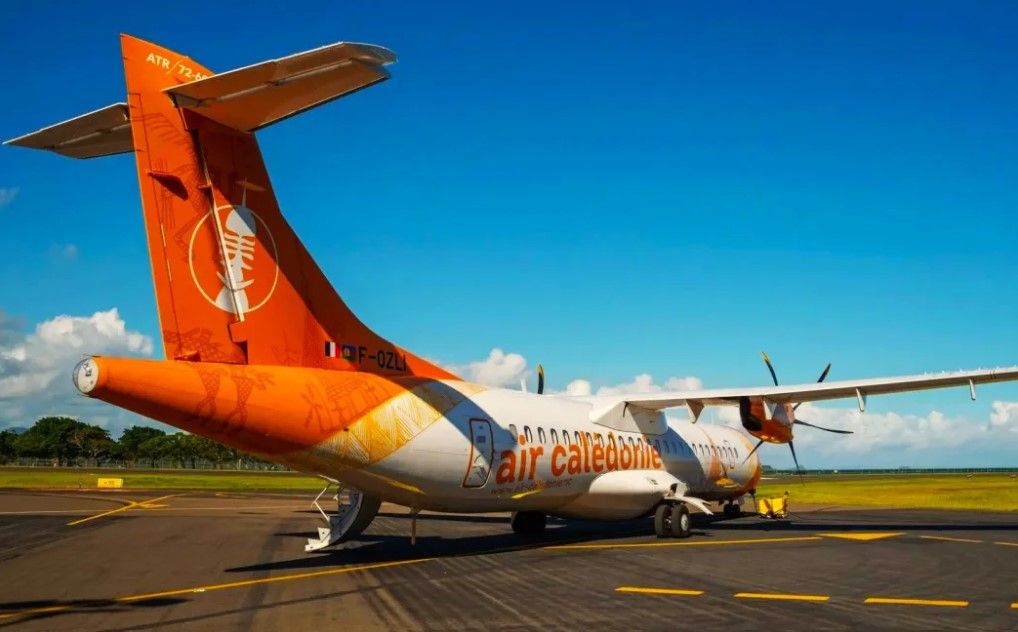
An ATR-72 aircraft from Air Calédonie Photo/RNZ
He says the recent collapse of a domestic airline in New Caledonia is a warning sign and highlights the risks many operators face.
“Limited passengers, the high fuel costs at the moment, aircraft parts require US dollars, and the challenge of running viable routes across long distances.”
Travel costs are already rising with analysts saying Air New Zealand fares are up by around a quarter compared to a year ago.
Vincent George, a travel agent, told RNZ he has seen fares from Aotearoa to the Cook Islands rise by about $200.
The pressure is not only financial but also structural with airlines struggling to maintain reliable schedules as costs climb and margins tighten.
One Air New Zealand service to Rarotonga was forced to turn back to Auckland last month due to a technical issue, highlighting the strain on aircraft operations.
Watch David Tohi's full interview below.
Cooperation or collapse?
As pressure builds, attention is turning again to whether Pacific aviation needs closer regional cooperation to stay viable.
A proposal from the Government of Sāmoa to help fund a new airline through diaspora contributions has added to the wider discussion about how airlines in the region should be structured and supported.
Tohi says there is a growing recognition that airlines may need to work more closely together like sharing costs and resources where possible.
“I would have hoped that they would have shared the risk a bit by probably going into a cohort or a grouping with Tonga, Niue, or similar neighbouring islands,” he says.
“That could be things like conducting joint training, purchasing fuel or aircraft parts together to bring costs down, sharing maintenance services, also the sharing of safety audit reports, or coordinating flight schedules so airlines are not competing on the same thin route,” he says.
But not everyone believes deeper integration is realistic.
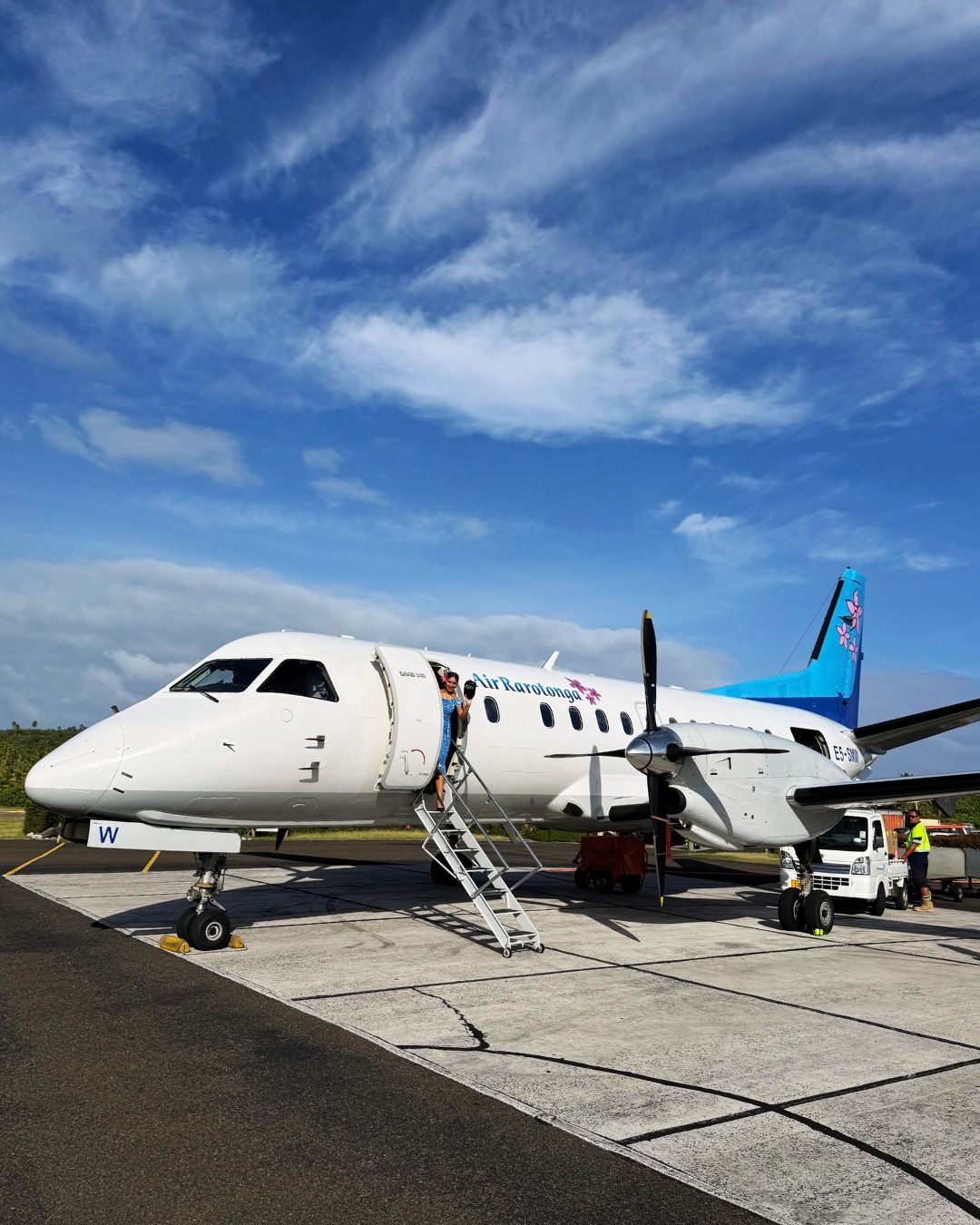
Air Rarotonga was established in 1978, and three-quarters of it's services are for tourism. Photo/Facebook
Smith says Pacific aviation has long moved through cycles of airline growth, failure, pause operations, and recovery. He adds this has been shaped by politics as much as by economics
“You just see the ongoing carousel we’ve seen for the last 20 or 30 years. Some come, some go, some get picked up, some don’t. But governments sustain their national airlines for political and economic reasons until they can't afford to do it.”
Tuvalu will virtually host this year’s Pacific Aviation Ministers meeting, with a date yet to be announced.
With fuel costs surging, fares rising, and operational disruptions emerging, Pacific aviation now faces a clear challenge: whether cooperation can strengthen a fragile system or whether more services will come under threat in the months ahead.