
‘We don’t talk about money’: William Bilitaki wants Pasifika families to break the silence
Elenoa TuragaiviuTue, 13 Oct

Fenix managing director Andrew Shelley and Minister of Defence Judith Collins say drones could be an eye in the sky for the Pacific Ocean.
Photo/Supplied/File/Wikimedia Commons
Long-range unmanned aircraft could improve surveillance across Pacific waters, supporting regional fisheries protection and maritime security.


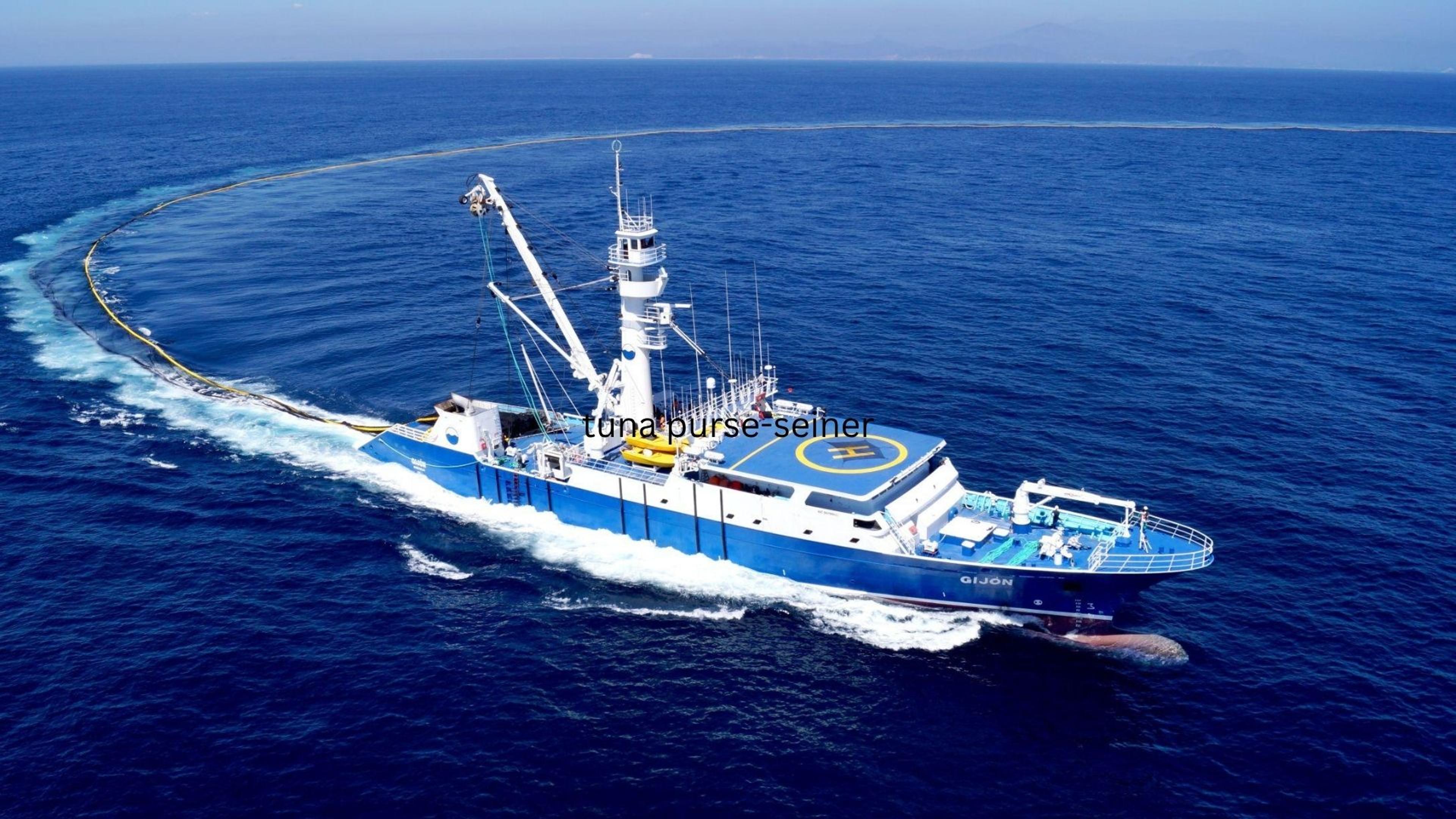

New Zealand is exploring long-range drones to help Pacific nations monitor their waters, targeting illegal fishing, drug smuggling, and other maritime threats.
The government says the technology could give countries across the region better surveillance over vast ocean seas, protecting fisheries, food security, and livelihoods.
The move comes amid growing concern about Pacific maritime security, as New Zealand reassesses its defence posture and invests in modernising the Defence Force.
Long-range drones are being considered to provide persistent monitoring across the Pacific region.
The discussions form part of the Defence Capability Plan released last year, which highlights uncrewed technology, including remotely piloted aircraft.
Dr Andrew Shelley, founder of Fenix Flight Training, says officials are seeking advice from industry specialists and academics through workshops this month, with a business case expected later this year.
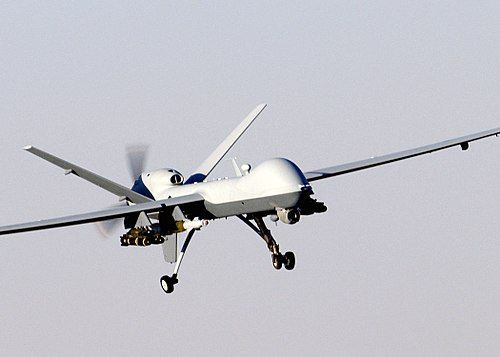
The MQ-9, or Predator 2, is a remotely piloted aircraft which can be used for long-distance surveillance or attack missions. Photo/Wikimedia Commons
“What they're looking for is the ability to have persistent surveillance over the Pacific so that we can detect things like illegal fishing, smuggling of drugs … which then create horrendous problems for Pacific countries,” he tells Pacific Mornings host William Terite.
Shelley says there are technical and logistical challenges to operating drones. He says that costs are a major factor.
Using the Predator drone as an example, he says a maritime version capable of 24-hour missions could cost around US$30 million (NZ$52 million).
Listen to Andrew Shelley's full interview below.
Shelley also says that satellites have limits, such as cloud cover, and other technologies, including surface and uncrewed underwater systems, should be considered.
In a statement to RNZ, the Defence Ministry linked the work to a long-range remotely piloted aircraft project, with indicative costs of NZ$100–300 million, but adds that drones may not be the only surveillance option.
Pacific voices emphasise the importance of strong surveillance. Sangaa Clark, chief executive of the Parties to the Nauru Agreement, told Reuters the operation shows how Pacific nations can work together to protect the fishing industry.
“Our fisheries are critical for food, jobs, and income. We rely on strong surveillance to protect them.”
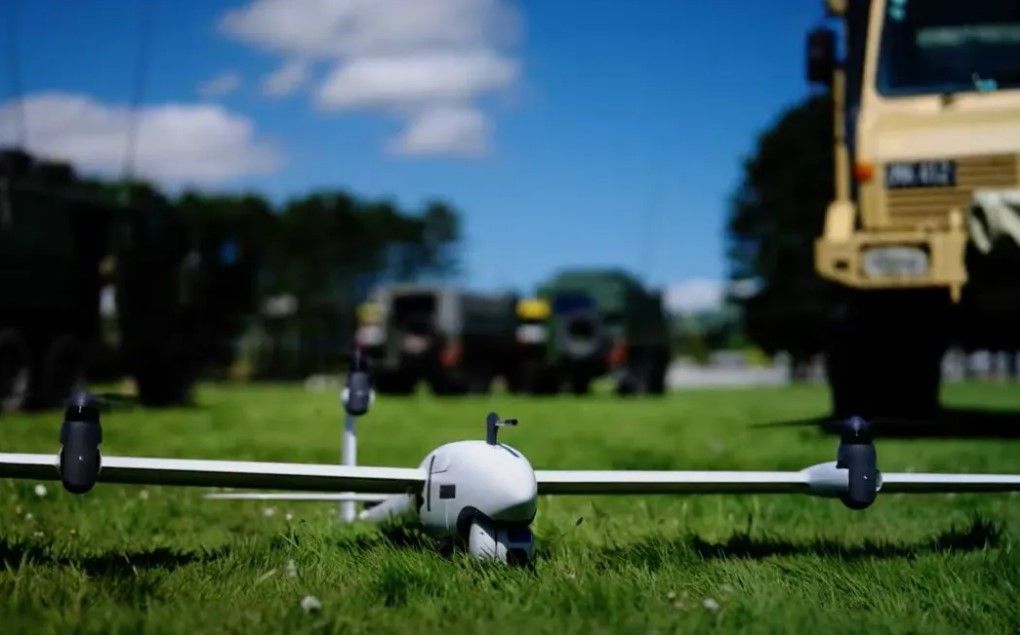
Military and navy groups have been exploring the use of drones for years. Photo/Youtube/NZDF
The drone project complements broader defence expansion. In April last year, the government announced a NZ$12 billion investment over four years to build a “modern, combat-capable” New Zealand Defence Force, with funding expected to more than double in the next eight years.
Regional operations already demonstrate the value of surveillance. Operation Kurukuru, conducted in November by the Pacific Islands Forum Fisheries Agency (FFA) and supported by the Australian Defence Force, inspected 126 fishing vessels across more than 30 million square kilometres of ocean.
By combining advanced drones with existing satellite, surface, and underwater monitoring, New Zealand aims to support Pacific partners in safeguarding maritime resources while addressing growing transnational threats.