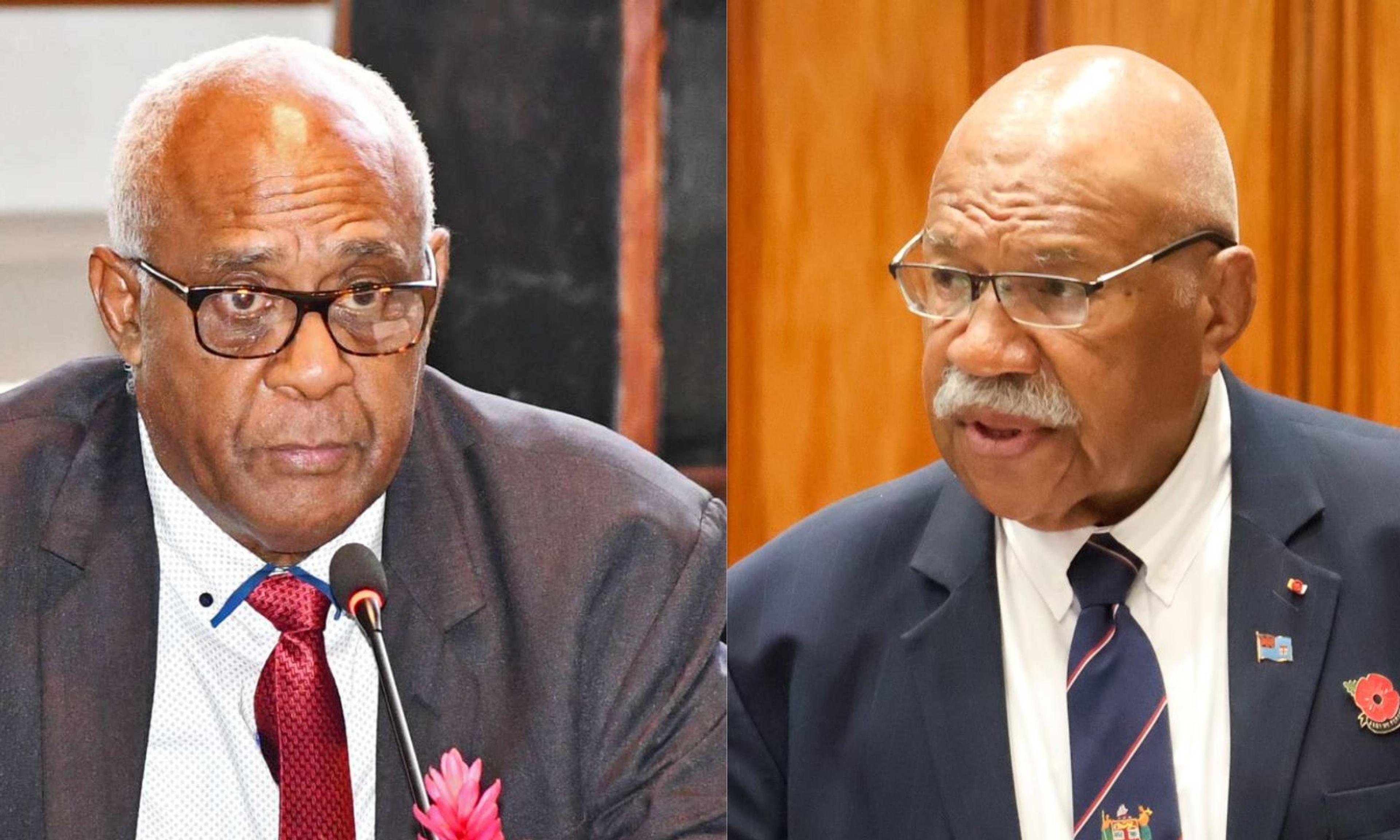
Fiji's Great Council of Chiefs chair Ratu Viliame Seruvakula, left, and Prime Minister Sitiveni Rabuka.
Photo/Fiji government
Pacific Region
Nothing to fear about the Great Council of Chiefs, Rabuka says
All communities are reassured of the GCC's commitment to unity and national welfare as the army signals renewed cooperation with the chiefs.

PMN News
Published
02 December 2025, 10:56am
Share
Copy Link
Top stories
Top stories
Fiji's Prime Minister Sitiveni Rabuka has publicly assured non-iTaukei communities that the country's chiefs remain committed to national unity and social harmony, urging citizens not to fear the revived Great Council of Chiefs (GCC) or Bose Levu Vakaturaga (BLV).
Speaking after the opening of the GCC in Suva last week, Rabuka emphasised that the chiefs are responsible leaders who have the "national interest at heart.
"There is nothing for anyone to fear," he says, adding that the council, which he attends alongside government, will work with authorities to promote respect, human dignity, and social responsibility among youth, including encouraging respect for women and greater community welfare.
The GCC was formally reinstated after the passage of the iTaukei Affairs (Amendment) Act 2023, restoring the traditional leadership institution that had been abolished under the 2012 reforms.
The first official meeting at the rebuilt “Vale ni Bose” complex was unveiled earlier in 2025. The new facility symbolises a revival of traditional leadership and cultural identity for many iTaukei.
Supporters portray the GCC’s return as a chance to address long-standing issues in indigenous communities: social ills, preservation of culture and language, and reaffirmation of identity.
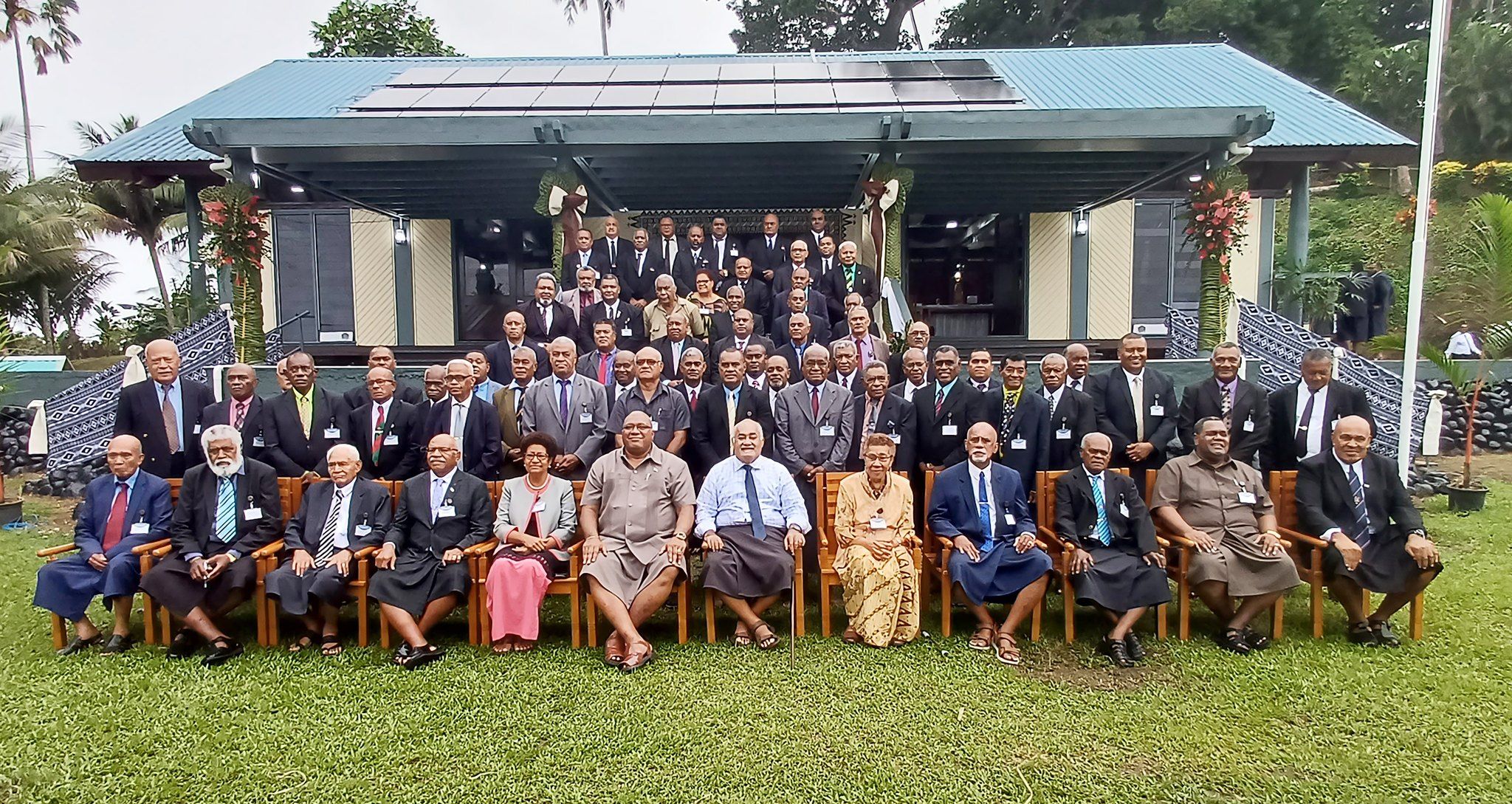
Fiji's Great Council of Chiefs (GCC) or Bose Levu Vakaturaga (BLV). Photo/Facebook/Fiji government
Prominent chief Ro Teimumu Kepa described the reopening of the GCC as “more than just an institution, a revival of cultural identity".
But the GCC’s history has been controversial. As an organisation, once constitutionally linked to governance, it was accused of favouring iTaukei (indigenous) interests, sometimes at the expense of other ethnic communities.
Last week, the Republic of Fiji Military Forces (RFMF), led by its Commander Ro Jone Kalouniwai, made a major symbolic gesture: presenting a formal traditional apology (matanigasau) to the GCC for its role in suspending the body in 2006, after which the council had been disbanded.
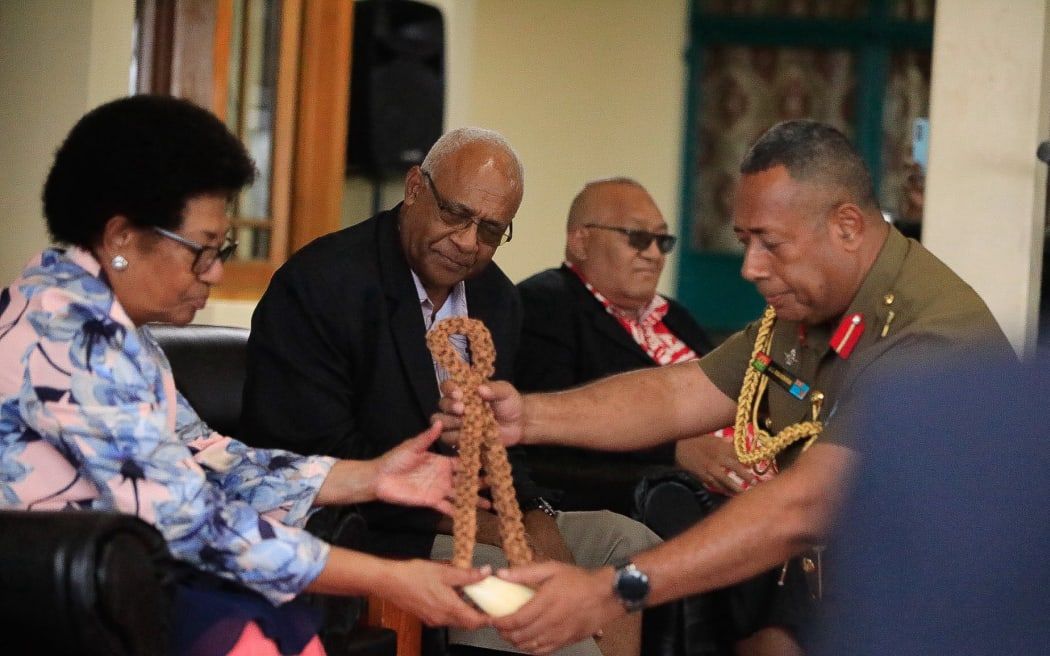
Ro Teimumu Kepa, left, accepts the traditional offering on behalf of the GCC from army commander Ro Jone Kalouniwai. Photo/fijivillage.com
At the ceremony, held at the RFMF Headquarters in Nabua/Queen Elizabeth Barracks, the army commander, a chief himself, publicly acknowledged the past mistakes.
He described the 2006 removal of the GCC as a “condescending move", using the iTaukei word “kalawaci” to highlight how the action undermined the traditional authority and respect of the chiefs.
Kalouniwai says the apology is part of a broader national reconciliation effort. He adds that the RFMF recognised that the decision to disband the GCC had caused hurt and division, and presenting the matanigasau was a necessary step to rebuild trust with the indigenous institution and with all Fijians.
The chiefs accepted the gesture. As Ratu Viliame Seruvakula, Chairman of the GCC, put it, the act of reconciliation “marks a defining moment since the events of December 2006".
The Fiji Times reported that Ro Teimumu, who received the military's presentation, responded: “What happened in the past in relation to the Great Council of Chiefs is something that affected us deeply. That is why what you have done today is so significant.
"Never again should the RFMF shake the nation. Think of us, think of your children and grandchildren, and think of our citizens."
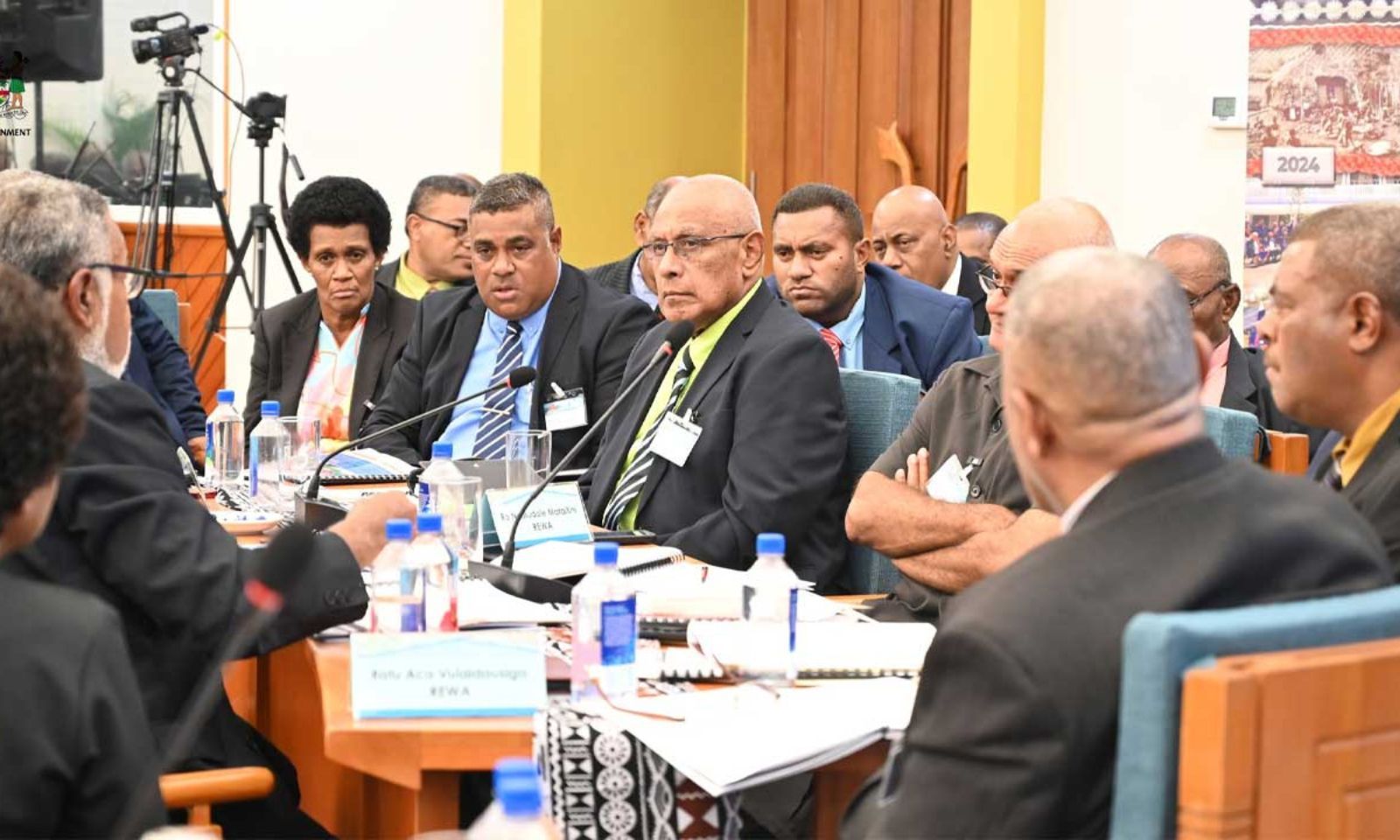
Fijian chiefs meet in Suva. Photo/Supplied
The ceremony did not erase history but many observers describe it as the clearest signal yet that the military and traditional leadership are actively seeking to rebuild relations under the banner of unity and national reconciliation.
Since the council’s re-establishment, there have been some concerns raised by non-iTaukei Fijians about potential implications, especially around constitutional reform.
After recent comments by the GCC about revisiting constitutional questions, civil society groups say they are watching closely.
Vineel Nand, an Indo-Fijian from Nadi, told the media: “The Constitution cannot be changed overnight. We need thorough public consultation and a two-thirds majority in Parliament. I’m not for changing the Constitution right now, especially given the State of Fiji.”
Another critic, Zoheb Ali from Labasa, questioned the GCC’s priorities: “They should first make the constitution for their own people to help reduce crime, drug issues faced by students, HIV, and domestic violence.”
Ali warned that constitutional discussions risked overshadowing urgent social problems.
Watch Sitiveni Rabuka speak to the media following the opening of the Great Council of Chiefs meeting in Suva.
While there has been no strong body of publicly-documented voices from non-iTaukei community leaders endorsing or rejecting the GCC’s revival so far, many appear to be adopting a “wait-and-see” approach, reflecting uncertainty over how the restored council will behave in practice.
Experts believe the real test for the GCC will come when its first major recommendations or interventions are made, especially on issues such as constitutional reform, land rights, cultural policy, education, or social welfare.
If these demonstrate fairness and inclusivity, they could assuage non-iTaukei worries. Transparency will be key. As one critic noted, the GCC needs clarity, not vague calls for change, to gain trust.
More voices: Encouraging informed public commentary from across Fiji’s diverse communities - indigenous, Indo-Fijian, and others - will be important.
The absence of strong non-iTaukei reactions: Collaboration between the military and chiefs - the formal apology and recent signing of a memorandum of understanding between the army and the GCC for training and partnership could define whether this marks a long-term shift or remains symbolic.
Watch Jone Kalouniwai present the military's apology to the chiefs below.
Rabuka has told the Truth and Reconciliation Commission (TRC) that his role in the 1987 coups was driven by the “insulated” upbringing that shaped his racial worldview as a young military officer.
Appearing before the commission for the first time, Rabuka says he grew up in a village, boarding school and the military, and believed at the time that he was protecting indigenous Fijians.
Now 77, the Prime Minister says the coups forced the country to confront issues of identity, inequality and fear, though he acknowledged they caused deep divisions.
The TRC was set up by his own coalition government earlier this year to examine Fiji’s past political upheavals and promote national healing.
Rabuka also faced questions about whether removing immunity for coup perpetrators under the 2013 Constitution could help prevent future coups.
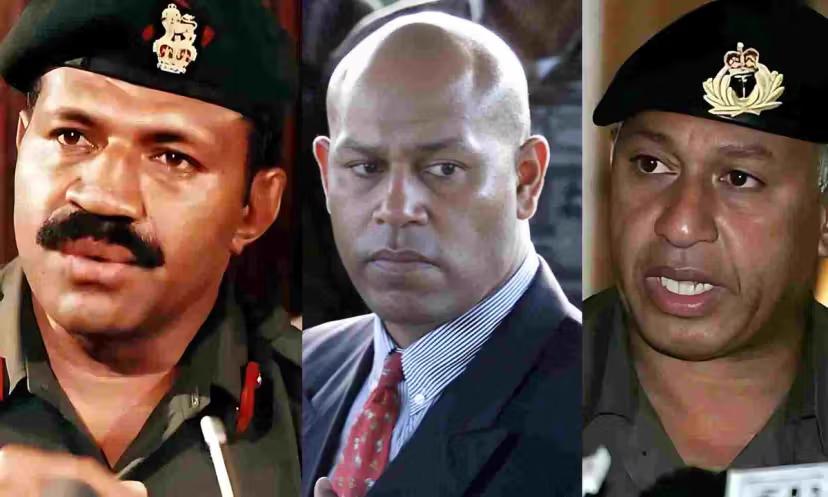
Fiji's coup leaders, from left: Sitiveni Rabuka, George Speight, and Frank Bainimarama. Photo/Supplied
He says any changes must come from the people and would require broad agreement, signalling that the current immunity provisions are unlikely to change for now.
His appearance was closely watched across the country and the Fijian diaspora, marking a rare moment where the architect of Fiji’s coup era publicly reflected on his actions and their lasting impact.