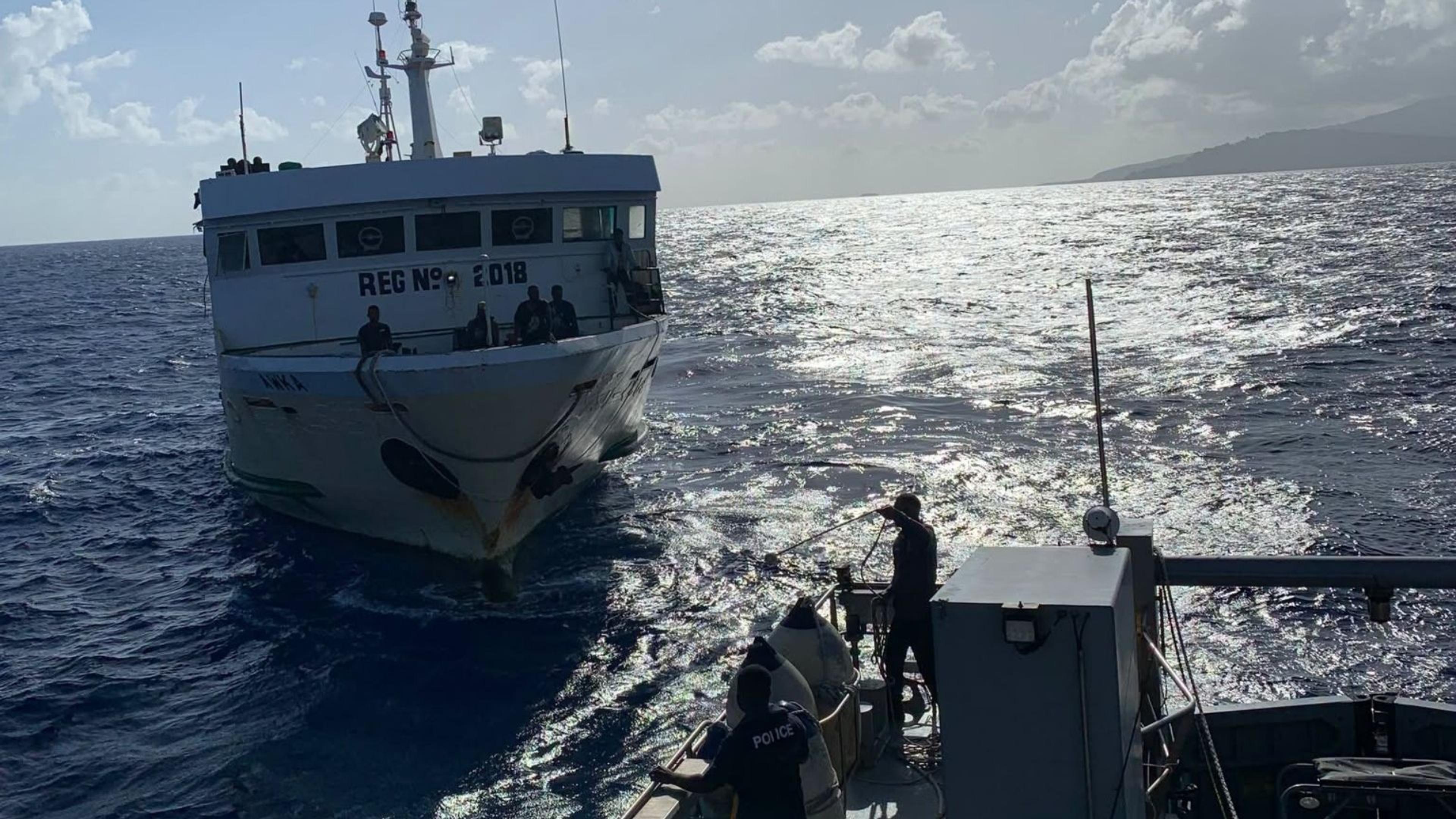
Solomon Islands vessel rescue sparks calls for urgent safety reforms
Lachlan EddieThu, 15 Oct

New Zealand Prime Minister Christopher Luxon is welcomed to Palau ahead of the Pacific Islands Forum Leaders’ Retreat on Thursday.
Photo/PMN News/Thomas Tarurongo Wynne
New Zealand’s prime minister says countries wanting to be development partners in the Pacific need to show where they will invest as PNG calls for strong cooperation and practical results.




New Zealand Prime Minister Christopher Luxon says the Pacific needs to rethink how it works with its development partners, arguing countries seeking a place at the table must be ready to put money and expertise into the region’s priorities.
Speaking to journalists in Palau ahead of the Pacific Islands Forum leaders’ retreat, Luxon said he wanted to see a more organised system for dealing with the growing number of countries and organisations working across the Pacific.
His comments come as Pacific leaders push for the Forum to move from agreements and statements to action that makes a difference for their people.
“If you want to be a development partner of PIF and the PIF countries here, you've got to step up and you've got to be very clear about where your investments are going to go,” Luxon said.
He pointed to energy as an example, saying Pacific countries were receiving investment from multiple partners but could end up with systems that do not work together.
“We've got a massive opportunity on renewables. We've got massive investment going on but then we run into grid problems, you know, because we've got four different, eight, you know, development partners doing different systems and they don't integrate,” he said.
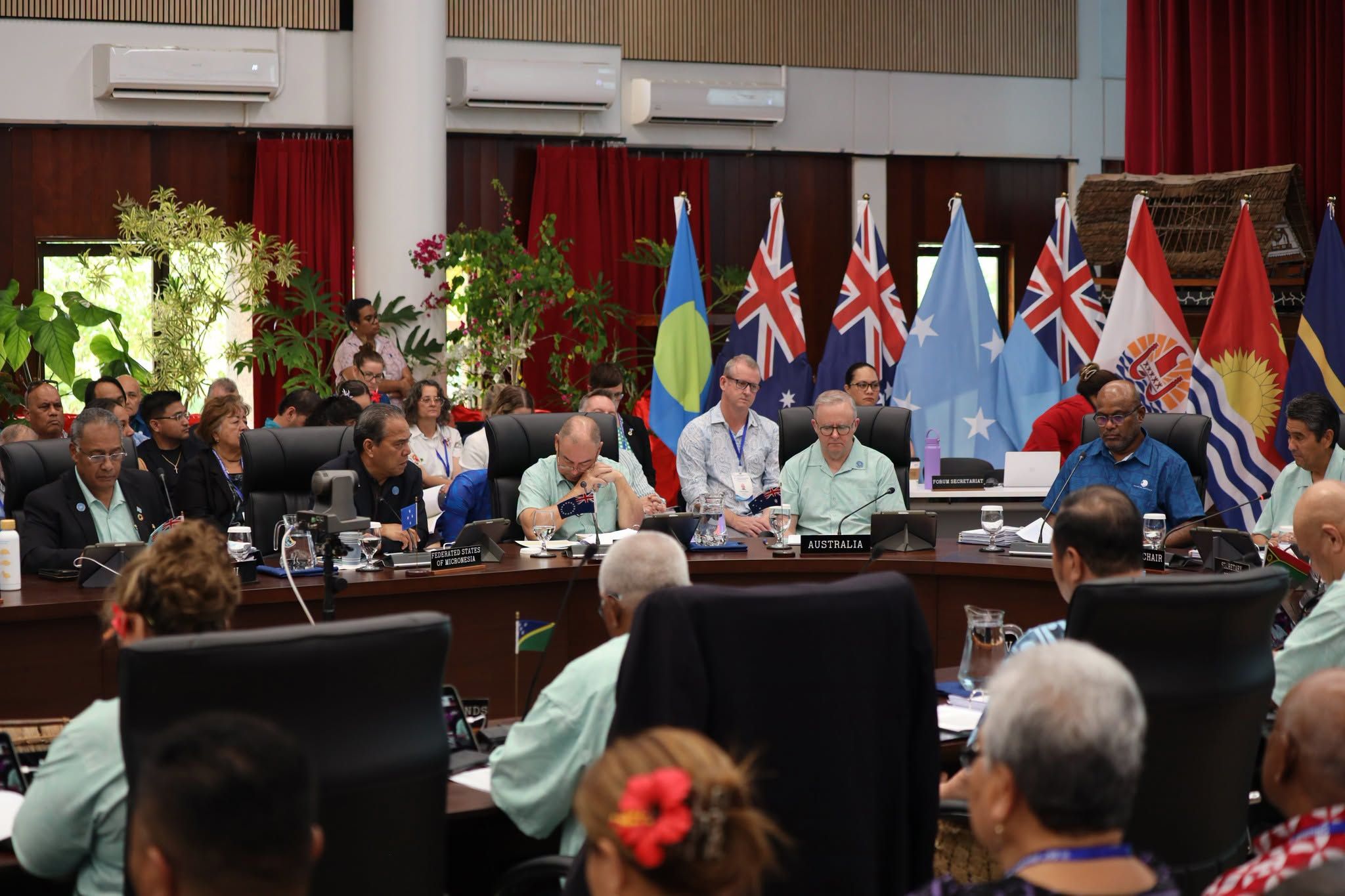
Pacific leaders take part in roundtable discussions in Palau during the Pacific Islands Forum, with regional cooperation and practical action high on the agenda. Photo/Pacific Islands Forum
For Pacific countries facing high energy costs and fragile power systems, Luxon said better coordination could help turn investment into greater energy security.
He said New Zealand was looking to the Association of Southeast Asian Nations (ASEAN) as a possible model for how the Pacific Islands Forum could organise its relationships with strategic and sector partners.
International law expert Al Gillespie says the Forum may also need to rethink how it makes decisions when countries cannot agree.
Listen to Al Gillespie's full interview below.
“Sometimes you've got to rework the rules of procedure so that you can work around issues that cause confrontation,” Gillespie told William Terite on Pacific Mornings.
He said one option could be changing the way consensus is reached on difficult issues.
“Sometimes you might need a majority,” Gillespie said.
Luxon is part of the Forum’s leadership Troika and Aotearoa will host next year’s Leaders’ Meeting.
He said he wanted to use that role to help strengthen the Forum as a regional organisation, while keeping Pacific countries at the centre of decisions.
“We want those investments going into the political infrastructure,” he said.
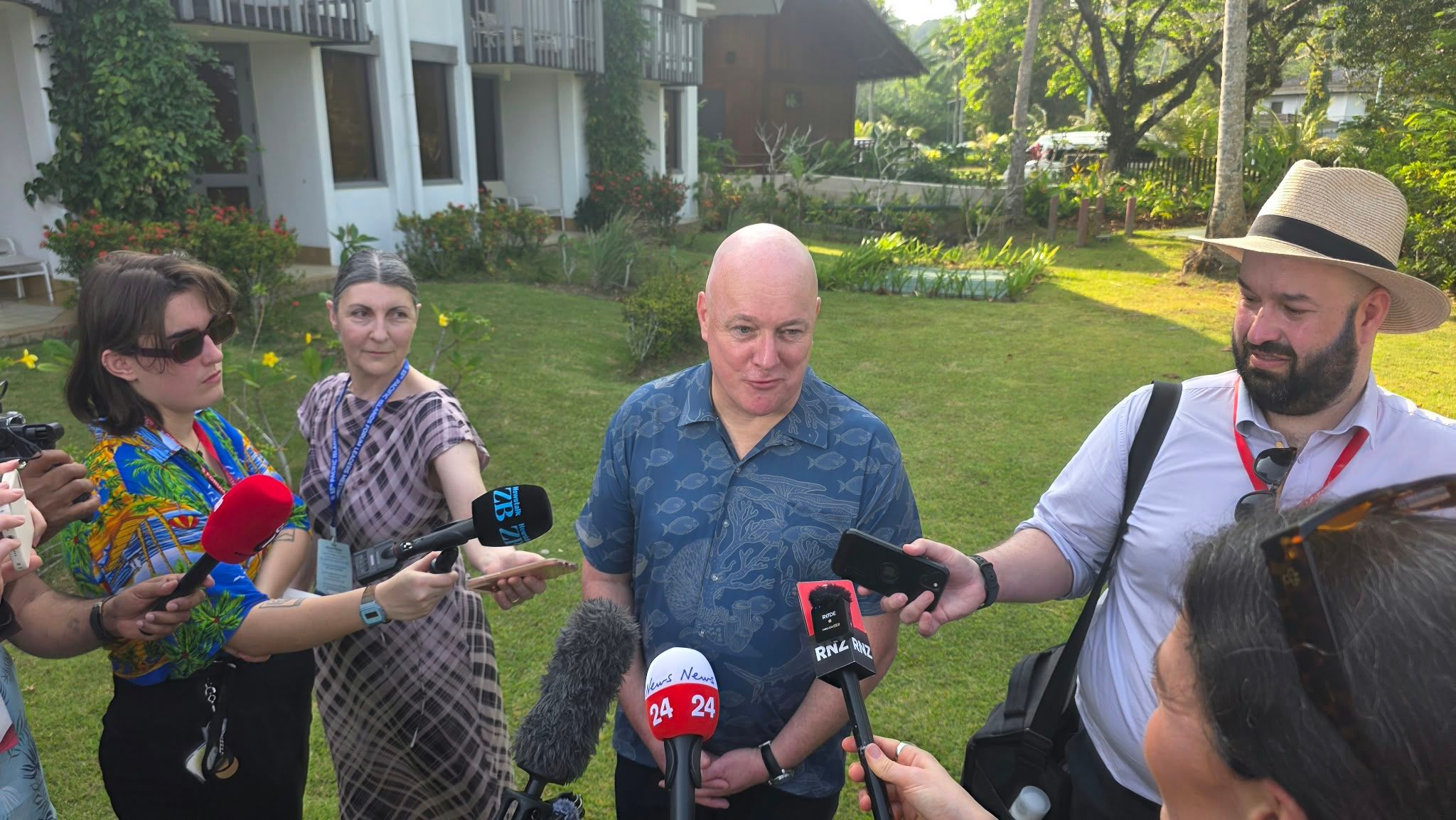
New Zealand Prime Minister Christopher Luxon says development partners need to “step up” and be clear about where their investments are going as Pacific leaders consider how the Forum can deliver more practical results for the region. Photo/PMN News/Thomas Tarurongo Wynne
Luxon also said Pacific leaders had told him the Forum needed to deliver more than talk.
“Some of the leaders have told me that PIF is too much talkie and not enough walkie,” he said.
The comments come as Papua New Guinea Prime Minister James Marape praised New Zealand’s role in the region during a bilateral meeting with Luxon.
Marape said Pacific countries, particularly smaller island states, remained strategically important despite their size.
“They may be small in land size and population, but they're very strategic in taking big in ocean space, some of our fisheries resources,” he said.
Gillespie says the pressure on Pacific unity is growing as more outside powers seek influence in the region.
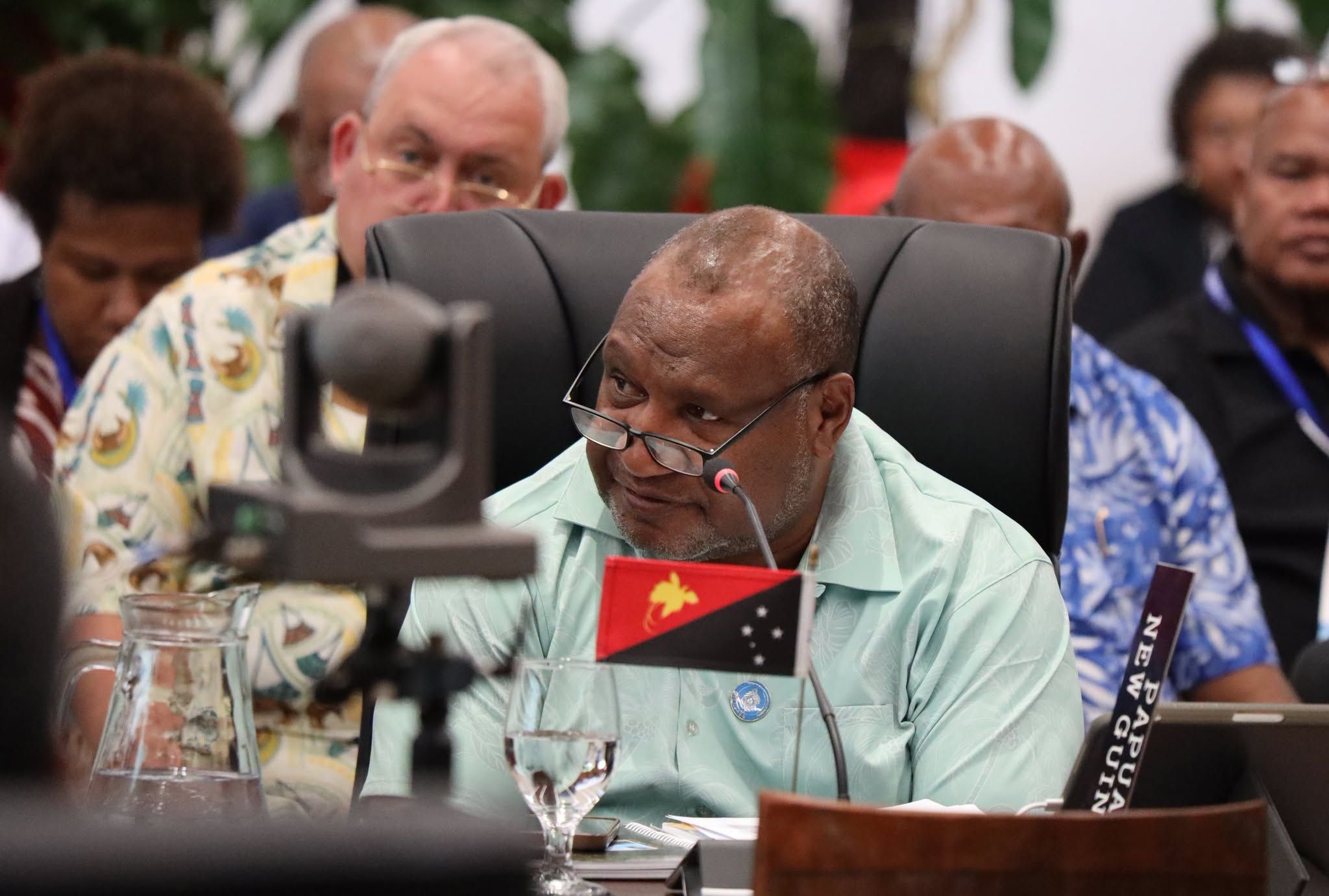
Papua New Guinea Prime Minister James Marape says Pacific countries must stay united as the region faces growing challenges and outside influence. Photo/Pacific Islands Forum
“Unity is becoming much harder to maintain with so many outside players trying to influence it for their own agendas,” he said.
But he said Pacific countries should focus on areas where they can still find common ground.
“Some things like climate change or development or economic support shouldn't be partisan, and that's where we should be trying to aim for our progress,” Gillespie said.
Marape also pointed to areas where PNG could learn from New Zealand, including state-owned enterprises and the public service.
“New Zealand has always been a model for us in state-owned enterprises, public service,” he said.
He said the relationship between PNG and New Zealand was strengthening and highlighted New Zealand’s support, including a NZ$250 million commitment.
Watch PMN News Political Reporter Thomas Tarurongo Wynne's update from Palau below.
The two leaders also found common ground on rugby league, with Luxon predicting more New Zealanders will travel to PNG when the new PNG Chiefs enter the NRL in 2028.
“You've just built the best league team in the world,” Luxon told Marape.
Luxon is also facing questions in Palau over New Zealand’s climate policy after Vanuatu Climate Change Minister Ralph Regenvanu called on countries such as Australia and New Zealand to stop expanding fossil fuel production.
Luxon defended New Zealand’s climate record, pointing to 96.4 per cent renewable electricity generation in the latest quarter and saying the country had recorded its lowest emissions since records began in 2010.
He acknowledged there was more to do. “We could always do more."
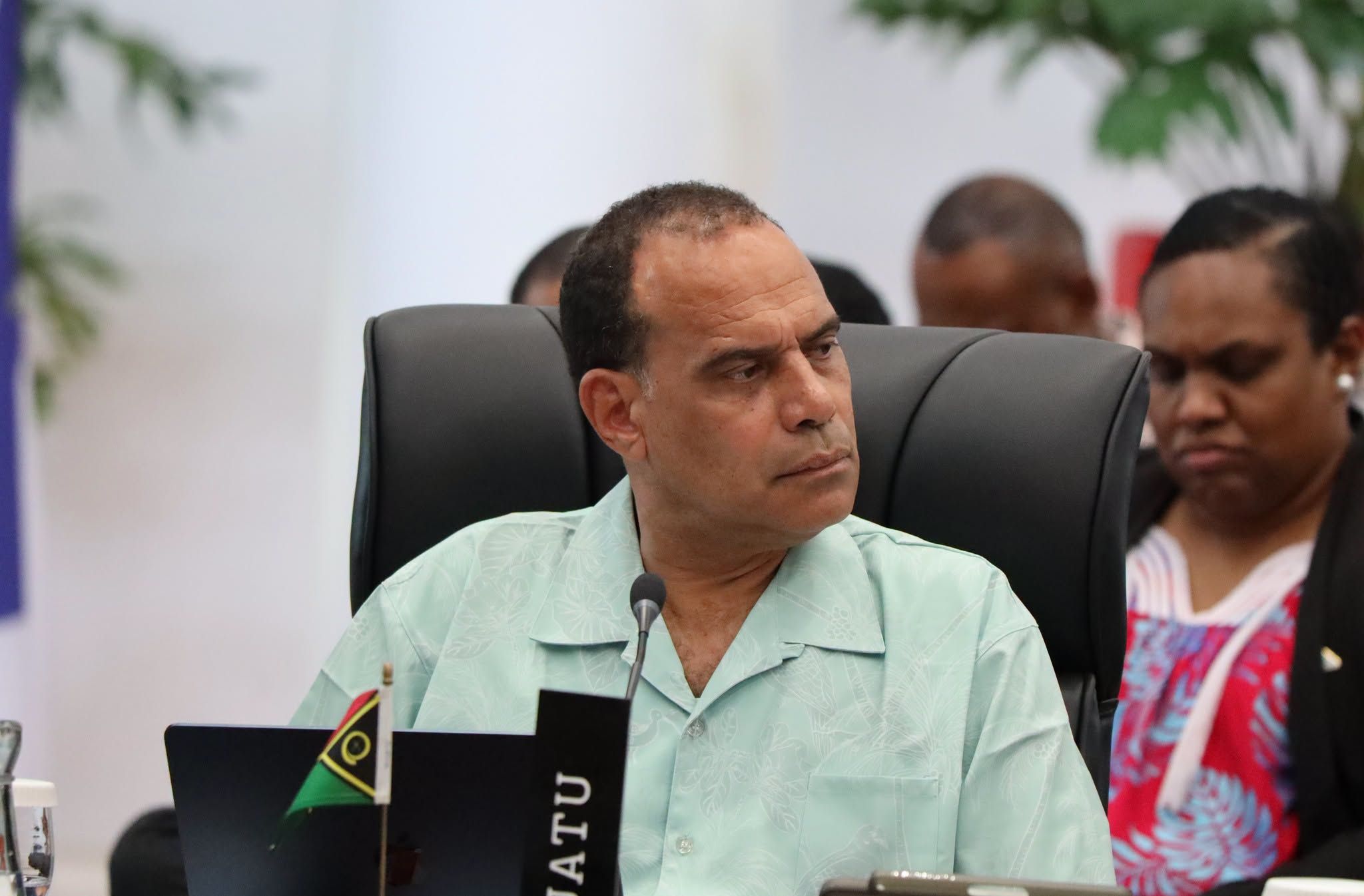
Vanuatu Climate Change Minister Ralph Regenvanu has called on countries including Australia and New Zealand to stop expanding fossil fuel production and take stronger action on climate change. Photo/Pacific Islands Forum
But the test for the Forum remains whether regional cooperation can deliver practical results - from energy and infrastructure to security, climate action and economic opportunities.
Luxon says that is the direction New Zealand wants to take as it prepares to help lead the Forum into next year.
The 55th Pacific Islands Forum Leaders Meeting ends on Friday.