
Jaxon Evans: Bathurst’s final lap will decide it all
Elton Lonaratha JnrFri, 09 Oct
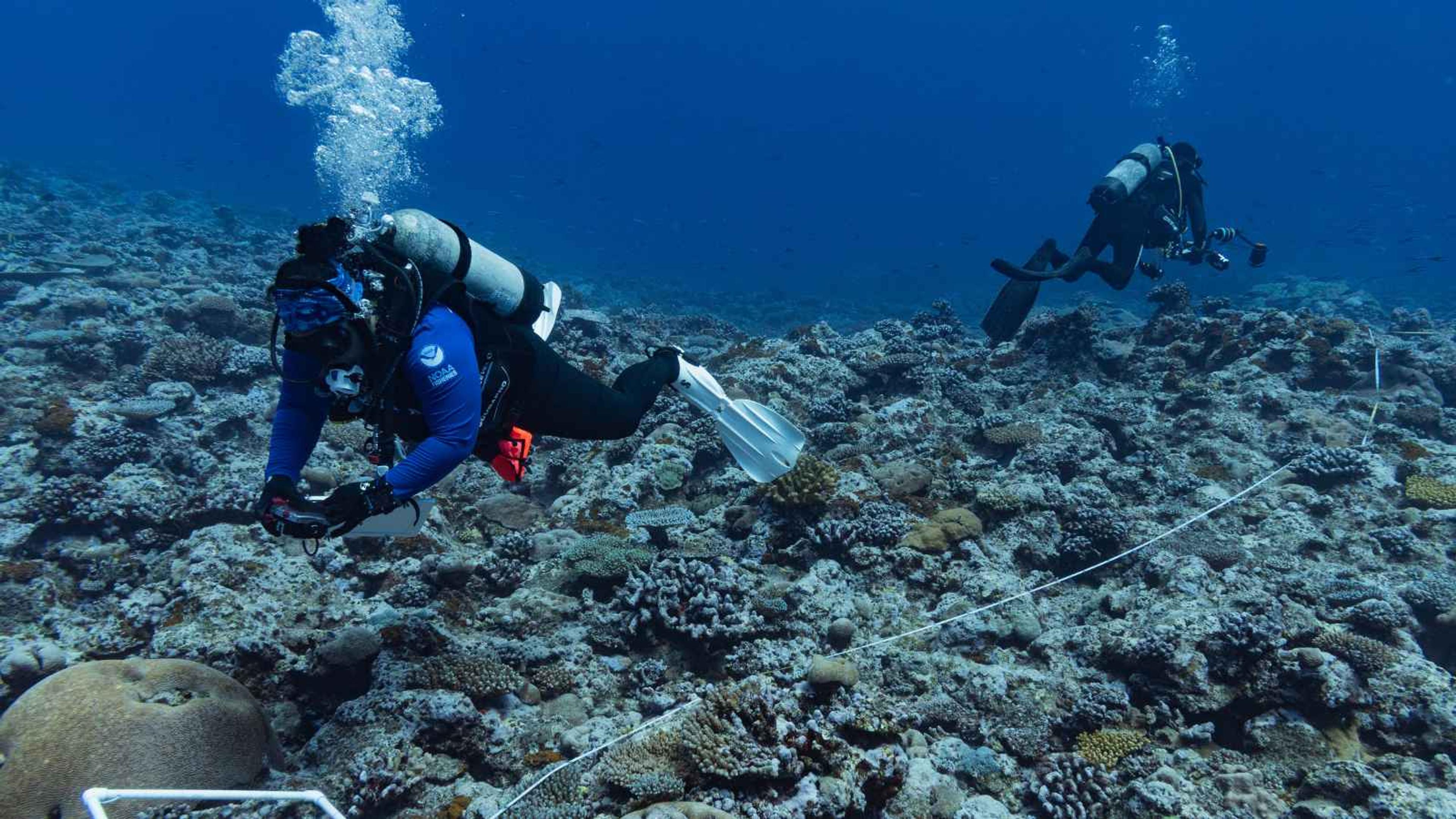
Valentine Vaeoso science dive in Savai'i.
Photo/National Geographic Pristine Seas/Iñigo San Félix
A National Geographic Pristine Seas expedition has found thriving deep reefs but severe damage in shallow waters is showing.



Sāmoa’s ocean shows two very different sides of its health - pristine coral habitats thriving in deeper waters while shallow reefs bear the scars of climate change and overfishing.
That is the picture emerging from a four-week National Geographic Pristine Seas (NGPS) expedition now surveying Sāmoan waters with the Ministry of Natural Resources and Environment (MNRE).
The 37-member team has been working around Savai’i and other parts of Samoa’s waters, using divers, deep sea cameras, submersibles and environmental DNA sampling to build a clearer picture of what is living beneath the surface.
Speaking with William Terite on Pacific Mornings, Paul Rose, an NGPS expedition leader, says the contrast between deep and shallow reefs has been striking.
“Sāmoan waters are absolutely brilliant, but it's equally on a par with some of the damage we've seen due to climate change and overfishing through history,” Rose says.
The team completed four submersible dives to depths of 500 metres during its first week off north-western Savai'i, while also recording humpback and pilot whales.
Rose says some of the heaviest reefs were found much deeper.
“Our science team and our underwater media team regularly come back and say, ‘the reefs down at 40 to 50 metres were amazing’. Large table corals and unbelievable, pristine, beautiful things.
But closer to the surface, the story changes.
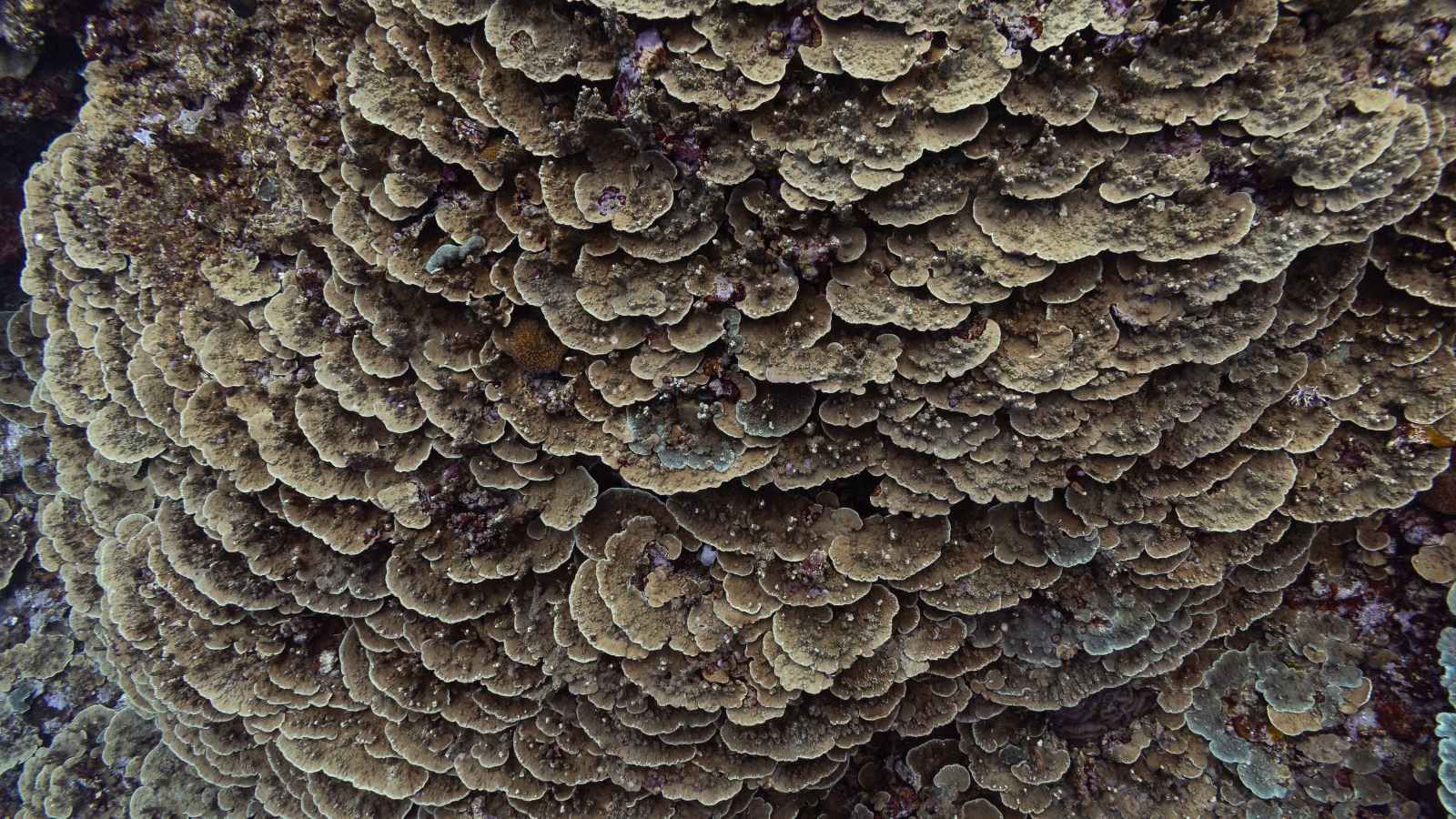
Coral at Apolima. Photo/National Geographic Pristine Seas/Iñigo San Félix
“Then they'll say, ‘actually, the shallow reefs have been damaged by heat. Where are the big fish? Where are the sharks?’ That reinforces everybody's knowledge on the effect of climate change and protection.”
Rose says the findings also point to what can happen when Pacific communities protect their ocean.
“When we protect places as Sāmoa is going to, we soon see very remarkably quickly, that the ocean has this ability to regenerate itself. We'll see those areas where the habitat is still beautiful and with a bit of protection, it can be pristine once again.”
Sāmoa has already taken a major step towards that protection.
Its Marine Spatial Plan (MSP), brought into effect earlier this year, establishes nine new offshore marine protected areas and formalises coastal community reserves.
Together, they cover 30 per cent of Sāmoa’s ocean, about 36,000 square kilometres.
Listen to Rose Paul’s full interview below.
Prime Minister Laaulialemalietoa Polataivao Fosi Schmidt says the expedition will provide important information as Sāmoa puts the plan into action.
“Effective ocean management must be supported by strong scientific information,” Laaulialemalietoa says.
“The findings will provide an important baseline for long-term monitoring and help guide effective implementation and management of our MSP.”
The expedition is also being shaped by Sāmoan knowledge, with local researchers joining different legs of the voyage.
In a media release, Tye Kindinger, the scientific lead for National Geographic Pristine Seas, says communities are an important part of understanding and protecting Sāmoa’s waters.
“[They are also] essential partners in designing this expedition,” Kindinger says.
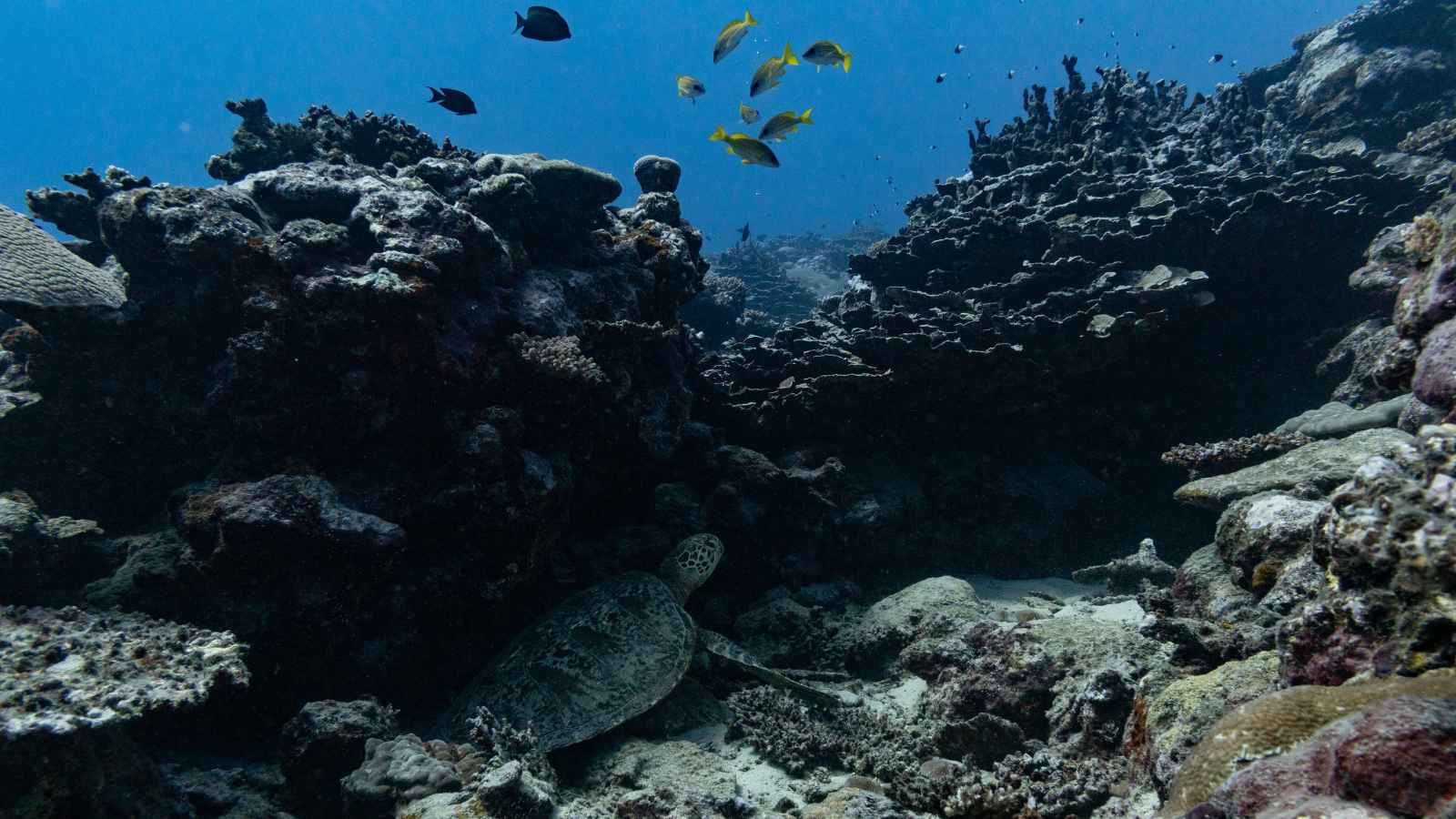
Green sea turtle at Savai’i. Photo/National Geographic Pristine Seas/Iñigo San Félix
Sāmoa’s waters are home to nearly 1000 recorded fish species, about 2000 species of sea snails and 200 coral species. They are also important migration routes for humpback whales and breeding grounds for endangered hawksbill turtles.
Kevin Chand, the Senior Director of Pacific Ocean Policy at NGPS, says Sāmoa is setting a global example ahead of an international nature summit in Armenia this October.
With the expedition continuing, the research is aimed at giving Sāmoa a stronger scientific base to protect those waters and ensuring the beauty found beneath the surface is not lost to the damage already being seen in its shallow reefs.