
Seymour targets office karakia as Aupito warns of a ‘culture war’
Thomas Tarurongo WynneFri, 23 Oct

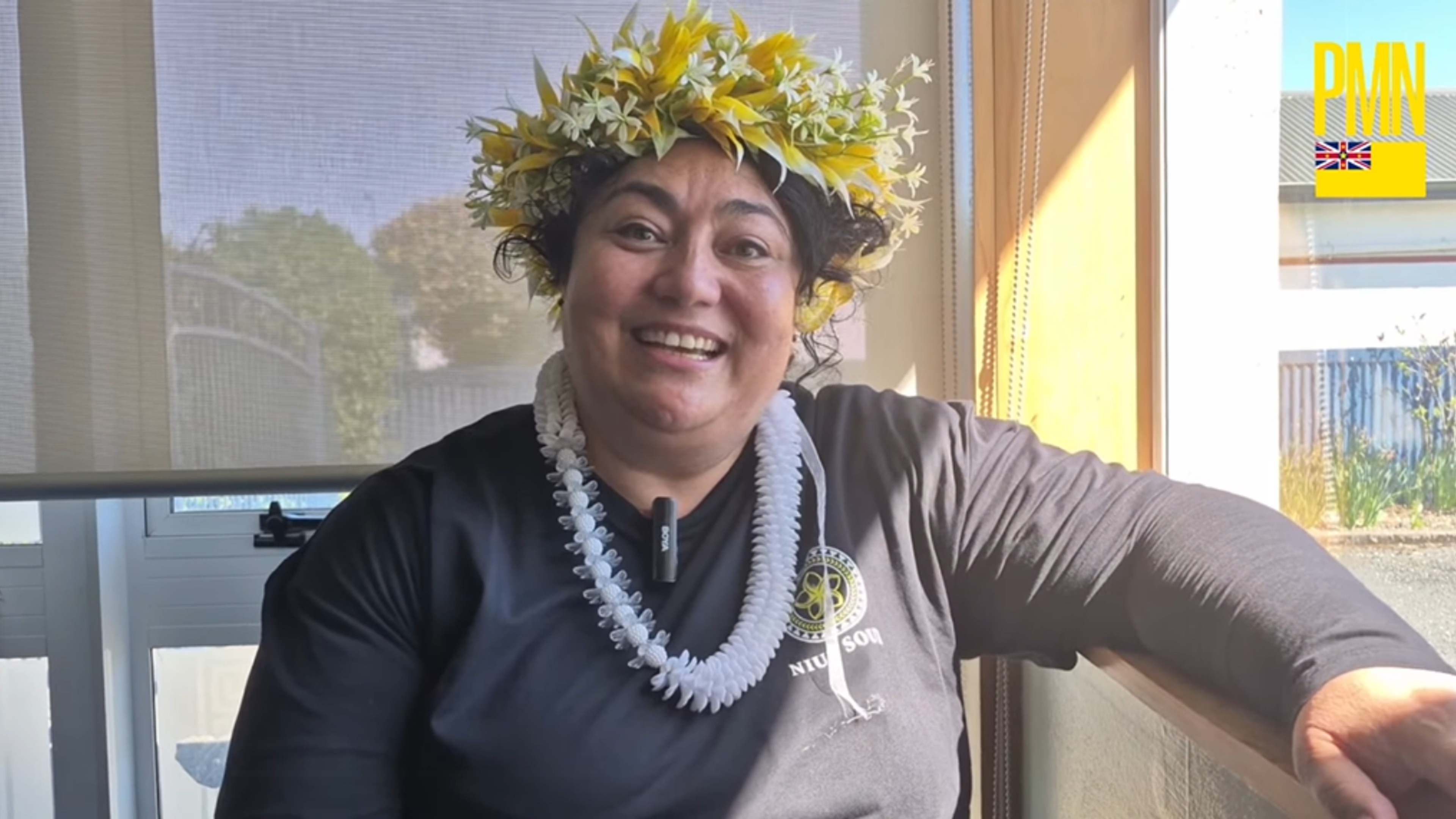
From left, Saffron-Moana Mitchell, Dr. Sonja Bodley and cancer survivor Briar Avatea say a Pacific-led cancer response is vital, and are urging Pacific people not to wait to get screened.
Photo/PMN Composite/Supplied/RNZ
Pasifika are more likely to be diagnosed with cancer later and die from the disease than other New Zealanders as experts say the answer is not just better screening.


Pacific experts are calling for cancer services to be designed with Pasifika communities, not just delivered to them.
The call comes as more than 1300 Pacific people are diagnosed with cancer every year, with Pacific families more likely to be diagnosed at a later stage, when treatment is harder despite experts saying early detection saves lives.
Nearly one million cervical screening notifications were missed as of June 2025. According to HealthNZ, Māori and Pasifika have higher cancer death rates than other ethnicities, underlining the need for earlier diagnosis and better access to screening and treatment.
Speaking on Pacific Mornings, Saffron-Moana Mitchell, Head of Equity and Cancer Services at the Cancer Society Waikato/Bay of Plenty, said Pacific communities already have the knowledge needed to improve outcomes.
"When it's Pacific-led, people come up with the answers themselves. They have the solutions within, so we need to make sure the system's designed by them, for them,” she said.
Mitchell said Pacific communities already have the knowledge and leadership to improve cancer care.
Watch the full interview with Saffron-Moana Mitchell below.
"We don't need to start from scratch... we actually need to invest in those providers that are already working within communities."
She said Pacific people also need a stronger voice in shaping the country's cancer response. "If we are not at the table, we have no voice, so we need to set our own priorities.”
Her comments come as cancer continues to touch almost every Pacific family, with many patients facing barriers to screening, diagnosis and treatment.
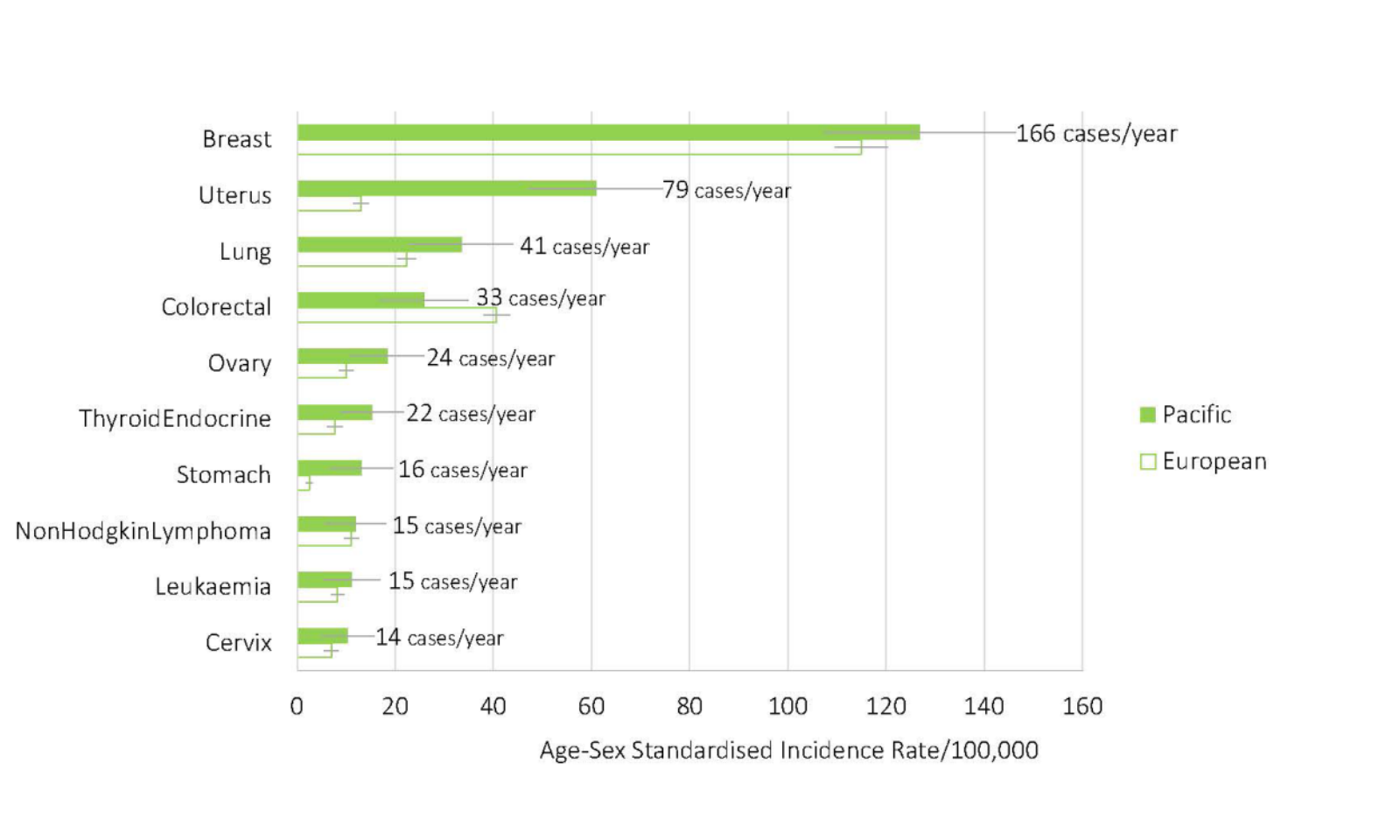
Pacific women have some of the highest incidence rates of cancer, with the graphic above showing incidence rates per 100,000 for Pacific versus European New Zealanders. Graph/New Zealand Medical Journal
Mitchell believes increasing screening is one of the biggest opportunities to reduce those inequalities.
"One of the biggest opportunities we have to save lives is screening. We know cancer outcomes improve when it's found early, yet our rates are so low. Don't wait to screen, please."
Mitchell said the Cancer Society is also advocating for lower screening ages, saying too many Māori and Pacific people are diagnosed before they become eligible for routine screening.
She also believes screening programmes should better reflect the higher risks facing Pacific communities, with expanded eligibility helping more people get tested earlier.
This follows widespread concern over failures in New Zealand's cervical screening programme after nearly one million screening notifications were not sent to eligible women by June 2025.
For Wellington mother Briar Avatea, that message became deeply personal - early action made all the difference. Just weeks after giving birth, she raised concerns with her doctor about what looked like a mole on her forearm.
It turned out to be melanoma, the most aggressive form of skin cancer.
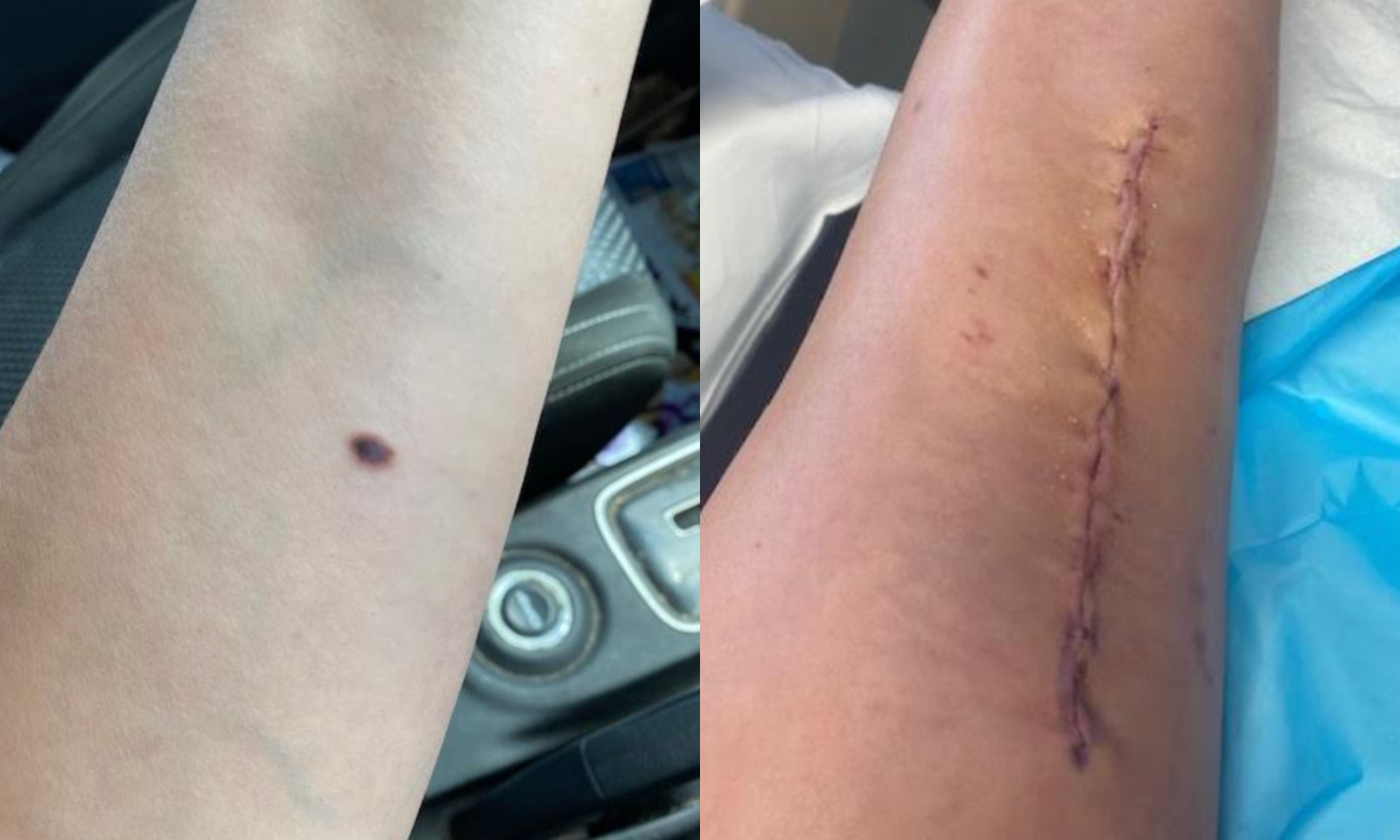
What Briar Awatea thought was a mole turned out to be the most aggressive form of skin cancer. Photo/supplied
Now cancer-free, Avatea is urging Māori and Pacific families not to assume darker skin protects them from skin cancer.
“Get it checked. Advocate for yourself, wear sunscreen and get it checked. There's lots of places that do free spot checks,” she said.
She hopes her experience encourages more Pacific people to seek medical advice if they notice anything unusual.
“There's a huge chance that something like this would be missed, a small dot or mole, because the health statistics for Māori and Pasifika aren't great already,” she said.
Dr Sonja Bodley, a skin cancer specialist and Melanoma New Zealand trustee, said melanoma can affect anyone including people with darker skin.
She said new funding that helps GPs assess suspicious skin spots more quickly should make it easier for people to be diagnosed earlier, when treatment is most effective.
Listen to the full interview with Briar Avatea and Dr. Sonja Bodley below.
She said Pacific patients often miss the chance for early treatment because cancers are found later.
"In our Māori and Pacific communities, often they present later in their disease progression, they often have more aggressive subtypes of cancer, and they often have poorer outcomes compared to non-Māori and non-Pacific communities,” she said.
Bodley urged people not to ignore suspicious skin changes.
"If you have something that looks a bit suspicious, please go and get it checked, because the earlier we detect these, the more likely we are to cure them.”
The Cancer Society provides practical support for people with cancer including accommodation near treatment centres, transport assistance and a free helpline for patients and their families.
Anyone who thinks they may be due for screening, or wants advice about getting checked, can contact the Cancer Society free on 0800 226 237.