Safata still waiting: Compensation bill gets bigger as communities told to 'be patient'
Renate RiversTue, 16 Jun
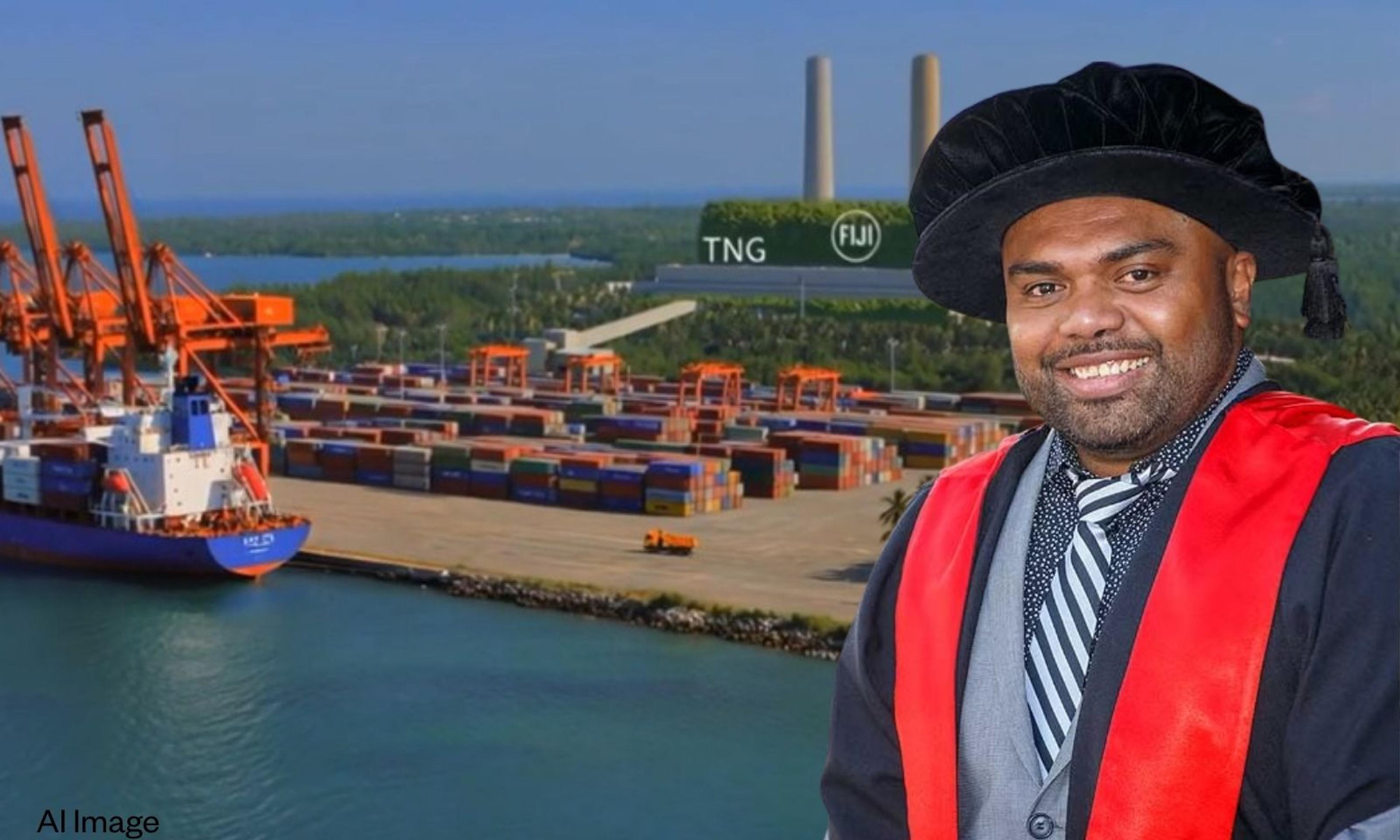
Academic Dr Suliasi Vunibola says the rejection of the proposal has set a precedent for other Pacific island nations.
TNG Youtube/Supplied
Academic says Fiji's rejection of a controversial waste-to-energy project shows communities are demanding a greater say over developments that affect their land, culture and future.


Fiji’s decision to reject a proposed waste-to-energy incinerator is being seen as a landmark moment for Pacific communities pushing for a stronger voice in major development projects, a Pacific academic says.
Dr Suliasi Vunibola, senior lecturer at the Lincoln University in Canterbury, says the public campaign against the project showed that communities are no longer willing to accept decisions made without their involvement.
Vunibola says Fiji’s response could influence how other Pacific nations approach foreign-backed developments in the future.
“There is a clear indication that the communities, citizens of Fiji are already on the journey of sovereignty and well-being and local control of economic development in the country,” he told PMN News.
“And this is significant for the Pacific region as well, because the opposition reflected not only environmental concern, but also cultural significance of the land and the coastal environment where the proposed project had been targeted.”
The proposed NZ$1.3 million facility in Vuda, western Fiji, sparked widespread criticism from landowners, environmental groups and political leaders.
A brainchild of Australian billionaire Ian Malouf, the facility would have the capability to generate up to 80 megawatts of power each year or up to 45 per cent of Fiji's electricity grid needs. It would sit on an 85-hectare site next to popular tourism and residential locations.
“You have this competing narrative of sustainable development, that it's good for energy consumption, good for the grid, it reduces landfills - but we have had that problem before and we still have the problem now,’ Vunibola argues.
“It dials down or waters down to the question of the social costs, the question of cultural costs and the question of people with very less power who will bear the brunt of these externalities.”
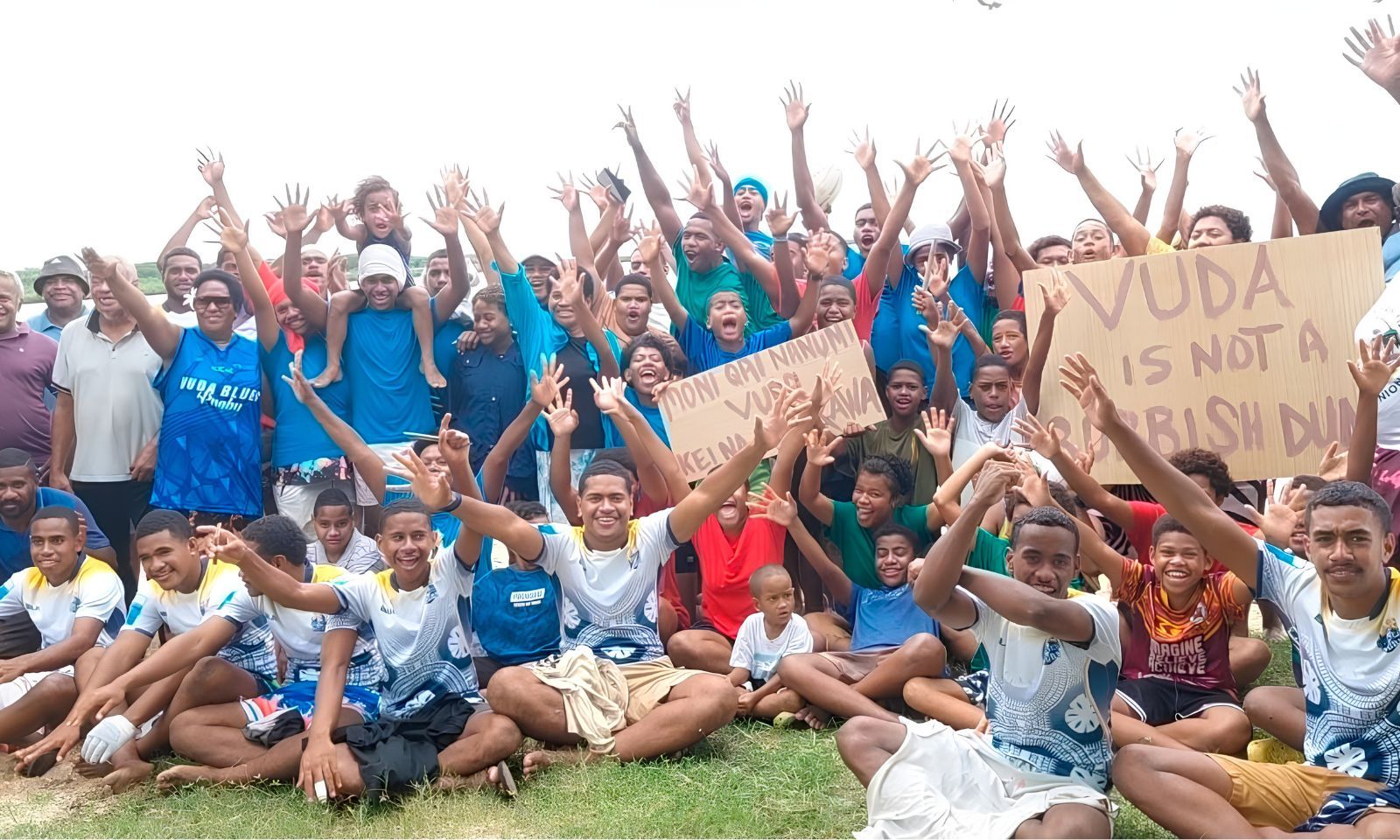
Community support behind calls to reject the proposed project. Photo/Protect the Heritage Coast - Vuda, Saweni
In order to run, the incinerator would need to burn 900,000 tonnes of waste annually and with Fiji having only 200,000 tonnes of non recycled wet waste about 700,000 tonnes of waste will have to be imported.
A petition against the project gathered support across Fiji while landowners accused developers of failing to properly consult communities. Many labelled the proposal as ‘veibeci’ or disrespectful to the vanua, land.
Landowner Apimeleki Nasalo says did not want any waste to destroy their livelihoods.
“Our land is not a dumping ground,” he says.“Our chief had outright rejected it and so did we. We do not want any waste on our shores.”
Opposition MP Premila Kumar told the Fijian Parliament in April that the project had been rejected by Australia and questioned why Fiji should accept a project she claimed has been rejected and deemed too dangerous for a Western Sydney suburb.
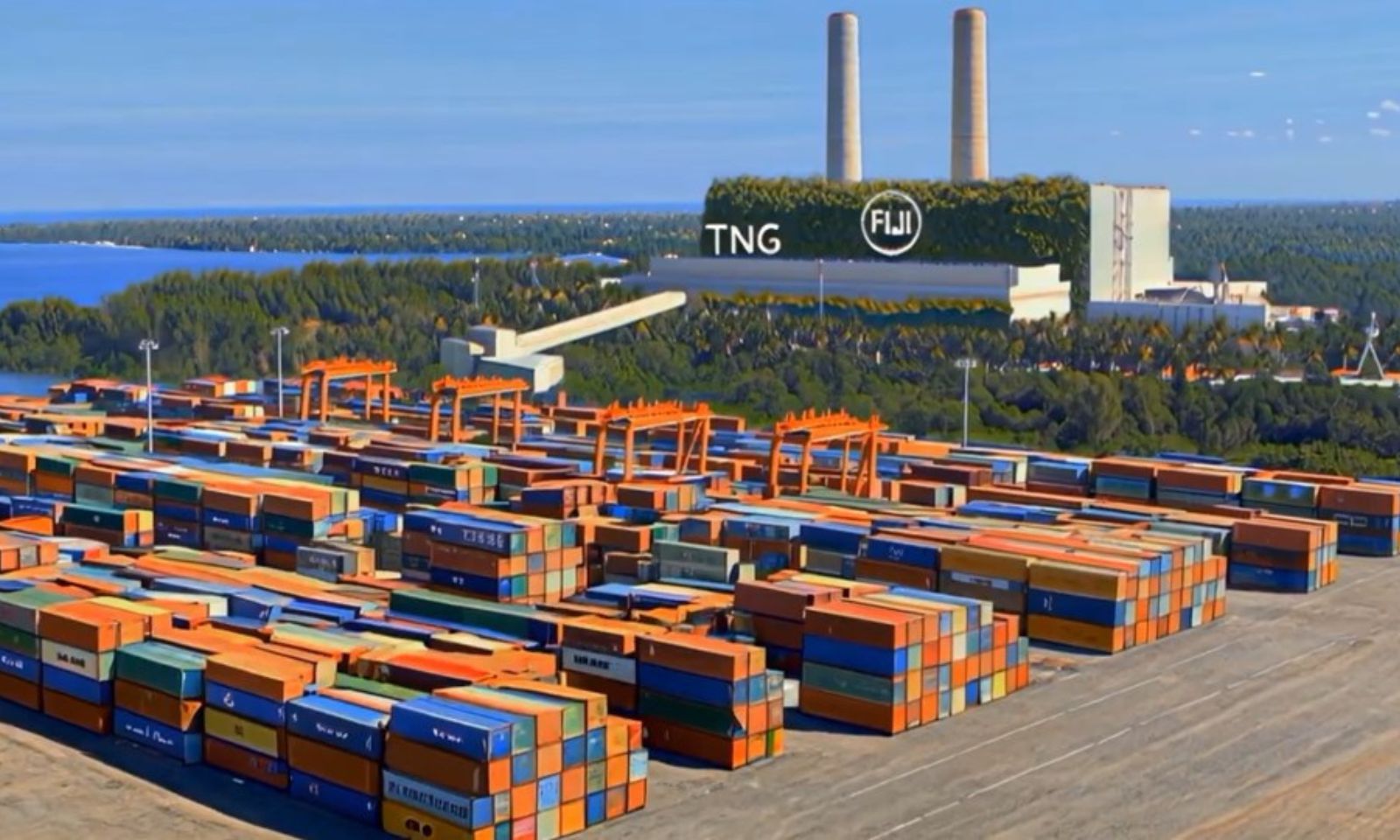
An AI generated image by TNG Fiji on the proposed plant and facility. Photo/TNG Fiji Youtube
“We are not being offered an energy solution but a contract to become the Pacific's rubbish bin.”
Advocacy group, Protect the Heritage Coast - Vuda, Saweni had collected signatures to petition against the set up of the project.
“Not here, not next to our beaches, not in our backyards,” the group had stated. “This is a residential and tourism zone, not an industrial dumping ground.”
Opponents of the waste-to-energy proposal argued that the project reflected a form of "waste colonialism", a concept rooted in the Pacific's historical experience of colonial exploitation.
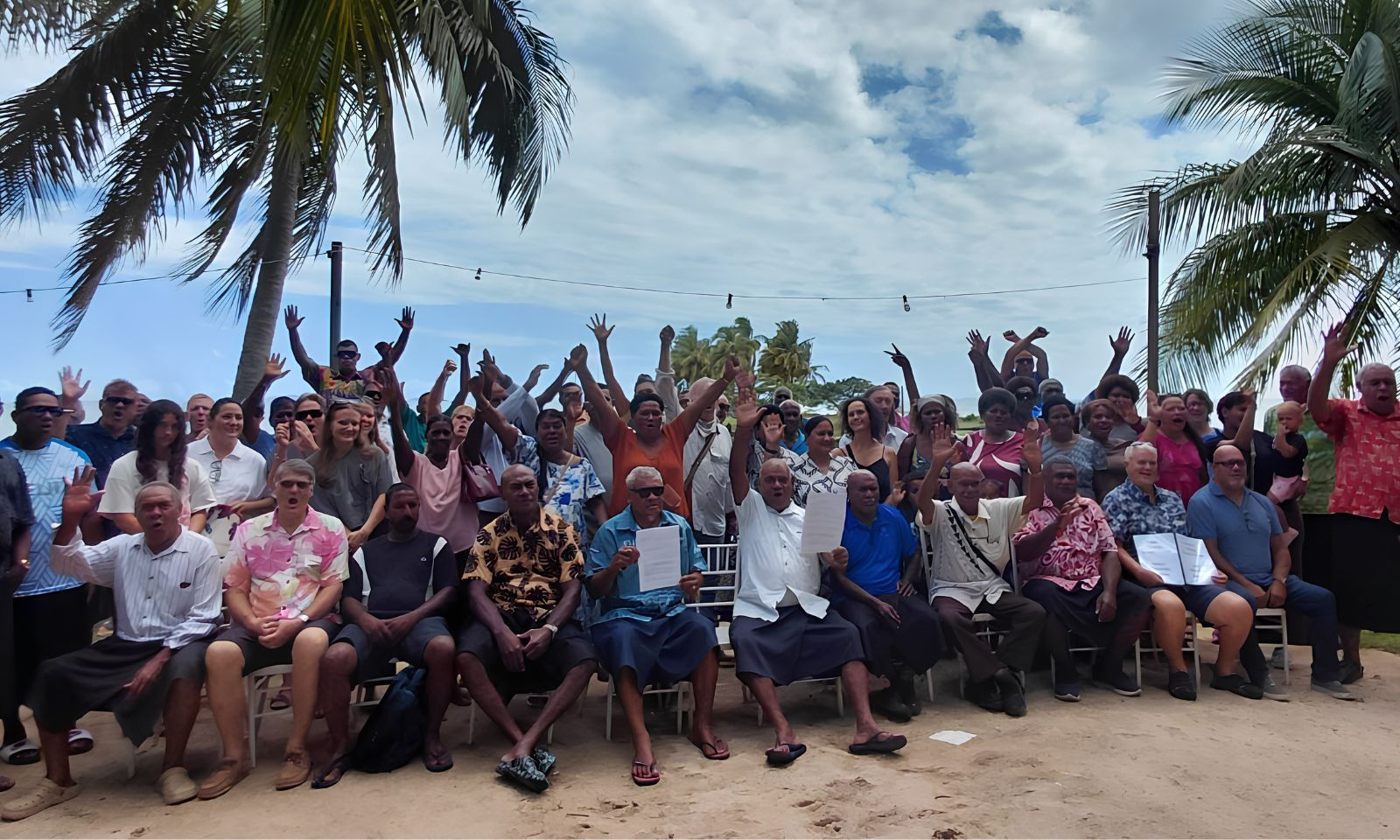
Landowners and concerned citizens who supported a petition to reject the proposal. Photo/ Protect the Heritage Coast-Vuda, Saweni
Vunibola said many Pacific nations, including Fiji, were once subjected to colonial systems that extracted local resources for the benefit of powerful foreign states.
He said the proposed importation of waste for energy generation echoed similar power imbalances, with developing nations being encouraged to absorb the environmental burdens of wealthier countries.
"We use our resources in Fiji, we plant commodities that were to benefit the colonial state and colonial authority back in Britain. But for waste colonialism, we are sold that we need to use the waste of these industrialised states or Global North countries," Vunibola says.
"It's an old phenomenon of core and periphery relations. The powerful countries, the Global North, use us because our rules and systems are not really in place to protect us, to protect our environment and so forth."
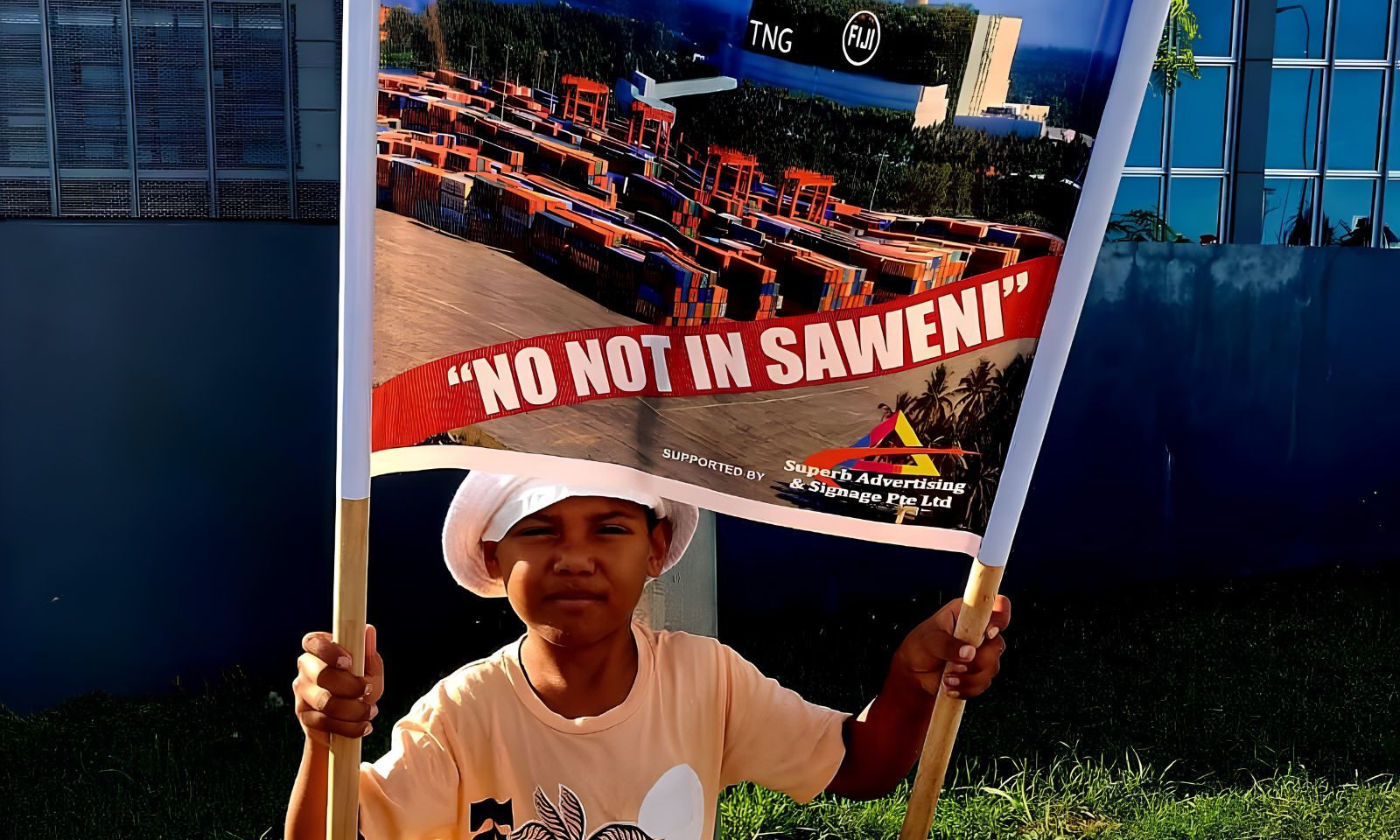
A child holding a banner showing support for calls by landowners they do not want the proposed facility on their land. Photo/Protect the Heritage Coast-Vuda, Saweni
In rejecting the proposal, Fiji’s Permanent Secretary for Environment Dr Suvendra Michael says key concerns had not been properly addressed during the environmental assessment process.
“As a result, the Department was not satisfied that the potential impacts and risks of the project could be adequately assessed or managed.”
Meanwhile, Vunibola says for other Pacific island countries Fiji's response serves as a powerful lesson in community autonomy and self-determination.
Watch Fiji's Permanent Secretary for Environment Dr Sivendra Michael's announcement of the government's rejection of the proposal.
“It is a good case scenario for all of the Pacific Island countries of how we are now becoming so absolutely focused and aware of what's happening around us, what kind of development has been foreign-induced, the kind of development planned overseas and was thought to work and to do good for us.” he says.
Vunibola says communities should have the right to question projects that affect them, as those with the least power are often the ones most exposed to the consequences, while elites have greater resources to protect their interests.