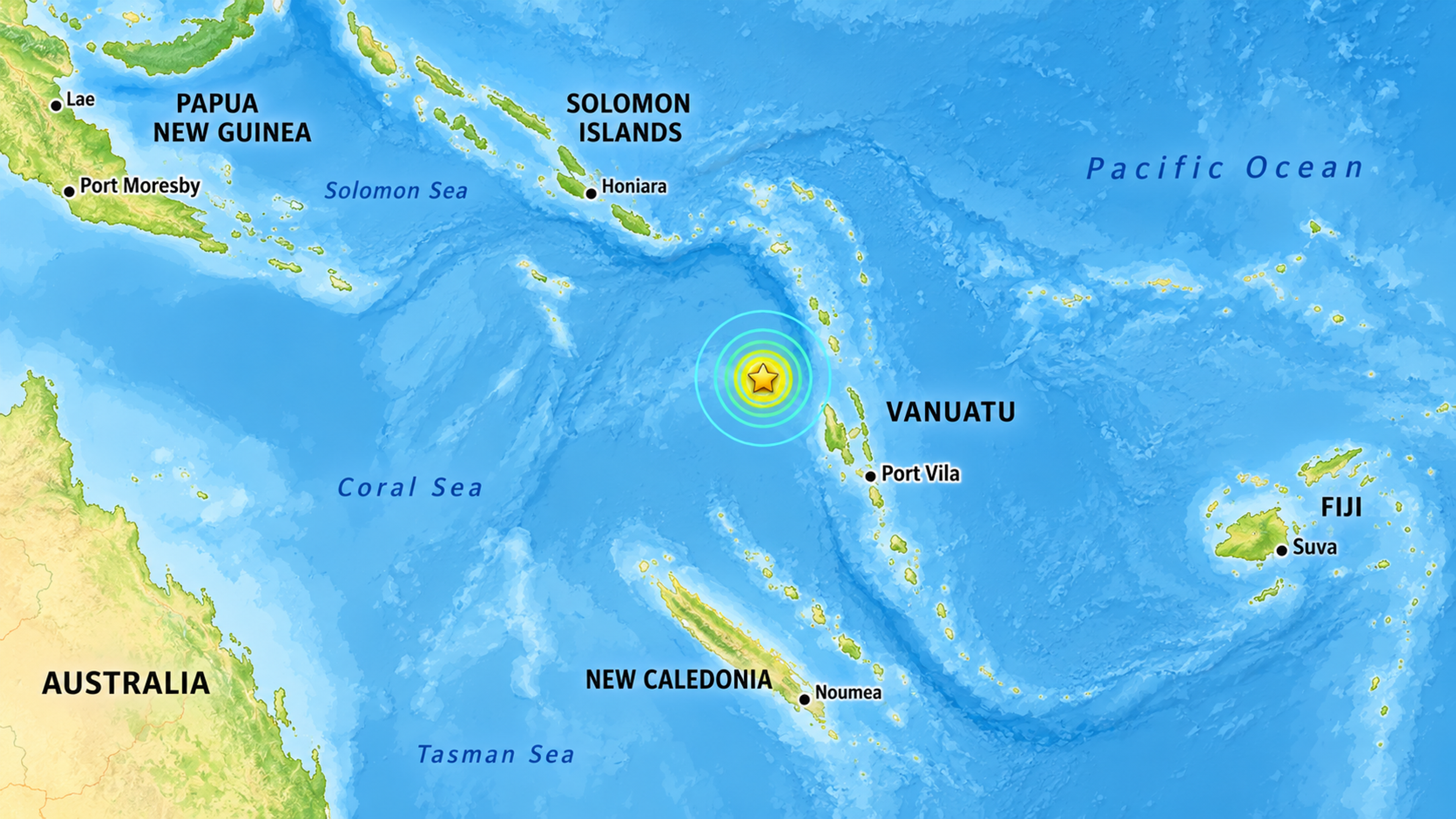
Powerful earthquakes continue off northern Vanuatu overnight
PMN NewsSat, 24 Oct
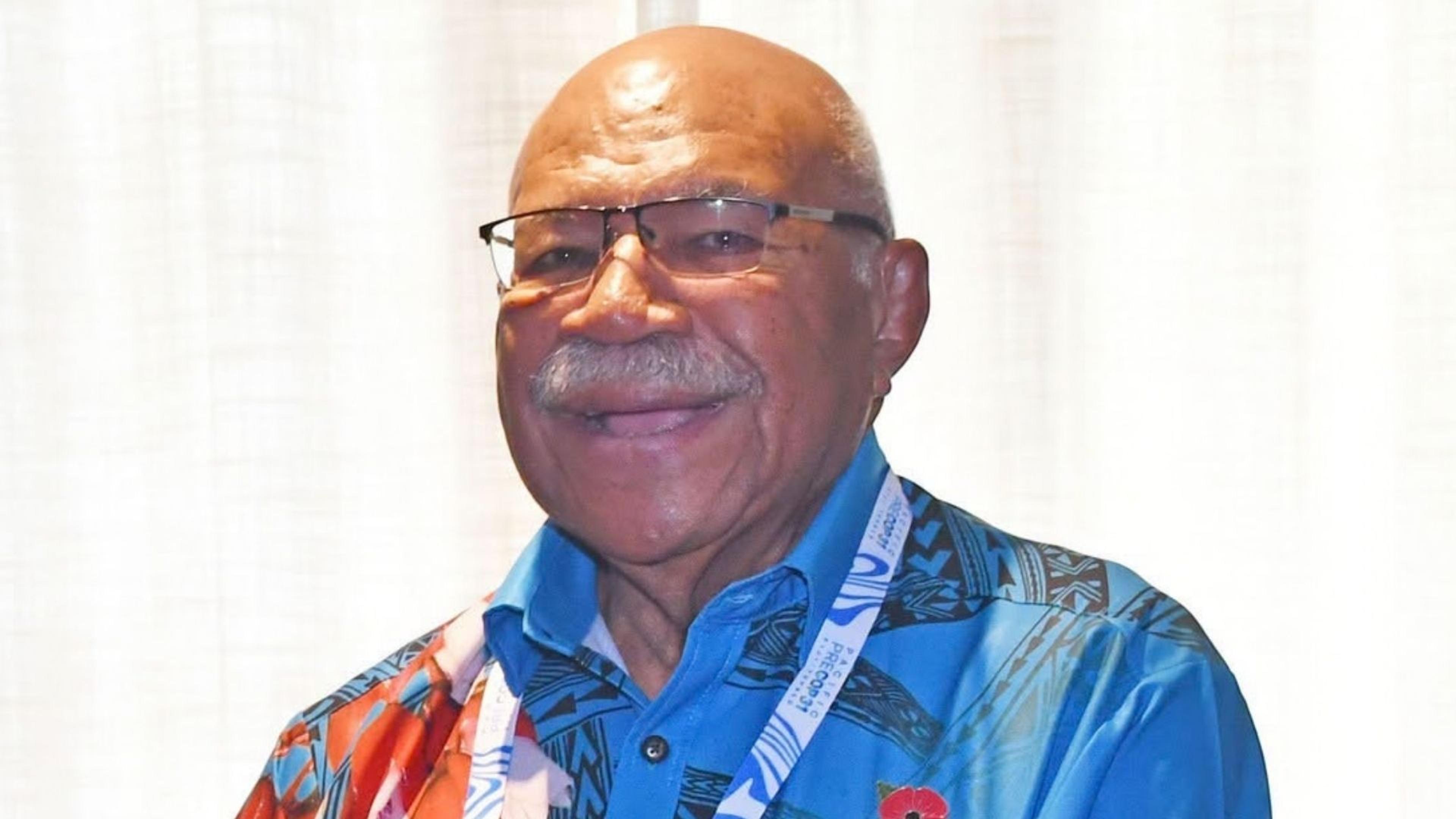
Fiji Prime Minister Sitiveni Rabuka has announced the national referendum will be held on 9 December, with general election campaigning set to be suspended during the referendum process.
Photo/Facebook/Fiji government
The constitutional vote will come before Fiji’s next general election with the President expected to issue the referendum writ on 9 November.



Fiji will hold its national referendum on 9 December, Prime Minister Sitiveni Rabuka has announced, which puts the country’s constitutional future on a firm timetable.
Rabuka made the announcement on Monday after President Ratu Naiqama Lalabalavu assented to the National Referendum Act 2026 on Friday.
Rabuka has also written to the Electoral Commission seeking the suspension of all general election campaigning until after the referendum writ is returned, saying the referendum needs the necessary “focus and clarity”.
“Today, I am pleased to reaffirm and announce that the National Referendum will be held on the 9th of December, 2026,” Rabuka said in his address to the nation.
He said the referendum would give eligible Fijians the chance to make their own decision on the question or questions put before them.
“There will of course be different views, and that is normal, and an important part of democracy,” he said. “Every eligible Fijian should be free to express their views, to ask questions, to seek information, and ultimately make their own decision.”
The President is expected to issue the referendum writ on 9 November.
The referendum will then be administered by the Supervisor of Elections under the direction of the Electoral Commission, with voting scheduled for Wednesday, 9 December.
The result is expected to be announced by 14 December, subject to the completion of the required legal processes.
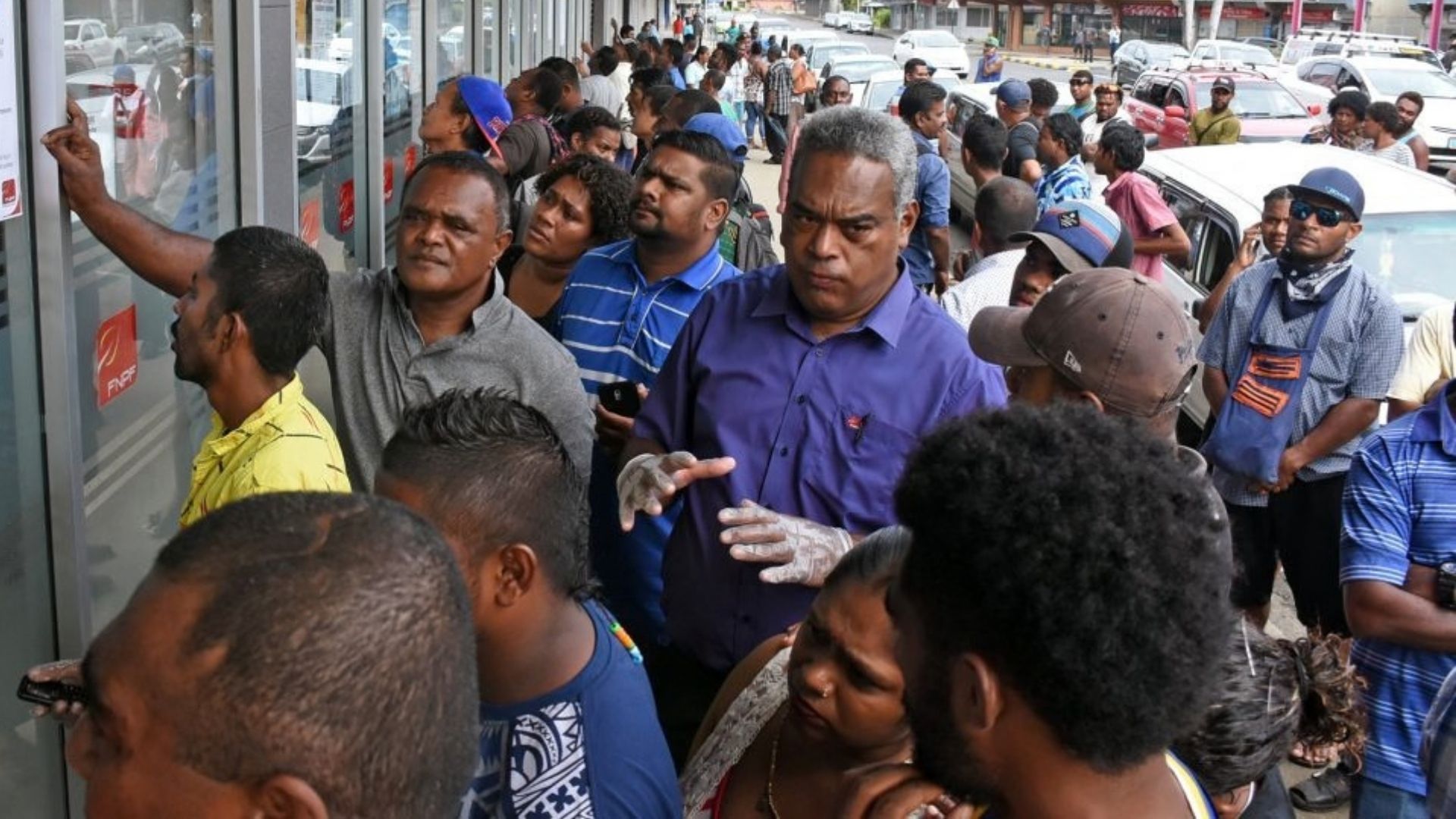
Fijians will vote on 9 December on whether to adopt the proposed new Constitution or retain the 2013 Constitution. Photo/The Fiji Times/file
But the tight timetable has raised questions about whether voters will have enough time to understand and debate the proposed constitutional changes.
Nilesh Lal, chief executive of the Centre for Democracy and Dialogue, last week urged the Electoral Commission to assess whether the timetable was workable before a referendum date was fixed.
“Fiji would not be activating an established referendum framework that has already been interpreted and tested.
"We would be creating Fiji’s referendum system and almost immediately using it for the first time to decide whether to adopt what is, in substance, a substantially new Constitution,” Lal said.
Rabuka said the government would respect the independence of the Electoral Commission and Fijian Elections Office during the process.
The announcement comes as Parliament moves through the next stages of the Constitution Amendment Bill 2026, which proposes major changes to how Fiji is governed and how Parliament is elected.

Centre for Democracy and Dialogue chief executive Nilesh Lal has raised questions about the timetable and process for Fiji's first national referendum. Photo/Supplied
The Bill passed its second reading with 38 votes in favour, five against and nine abstentions. It will now go through 30 days of public consultation before the Joint Parliamentary Select Committee reports back on 2 November. It must then win at least 66 per cent support at its third reading before Fijians can vote on it in a referendum.
Among the proposed changes are a return to constituency-based representation alongside party-list seats, five maritime constituencies including Rotuma, and the creation of a 23-member Senate.
The proposed constitutional changes have been the subject of debate, which include questions around representation, accountability and the balance of power.
Opposition Leader Inia Seruiratu has stressed that the constitutional process must have genuine public ownership than being presented to Fijians as a finished document.
"A Constitution cannot simply be written for the people and presented to them as a finished product,” he told Parliament on Friday.

Fiji's Parliament has advanced the Constitution Amendment Bill, which will now go through further public consultation before its third reading. Photo/Fiji Parliament/file
He said the final document should reflect the “aspirations, concerns and expectations” of the wider population.
“None of us owns Fiji, no political party owns Fiji and no Government owns the Constitution," Seruiratu said.
Rabuka said the referendum should be treated as a national process and not a political contest.
“Whatever our individual views may be, I ask that we conduct this national conversation peacefully and respectfully and allow the democratic process to take its course.
He urged Fijians to rely on information from the Electoral Commission and Fijian Elections Office as details of the vote are released.
“When 9 December comes, the decision will be yours. Exercise your democratic rights. Make your choice. Let your voice be heard.”
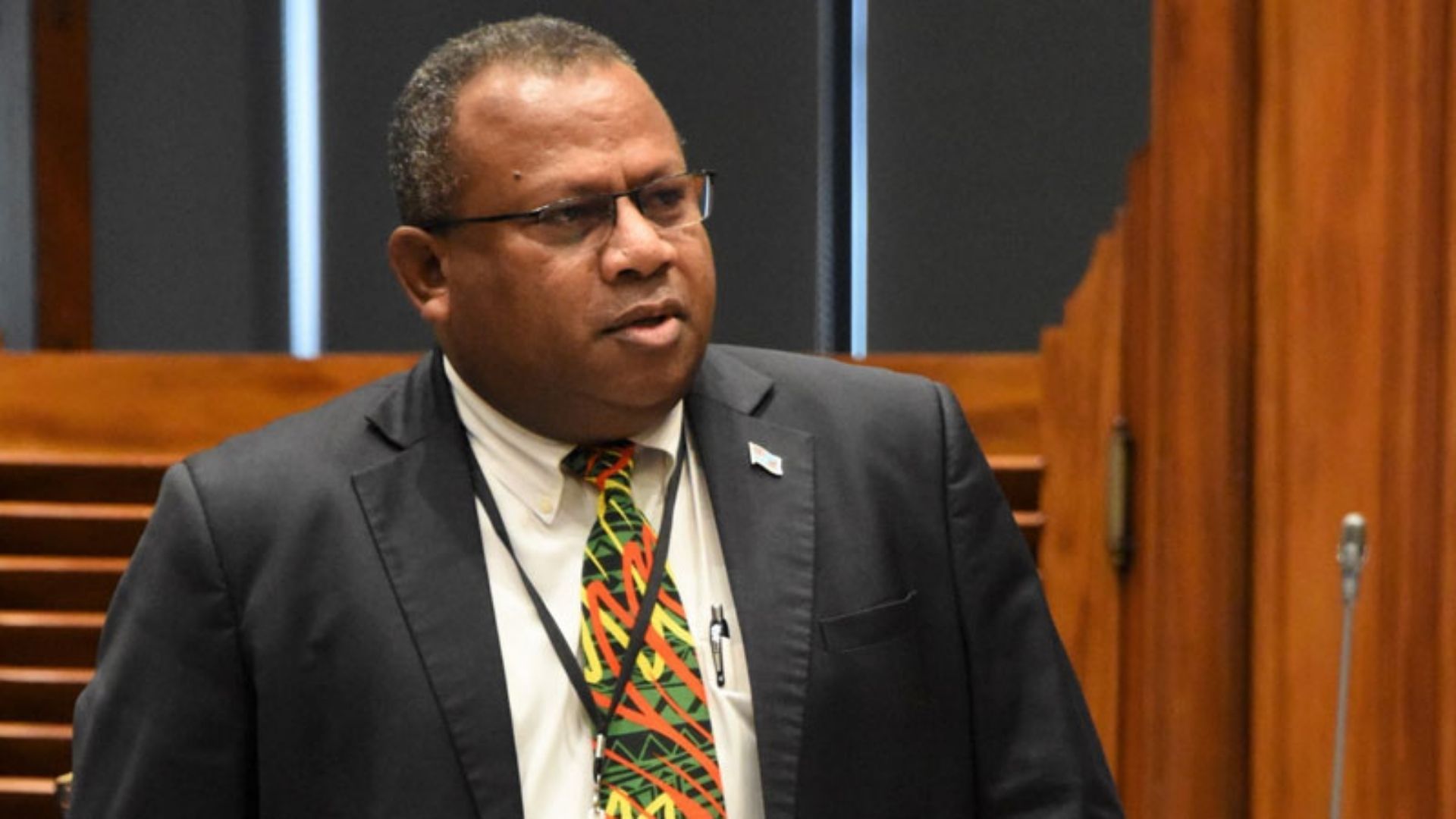
Fiji Opposition Leader Inia Seruiratu says any new constitutional framework should serve the country for generations and reflect the concerns and expectations of the wider population. Photo/Fiji Parliament
Fiji’s next general election remains due within the constitutional timeframe, which runs through to 6 February 2027. The Electoral Commission has previously said it remains ready to conduct the election within that period.
Rabuka also called for unity as Fiji enters what will be a major period of political and constitutional change.
“As a nation, we may hold different views, but we share one Fiji," he said.
The next key step will be the issue of the referendum writ, which the President is expected to sign on 9 November.