
Pacific women have waited long enough for equal pay in NZ, says former commissioner
Thomas Tarurongo WynneTue, 06 Oct
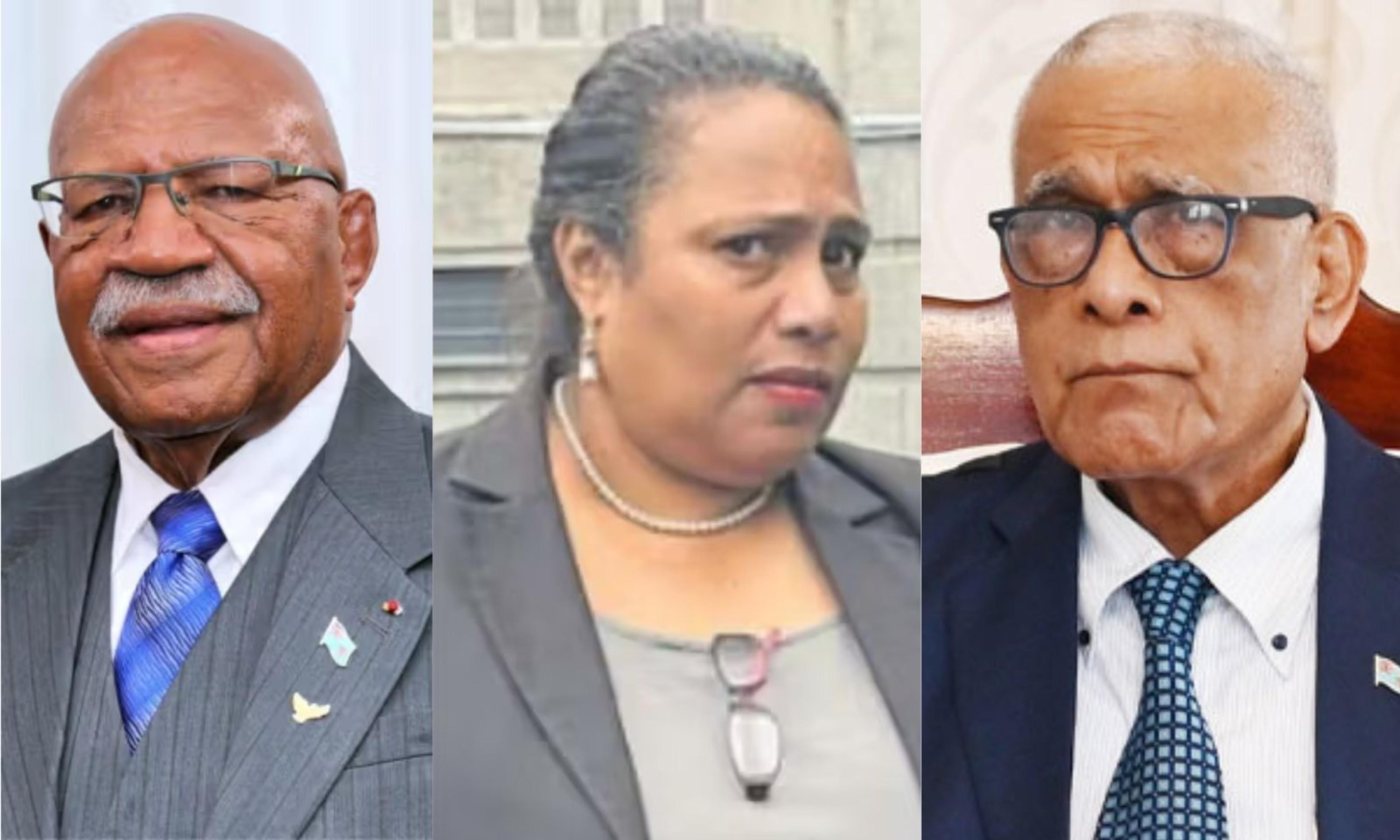
From left: Fiji's Prime Minister Sitiveni Rabuka, Suva lawyer Barbara Malimali, and the country's President Ratu Naiqama Lalabalavu.
Photo/Supplied
A judge has declared Prime Minister Sitiveni Rabuka had no constitutional authority to advise the President to sack Barbara Malimali.


A High Court ruling in Fiji has delivered a major blow to the government after a judge found that the Prime Minister acted without constitutional authority in the dismissal of the country’s anti-corruption chief, according to local media.
Justice Dane Tuiqereqere ruled on Monday that the removal of Suva lawyer Barbara Malimali as Commissioner of the Fiji Independent Commission Against Corruption (FICAC) was unlawful, upholding her judicial review challenge to the decision.
Tuiqereqere found that Prime Minister Sitiveni Rabuka did not have the power to advise the President, Ratu Naiqama Lalabalavu, to revoke Malimali’s appointment, as he did on 2 June 2025 following a Commission of Inquiry into her appointment.
Malimali was removed from office after the President acted on the Prime Minister’s advice, a move her legal team argued breached both the 2013 Constitution and the FICAC Act.
Her counsel, Tanya Waqanika, submitted that only the Judicial Services Commission (JSC), not the Prime Minister, has the authority to advise the President on the appointment, suspension, or removal of a FICAC Commissioner.
The State argued that the Prime Minister acted out of “constitutional necessity”, claiming the JSC was effectively paralysed or compromised at the time the decision was made.
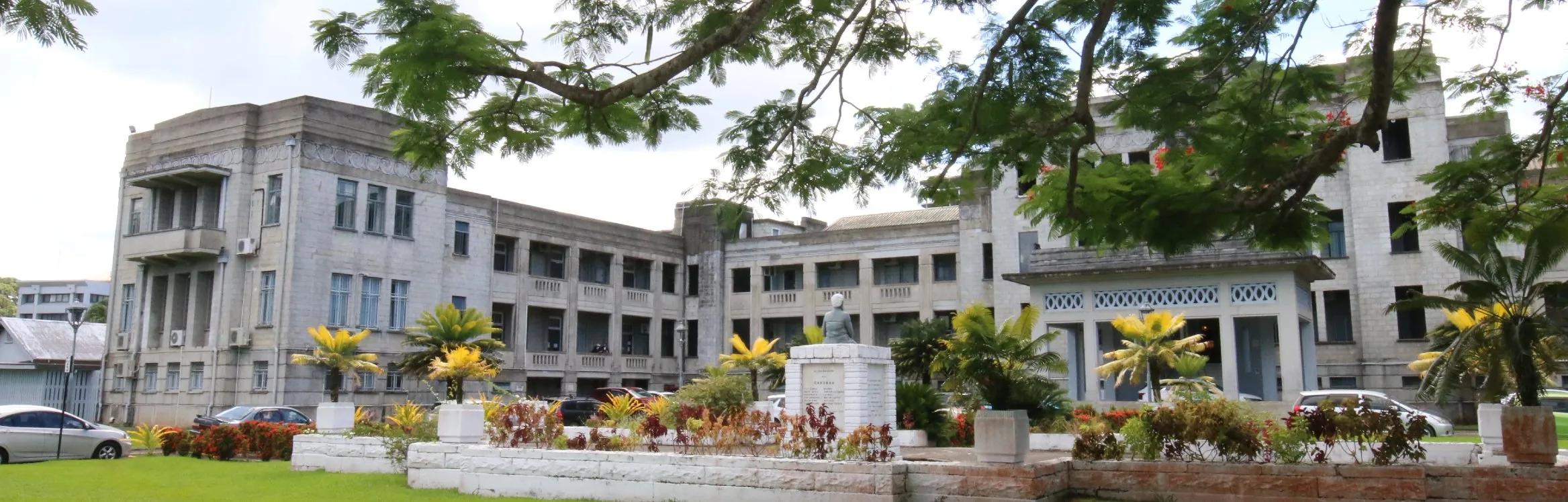
The High Court in Suva, where a judge ruled that the Prime Minister acted unlawfully in advising the President to dismiss Fiji’s anti-corruption commissioner. Photo/Fiji government
Tuiqereqere rejected that argument, ruling in favour of Malimali and declaring the dismissal unlawful.
Further orders on remedies, including possible reinstatement and damages, are expected to follow.
Malimali had asked the court to quash the decision revoking her appointment, reinstate her to office, and award damages for loss of income and reputational harm.
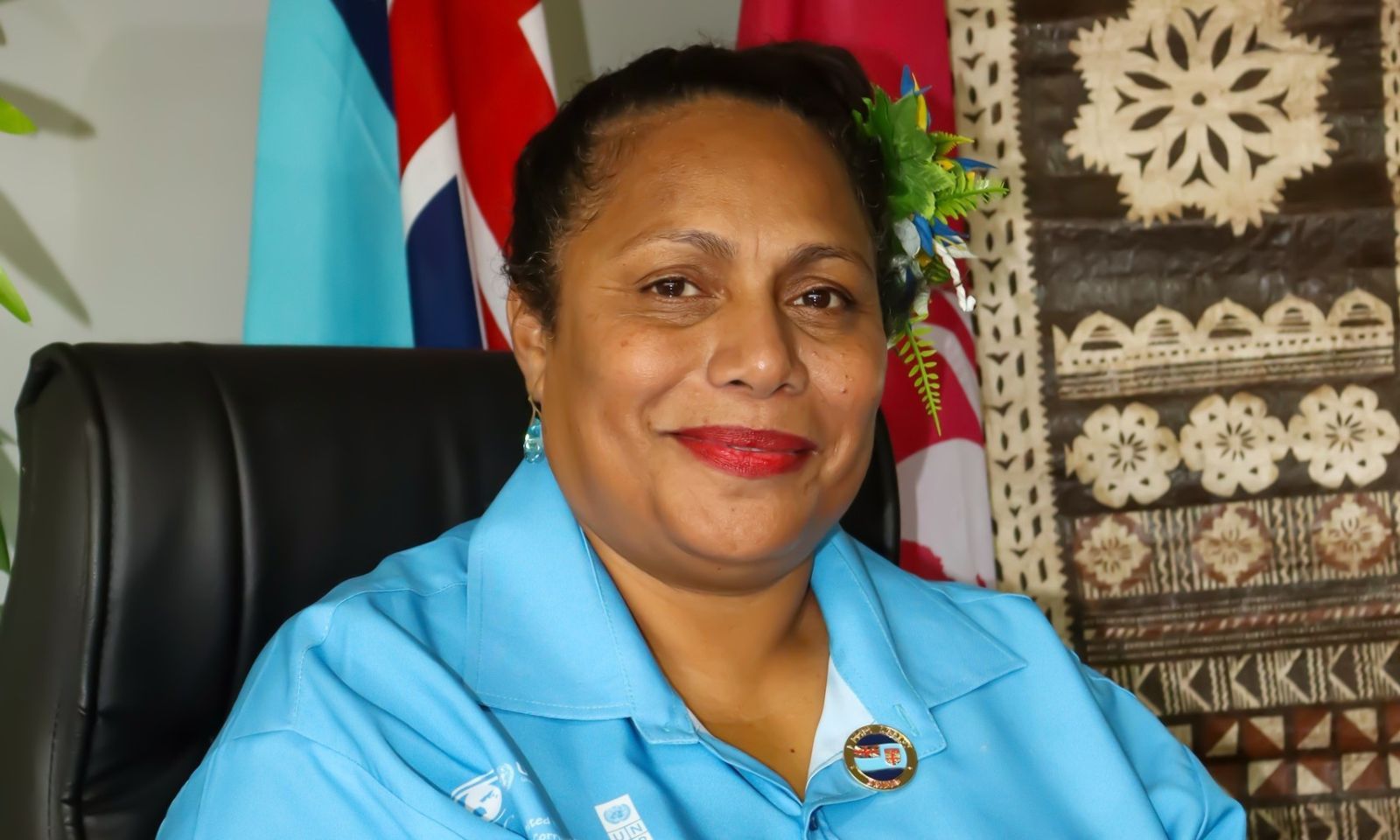
Former Fiji Independent Commission Against Corruption commissioner Barbara Malimali, whose dismissal was ruled unlawful by the High Court. Photo/Supplied
The ruling comes against the backdrop of extraordinary controversy surrounding Malimali’s short and turbulent time at the helm of Fiji’s anti-corruption watchdog.
As previously reported by the ABC, “even by Fijian standards of high political drama, the arrest of the country's new anti-corruption commissioner on her first day in the job was extraordinary”.
Malimali was appointed head of FICAC in early September, only to be detained and questioned the following day on the direction of her own acting deputy commissioner, Francis Puleiwai.
Puleiwai claimed Malimali should not have been considered for the role because she was under investigation by FICAC over alleged abuse of powers during her previous role as chair of the Electoral Commission.
“The public needs to know that the appointment was done in haste,” Puleiwai told local media before resigning as acting deputy commissioner.
Pulewai also alleged political interference in other FICAC investigations involving senior government figures.
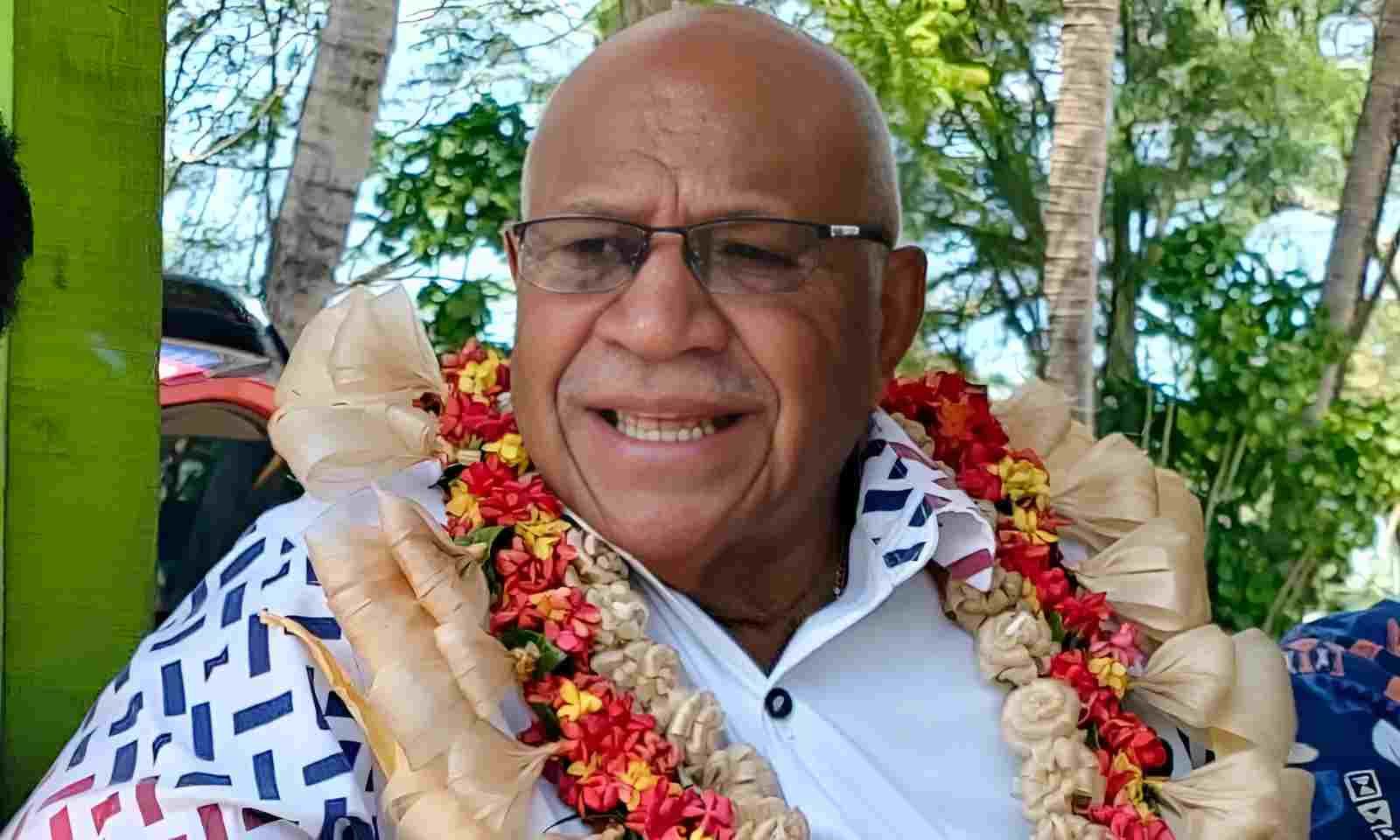
Fiji Prime Minister Sitiveni Rabuka, who advised the President to revoke Barbara Malimali’s appointment - a move the court has now ruled was unconstitutional. Photo/People's Alliance Party
FICAC later rejected those claims, reportedly stating that “there hasn't been any interference of any sort by the current coalition government or any political parties … due processes are strictly adhered to”.
The commission was established in 2007 and is responsible for investigating and prosecuting corruption and abuse of office.
It was created under the government of former prime minister Frank Bainimarama whose 16 years in power were marked by authoritarian rule.
Critics have long questioned the body’s independence. Victoria University of Wellington politics professor Jon Fraenkel told the ABC: “Some foolish overseas academics thought it was a legitimate anti-corruption body, but its first and foremost purpose was to harass, constantly threaten and arrest the opponents of Bainimarama.”
The Fiji Independent Commission Against Corruption, the country’s watchdog agency at the centre of a legal and political storm over its independence and leadership. Photo/FICAC
“They even used FICAC against their own people, either when they fell out of favour or to keep them in line.”
Malimali herself has said FICAC was historically “weaponised against the people of Fiji”.
Legal and political observers say Monday’s ruling raises serious questions about executive power and the rule of law in Fiji, as the country continues to rebuild democratic institutions following years of military-backed governance.
As Fraenkel told the ABC: “Democracy is about more than just elections. It also requires the rule of law, a free media, open and transparent accountability institutions and a parliament that operates in an accessible way.”
Watch as lawyers arrive at the High Court in Suva.