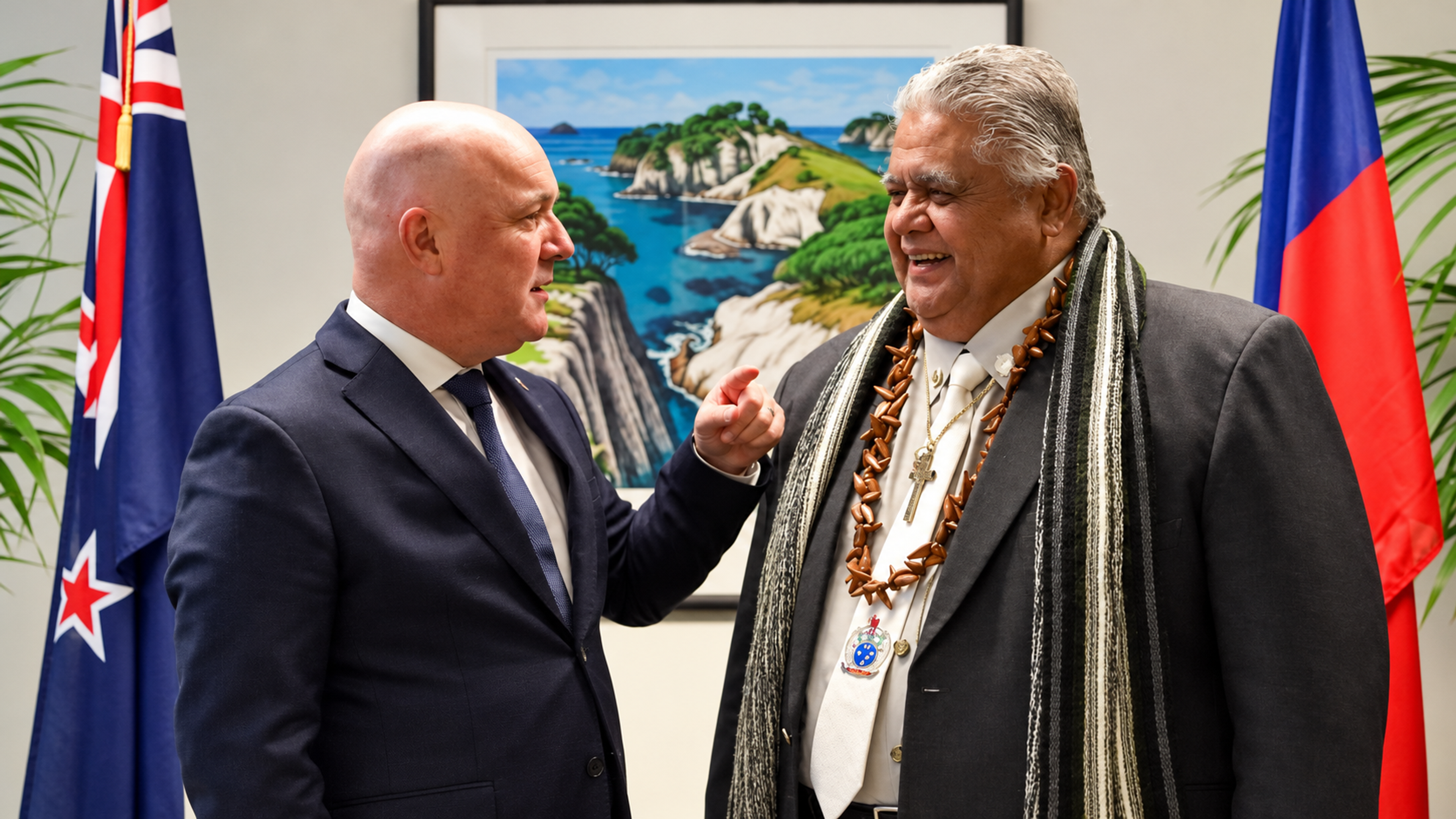
Sāmoa treaty dispute with Luxon 'blown up' by media, says community leader
PMN NewsTue, 27 Oct
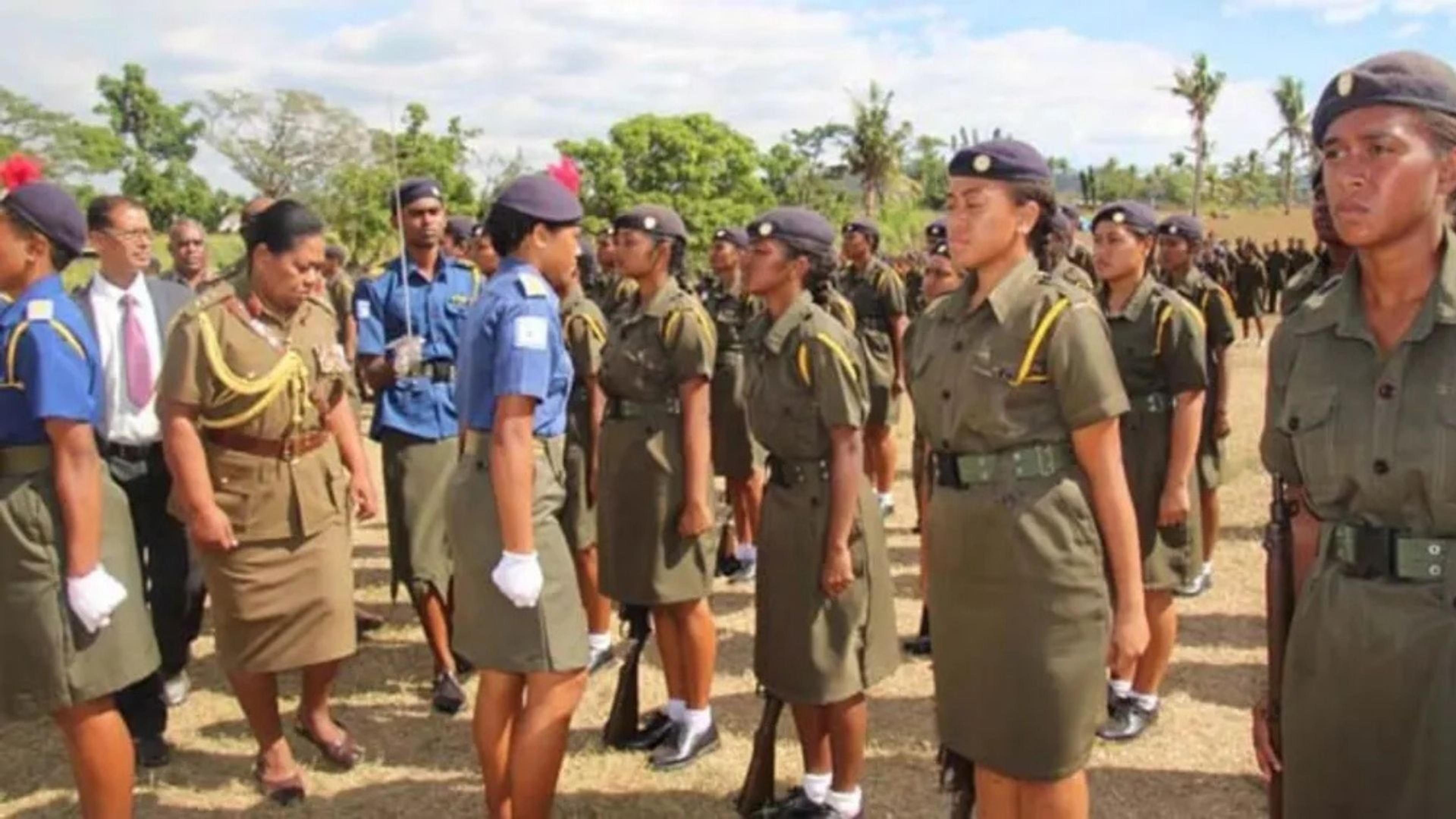
A new independent gender assessment has recommended Fiji's military review its pregnancy-related deployment policies after identifying barriers affecting women serving in United Nations peacekeeping operations.
Photo/Fiji military
A UN gender report has found women in Fiji's army who become pregnant before or during deployments are removed from missions.

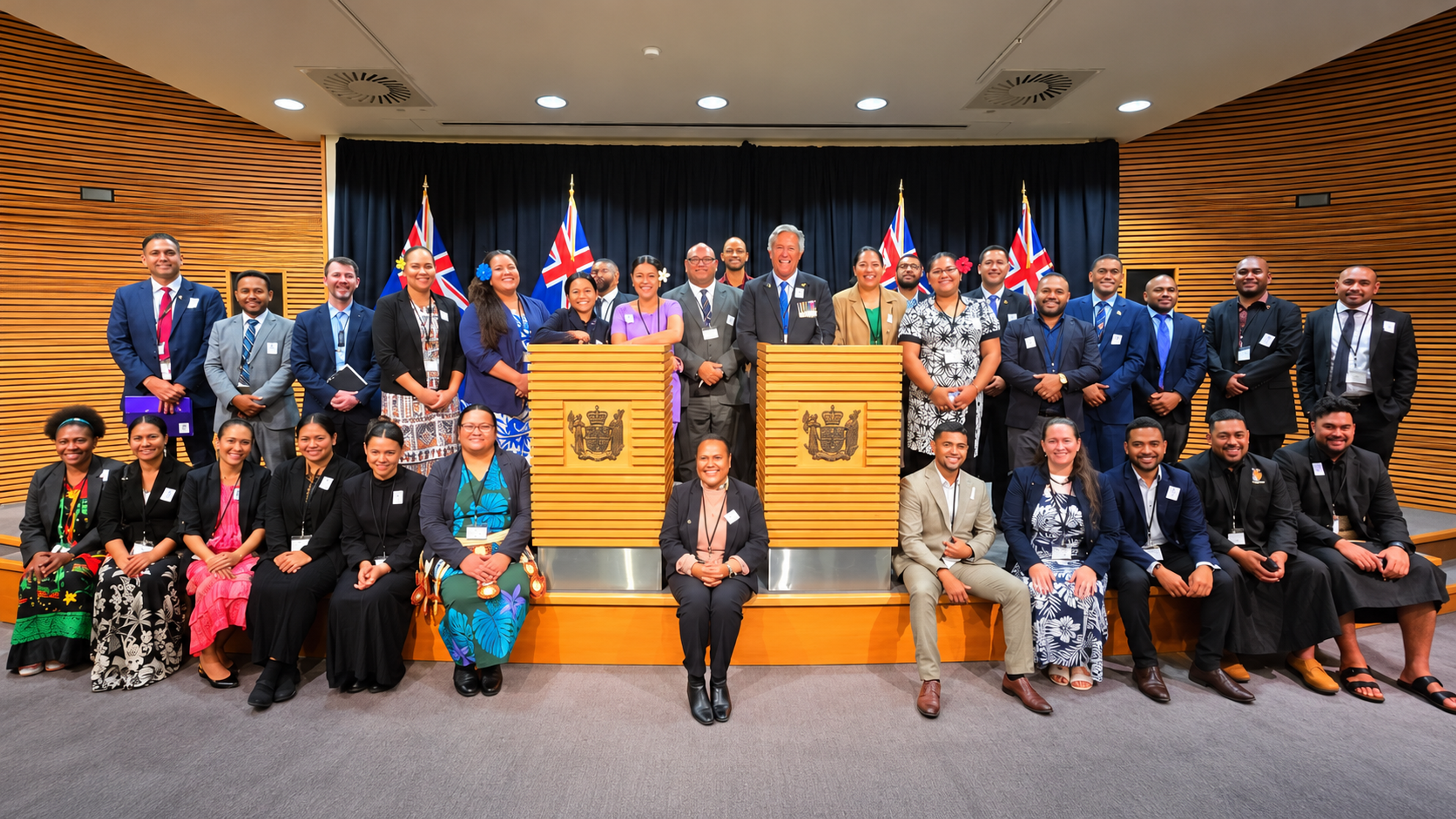


An independent gender assessment has called on Fiji's military to review its pregnancy policies after finding women selected for United Nations (UN) peacekeeping missions are removed from deployment if they become pregnant.
The findings are contained in the 2026 Measuring Opportunities for Women in Peace Operations (MOWIP) assessment, conducted by Ethos CRS and the DCAF Geneva Centre for Security Sector Governance.
The report says women in the Republic of Fiji Military Forces (RFMF) who become pregnant before or during a (UN) deployment are replaced, while men face no equivalent consequence for the same pregnancy.
Researchers described the practice as "a recurring problem" and said all personnel selected for deployment are required to undergo pregnancy testing before departure.
According to the report, one senior decision-maker told researchers that a woman who tested positive for pregnancy would not deploy because the RFMF "can't afford to have someone pregnant" on a mission.
The assessment also found that while a pregnant woman is immediately identified, establishing whether a man is involved in the pregnancy requires a formal investigation.
Researchers identified another unofficial practice in which mothers of children younger than 12 months are prevented from deploying, a restriction that does not apply to fathers.
The report says the policies create unequal opportunities for women serving in peacekeeping roles. It also highlights broader challenges facing women in the military.
The Republic of Fiji Military Forces has about 9500 personnel, including around 3500 full-time soldiers and about 6000 members of the Territorial Force. Women make up a small share of the force, accounting for an estimated eight to 14 per cent of personnel.
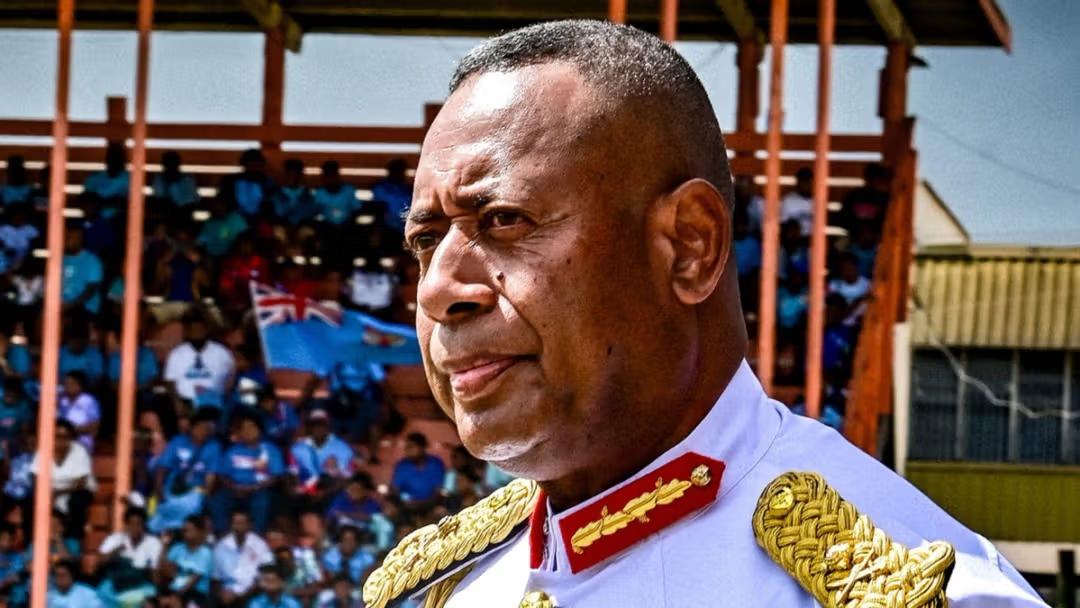
Republic of Fiji Military Forces Commander Major General Jone Kalouniwai says the gender assessment should be used as a roadmap to strengthen policies, culture and opportunities for women in the military. Photo/Ministry of Civil Service, Fiji
According to the assessment, 88 per cent of women surveyed said breastfeeding facilities within the RFMF were inadequate, while only 20 per cent believed women felt comfortable breastfeeding or expressing milk at work.
At the same time, the report notes the military provides 98 days of paid maternity leave for a woman's first three children, with personnel returning to their previous position and seniority after leave.
Most respondents also reported having access to flexible working arrangements, including the ability to leave work during family emergencies.
The assessment recommends the RFMF review its pregnancy-related deployment policies and ensure women affected by those decisions are treated with dignity and respect.
The findings come as Fiji's military leadership and government have committed to using the assessment to drive reform across the disciplined forces.
Military Commander Major General Jone Kalouniwai said the report should be seen as a roadmap for change rather than criticism.
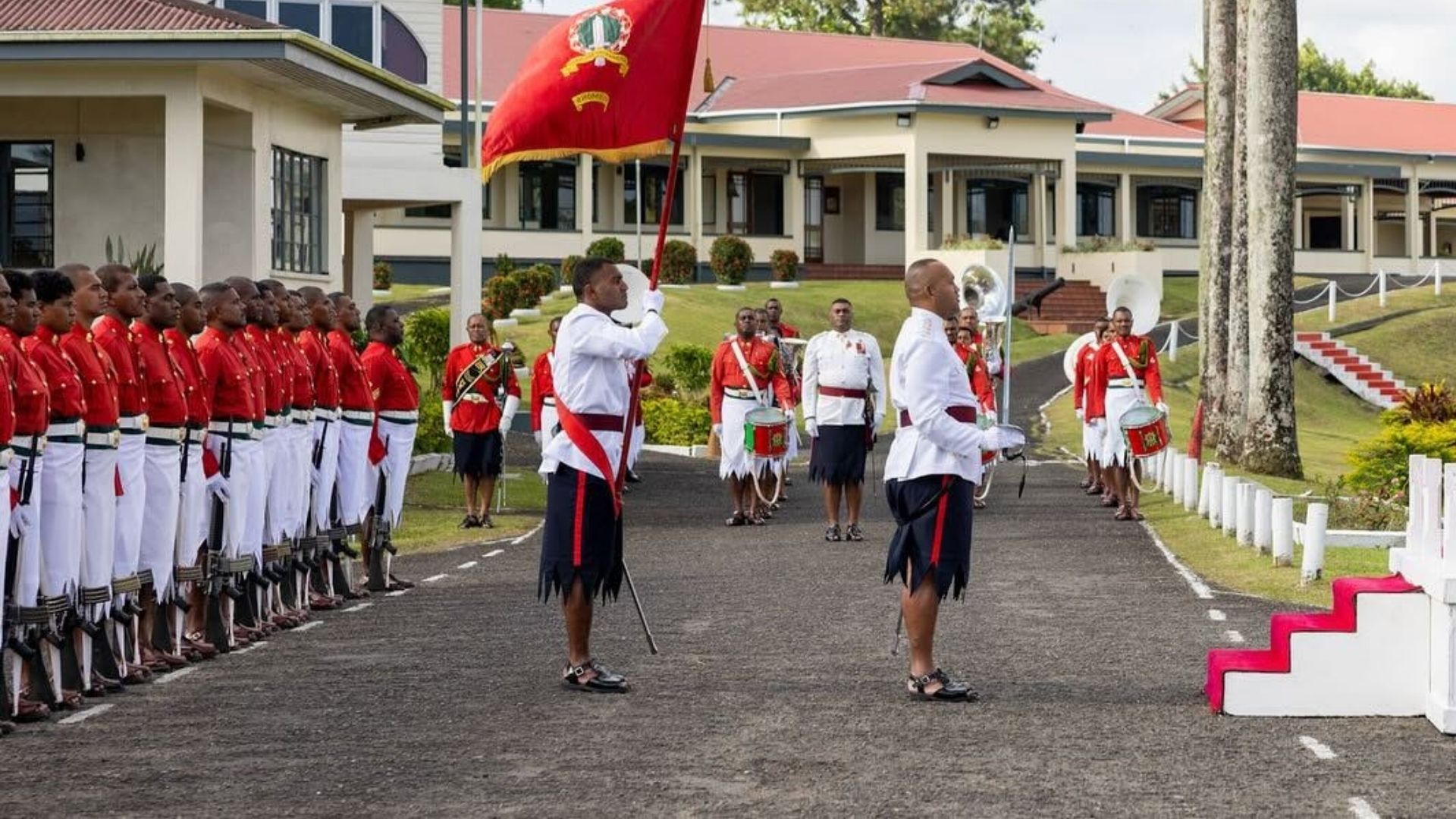
Fiji's military remains one of the Pacific's largest contributors to United Nations peacekeeping missions, with the new report calling for reforms to strengthen opportunities for women in service. Photo/Facebook
“The gender barrier assessment is not a checklist, it is a call to action," he said at the launch of the MOWIP report in Suva last month.
"We will use its findings to transform our policies, culture, and practices to ensure the RFMF is a place where every Fijian, regardless of gender, can serve with dignity and purpose.”
Minister for Defence and Veteran Affairs Pio Tikoduadua said the assessment challenged institutions to examine whether everyone had the same opportunity to serve and lead.
“If we are serious about preparing our institutions for the future, we must also be willing to ask difficult questions about whether everyone has the same opportunity to serve, to lead and to succeed," he said at the report's launch.
"That is what this assessment is about. It is about understanding, not assuming, and listening, not guessing.”
He said the report marked "an important milestone" for Fiji's disciplined forces.
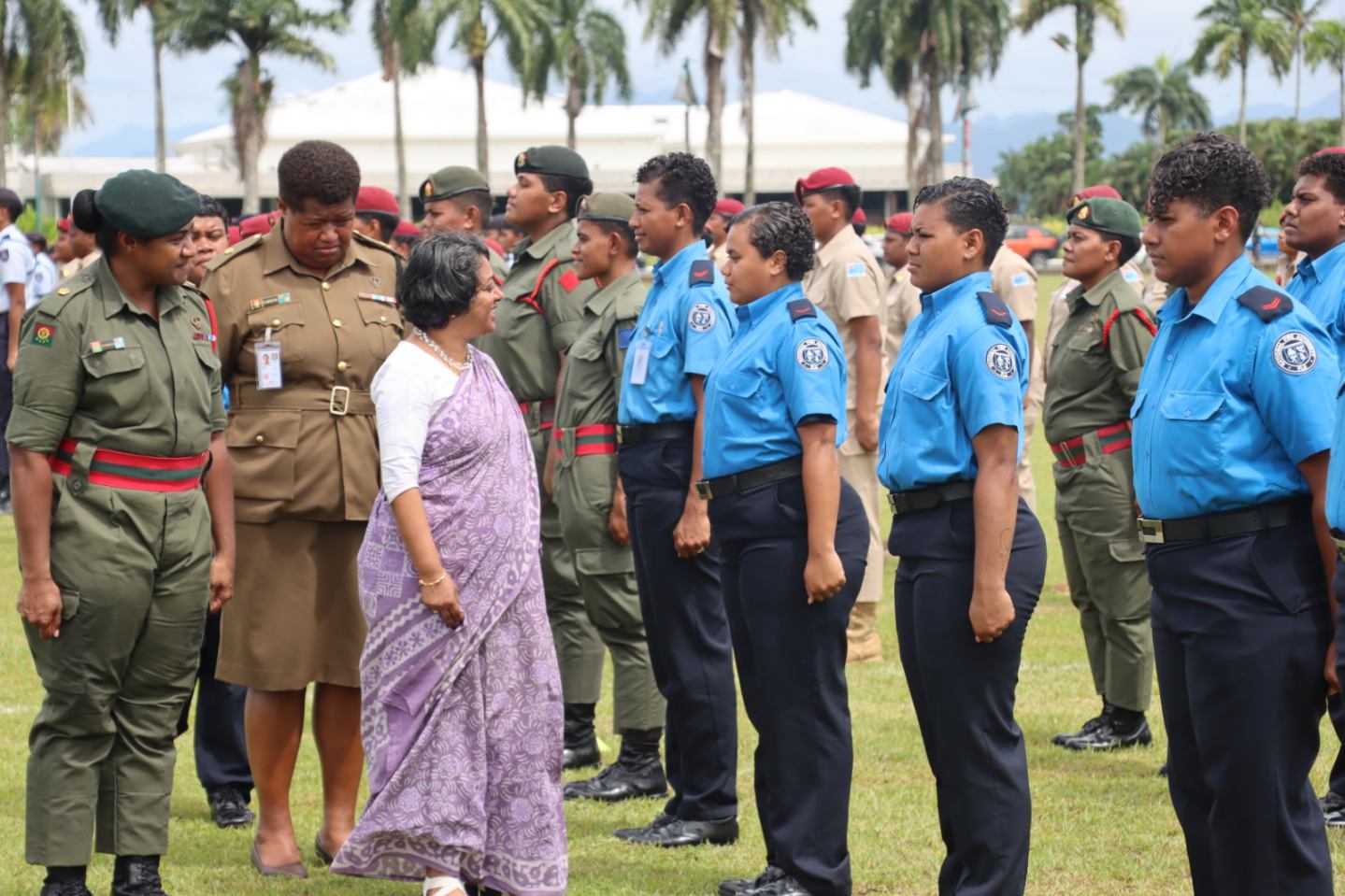
Minister for Women, Children and Social Protection Sashi Kiran inspects a military guard. She says the report provides an evidence-based roadmap to improve gender equality and create more inclusive workplaces across Fiji's disciplined forces. Photo/Fiji Ministry of Defence
“Women's meaningful participation is not simply about achieving equal numbers. It is about recognising that every individual deserves an equal opportunity to contribute their skills, experience and leadership,” Tikoduadua said.
Minister for Women, Children and Social Protection Sashi Kiran said the findings would help shape practical reforms.
“The findings place Fiji in a stronger position to move beyond assumptions and develop practical, evidence-based roadmaps to achieve gender parity and create workplaces where everyone has an equal opportunity to contribute and succeed,” she said at the launch.
Kiran said women's participation was about more than representation.
“Women's participation is not simply about representation but about recognising talent, strengthening leadership, improving operational capability and ensuring institutions benefit from the full range of skills, perspectives and experiences women bring.”
Kiran said both the Republic of Fiji Military Forces and the Fiji Police Force had entered the next phase of the Ministry's Gender Transformative Institutional Capacity Development initiative to strengthen workplace systems and policies.
Fiji has long been one of the Pacific's largest contributors to United Nations peacekeeping missions, making the report's recommendations significant for both the country's military and its international peacekeeping role.