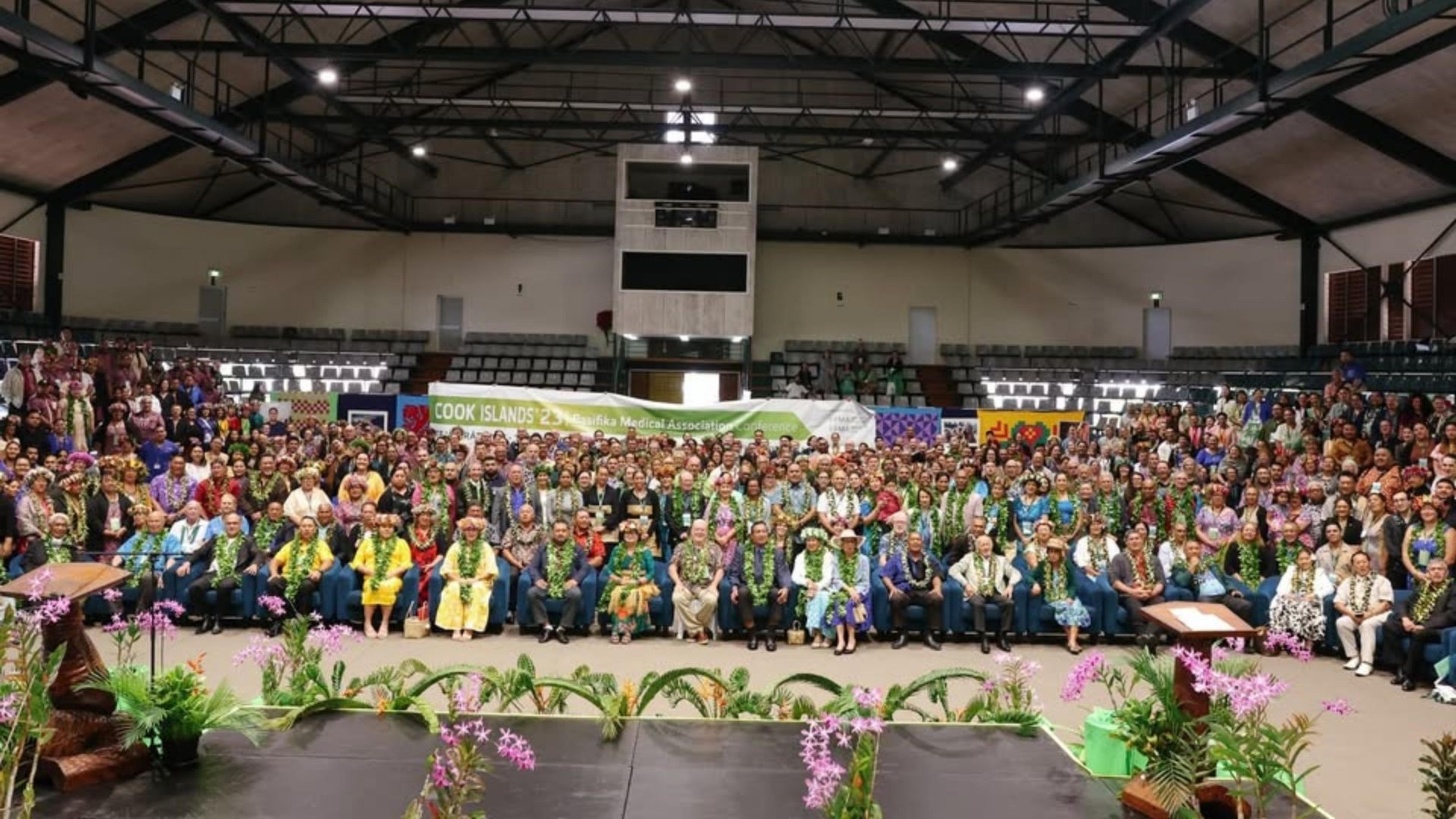
The Pasifika Medical Association (PMA) conference will bring together Pacific health leaders, clinicians and researchers for three decades, creating a space to share knowledge and shape the future of Pacific health.
Photo/PMA
Health
Pacific health leaders gather to shape future as PMA marks 30 years
From artificial intelligence and genomic research to leadership and regional partnerships, this week's conference will celebrate while looking ahead.

PMN News
Published
04 August 2026, 11:09am
Share
Copy Link
Top stories
From Ōtara, NZ to Los Angeles: David Liti lifts up the next generation
Elton Lonaratha JnrMon, 19 Oct

Washington warnings mount as four Pacific nations risk loss of US aid
Christine RovoiTue, 20 Oct

'Watch out': Silver Ferns issue clear warning to Diamonds ahead of Christchurch clash
Brooke FonotiMon, 19 Oct
Top stories
From Ōtara, NZ to Los Angeles: David Liti lifts up the next generation
Elton Lonaratha JnrMon, 19 Oct
Washington warnings mount as four Pacific nations risk loss of US aid
Christine RovoiTue, 20 Oct
'Watch out': Silver Ferns issue clear warning to Diamonds ahead of Christchurch clash
Brooke FonotiMon, 19 Oct
Artificial intelligence, Pacific-led research and the next generation of health leaders will take centre stage this week as the Pasifika Medical Association (PMA) marks 30 years of service.
A three-day conference will bring together clinicians, researchers and health leaders from Aotearoa New Zealand and across the Pacific to explore the future of Pacific health, from digital technology and genomic research to stronger leadership and regional partnerships.
This year's theme, "The pathway to leadership is service", reflects what conference convenor Dr Josephine Aumea-Herman says has always been at the heart of Pacific health.
Speaking with Khalia Strong on PMN's Pacific Mornings, Aumea-Herman said leadership has always been about serving Pacific communities.
"You really are positioned in important roles to help others, to serve our people, our community and the system that we work in, including our people.
"Not just for Pacific peoples, especially for those of us that are living in New Zealand, but also the wider New Zealand health sector and health system."
Watch Josephine Aumea-Herman's full interview below.
She said PMA's work has also extended well beyond New Zealand through partnerships across the Pacific.
"There's also this extensive reach into the region. And that's where PMA has been quite advancing in terms of building those networks, supporting our Pacific colleagues in the region."
Looking back over three decades, Aumea-Herman paid tribute to the pioneers who helped build the organisation including Dr Kiki Maoate, Debbie Sorensen, Papali'i Dr Suitafa Debbie Ryan and Professor Sir Collin Tukuitonga.

PMA pioneers Dr Kiki Maoate and Debbie Sorensen have helped shape three decades of Pacific health leadership, mentoring generations of health professionals. Photo/Supplied
"They've been important mentors, important pioneers and fearless," Aumea-Herman told Strong. "They've been important in paving the path for many of us younger ones that have come through."
She recalled the story often shared by PMA's founding leaders, who began the organisation with little more than "some files in the back of a car boot" and a vision to improve Pacific health across Aotearoa and the region.
While celebrating those achievements, Aumea-Herman said the conference is equally focused on the future.
The programme includes sessions on Pacific-led research, integrated care for Pacific families, digital health and artificial intelligence, leadership development, and building a future-ready Pacific health workforce.
Among the presentations is research from Australia examining the environmental and genetic factors affecting Pasifika communities there.
Professor Lyn Griffiths, Director of the Centre for Genomics and Personalised Health at Queensland University of Technology, will discuss how genomic research in underrepresented Pasifika populations could lead to better diagnosis and treatment of long-term health conditions.
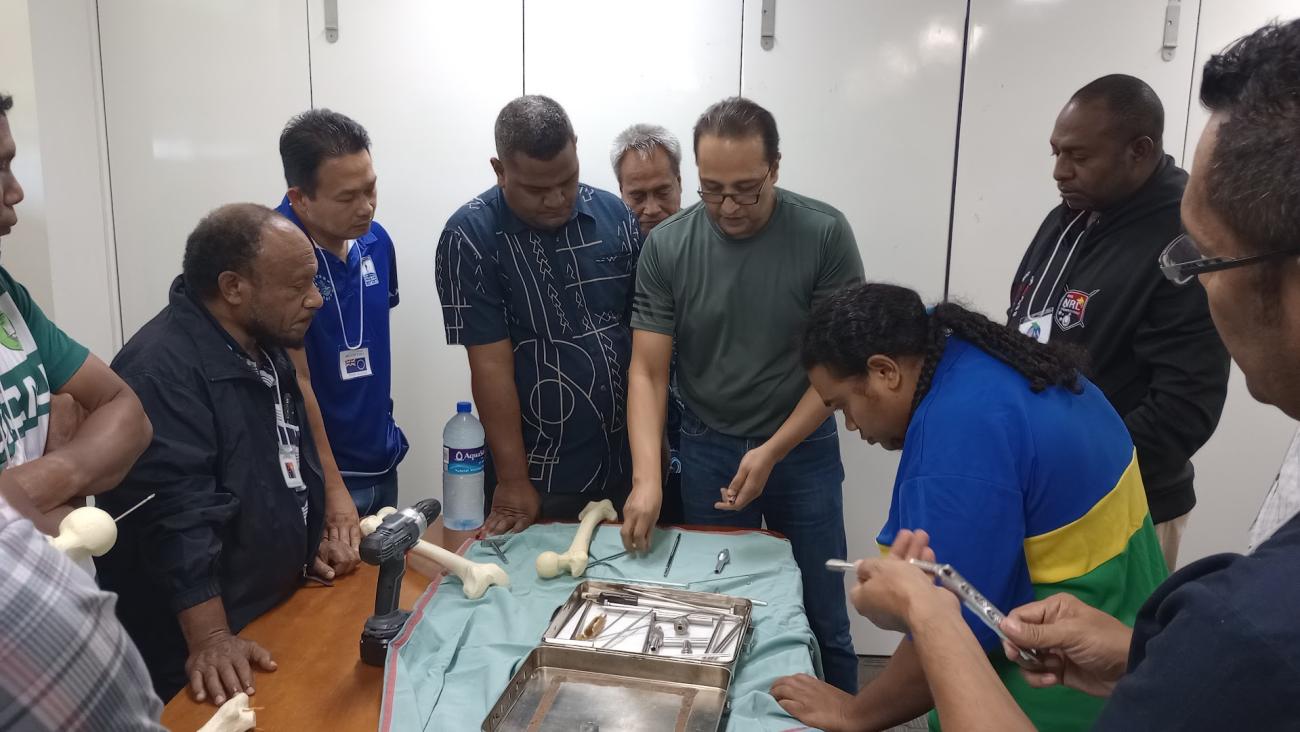
Pacific health leaders are gathering to discuss the challenges and opportunities shaping the future of health outcomes for Pacific communities across Aotearoa and the region. Photo/Pacific Community
Artificial intelligence, Pacific data sovereignty, genomic research and access to new medicines are among the key topics, alongside discussions about integrated care, Pacific health equity and the social and economic factors that continue to shape health outcomes for Pasifika families.
"For the last 30 years, this is what we've done. Right. So we're to next. We're having to evolve over time, the health sector as well as PMA. We're evolving in terms of leadership.
"We're also evolving in terms of what we are doing in the health sector with advancements in technology, AI and its impact and its good and also other risks that we need to think about."
She said Pacific data sovereignty would be a key part of those conversations, alongside emerging genomic research that could improve understanding of Pacific health needs.
Asked about the organisation's recent challenges, Aumea-Herman kept the focus on the conference.
"My focus has been on the conference and ensuring that we can deliver a conference that actually reflects what we've done."
She said it was important to pause and recognise what Pacific health leaders have achieved over the past 30 years.
The conference will also bring together some of the Pacific's most influential health leaders, including World Health Organization Western Pacific Regional Director Dr Saia Ma'u Piukala, PMA pioneers Tukuitonga, Dame Teuila Percival, Ryan and Maoate, alongside researchers and clinicians presenting the latest Pacific-led health research.
Aumea-Herman says the milestone is about more than celebrating the past. "Sometimes we need to remember what we've done well."
As the Pasifika Medical Association celebrates three decades since its founders began with "some files in the back of a car boot", this week's conference is looking firmly ahead - exploring how Pacific leadership, research and new technology can help improve health outcomes for Pacific communities across Aotearoa and the wider region.
The conference opens with a pre-conference programme on Wednesday, 5 August, before the formal opening on Thursday. Sessions will continue through Friday, 7 August. For more details visit pmagroup.org.nz