Pacific Aucklanders missing out on council support, opportunities
Taelegalolo'u Mary AfemataWed, 12 Aug
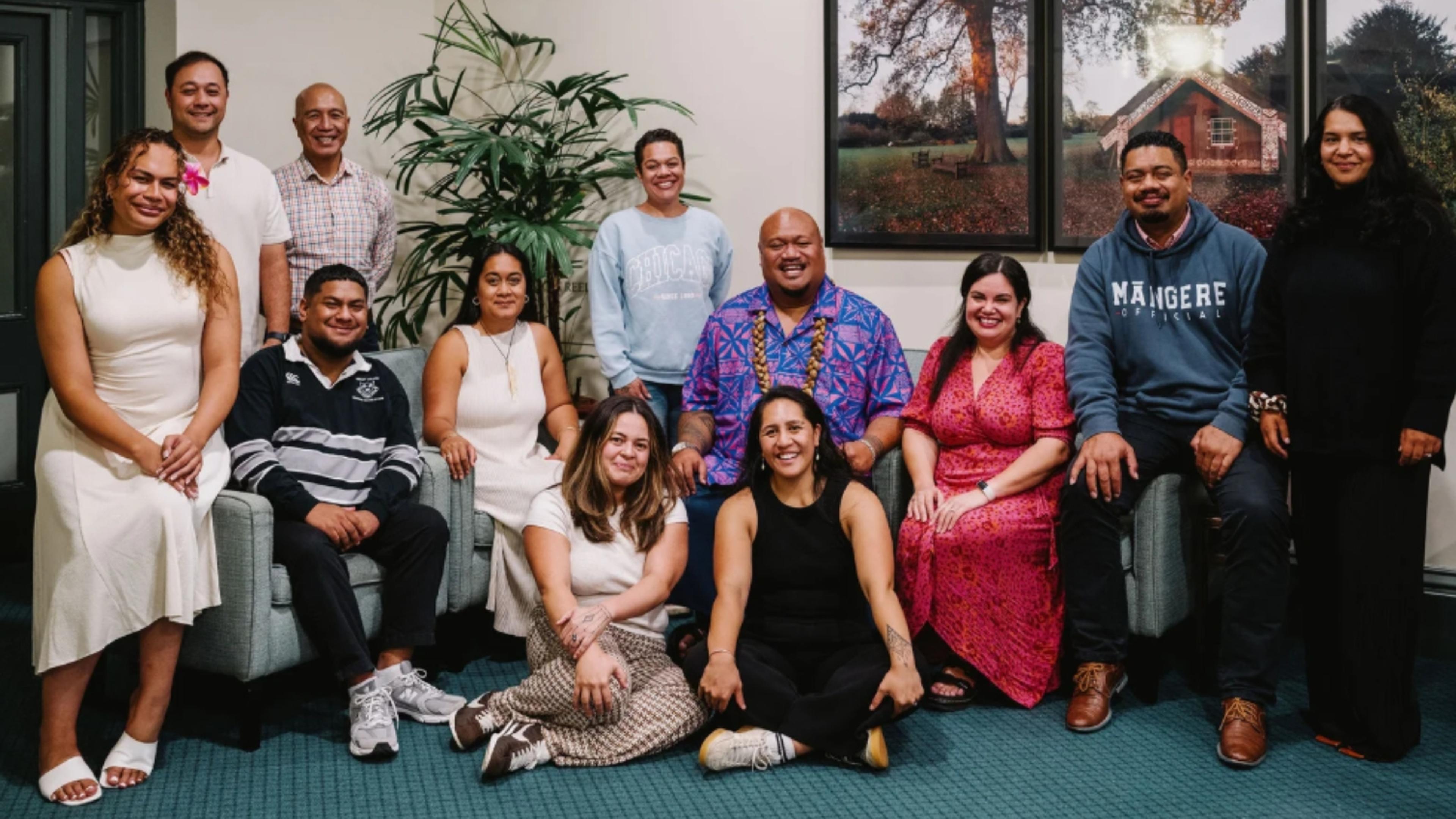
Gloria Tuitupou, third from left, with the Youth4Sure team.
Photo/Auckland Council
A youth-led budgeting model could be expanded across Auckland, giving young people greater influence over local spending.

Young Aucklanders could have greater influence over local funding decisions after a youth-led budgeting model gave rangatahi the final say over $120,000 in community grants.
The Maungakiekie-Tāmaki Local Board says its participatory budgeting approach goes beyond traditional consultation by allowing young people to identify priorities, develop ideas and decide which projects receive funding.
The original pilot funded 19 organisations, with the decisions made by rangatahi not requiring formal approval from the local board or other funders.
Participatory budgeting differs from traditional consultation by giving communities a direct role in deciding how funding is allocated, rather than simply providing feedback.
Board chair Debbie Burrows is encouraging other local boards to explore the model, while Ōtara-Papatoetoe Local Board chair Apulu Reece Autagavaia says the opportunities it offers are worth pursuing.
“I believe participatory budgeting is a model worth considering across Auckland,” Burrows told Local Democracy Reporting.
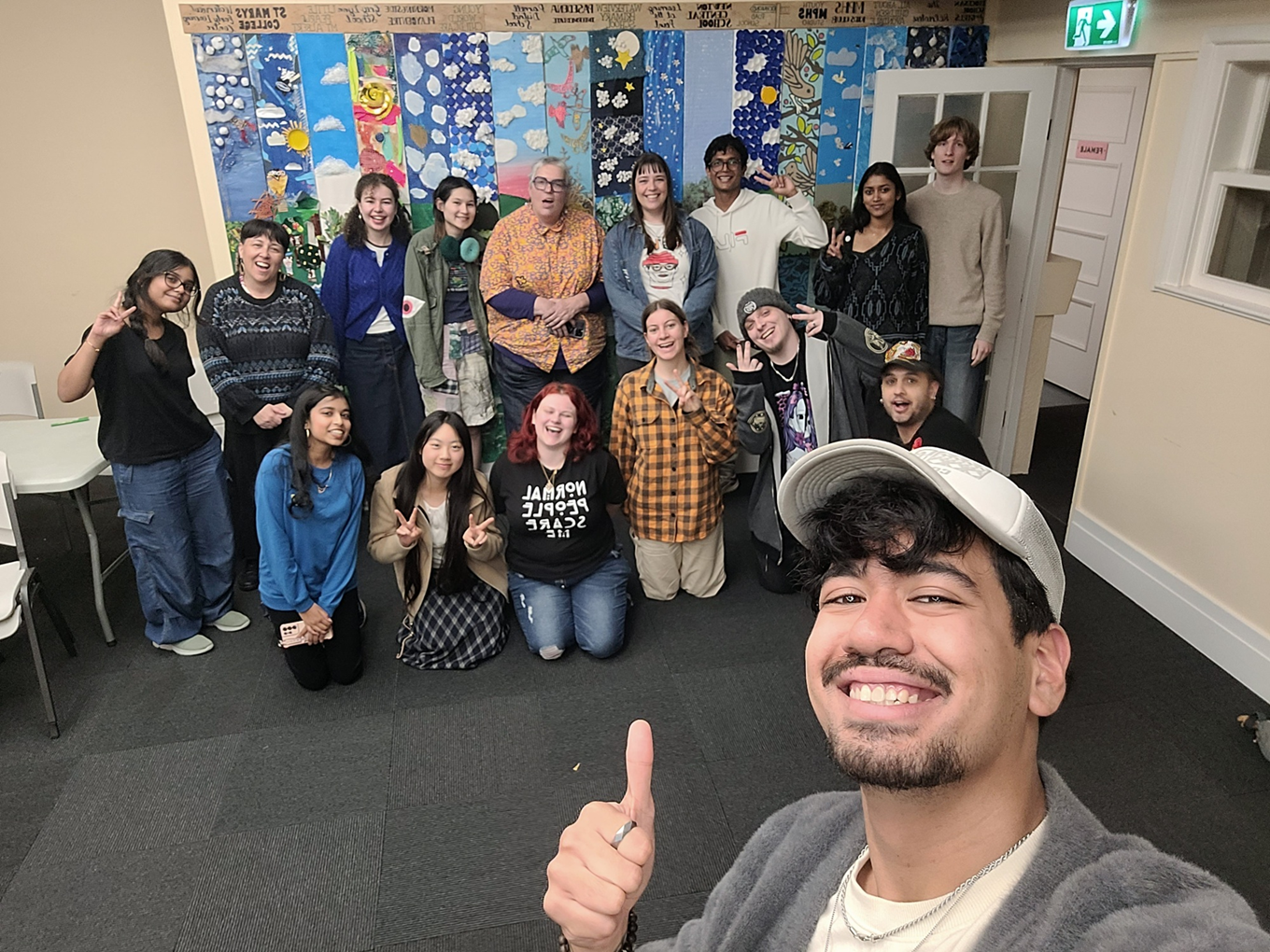
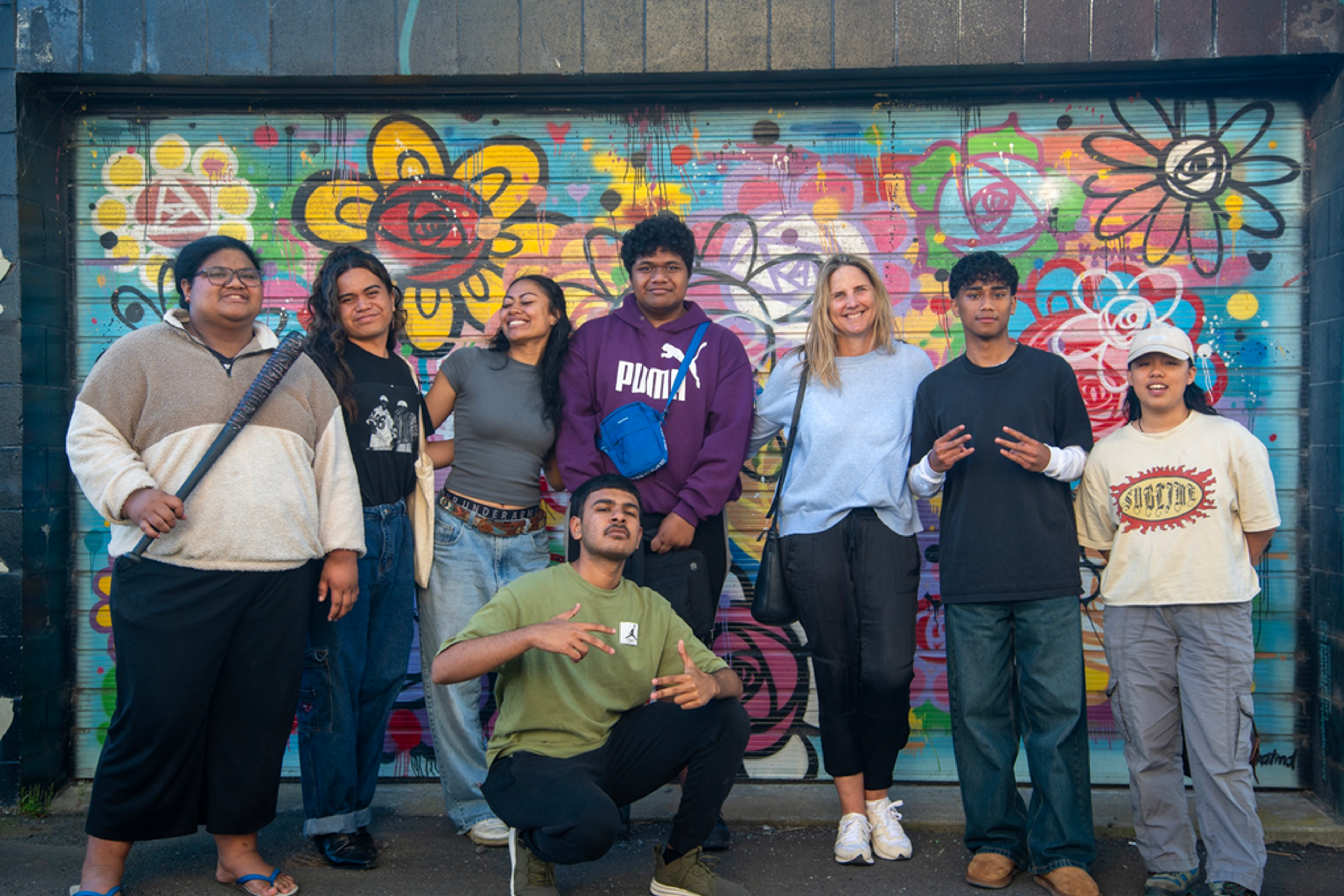
Noah Te Atakura Brown, foreground, with MakeTime participants during the youth-led participatory budgeting programme. Photo/Auckland Council
“Every local board has different priorities and funding pressures, so the approach won't necessarily look the same everywhere.
“However, giving communities - particularly young people - genuine influence over decisions that affect them is something I would encourage all local boards to explore.”
Auckland Council has been involved in piloting participatory grant-making in three areas across the city since 2022, with Maungakiekie-Tāmaki and Waitematā local boards leading the initial pilots.
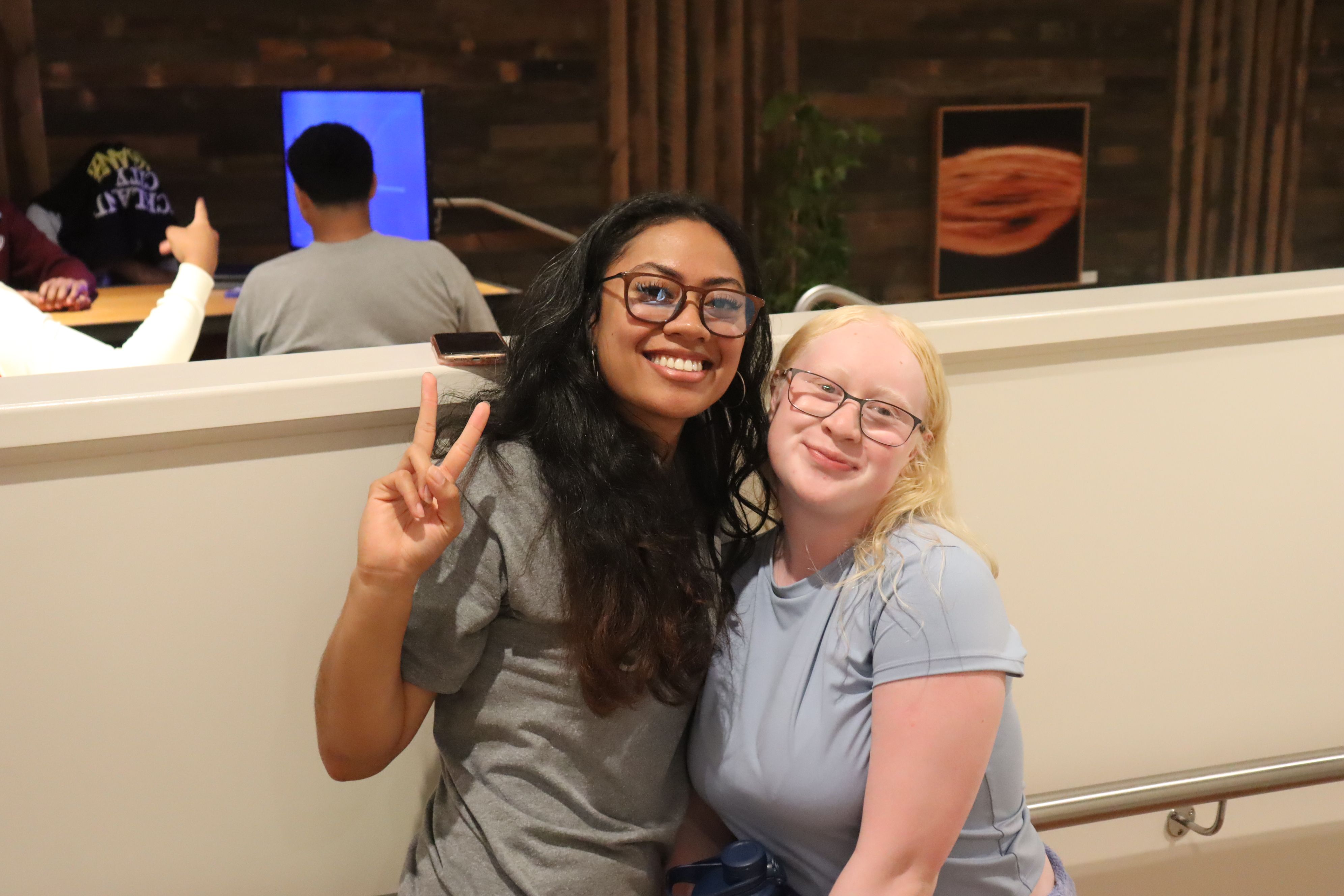
Youth leader Gloria Tuitupou, left, has been involved in Auckland's participatory budgeting programme, which gives rangatahi a say in which community projects receive funding. Photo/Auckland Council
The original Maungakiekie-Tāmaki programme received $135,000 from the local board, alongside $25,000 each from Foundation North and the Department of Internal Affairs.
Of that, $120,000 was distributed in grants to 19 organisations.
The local board has since committed $100,000 a year to the programme.
Burrows said the board wanted young people involved in decisions that affected them.
“The Maungakiekie-Tāmaki Local Board has proudly supported participatory budgeting because we believe some of the best decisions about young people are made with young people, not for them."
The board initially funded the programme as a pilot to see how it compared with traditional consultation.
“Participatory budgeting gives rangatahi a genuine voice in deciding how public funding is invested in initiatives that matter to them,” Burrows said.
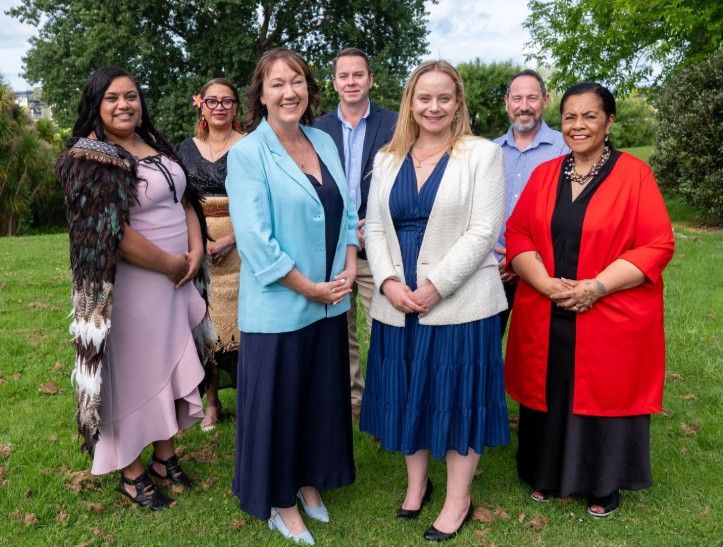
The Maungakiekie-Tāmaki Local Board, which has backed a participatory budgeting programme giving rangatahi a direct say in how community funding is allocated. Photo/Auckland Council
“Rather than simply asking young people for their views, it empowers them to identify local priorities, develop ideas, and make real funding decisions.
“That builds confidence, leadership skills, and a stronger sense of ownership over their community.”
Burrow's message to boards that had not yet trialled participatory budgeting was “don't underestimate what young people can contribute when they are trusted with real responsibility”.
“The outcomes extend well beyond the projects themselves.
“The process develops future community leaders, strengthens civic participation, and helps councils make better-informed decisions by hearing directly from the people affected.”
Burrows said the programme helped build trust between young people and local government, with participants feeling their voices influenced decisions rather than simply being consulted.
South Auckland interest
Participatory budgeting does not currently form part of the Ōtara-Papatoetoe Local Board's community funding model.
However, Apulu said the board was encouraged by the success of the approach in Maungakiekie-Tāmaki and saw potential in giving young people greater influence over local spending.
“As one of the youngest local board areas in Tāmaki Makaurau, and as a hub of tertiary education, we absolutely see great value in giving rangatahi greater say over local community spending.
“We are engaging with rangatahi and familiarising them with Council processes, but the opportunities of this initiative, from youth empowerment to successful high-quality local events, are absolutely worth pursuing.”
Apulu said young people were already involved in some local decision-making, with the board's Draft Local Board Plan 2026 recognising rangatahi as future leaders.
He said young people were already involved in some local decision-making, including Ōtara youth helping design the new Ōtara Town Centre playground and the Ōtara-Papatoetoe Squad (TOPS) having a role in distributing funding for events such as Neighbours Day.
Auckland Council head of community impact Dickie Humphries said the programme had also shown changes in how rangatahi engaged with local decision-making.
“Participants have reported increased confidence and capability in civic decision-making.
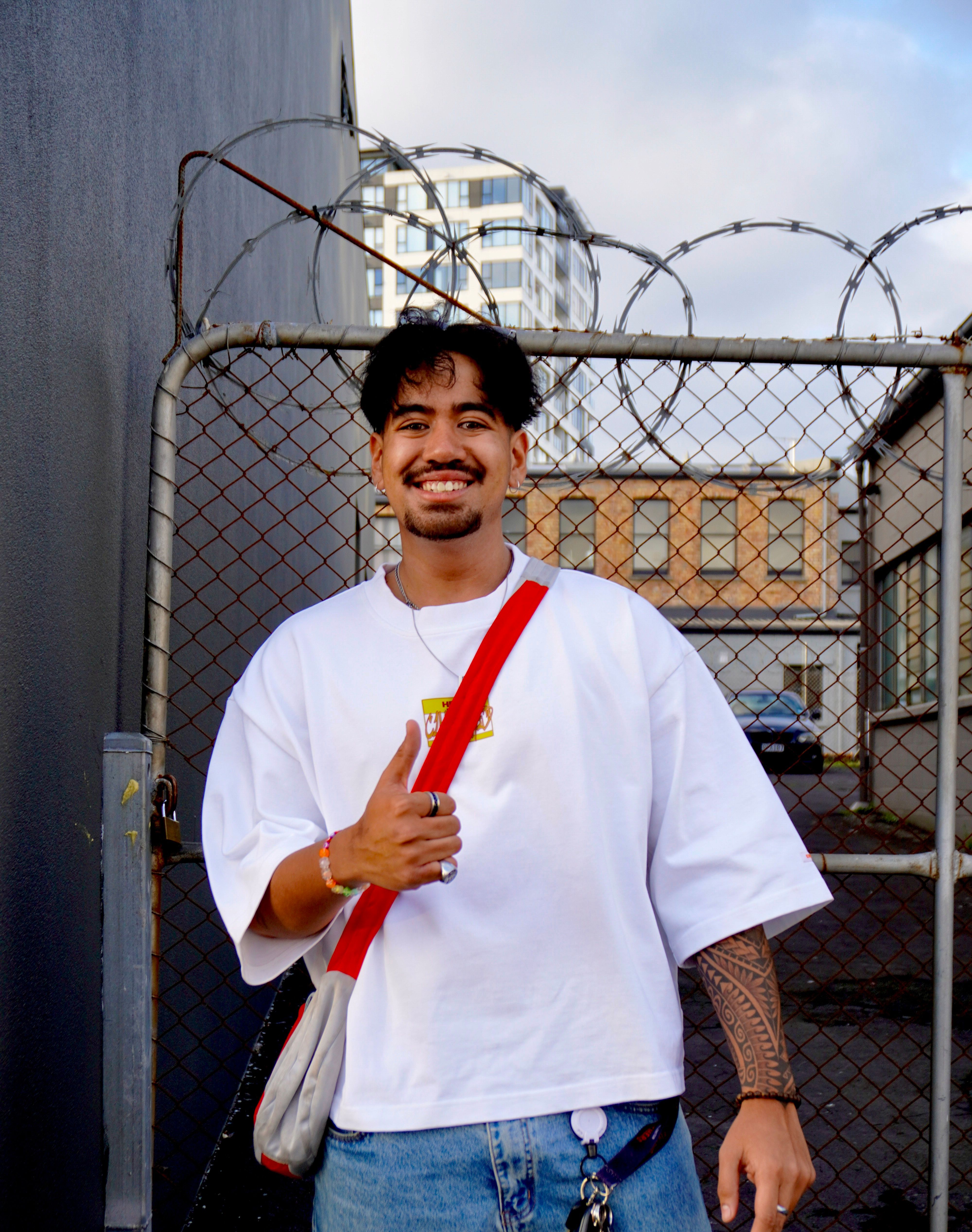
Noah Te Atakura Brown, foreground, with MakeTime participants during the youth-led participatory budgeting programme. Photo/Auckland Council
“They have developed a better understanding of funding processes and a greater awareness of community-led projects that reflect local needs and aspirations.”
Humphries said the board had also seen young people's lived experience and local knowledge brought into funding decisions, resulting in projects relevant to their neighbourhoods.
The programme has supported youth-led projects spanning sports, arts, podcasting, internships and leadership development.
Future funding for the Maungakiekie-Tāmaki programme is yet to be decided.
Burrows said the incoming local board would consider future investment as part of its work programme and budget-setting process.
“However, based on what we've seen to date, I believe participatory budgeting has demonstrated real value for our community and has been a worthwhile investment.”
LDR is local body journalism co-funded by RNZ and NZ On Air.