The only liar there is Nicola Willis': Barbara Edmonds hits back over Labour’s election plan
Thomas Tarurongo WynneMon, 05 Oct
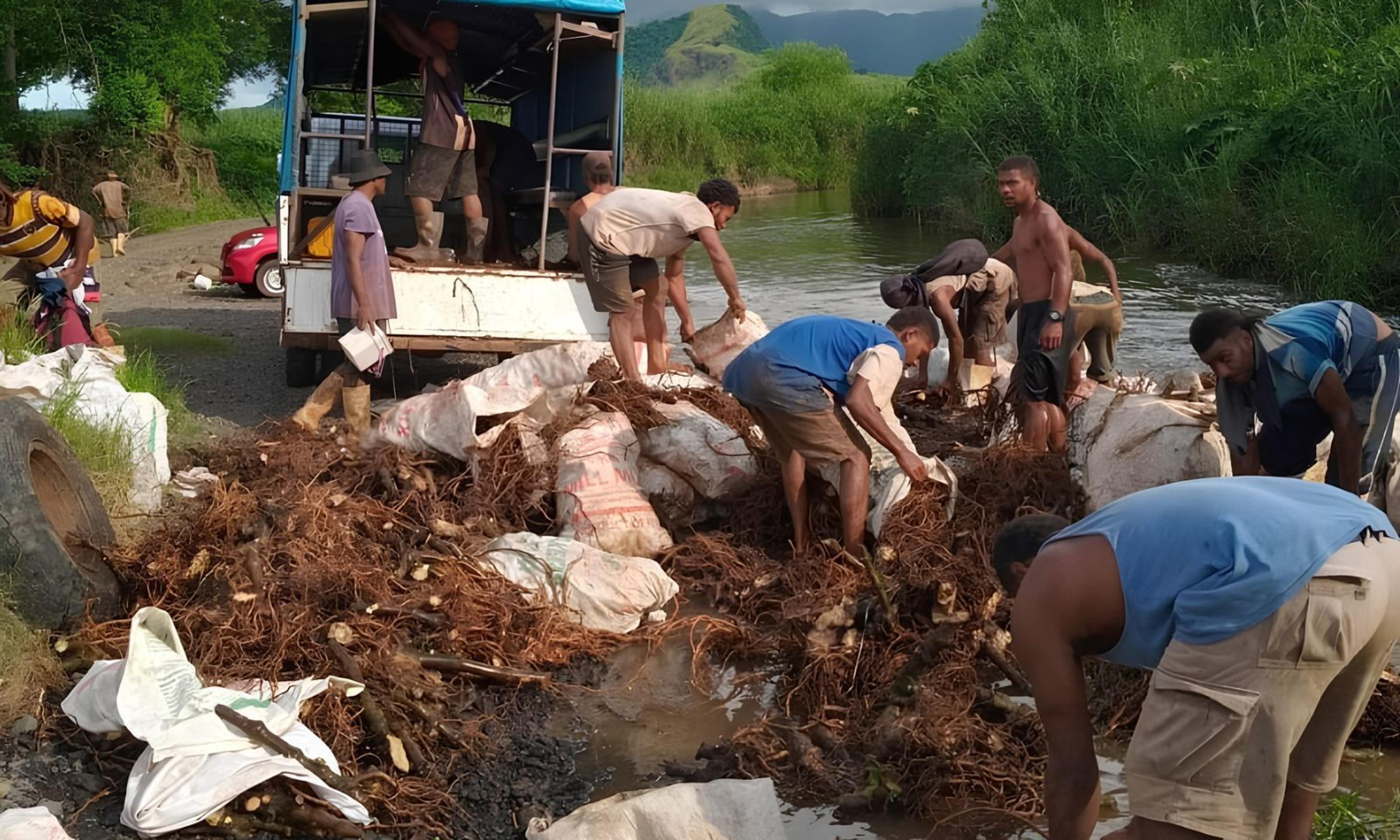
Kava farmers and farm hands wash kava in a river after a successful harvest.
Photo/Vude Kava
Researchers back stronger standards for the multimillion-dollar industry but say farmers need a real voice in how the new system works.




Fiji’s proposed Kava Bill is being welcomed as a chance to strengthen the industry.
But academics are warning that tough new rules could leave small farmers struggling to comply.
The Bill, now before Parliament, would introduce licensing, traceability and quality controls across the kava industry, including a proposed National Kava Council to oversee the sector.
But researchers, speaking on PMN Fiji, say the success of the legislation will depend on whether it works for the rural communities that grow most of Fiji's kava.
Dr Suli Vunibola, a senior lecturer in Environmental Management at Lincoln University and former kava farmer, said growers needed clear, practical information about what the new rules would mean for them.
“The regulatory, the form-filling, and registration process should be made clear to them,” he said. “Even though they are told that, ‘Okay, if you sell kava and you don't have a licence, it'll be a $10,000 fine or whatever year of imprisonment,’ that doesn't really help.
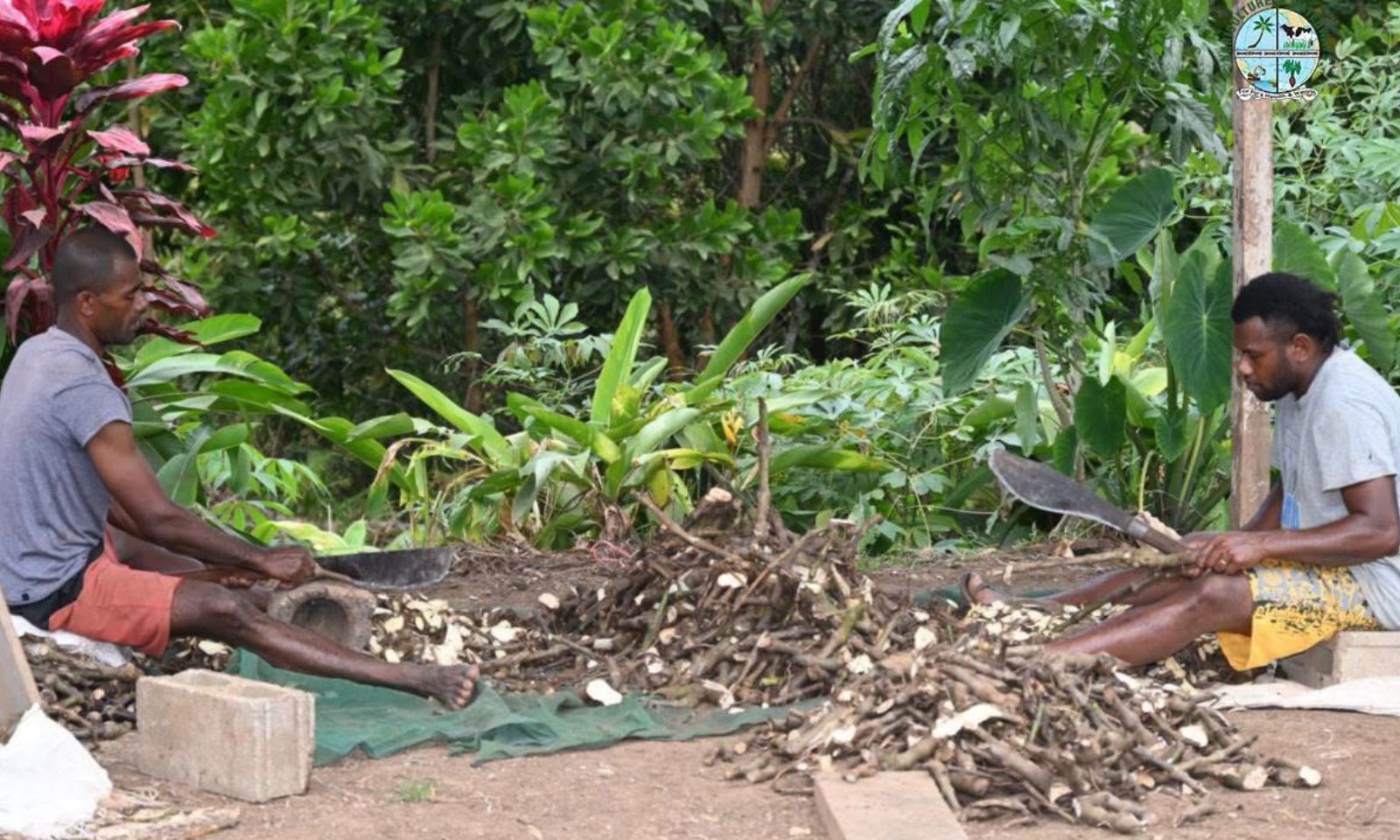
Academic say tough new rules could leave small farmers struggling to comply. Photo/MOA
“We need to transform the information in a way that they are able to abide by it because it can protect them.”
Fiji's kava industry supports thousands of households, with farmers using income from their crops for school fees, church commitments and obligations to their communities.
Patrick Sakiusa Fong, a PhD scholar researching indigenous farming systems, said the proposed fines could have a significant impact on rural families.
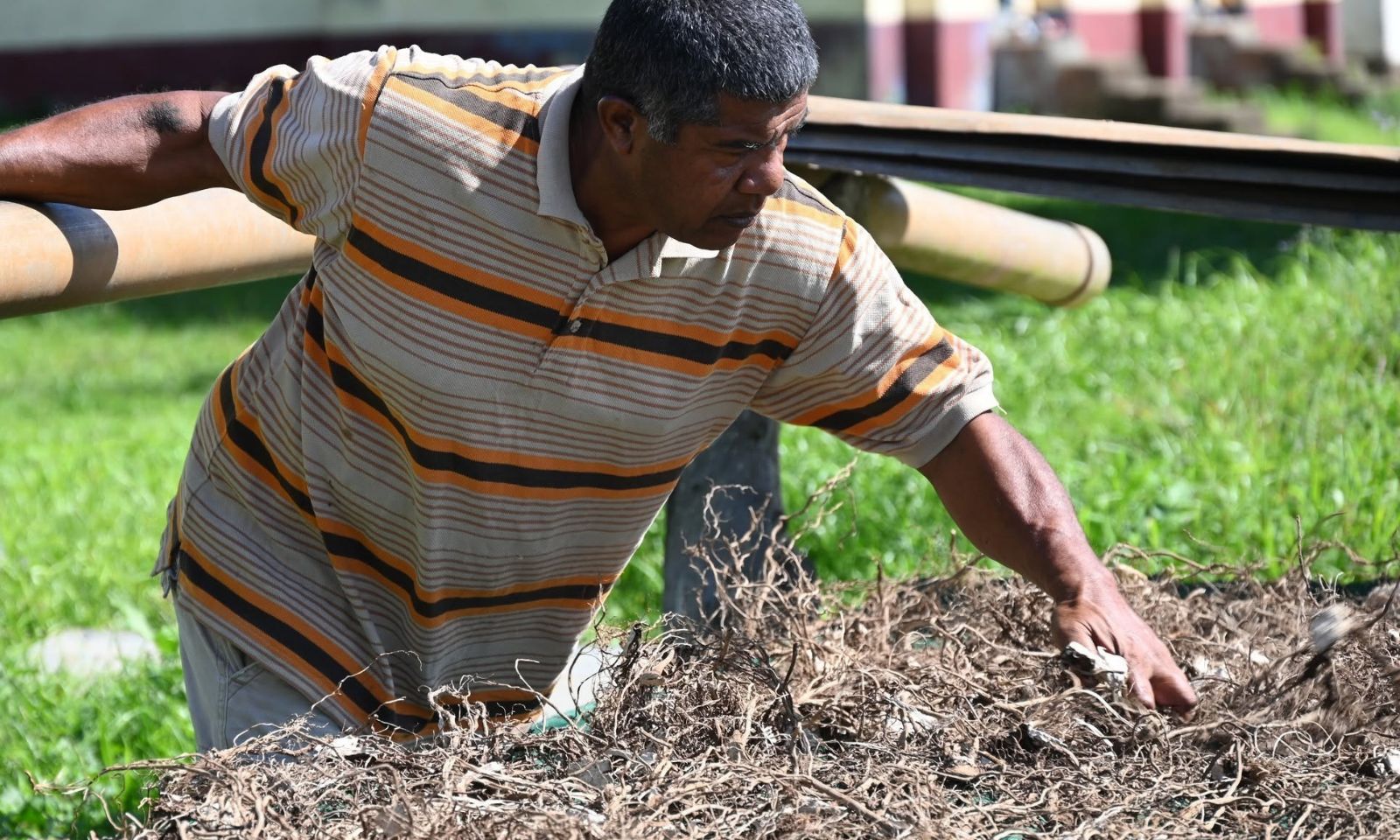
The academics say growers needed clear, practical information about what the new rules would mean for them. Photo/MOA
“Farmers are highlighting that we are doing farming for paying school fees or vanua obligations, church obligations, but then with this kind of fine, it's going to be really hard,” he said.
The proposed National Kava Council will have a major role in setting standards and overseeing the industry.
Viliame Kasanawaqa, a doctoral researcher at the University of Canterbury, said farmer representation should be a fundamental test of the proposed governance structure.
“The test for me is very simple: Are farmers at the table? Are communities involved in decision-making? If the answer is yes, then it can be a platform for growth,” he said.
“If not, then concerns about control become very understandable, because good governance isn't about controlling people; it's about bringing people into decision-making and ensuring that the benefits are shared fairly.”
Kasanawaqa warned Fiji could repeat problems seen in other commodity industries if export growth becomes the main goal.

The Fijian government has been holding consultations on the Kava Bill. Photo/Fiji Government
“If we only focus on increasing exports... but forget about the farmers, eventually the system becomes very fragile, and that's a clear case from the sugar industry,” he said.
The academics say the long-term future of kava depends on how it is grown.
They are concerned that intensive monocropping and clearing forests for new gardens could damage soil and put pressure on food production.
Fong said farmers could use traditional practices, including crop rotation and planting kava alongside nitrogen-fixing trees to protect the land.
“The question should not only be how much kava that we can produce, but how much we can sustainably produce over the years to avoid degradation of the soil system,” he said.
Vunibola said soil depletion was already pushing some farmers further into forest areas to find land for new gardens.
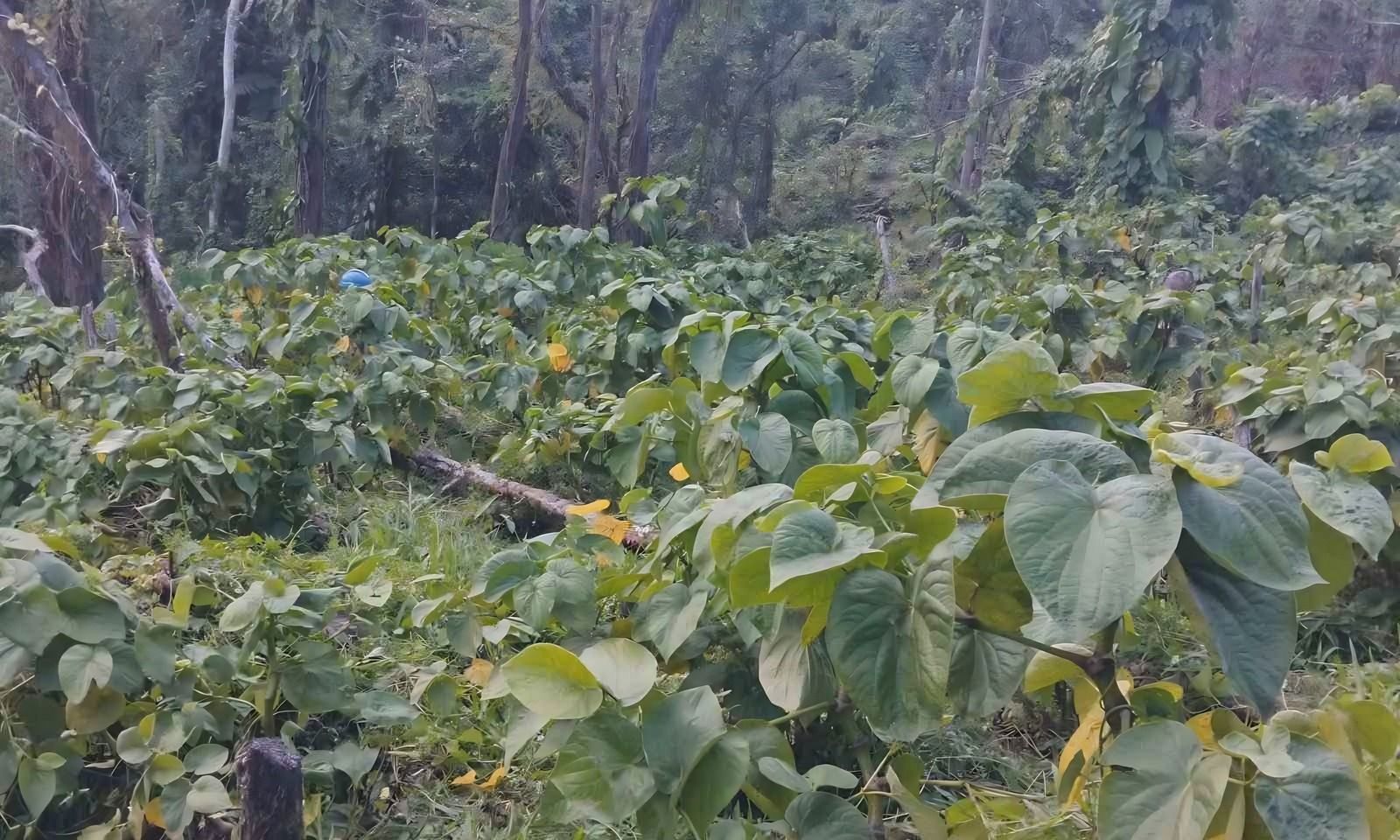
Soil depletion is causing farmers to plant kava further into forest areas.Photo/MOA
“Only reeds can grow there because there's no more nutrients, no more life,” he said. “We'll be preparing a huge patch of reeds to become native trees for our children, the way we are farming at the moment.”
The academics are also backing a ‘solesolevaki’ approach where farmers work together through cooperatives to process their own harvest, access finance and potentially sell directly to overseas markets.
That could reduce farmers’ reliance on middlemen and give growers more control over the value of their crop.
The Kava Bill was tabled in Parliament on 21 August and has not yet become law.
The Ministry of Agriculture has said public participation is essential while Prime Minister Sitiveni Rabuka has said people will have another opportunity to comment when a parliamentary committee considers the Bill.
Watch the interview with the three academics on PMN Fiji below.
“The Bill is first and foremost the result of what the people who were consulted have proposed,” Rabuka said.
“The people will have another opportunity to comment on the Bill when the Committee of Parliament comes around to hear your views again on the Bill in its draft form.”
For the academics, the bigger question is whether the new rules can strengthen Fiji's kava industry without pushing out the farmers and communities that built it.