'They can lease the seabed but not our identity': American Sāmoa fights back
Christine RovoiThu, 06 Aug
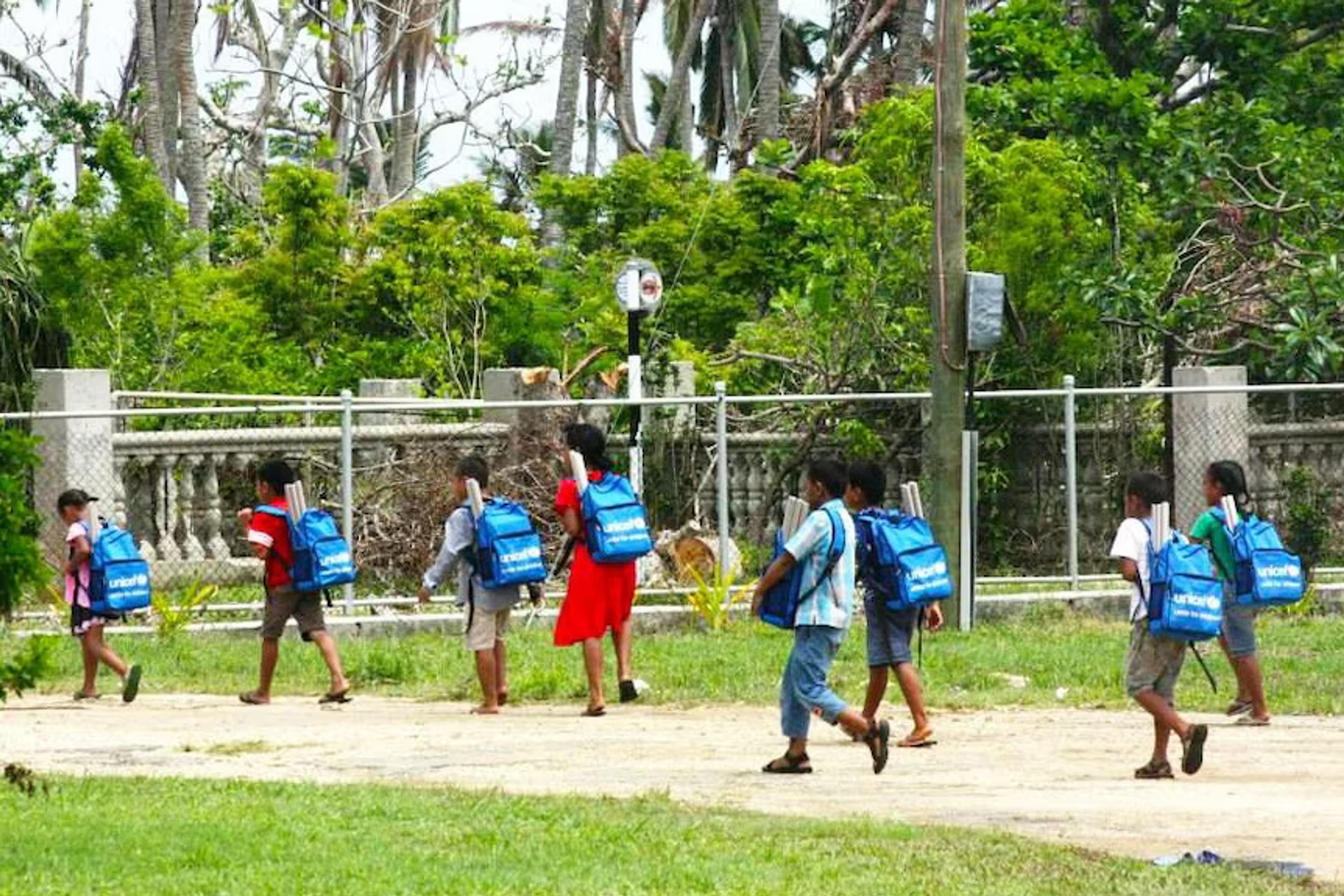
Tongan children walk to school through storm-damaged surroundings following a cyclone, as extreme weather linked to climate change continues to disrupt education and daily life across the Pacific.
Photo/UNICEF Pacific
Floods, cyclones, heatwaves, and droughts disrupted schooling, food security, and safety for children across the Pacific and beyond in 2025.



Children across the Pacific and beyond were among the hardest hit by climate disasters in 2025, as floods, cyclones, heatwaves, and droughts disrupted schooling, damaged homes, and pushed families into crisis, according to a new Year in Review report released by Save the Children.
The report highlights how climate-related disasters continue to shape childhoods, particularly in regions already facing economic and environmental pressures.
Save the Children data shows that an average of about 136,000 children a day have been affected by climate disasters over the past 30 years, underscoring the long-term impact of a warming planet.
Across Asia and the Pacific, disasters in 2025 forced schools to close, displaced families and increased risks for children, including hunger, exploitation and interrupted education.
Late in the year, severe flooding across parts of Asia left hundreds of people dead, including children.
In countries such as Thailand, Indonesia, Sri Lanka, and Pakistan, floodwaters shut schools and left tens of thousands of children without access to education.
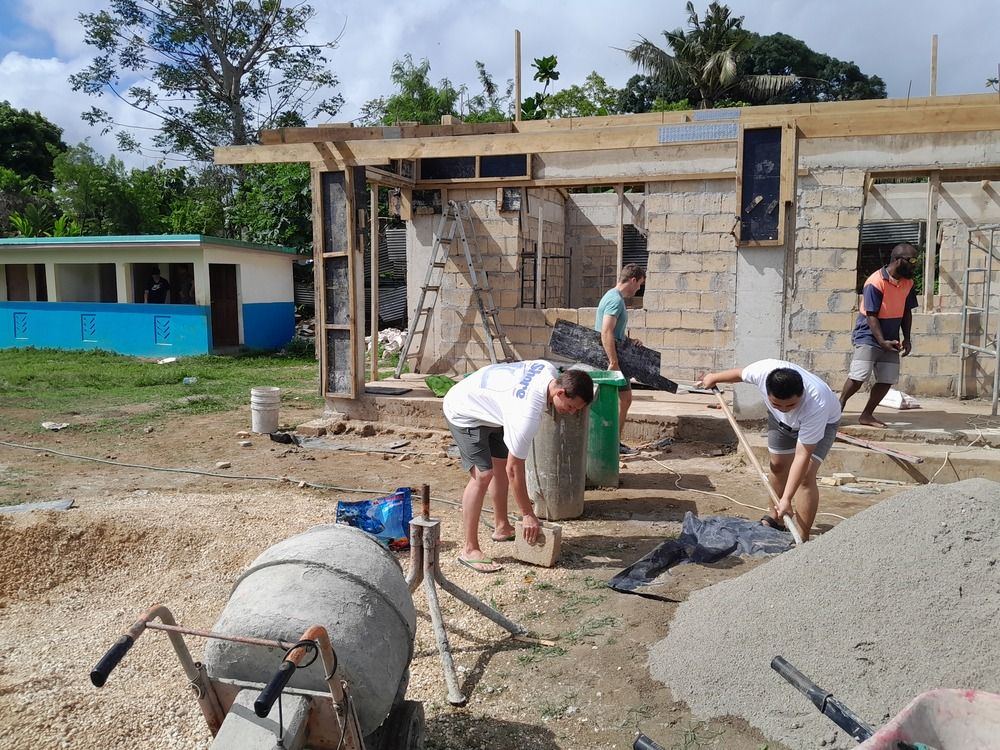
Volunteers work on the new Port Vila, Vanuatu, classroom with support from The Church of Jesus Christ of Latter-day Saints. The classroom was completed early 2025. Photo/The Church of Jesus Christ of Latter-day Saints
Save the Children and local partners set up child-friendly spaces and delivered emergency aid to affected families.
In the Caribbean, Hurricane Melissa (described by scientists as the strongest hurricane on record in 2025) battered Haiti and the Dominican Republic with extreme winds and rain.
Climate modelling from Imperial College London found climate change increased the storm’s extreme rainfall by 16 per cent.
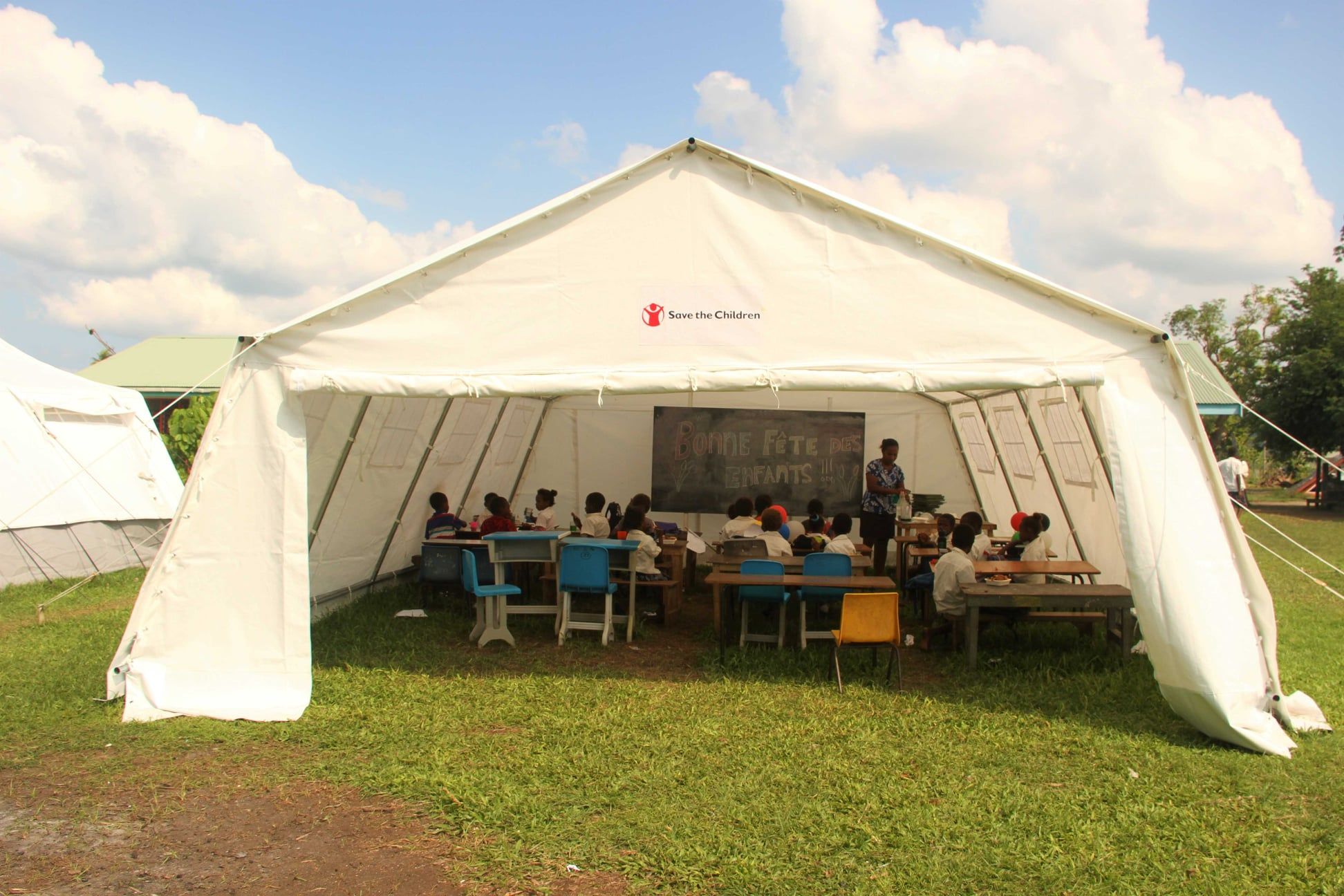
Children in Vanuatu attend school in makeshift tents after Cyclone Harold in 2020. Photo/Aucstralian High Commission, Vanuatu
Emergency responses were launched to support children in the worst-hit communities.
Heat was another major threat. In South Sudan, dangerously high temperatures forced schools to close for a second year in a row in February, cutting off learning for thousands of children and increasing exposure to risks such as child labour and early marriage.
The closures highlighted how poorly ventilated classrooms and a lack of cooling places children at greater risk as heatwaves intensify.
Food insecurity also worsened. In Madagascar, prolonged droughts combined with cyclone-related flooding damaged crops and livelihoods.
Save the Children analysis also warns that cases of malnutrition among children under five are expected to rise by more than 50 per cent in the coming months.
The Pacific region itself saw relentless storms. The Philippines was struck by 23 tropical cyclones in 2025, including Typhoon Kalmaegi in November, which killed about 200 people, including children, and hit communities still recovering from a major earthquake earlier in the year.
“Just when they’re about ready to start recovery, another disaster arrives, closing schools and displacing communities,” Faisah Ali, Humanitarian Manager for Save the Children Philippines, told media at the time.
Pacific leaders have repeatedly warned that children are on the frontline of the climate crisis. Pacific Islands Forum Secretary General Baron Waqa has described climate change as “the single greatest threat to the livelihoods, security and wellbeing of the peoples of the Pacific”.
Waqa says its impacts are already shaping the futures of young people across the region.
Fiji Prime Minister Sitiveni Rabuka has also warned that climate change is no longer a future risk but a present reality for Pacific families, saying rising seas and stronger storms threaten “the very survival of our islands and our children’s future”.
Save the Children says the impact on children could still be reduced. The organisation estimates that around two million children worldwide could avoid unprecedented lifetime exposure to droughts if global warming is limited to 1.5 degrees Celsius, in line with the Paris Agreement.
As Pacific nations continue to call for stronger global action, the report makes clear that for many children, climate change is already reshaping daily life, from the classroom to the home, with lasting consequences.