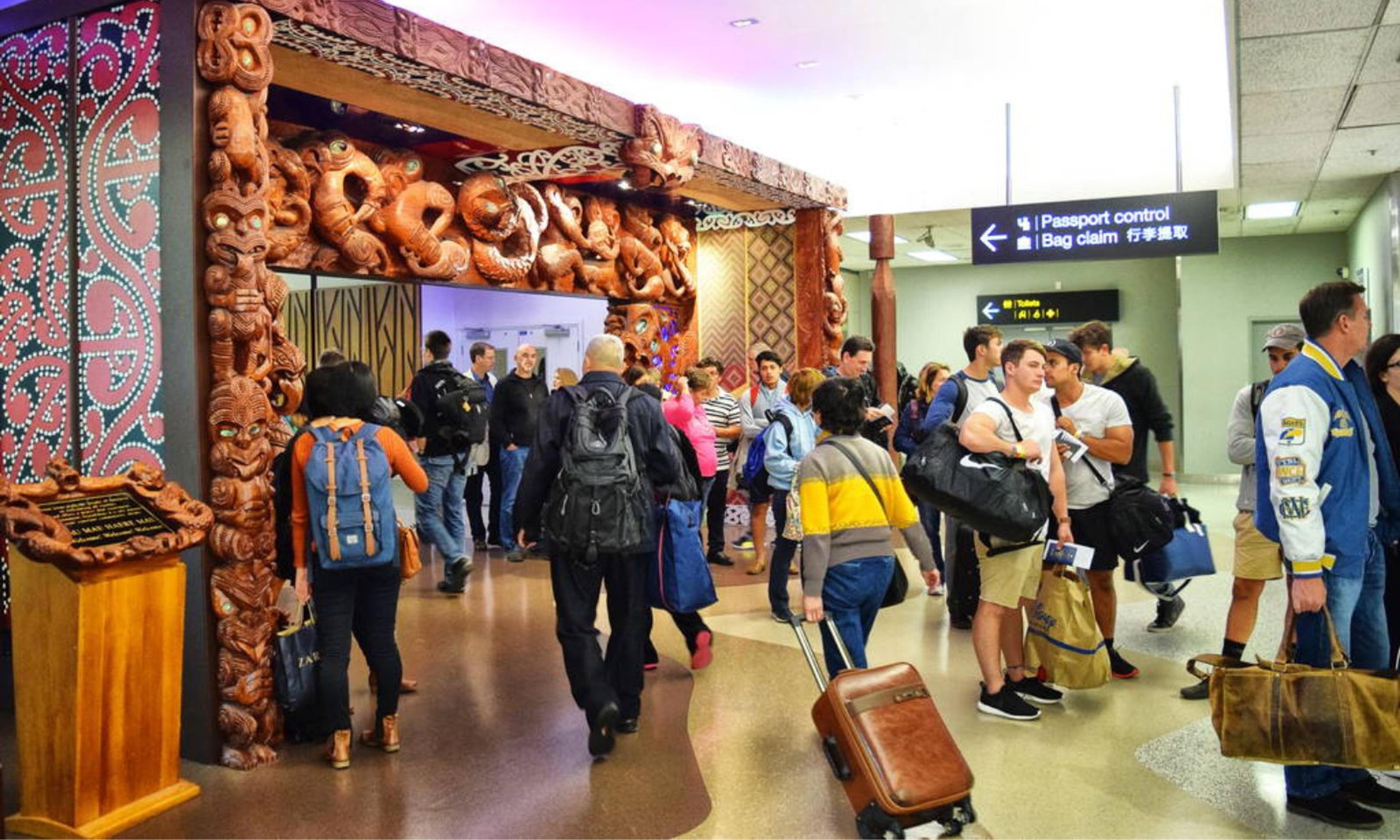
Travellers at Auckland Airport reflect the deep family and cultural ties across the Pacific, amid ongoing debates over visa rules in New Zealand and Australia.
Photo/NZ Pocket Guide/file
Pacific Region
Aotearoa vs Australia: Do Pacific travellers face same visa hurdles?
While New Zealand debates visa-free travel for Pacific visitors, many wonder whether Australia makes it any easier to visit.

Christine Rovoi
Published
19 March 2026, 11:09am
Share
Copy Link
Top stories

Savea joins Blues for ‘last dance’ after Super Rugby's tug-of-war
Patrick McKendry, RNZFri, 02 Oct
'Our stories have mana': Fijian academic urges Pacific people to record their own storytelling
Elenoa TuragaiviuThu, 01 Oct
Top stories
Savea joins Blues for ‘last dance’ after Super Rugby's tug-of-war
Patrick McKendry, RNZFri, 02 Oct
'Our stories have mana': Fijian academic urges Pacific people to record their own storytelling
Elenoa TuragaiviuThu, 01 Oct
For many Pacific families, visiting relatives in New Zealand or Australia can mean weeks of planning, paperwork, and expense.
The debate over visa rules for Pacific travellers has now sparked a wider regional discussion: do Pasifika face the same hurdles across the Pacific?
Pacific governments argue that travel within the region should reflect the close cultural and family ties. Fiji, Tonga, and Sāmoa have welcomed recent moves to ease visa restrictions and reduce costs
Officials say such measures help keep families and communities connected.
"This decision acknowledges the reality that most Pacific Islander travel to New Zealand is centred around family connections," a statement on regional travel policy from Fiji's Ministry of Finance read.
"Parents visiting their children, grandparents visiting extended families - these visits are at the heart of our Pacific values."
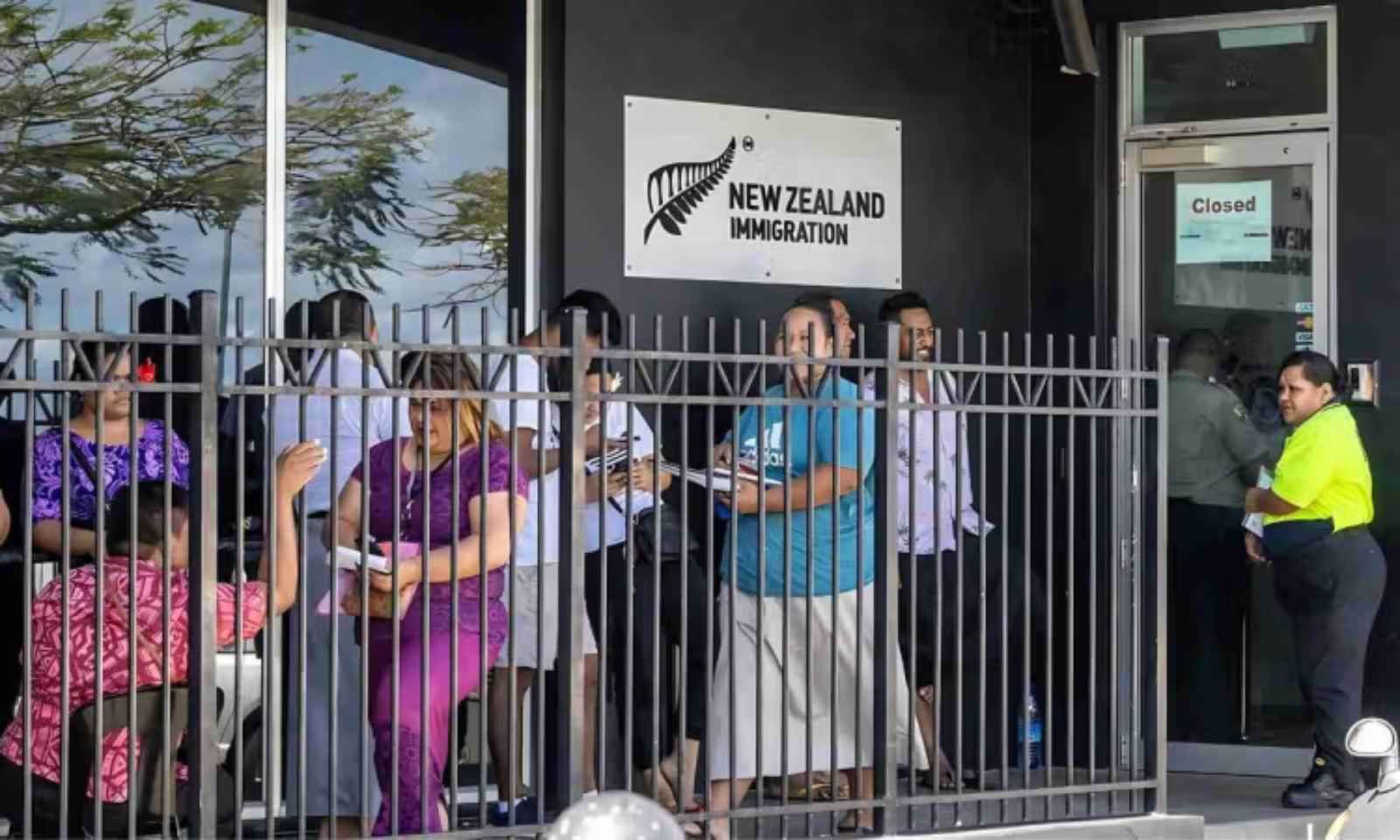
Visa checks remain a key hurdle for many Pacific visitors, even as countries like Fiji, Tonga, and Sāmoa push for easier travel. Photo/Supplied/RNZ/Yiting Lin
Pacific leaders and community groups have long pushed for easier travel to Aotearoa, arguing that deep family ties, labour links, and shared histories should allow freer movement across the region.
Advocates in Tonga and Sāmoa have voiced similar support, stressing that mobility is central to cultural and family bonds.
New Zealand Prime Minister Christopher Luxon this week defended keeping visa requirements for Pacific visitors while on a tour of the region.
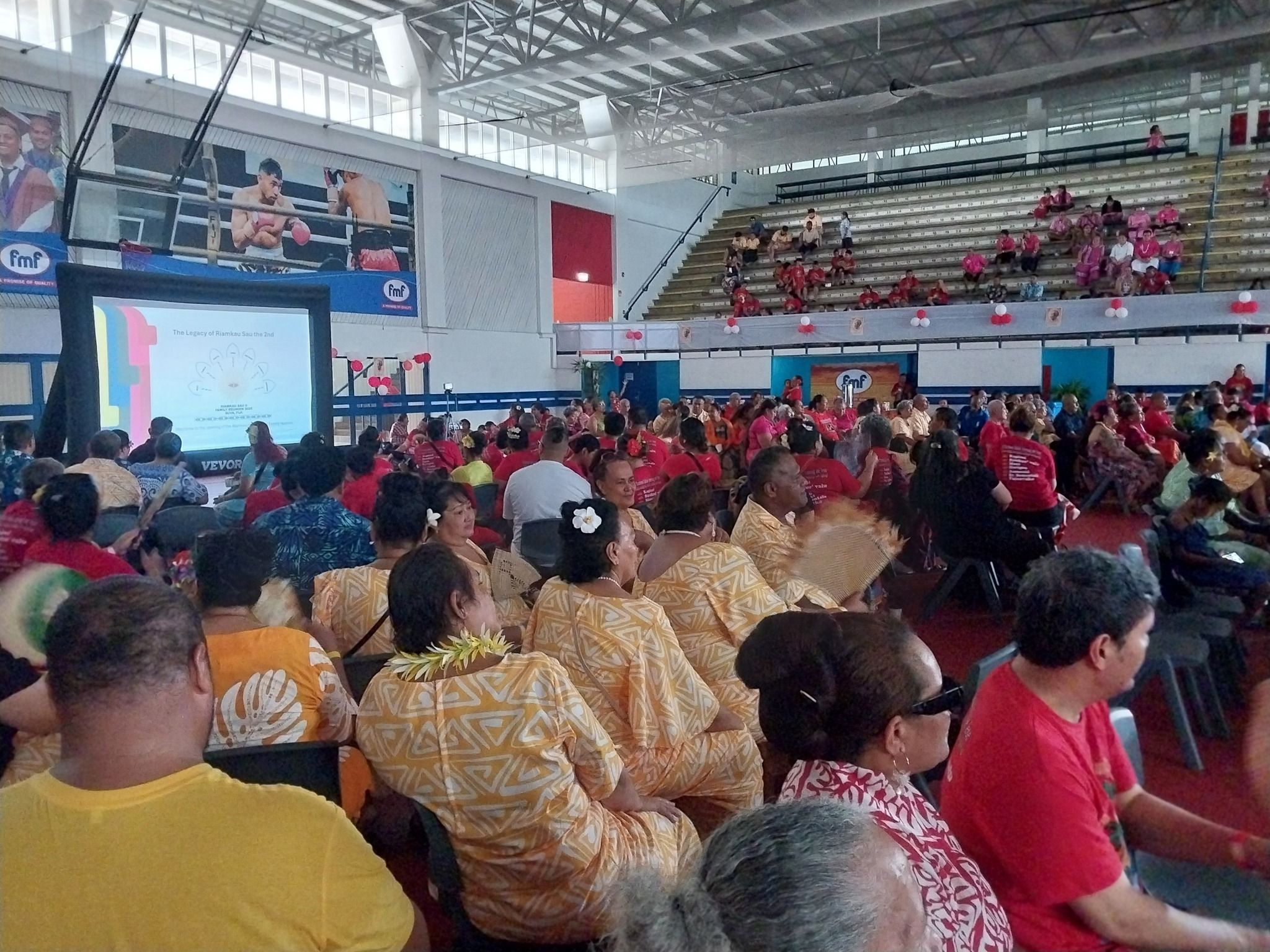
Families across the Pacific often travel to see loved ones, highlighting why regional leaders are calling for simpler and more affordable visa processes. Photo/Facebook/Kaitu A Aisake
He said immigration systems still need strong controls.
But while New Zealand remains under pressure to ease travel rules, Australia has taken a slightly different approach. Canberra has introduced special visa pathways aimed specifically at Pacific countries.
So do visitors still need visas? Like New Zealand, most Pacific Islanders still need to apply for a visa before travelling to Australia.
Tourists normally apply for a Visitor visa (subclass 600), which allows short stays for tourism, visiting family, or business purposes.
Applicants usually need to provide travel plans, proof of funds, and evidence they will return home after their visit.
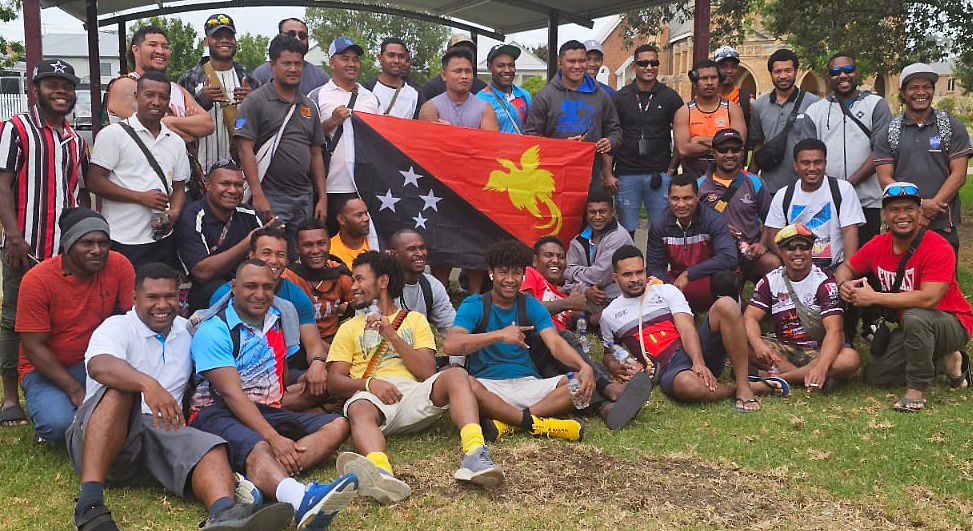
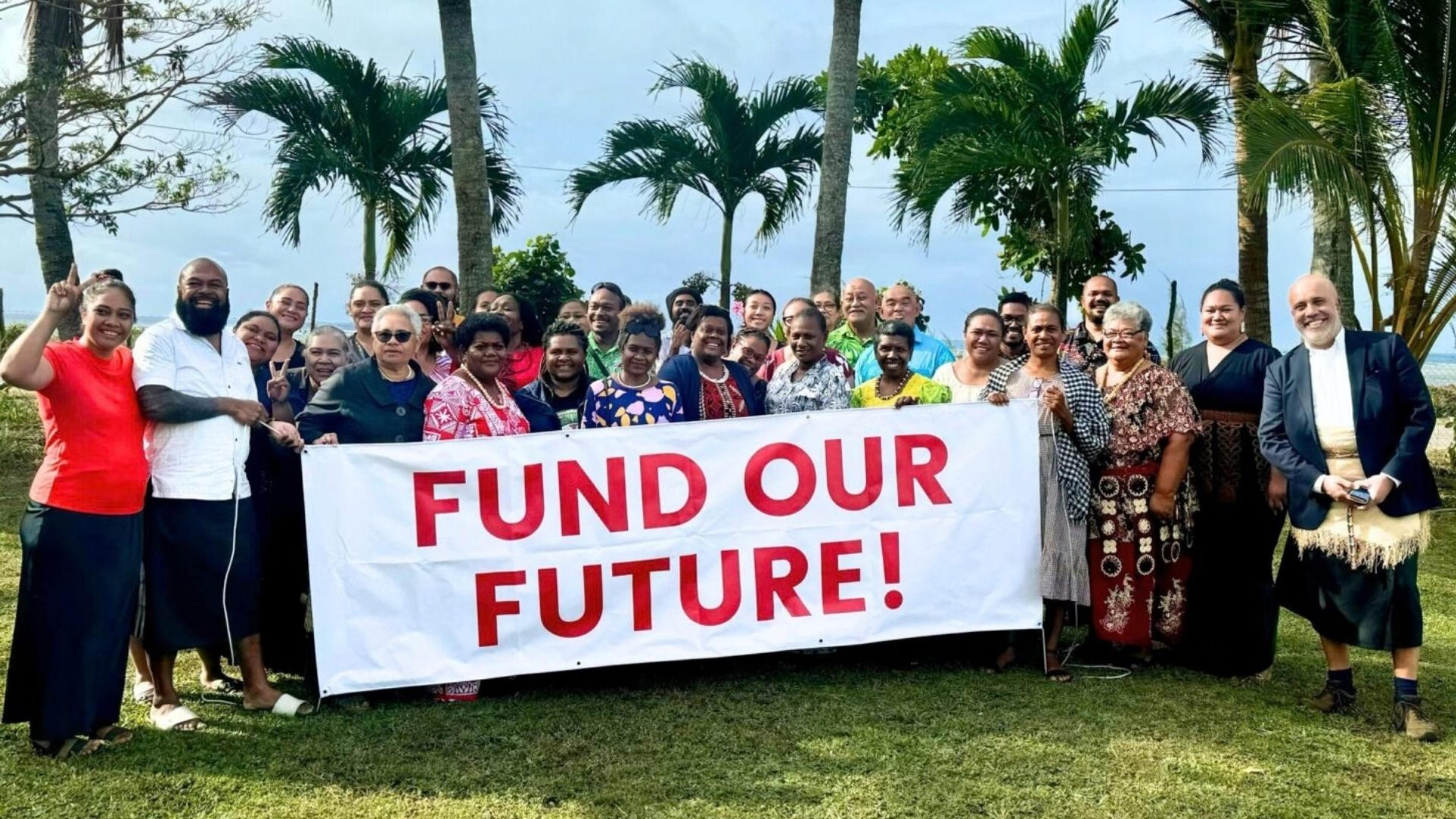
Australia’s Pacific Engagement Visa aims to strengthen regional ties, offering selected Pacific Islanders permanent work and residency opportunities. Photo/Facebook/PNGLMU
Australia has also introduced several policies aimed at strengthening people‑to‑people links with Pacific countries.
One of the most significant is the Pacific Engagement Visa (PEV), which allows selected citizens from Pacific nations and Timor‑Leste to live and work permanently in Australia.
The programme provides up to 3000 visas each year through a ballot system.
Australia’s Foreign Minister Penny Wong says the scheme reflects the country’s commitment to boost ties with the region.
Australia’s Immigration Minister Tony Burke has also described the programme as part of the government’s effort to strengthen regional relationships.
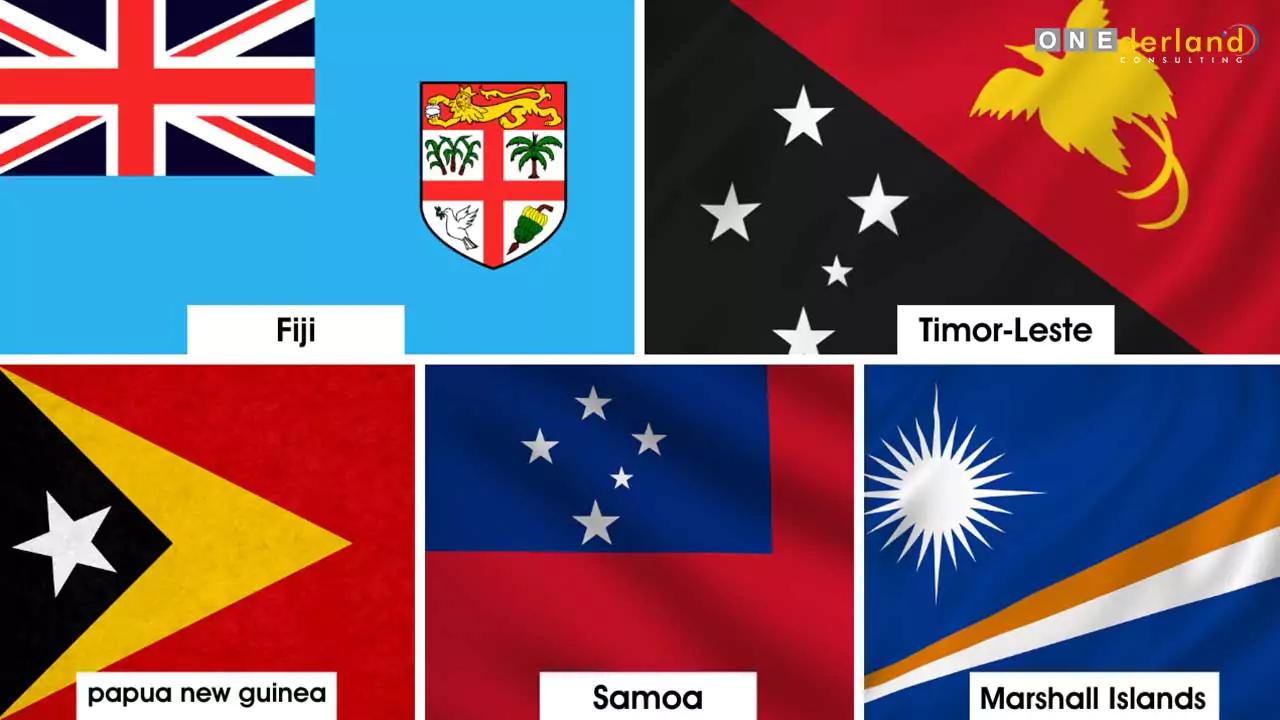
Travel between Pacific nations and Aotearoa or Australia remains challenging for many families, despite recent policy changes aimed at easing visa restrictions and costs. Photo/ONEderland
Special arrangements for Pacific countries
In some cases, Pacific nationals also receive special treatment under certain visa categories.
For example, the cost of applying for Australia’s Temporary Graduate visa (subclass 485) recently increased, but passport holders from some Pacific Island countries continue to pay a lower fee under exemptions that reflect “special ties” to the region.
Migration experts say such policies show Australia is increasingly tailoring visa pathways to strengthen links with Pacific neighbours.
“Visa‑free travel would be a cornerstone of such integration," Fiji's Finance Ministry says. "A Pacific‑wide visa‑free region would strengthen our cultural solidarity, support our businesses, empower our young people, and enhance regional security.
A growing regional debate
The issue of visas is becoming a bigger political topic across the Pacific as governments focus more on mobility, economic opportunity, and regional cooperation.
Both Aotearoa and Australia rely heavily on their Pacific relationships for trade, labour mobility, and regional security.
Australia’s Pacific Engagement Visa is designed partly to respond to calls from regional governments for greater movement between countries.
As Australia’s Minister for Pacific Island Affairs, Pat Conroy, said when launching the initiative in June 2024: “The programme is part of our commitment to listening and delivering on the priorities of our Pacific partners.”
But for many Pacific families, the issue remains simple: how easy is it to travel between countries that often describe each other as family?
As debate over mobility grows, visa policies in both Aotearoa and Australia are likely to remain a major talking point across the region.