
18 and unstoppable: Seine Stowers crushes records as Sāmoa hosts world weightlifting elite
Renate RiversFri, 01 May
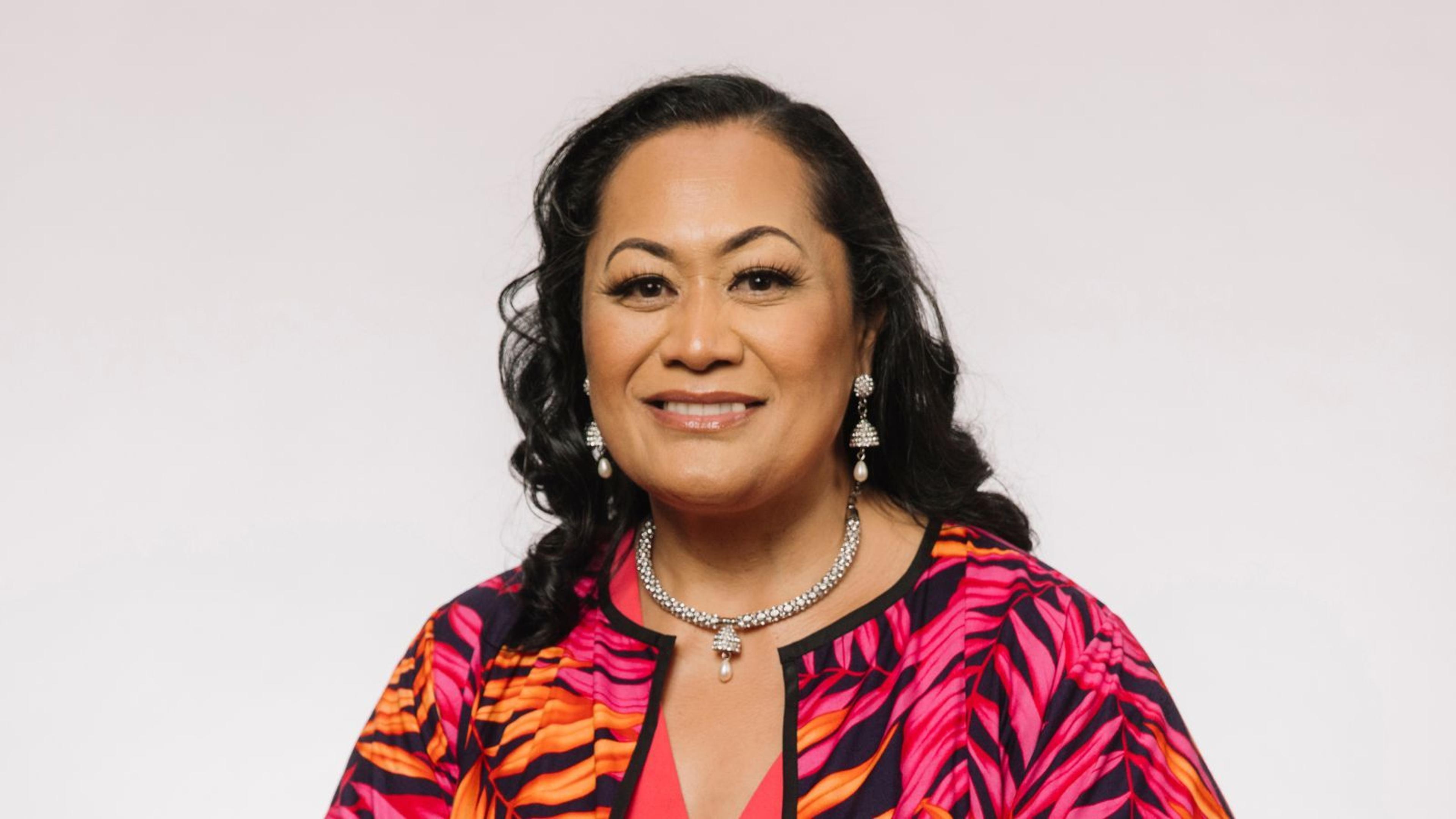
Manukau ward councillor Lotu Fuli says voter awareness remains a key challenge in local elections.
Photo/Auckland Council
With voting now closed, Local Democracy Reporting spoke to the Papatoetoe community about awareness of the re-run election.


While some Papatoetoe residents say they vote in every election, others didn't realise one was happening.
Thousands of Auckland voters have potentially missed their chance to have a say in who runs the local board.
The re-run election was triggered after a rare court decision voided the 2025 result due to electoral irregularities.
In the new election, 7,125 votes had been returned from more than 35,000 eligible voters as of Wednesday, 8 April.
While some residents said voting was routine, several people said they were unaware that the election was taking place.
“I vote every time,” one resident said. “Ever since I arrived in New Zealand 15 years ago, I’ve always voted. All elections, every time.”
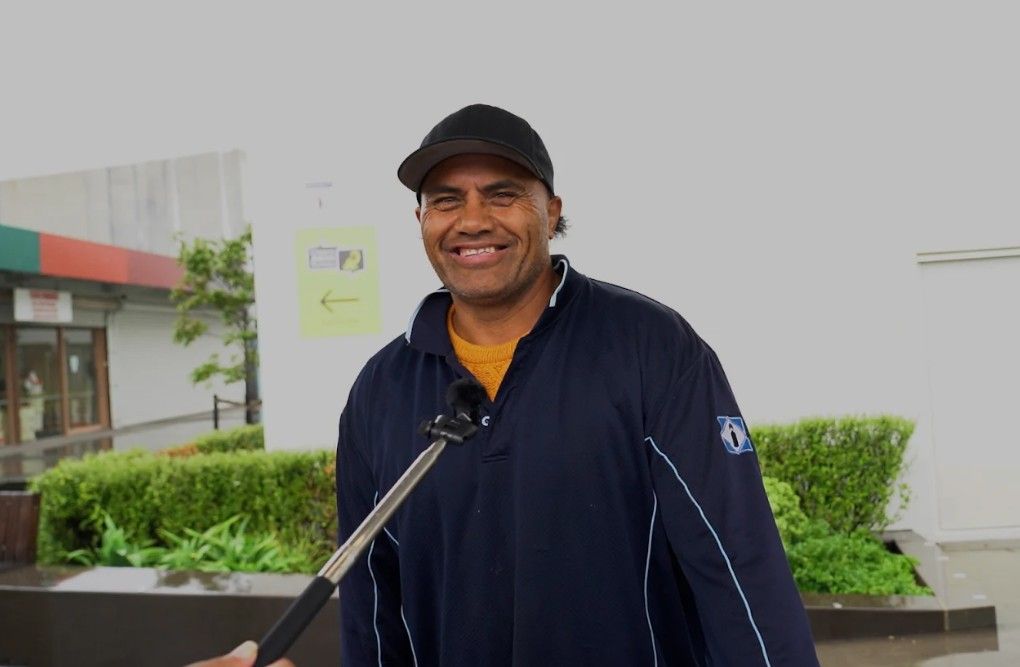
A Papatoetoe resident says he did not vote because he was unaware the election was taking place. Photo/PMN News/Candice Ama
Others said they had seen campaign signs but did not understand what the election was for.
“I know that there is an election, but I haven’t seen it yet,” one said.
“We wouldn’t even know who to vote for,” another resident said, despite seeing candidate billboards in the area.
Others said they had received voting papers but had not yet taken part.
Some newer residents said they were still unfamiliar with how local government worked.
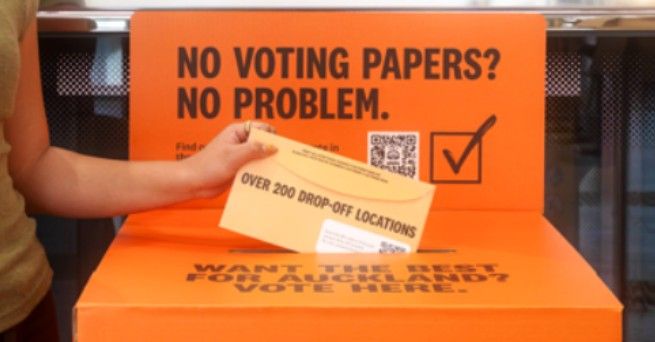
As of Wednesday, 8 April, 7,125 votes had been returned from more than 35,000 eligible voters in the Papatoetoe local board re-run election. Photo/File.
Lotu Fuli, Manukau ward councillor, says that disconnect is something council has struggled with for years.
“We’ve been doing so much to try to reach people and let people know when elections are happening, what Auckland Council does, but it continues to be a very difficult barrier to break through,” she says.
“I think most people just don’t even realise how important local government is.”
Fuli says the issue is not just about awareness, but understanding the role council plays in people’s everyday lives.
“We’re in the middle now of preparing for a cyclone, and it will be council that will be there at the forefront helping our communities,” she says.
“But when it’s not a time of crisis, people don’t make that connection.”
Feedback from residents highlighted a divide between habitual voters and those disengaged from the process.
One resident said voting was about having a say.
“If I don’t vote, I’ve got no say in it,” they said.
“I want to vote for the person that’s pushing for the community,” another said.
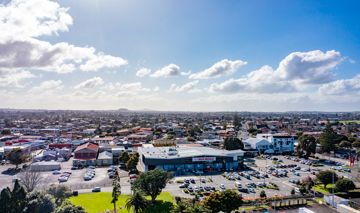
Papatoetoe, where more than 35,000 residents were eligible to vote in the local board re-run election. Photo/File.
Local Democracy Reporting questioned whether enough had been done to reach people, particularly Māori and Pacific communities.
One voter said more education was needed to explain why local elections matter.
“I think there’s a lack of understanding,” they said. “I never used to vote purely because I thought my vote wouldn’t count.”
“I think Pacific and Māori need to be more educated on the benefits of having representation on the boards for our children and our people.”
Fuli agrees that those communities are among those most likely to miss out.
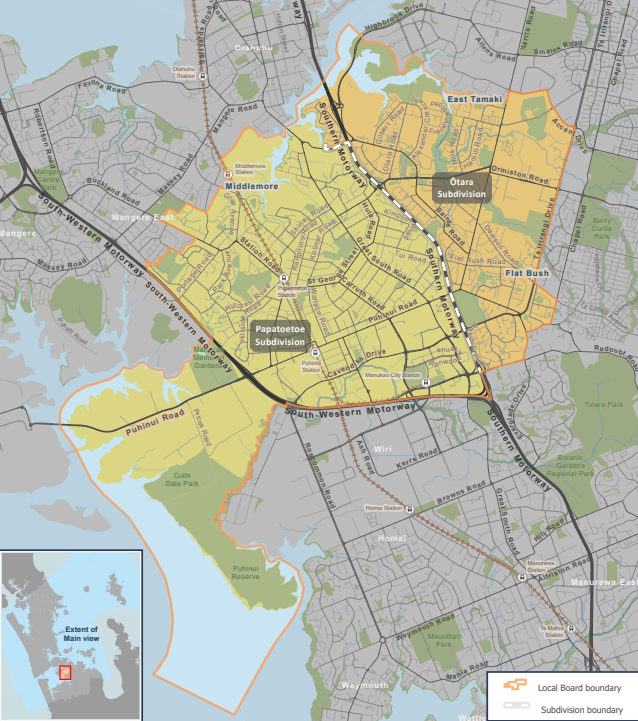
Papatoetoe subdivision highlighted in yellow, with four local board seats up for election. Photo/Auckland Council
“It’s not a coincidence that the people who are not voting tend to be young, tend to be Māori, Pasifika, and tend to come from communities like ours in South Auckland,” she says.
“We’ve got central government elections happening at the end of the year, so a lot of people might get confused,” she says.
“There’s also not been a lot of mainstream media around the Papatoetoe election because there’s so much focus on what’s happening at central government level.”
“When there’s a cost-of-living crisis, the last thing people are worried about is Auckland Council elections. That’s the reality for many families," she says.
Despite low engagement, Fuli says turnout is tracking within expected levels for a re-run election.
“Twenty-one per cent is higher than what a normal by-election would attract. It’s not outside of what we would expect,” she says.
However, Fuli highlights that low turnout still has real consequences for representation.
“If people want to see change in their communities, they’ve got to get the right people around the table who can advocate for them.”
Voting closes at midday today [Thursday], with results announced tomorrow, Friday 10th April.
LDR is local body journalism co-funded by RNZ and NZ On Air.