Ujelang Atoll shows signs of recovery after decades of nuclear exile - scientists
Aui'a Vaimaila Leatinu'uFri, 05 Jun
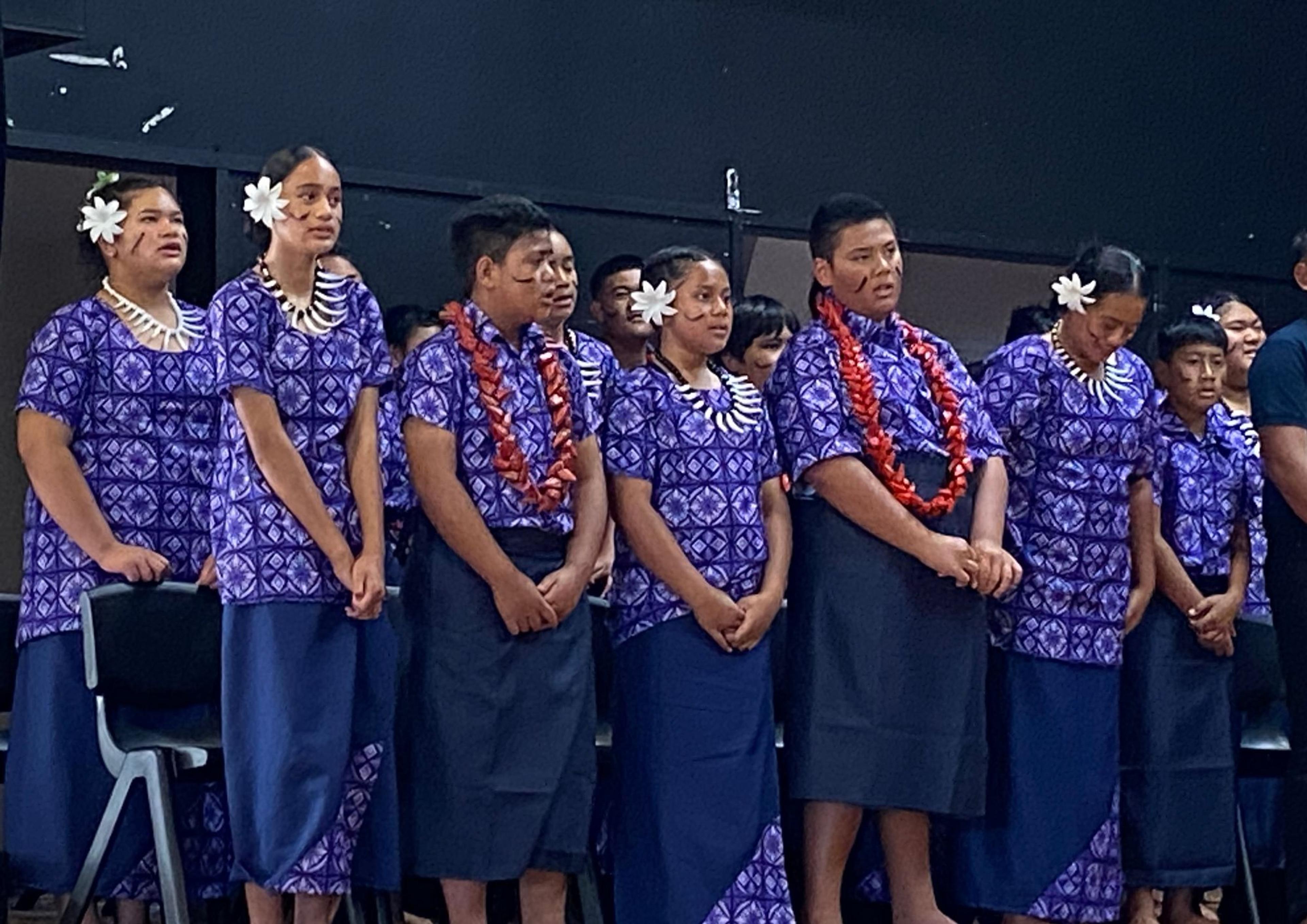
Students perform at Sir Edmund Hillary Collegiate Middle School as the school launches new Māori and Sāmoan bilingual units, reconnecting a long-missing pathway for South Auckland learners.
Photo/PMN News/Taelegalolo'u Mary Afemata
A new Māori and Sāmoan bilingual unit in South Auckland is reconnecting a long-broken pathway, as communities push for culturally grounded education.


A South Auckland principal says students should not have to leave their culture at the gate when they enter a school.
The comments come as Sir Edmund Hillary Collegiate Middle School opens its first Māori and Sāmoan bilingual units.
The milestone was marked at a school celebration last week, bringing together students, families and community leaders who have long pushed for stronger bilingual pathways.
Principal Estear Peautau said the initiative places language and identity at the centre of learning.
“On my very first day, a parent asked me what I was going to do about bilingual pathways in the Middle School. That question stayed with me,” she said.
“It reaffirmed the responsibility we have to ensure our tamariki never have to leave their culture at the door to succeed academically.”
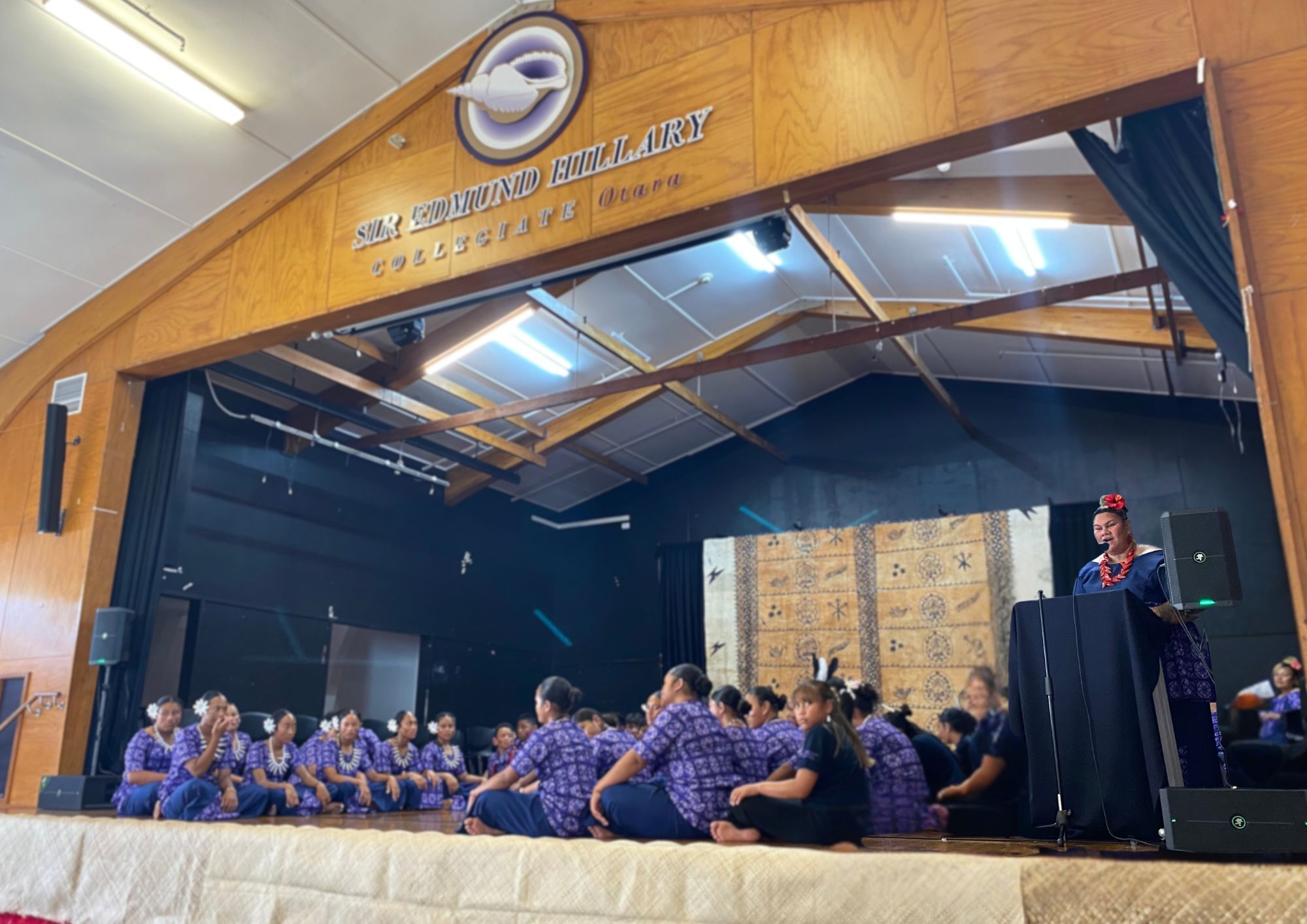
Students take part in the opening of Māori and Sāmoan bilingual units at Sir Edmund Hillary Collegiate Middle School. Photo/Taelegalolo'u Mary Afemata
The units deliver the curriculum in te reo Māori and gagana Sāmoa, with early attendance rates between 85 and 90 percent.
Education expert John McCaffery said the development builds on decades of community-led advocacy in South Auckland.
As associate principal at Clydemore Primary School in Ōtara in 1980, he helped establish the first urban Māori bilingual unit in 1981, followed by the country’s first Sāmoan bilingual unit in 1987 after strong demand from local families. He said progress has been driven by communities.
“The only people who are really taking that challenge up in a big way is the communities. So that’s why we acknowledge the communities and praise them because this has been, it’s like a never-ending struggle,” he said.
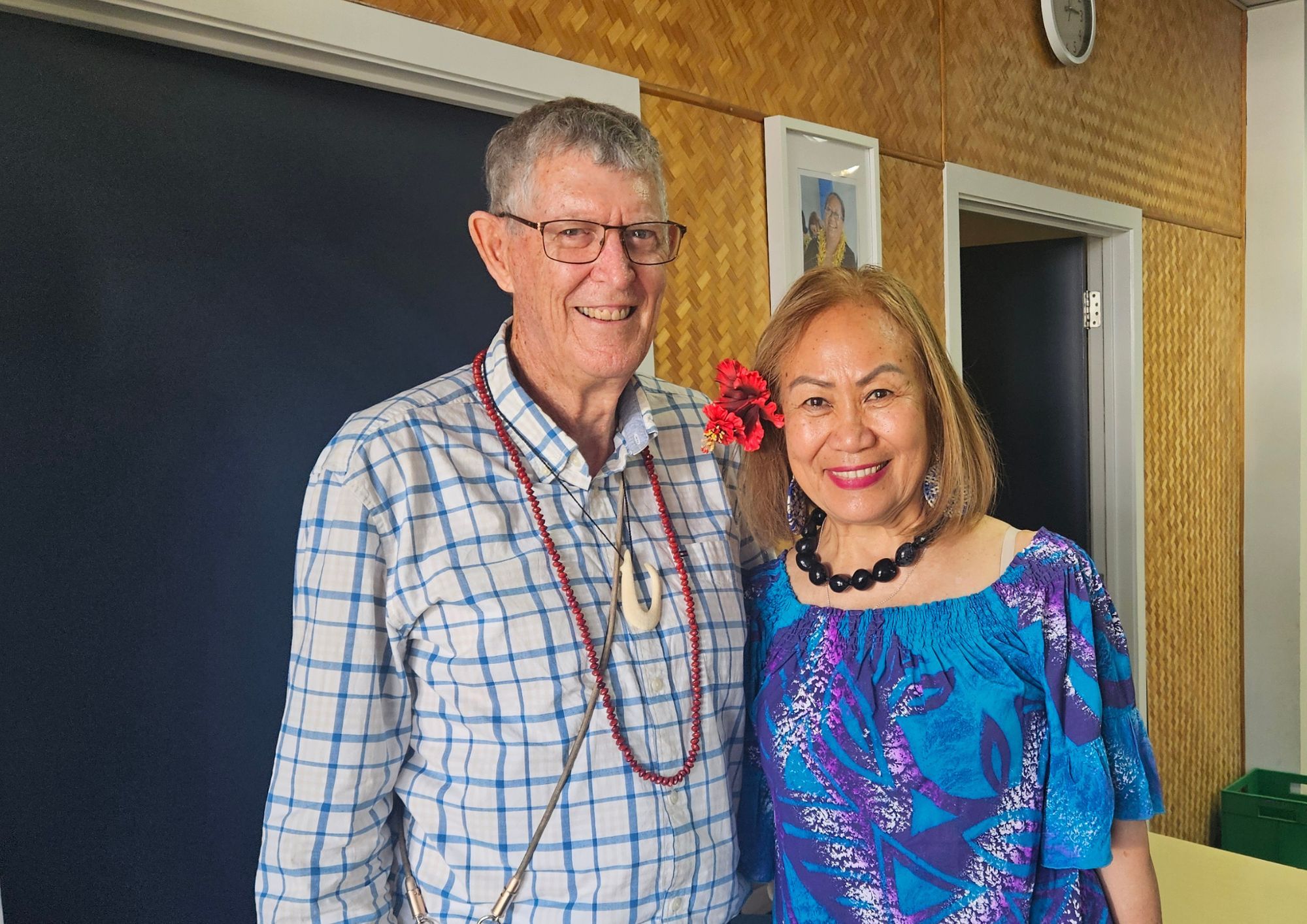
Education expert John McCaffery, left, with Judy McCaffery at Sir Edmund Hillary Collegiate, where new bilingual units have opened. Photo/PMN News/Taelegalolo'u Mary Afemata
“These are the children of grandparents who fought that struggle in the late 70s and early 80s. They’re still struggling. But it’s not a negative thing, it’s something worth fighting for and something great that’s been achieved here today.”
Peautau said the reopening also addresses a long-standing gap in provision after earlier Sāmoan bilingual learning was lost when schools merged, leaving students without a continuous pathway for more than two decades.
“Unfortunately, when our three schools became a collegiate, those Samoan units did not carry over. The pathway was interrupted,” she said. “For 21 years, we had been the opposite. We were the disconnect.”
She said the new unit reflects renewed efforts driven by community advocacy.
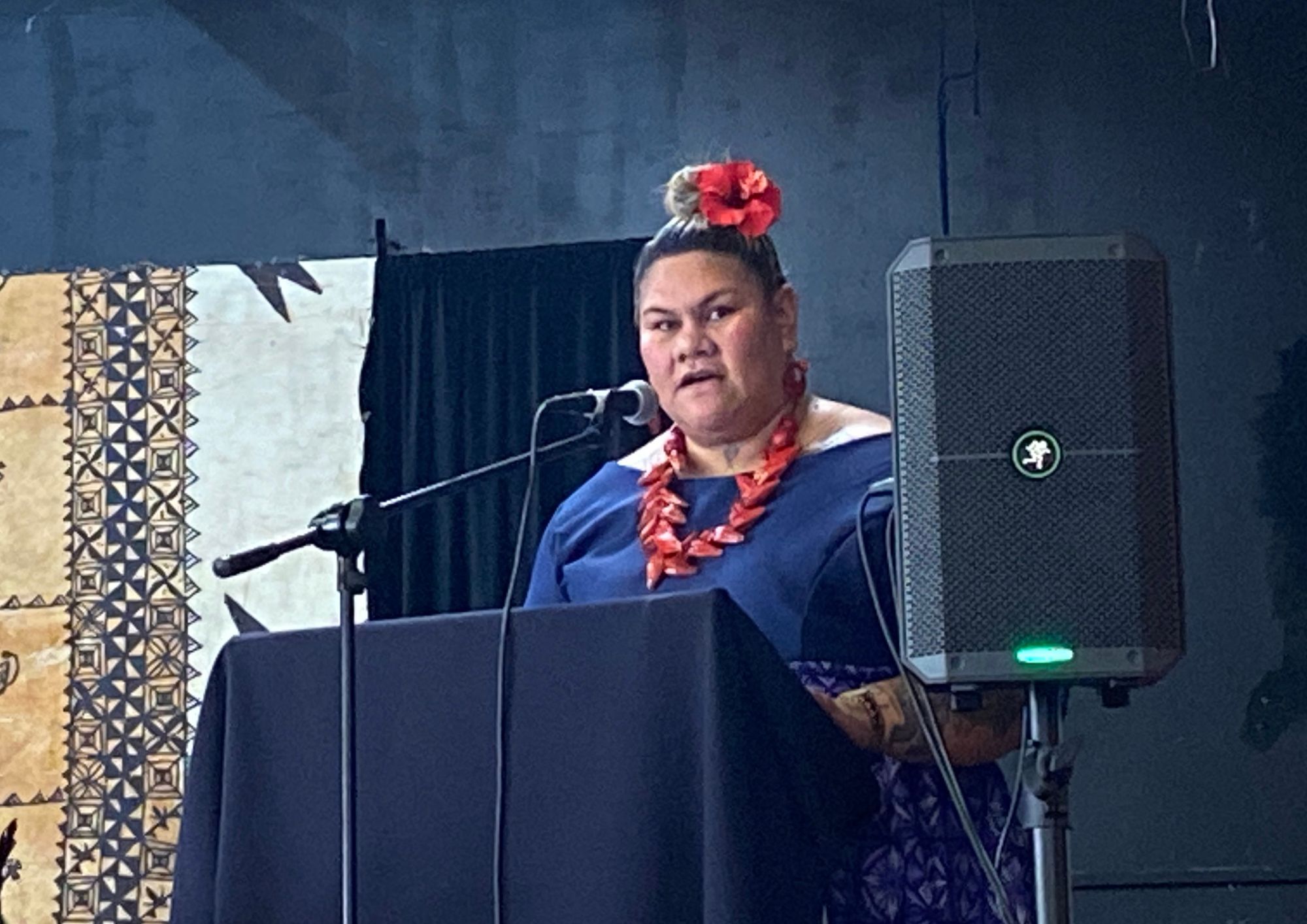
Principal Estear Peautau said the new bilingual units place language and identity at the centre of learning. Photo/PMN News/Taelegalolo'u Mary Afemata
“Without your passion, your drive, and your unwavering commitment to these bilingual pathways, today simply would not have been possible.”
Parent Fuaimamao Baice said the programme restores a missing link for families.
“It means a lot. As the saying, "soso'o le fau ma le fau" [a Sāmoan proverb meaning unity is strength], because it was disconnected."
She said bilingual learning had previously been limited to primary level, with no pathway into middle school, but the new unit now provides a continuous pathway.
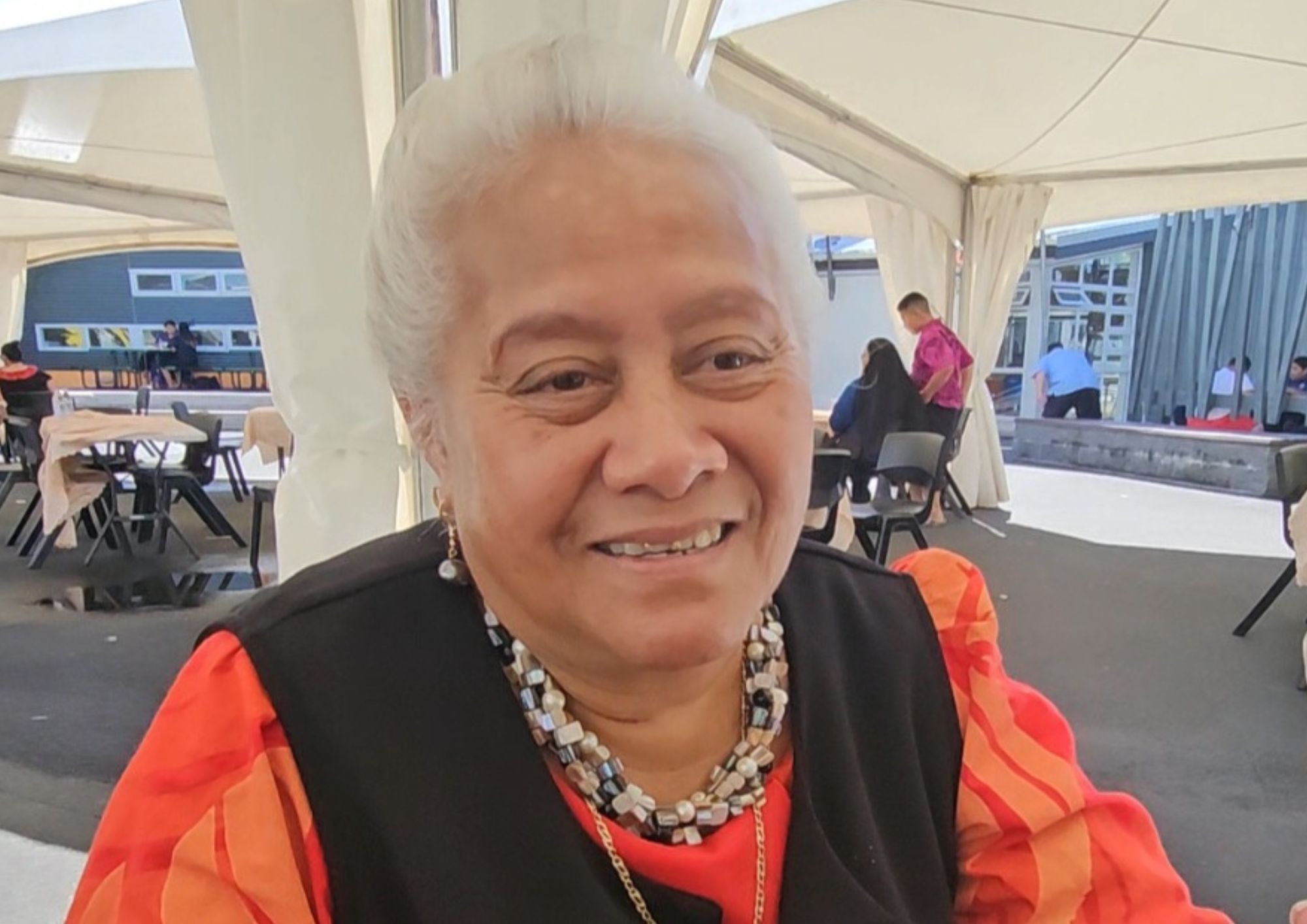
Fuaimamao Baice said the new bilingual unit helps restore a long-missing pathway for Pacific learners and their families. Photo/PMN News/Taelegalolo'u Mary Afemata
"Now it's connected and it's a joy for me," she said. “So they[children] can learn our language and know our culture.”
Community leader Vasa Fia Collins said the opening reflects years of collective effort.
“This is a culmination of blood, sweat and tears from the community. So I don't think today would have happened in isolation,” she said.
“I absolutely believe it was a collective effort. The parents, the teachers, the staff, all of the school community and the students.”
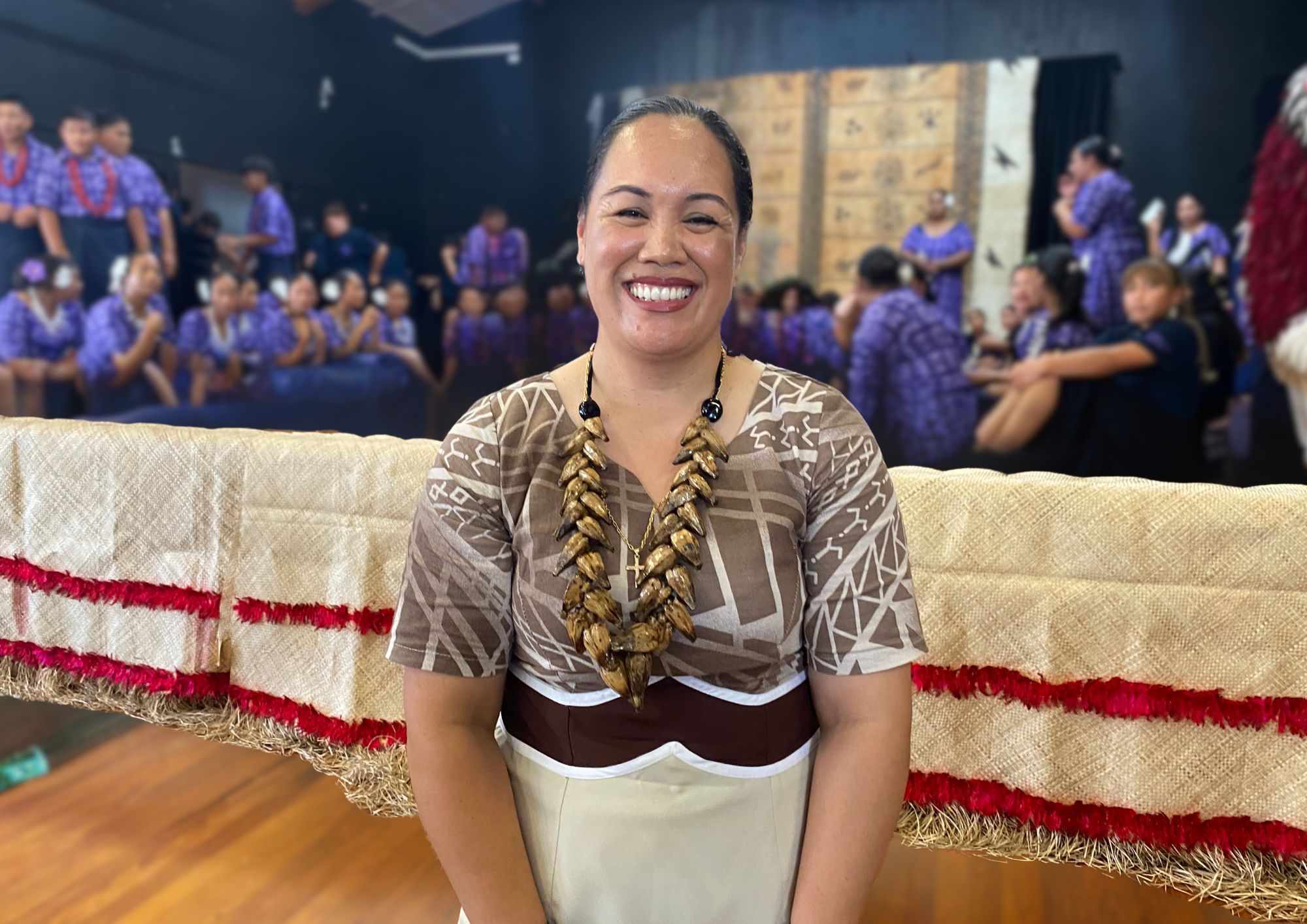
Community leader Vasa Fia Collins said the opening reflects years of collective effort from the community. Photo/PMN News/Taelegalolo'u Mary Afemata
Collins said culturally grounded learning environments improve engagement and outcomes.
“We know there's overwhelming empirical evidence that when they know their home languages, their mother tongue, they will succeed in everything else in life.”
“When you know you're going to be in and amongst people that celebrate your history, your past, speaking in your language and making you feel like you belong, yeah, I want to come to school too.”
Stephanie Ramirez, Chief Adviser, Early Learning at Te Mahau, Ministry of Education, said there is significant growth in demand for Māori medium and Pacific bilingual education, particularly in South Auckland.
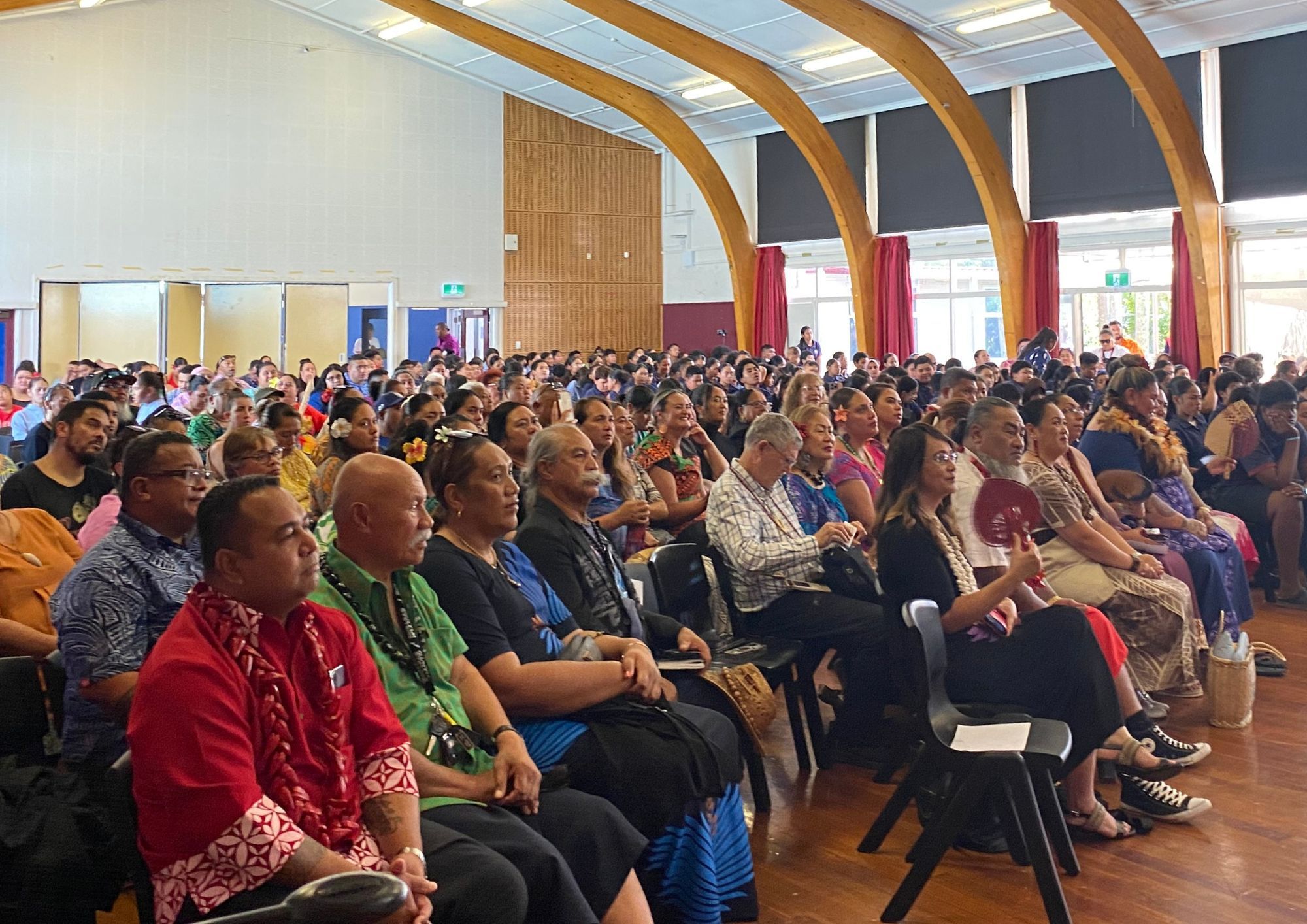
Community members fill the school hall for the opening of new bilingual units at Sir Edmund Hillary Collegiate. Photo/PMN News/Taelegalolo'u Mary Afemata
She said students in higher levels of immersion are achieving results comparable to, and in some cases stronger than, those in English-medium settings.
Dr Salainaoloa Wilson-Uili from the Ministry for Pacific Peoples said strengthening bilingual pathways remains a priority.
“One of the key objectives is strengthening the pathways to be able to learn your Pacific languages, but also learn in your Pacific languages,” she said.
Despite growing demand, access to bilingual pathways remains uneven across Auckland, often depending on individual schools and community advocacy.
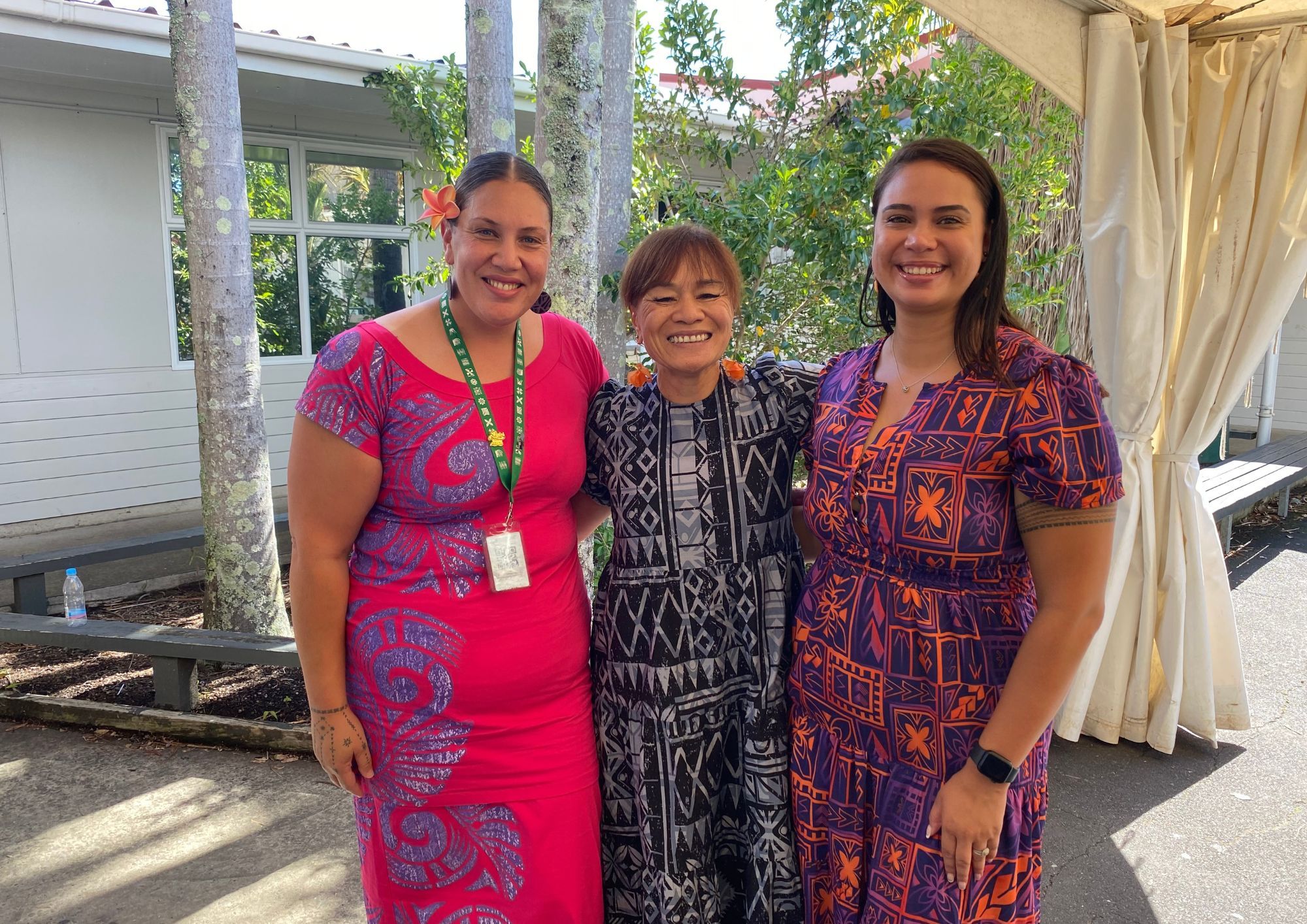
Dr Salainaoloa Wilson-Uili, left, with colleagues from the Ministry for Pacific Peoples at Sir Edmund Hillary Collegiate Middle School, where new bilingual units have been introduced. Photo/PMN News/Taelegalolo'u Mary Afemata
Manukau ward councillor Alf Filipaina said the opening reflects strong local demand but highlights a wider gap.
“What it means is that people and the parents and the students and the schools are yearning to do that in South Auckland,” he said.
“The challenge now, and this could be Ministry of Education, is to end up having initiatives to put bilingual classes together across Tāmaki Makaurau and Aotearoa.”
The Ministry said it is working to expand bilingual education in high-growth areas, but did not outline specific nationwide initiatives or timelines.
LDR is local body journalism co-funded by RNZ and NZ On Air.