Pacific travellers face a new financial hurdle when applying for temporary visas to the United States, with some applicants required to post a bond of up to US$20,000.
Photo/RNZ
Immigration
US visa bond puts Pacific family and business ties behind NZ$34,000 hurdle
Travellers from Fiji, Tonga, Tuvalu, Vanuatu and Papua New Guinea face a major upfront cost for US visitor visas, raising concerns about who can still afford to travel.

Christine Rovoi
Published
12 August 2026, 2:06pm
Share
Copy Link
Top stories

From Ōtara, NZ to Los Angeles: David Liti lifts up the next generation
Elton Lonaratha JnrMon, 19 Oct
Washington warnings mount as four Pacific nations risk loss of US aid
Christine RovoiTue, 20 Oct

'Watch out': Silver Ferns issue clear warning to Diamonds ahead of Christchurch clash
Brooke FonotiMon, 19 Oct
Top stories
From Ōtara, NZ to Los Angeles: David Liti lifts up the next generation
Elton Lonaratha JnrMon, 19 Oct
Washington warnings mount as four Pacific nations risk loss of US aid
Christine RovoiTue, 20 Oct
'Watch out': Silver Ferns issue clear warning to Diamonds ahead of Christchurch clash
Brooke FonotiMon, 19 Oct
For Pacific families and businesses, a trip to the United States could now come with a price tag of up to US$20,000 (NZ$34,070) before they can even travel.
Fiji, Tonga, Tuvalu, Vanuatu and Papua New Guinea are among the Pacific countries whose citizens can be required to post a refundable bond of US$5000 (NZ$8520) , US$10,000 (NZ$17,040), US$15,000 (NZ$25,550) or for some PNG traveller, NZ$34,070.
The US State Department says the amount is decided during the visa interview and that the bond does not guarantee a visa will be issued.
Papua New Guinea Prime Minister James Marape says the financial requirement could be a major hurdle for genuine travellers.
"For many ordinary Papua New Guineans, a bond running into tens of thousands of Kina is a considerable amount of money...
"The Government will convey the practical impact of the refundable bond on genuine travellers, particularly small-business operators, professionals and families who may not have immediate access to substantial funds."
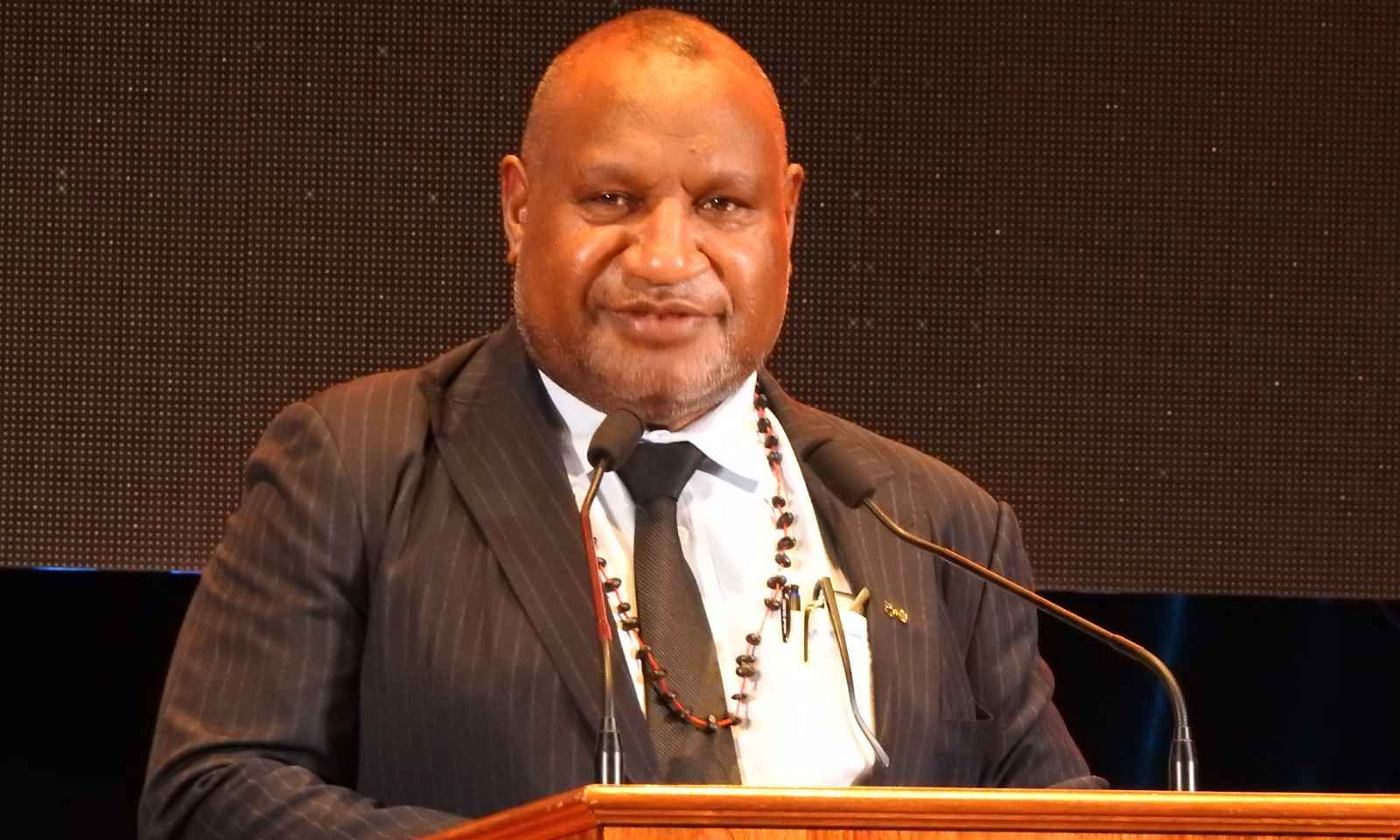
Papua New Guinea Prime Minister James Marape says the US visa bond could place a significant financial burden on genuine travellers, including families, professionals and small-business operators. Photo/Supplied
For Pacific families, the financial hurdle could be enormous, particularly for those travelling to maintain family and community ties in the United States.
The bond applies to B-1 visas for business travel and B-2 visas for tourism and other temporary visits. Students travelling on other visa categories are not the target of the programme.
The impact could also be felt by Pacific businesses trying to build links with the US.
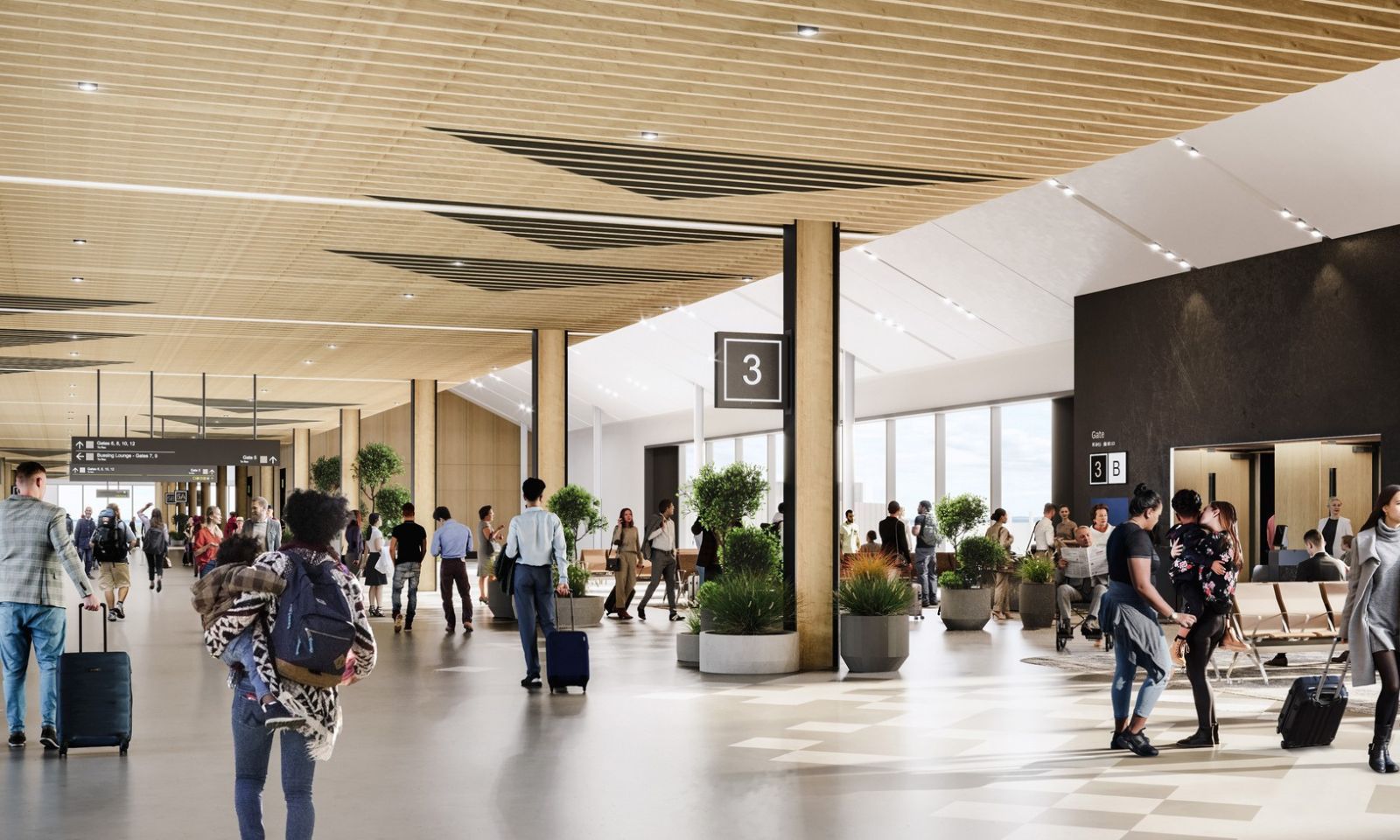
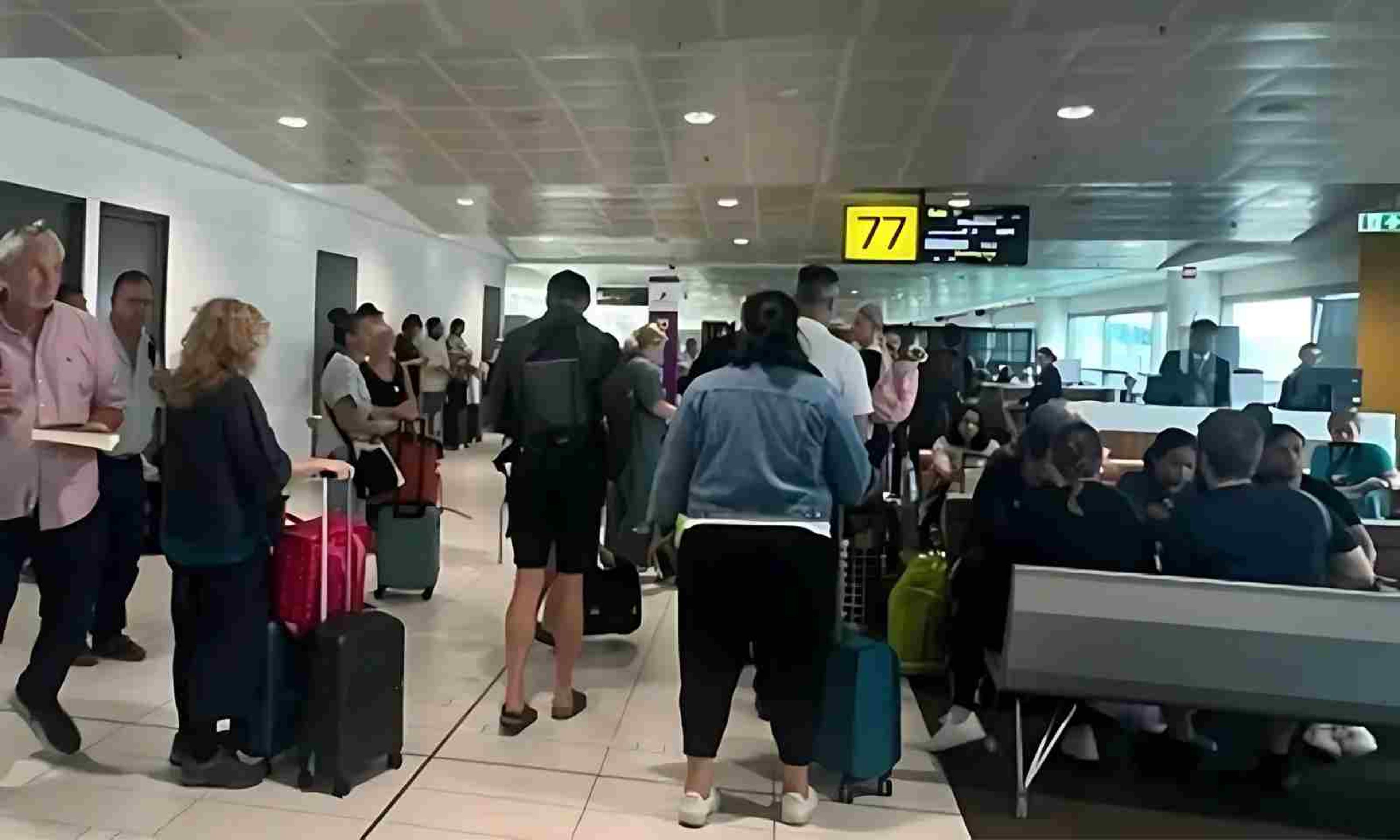
Pacific travellers to the United States will find that new visa bond requirements could make family, community and business travel more difficult for people from several Pacific nations. Photo/Auckland Airport
But the US State Department says the measure is not intended to stop legitimate travel.
"This is not a travel ban. Nationals of visa-bond countries may still be issued visas, as long as they meet the qualifications of the visa and pay the bond... All of the countries that were included in the pilot programme, including PNG, remain part of the visa bond programme under the new rule."
Papua New Guinea was added to the programme in April, alongside 11 other countries, bringing the total number of countries covered to 50.
For Fiji, Tonga, Tuvalu and Vanuatu, the requirement came into effect in January.
In Fiji, the measure has already raised concerns for travellers and the aviation industry. Fiji Airways sought clarification from the US Embassy over how the rule would affect passengers, noting that it could have implications for travel to the United States.
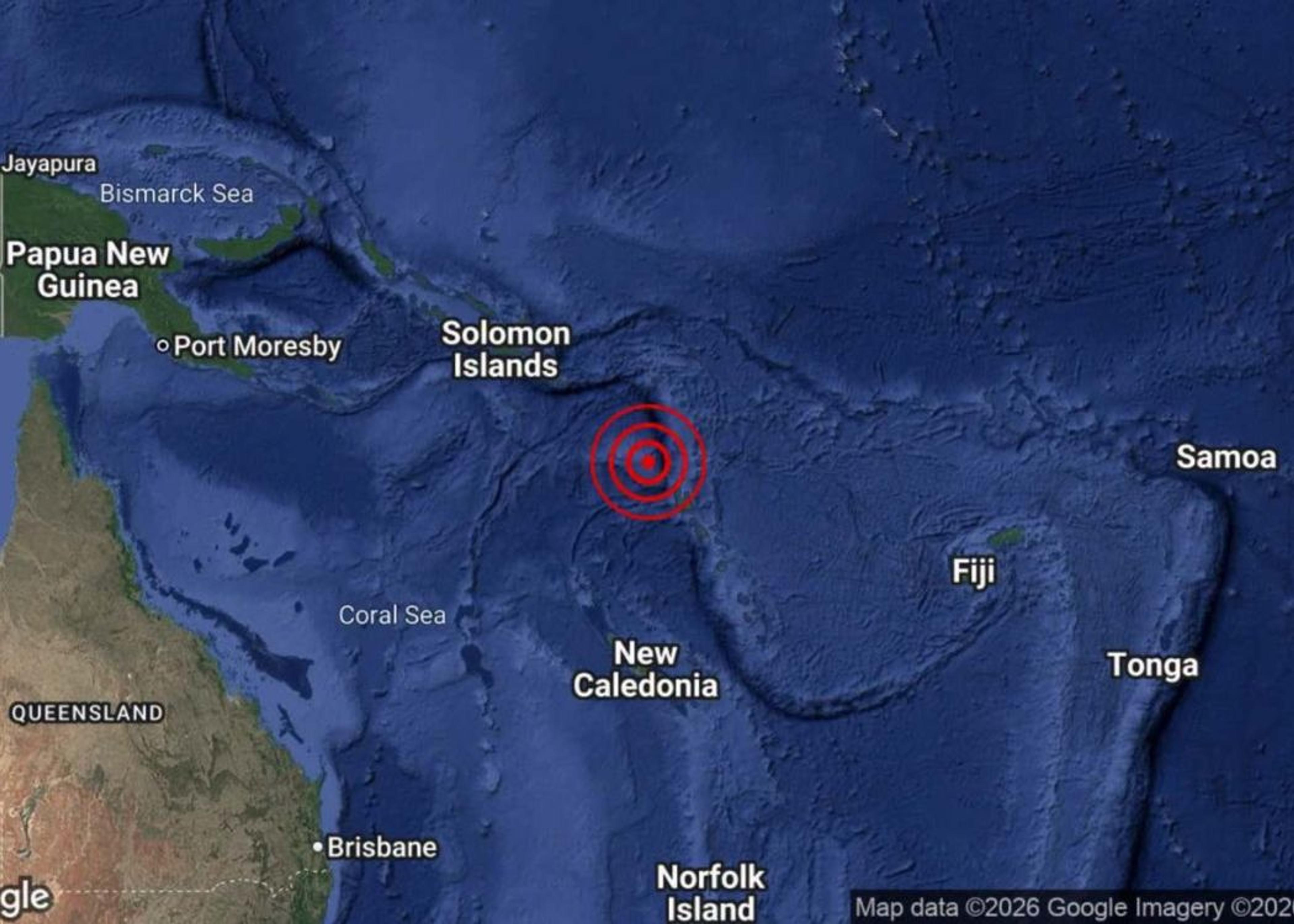
Applicants from Fiji, Tonga, Tuvalu, Vanuatu and Papua New Guinea may be required to post a refundable bond when applying for certain temporary US visas. Photo/PMN News composite
The US says the bonds are intended to encourage travellers to follow their visa conditions and return home on time.
Marape has also urged Papua New Guineans travelling to the US to follow the conditions of their visas.
"A visa is not permission to remain indefinitely. When the authorised period ends, our citizens must return home unless they have lawfully obtained another immigration status...
"Visa overstays by a small number of travellers could have consequences for thousands of genuine Papua New Guinean travellers."
For Pacific communities, however, the question is whether the cost will discourage legitimate travel altogether.
A US$15,000 bond is refundable, but it still represents a huge amount of money for many Pacific households and small businesses to have available at short notice.
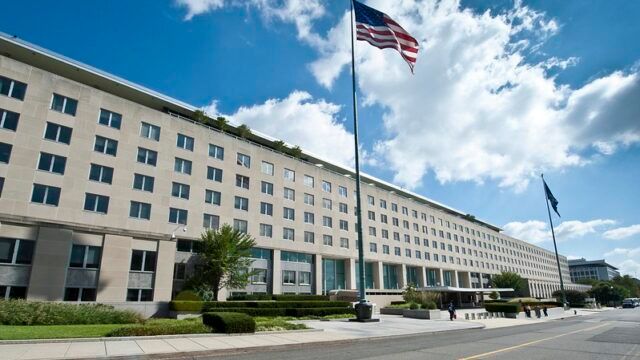
The US State Department says the visa bond is not a travel ban and that eligible travellers can still be issued visas after meeting the requirements and paying the bond. Photo/diplomacy.state.gov
That could affect people travelling to see relatives, attend family milestones, take part in church and community events, or meet business partners and customers in the United States.
The policy could also have wider diplomatic implications with the PNG government signalling it may consider reciprocal visa measures.
"If countries give Papua New Guineans visa on arrival, we will likewise consider giving their citizens visa on arrival.
"If they charge our citizens for visas, we will likewise apply appropriate visa charges.
"If they require Papua New Guineans to apply for a visa before travelling, then we will likewise apply similar requirements."
The State Department says applicants should only pay the bond after a US consular officer directs them to do so, using the US government's official Pay.gov system. It warns applicants not to pay through third-party websites.
Listen to political analyst Tess Newton Cain's full interview on Pacific Mornings earlier this year.
The bond must also be posted before the visa can be issued to an applicant who is otherwise eligible.
For Pacific travellers, the policy means a US visitor visa is no longer simply a question of whether they can meet the visa requirements.
For some, the bigger question may be whether they can afford the bond in the first place.