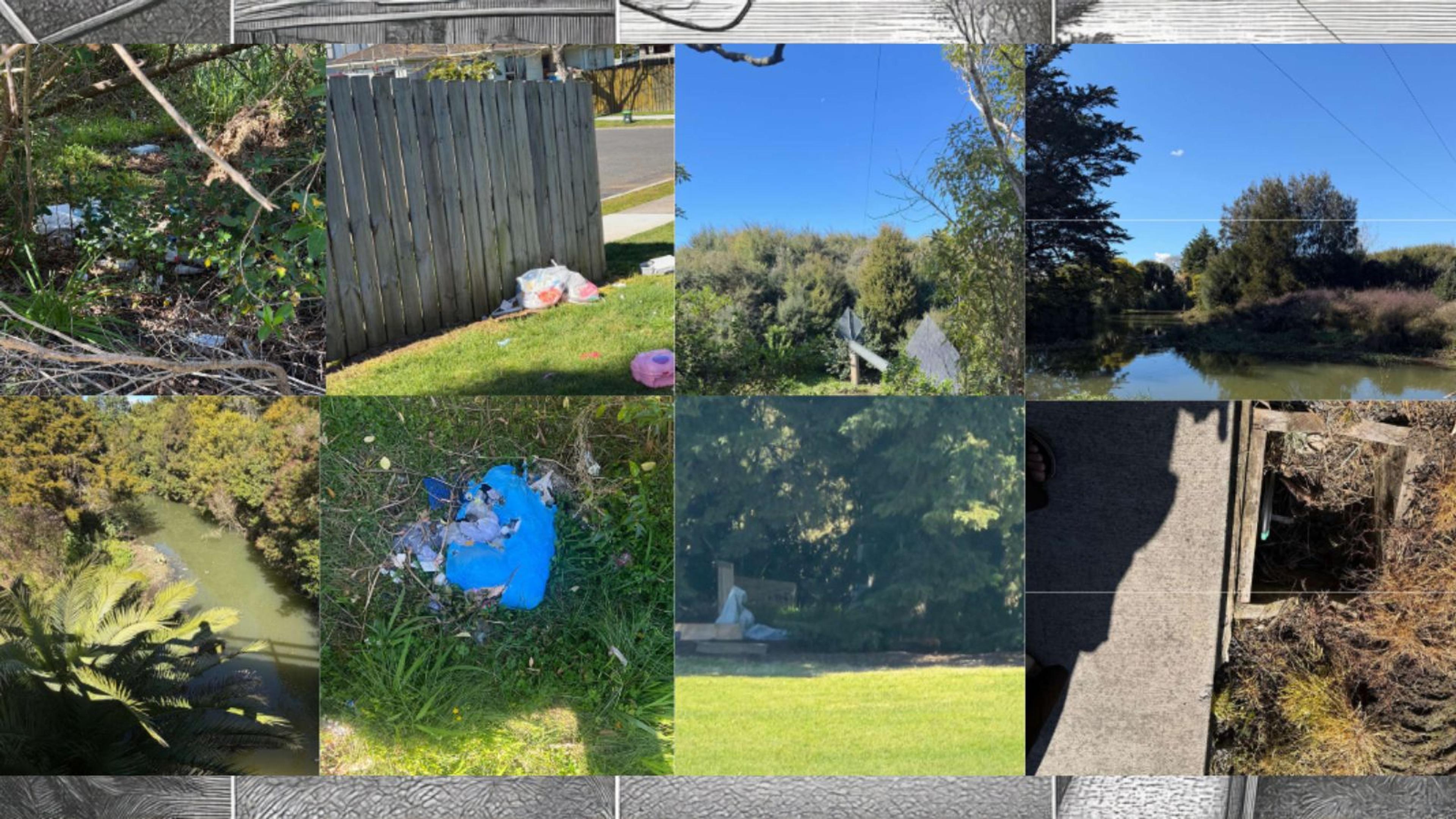
Photos taken by Sir Edmund Hillary Senior School students show rubbish near Ōtara Creek and views of the waterway.
Photo/Sir Edmund Hillary Senior School students presentation.
Local Democracy Reporting
'Protect Ōtara Creek, protect our future': South Auckland students' call to action
Ōtara students are speaking up for their local creek, asking the board to help them tackle rubbish, test the water and make its walkways safer.

Taelegalolo'u Mary Afemata
Published
23 September 2026, 4:50pm
Share
Copy Link
Top stories

Top stories
Students who photographed dumped rubbish beside Ōtara Creek have asked their local board to help protect the waterway.
The Year 12 social science students from Sir Edmund Hillary Senior School showed the Ōtara-Papatoetoe Local Board photographs of discarded items, including a fridge, wheels and trolleys.
“Today we are not simply presenting the results of our school project, but we are acting as the voice of the voiceless, speaking for a waterway that cannot ask for help itself,” one student told board members at it's monthly business meeting on Tuesday.
The group said the creek provided habitat for native wildlife, was a taonga for Māori and gave local people a place to walk and spend time outdoors.
They asked the board for help monitoring pollution, adding rubbish bins, improving walkway lighting and raising awareness of littering and illegal dumping.
One student suggested broken sewage pipes might explain the creek water's green colour, although the cause has not been established.
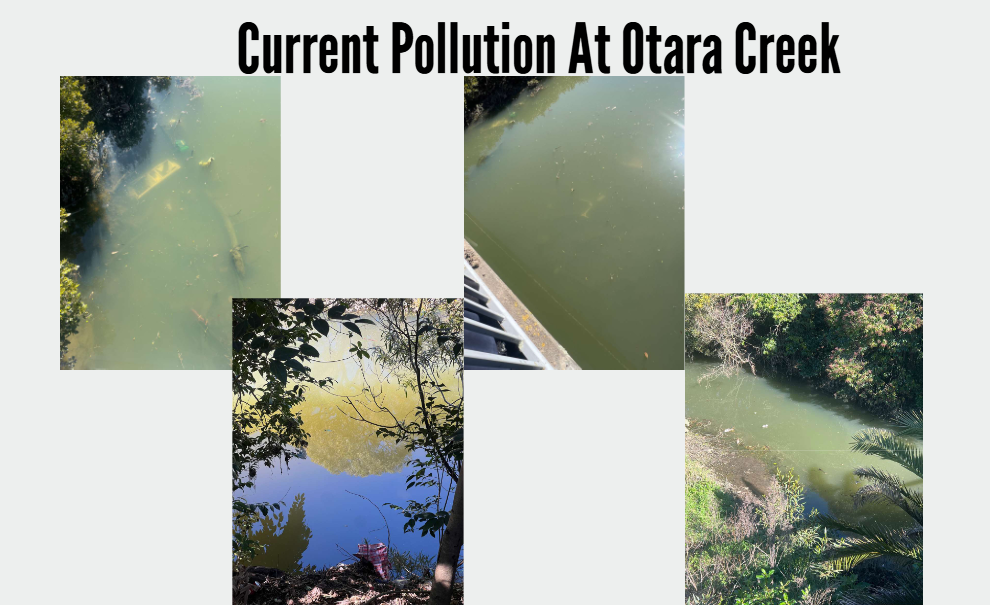
Images of Ōtara Creek shown in a presentation by Sir Edmund Hillary Senior School students to the local board. Photo/Sir Edmund Hillary Senior School students presentation.
Asked by board member Kushma Nair which proposal mattered most to them, a student chose raising awareness beyond the immediate community. The student said rubbish also affected how others viewed Ōtara.
“So many people see us as the bad type of area,” the student said.
“They wouldn’t want to come around knowing that we are so untidy, if that makes sense.”
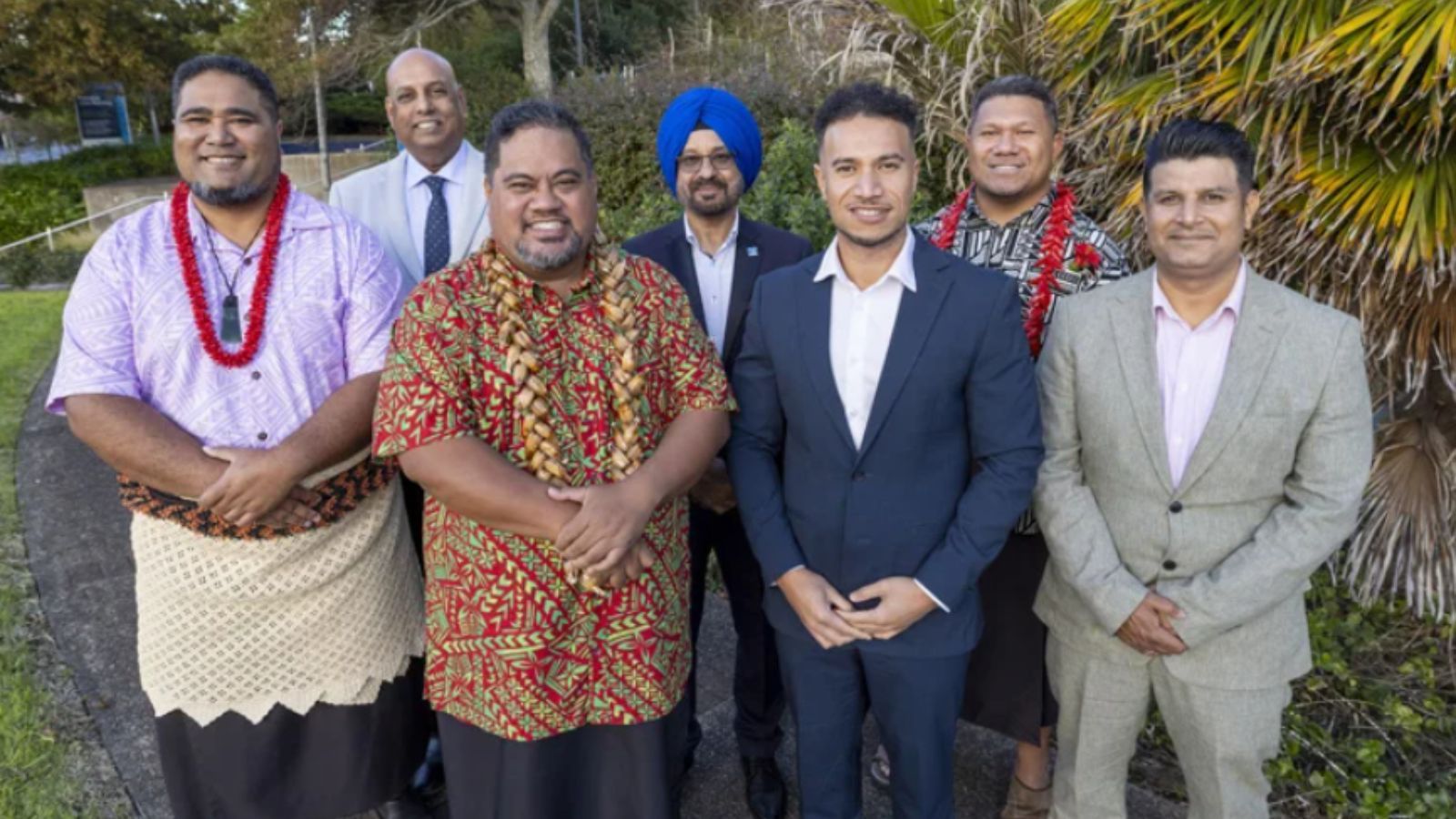
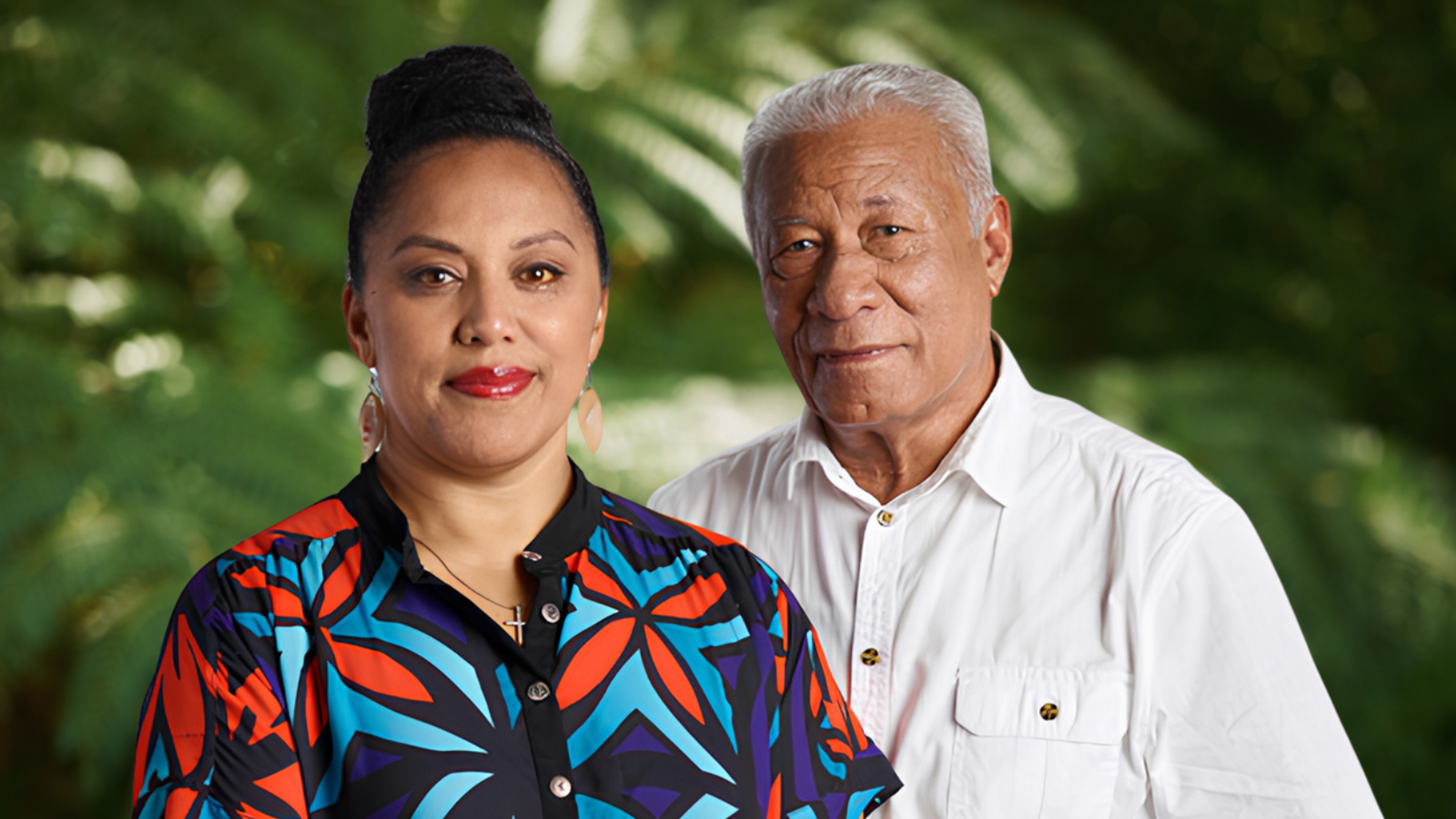
Members of the Ōtara-Papatoetoe Local Board. Photo/Auckland Council.
Nair agreed awareness mattered and encouraged the students to talk with their whānau about the creek.
Deputy chair Vi Hausia, whose comments were read to the students, described water as a taonga and said restoring the creek would take effort.
“Improving the mana of our Ōtara Creek is no easy feat, but that's also not an excuse for us to do nothing.”
He said he would support looking into measures such as more rubbish bins.
Board chair Apulu Reece Autagavaia thanked the students for their confident presentation.
“It’s no mean feat to come and present to a whole bunch of old people here, but also advocating on behalf of our environment,” he said.
Apulu asked whether the students had tested the creek water.
When they said they had not, he suggested the board consider helping local young people do the testing, giving them a chance to learn about the creek while gathering information about its condition.
“So I think that's definitely an option that we should be opting for to encourage our young people, our locals to do that testing,” he said.
Apulu also encouraged the students to connect with a trust working around Ōtara’s waterways and lakes. He said the trust planted along waterway edges to help prevent pollutants entering them.
He told the students council staff had considered ways to deal with pollutants in the creek’s sediment, including removing it, but said that could cost millions of dollars.
He was recounting staff advice; no costed proposal was presented to the board at the meeting.
“I think the fact that you guys have stepped up and are willing to keep the council accountable is awesome,” he said.
Apulu suggested further discussions about walkway lighting and water testing kits.
He said the board would write to the students after the meeting to thank them and set out ways they could work together.
A student closed the presentation with a call to action: “Protect Ōtara Creek, protect our future.”
The board voted to thank the students for their presentation. It made no decision at the meeting to fund or carry out the improvements they requested.
LDR is local body journalism co-funded by RNZ and NZ On Air.