Ujelang Atoll shows signs of recovery after decades of nuclear exile - scientists
Aui'a Vaimaila Leatinu'uFri, 05 Jun
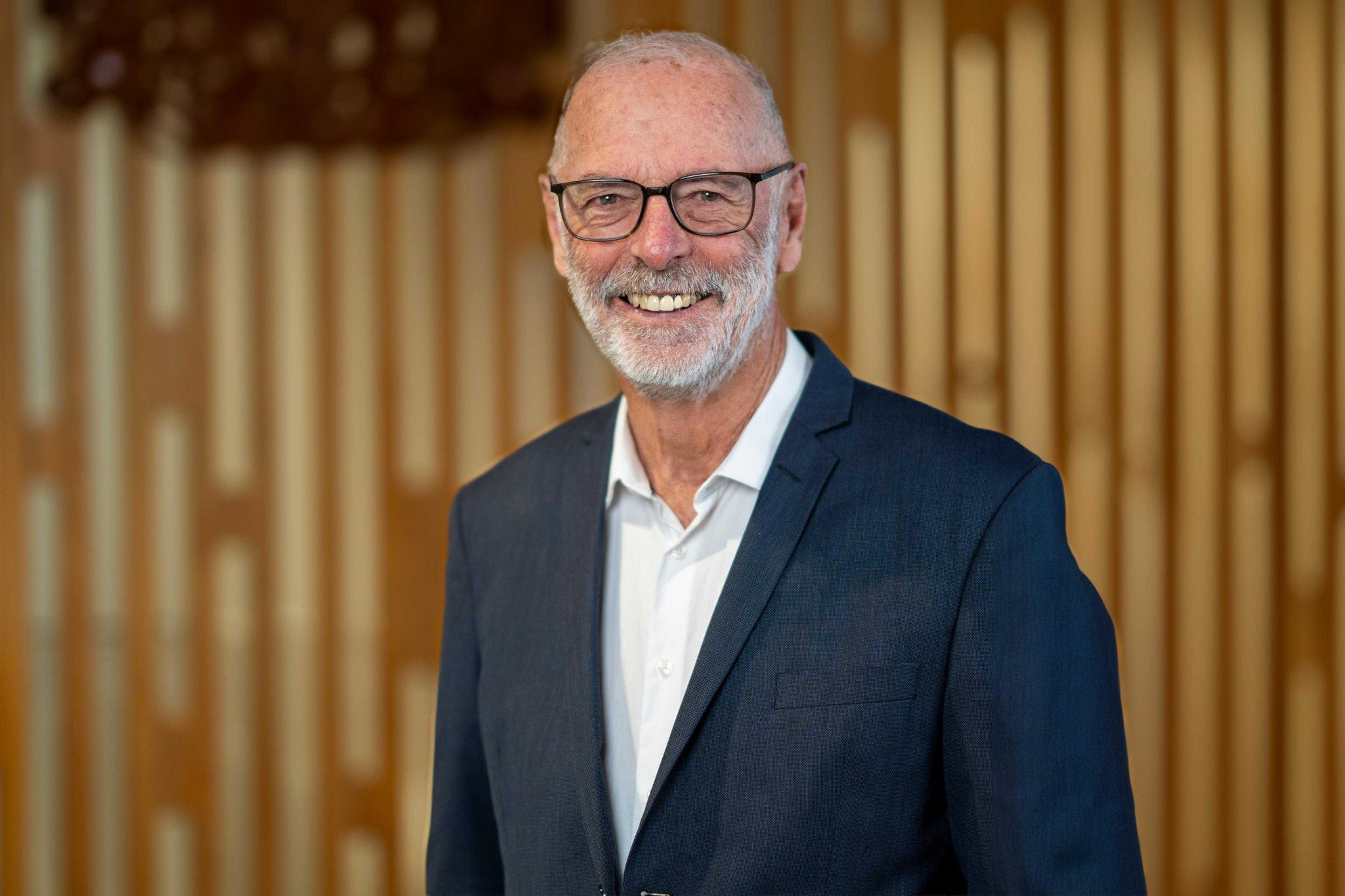
Auckland Mayor Wayne Brown says the Fairer Funding model is designed to address long-standing inequities between local boards.
Photo/Mayor Wayne Brown Facebook
Eight local boards face tough choices to balance their budgets, as Mayor Wayne Brown insists none are being cut under the Fairer Funding model.

Eight Auckland local boards who face a combined funding hole of $6 million are unlikely to get any help from the mayor's office.
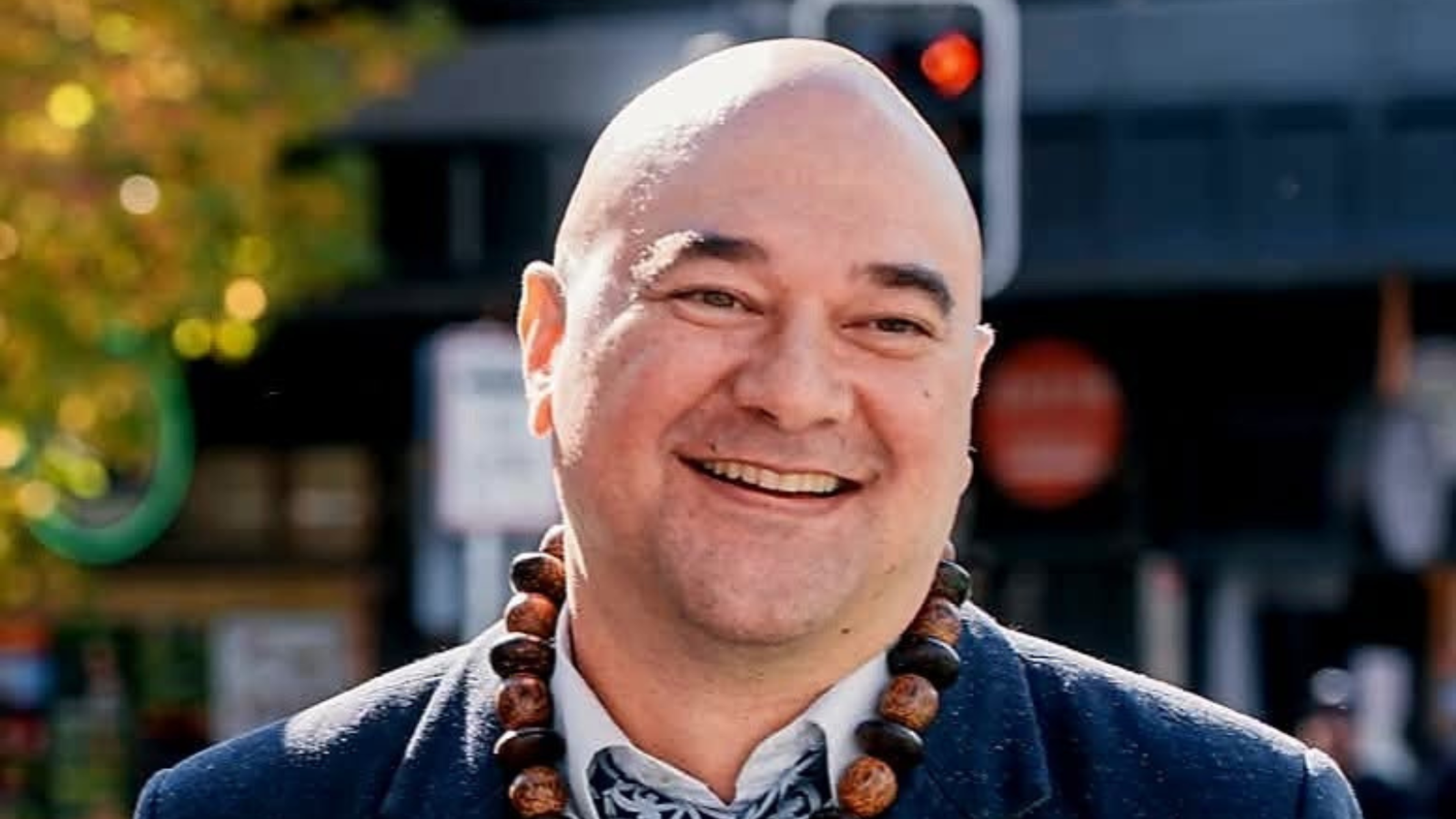
Manukau ward councillor Lotu Fuli claims the Mayor’s Office had assured her multiple times last year that funding would be found to help local boards fill the gap.
However, Fuli said those assurances weren't repeated at the Budget Committee meeting on 18 February.
In response, Auckland mayor Wayne Brown said local boards need to make trade-offs while maximising value for their communities.
During the recent Budget Committee meeting, councillors debated how a combined $6 million shortfall affecting eight local boards should be addressed.
Fuli described the discussion as a “fierce debate” before councillors voted 14 - 3 to send the Annual Plan out for public consultation.
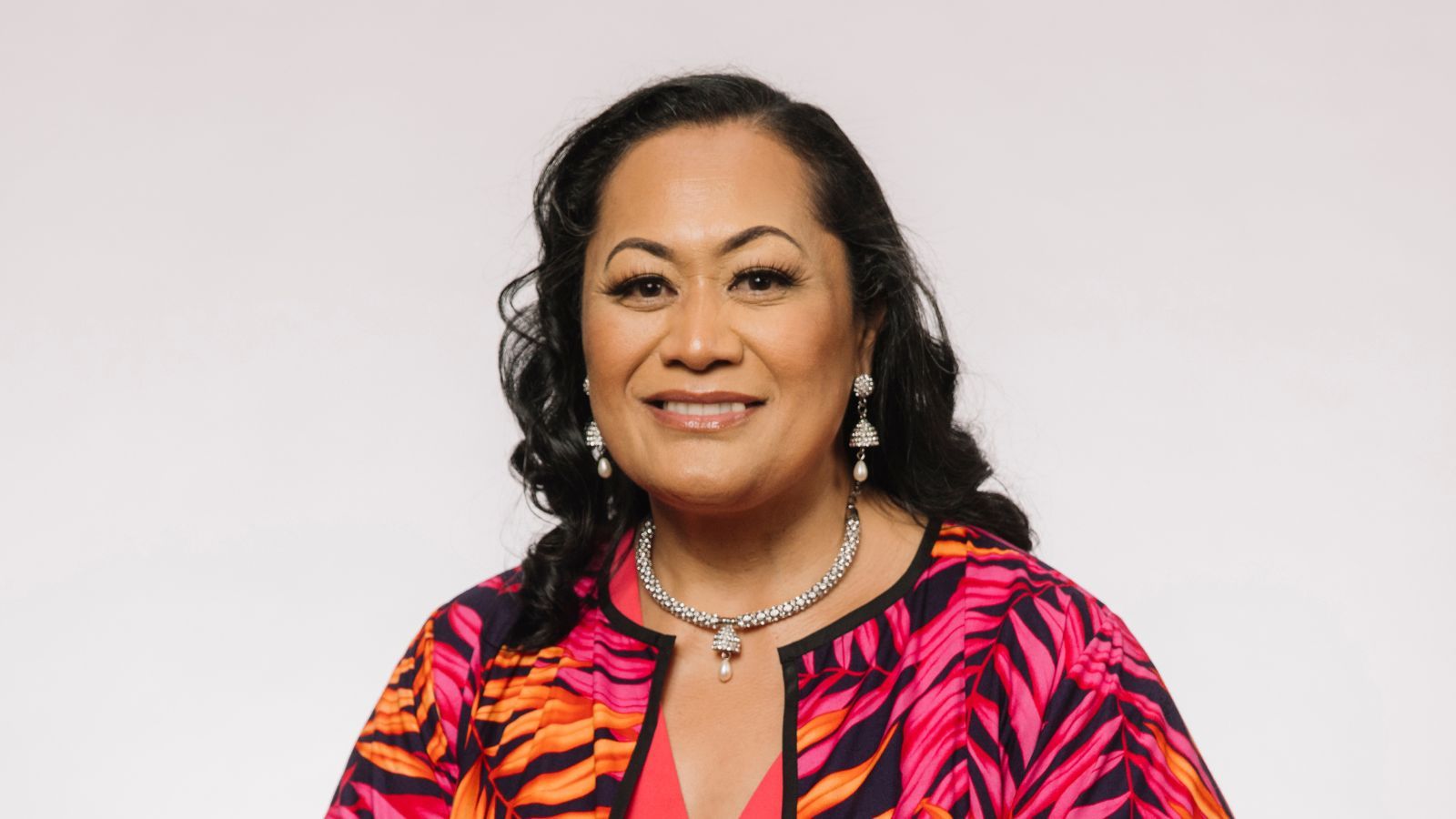
Manukau ward councillor Lotu Fuli says assurances about filling the $6 million local board funding gap were not repeated at the 18 February Budget Committee meeting. Photo/Auckland Council
Māngere-Ōtāhuhu faces a shortfall of about $1.05 million due to rising cost pressures.
Ōtara-Papatoetoe’s gap sits between $1.2 and $1.5 million.
Local boards must either cut services, increase fees and charges, introduce an estimated targeted rate of about $27 per property, or apply a mix of those measures.
Fuli said councillors John Dillon and Ken Turner voted alongside her against sending the consultation document out as a protest vote for affected boards.

Mayor Wayne Brown says no board is facing a cut, but some will receive smaller increases under the Fairer Funding model. Photo/file.
Mayor: Funding model correcting historic inequities
Mayor Wayne Brown said his position on the Fairer Funding model has remained consistent.
The model - approved in the Long-term Plan 2024 to 2034 - is designed to address inequities between local boards.
“There have been long-standing funding inequities between the 21 local boards that have persisted since Auckland Council’s establishment in 2010,” Brown said.
Funding at amalgamation was based on the assets former councils brought into the Super City, reflecting decades-old decisions about where pools, halls and leisure centres were built.
Under the new Fairer Funding approach, local board operating funding is allocated using:
• population, 80 per cent
• levels of deprivation, 15 per cent
• land area, 5 per cent
To support the transition, the Governing Body has allocated an additional $50 million in operating funding over two years, $35 million in 2025 to 2026 and $15 million in 2026 to 2027.
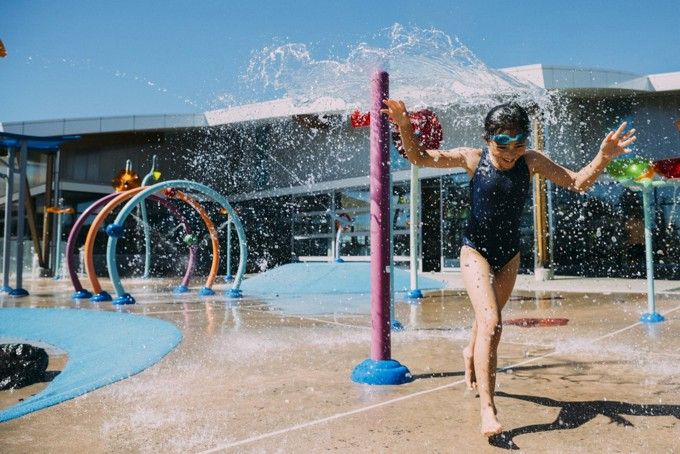
Local leisure facilities, including pools and splashpads, could be affected as boards weigh cuts, fees or targeted rates. Photo/Auckland Council
Brown said changes in allocation mean some boards receive larger increases than others as part of the rebalancing process.
“To apply the Fairer Funding model, some local boards got more, some got less,” he said.
“No board had a reduction, they just get a bit less than what they think they deserve.”
The Mayor told the committee that no board was receiving a funding cut, but some would receive a smaller increase than expected under the new model.
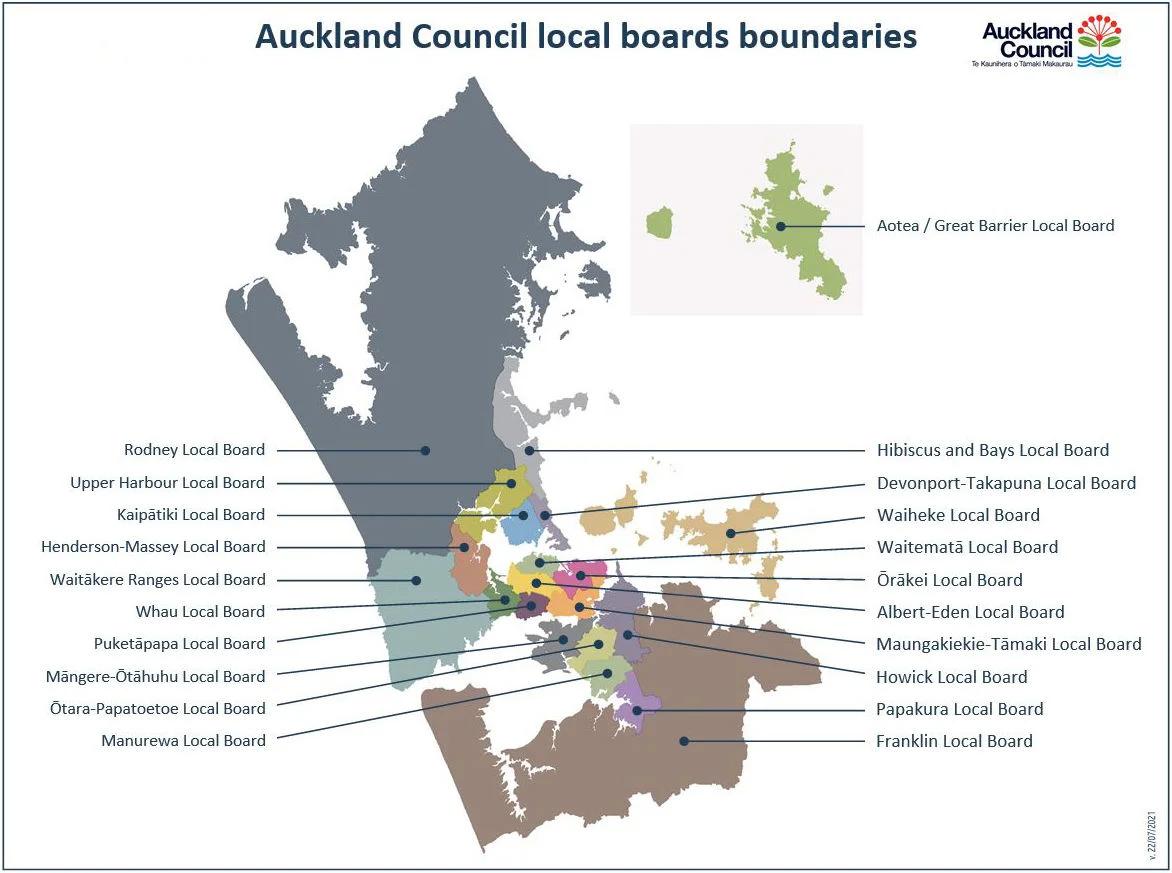
Eight of Auckland’s 21 local boards face a combined $6 million funding gap under the Fairer Funding transition. Photo/Auckland Council
From 2026 to 2027, seven local boards will receive a smaller operating funding increase as part of the overall rebalancing process, while other boards catch up.
This results in a combined estimated funding gap of approximately $6 million.
Funding for Māngere-Ōtāhuhu will increase by 2 per cent by 2026 to 2027, while Ōtara-Papatoetoe’s funding will rise by 5 per cent.
Brown said local boards are responsible for determining how services are delivered within their available budgets.
“I expect local boards to maximise value for their communities while not wasting ratepayer money,” he said.
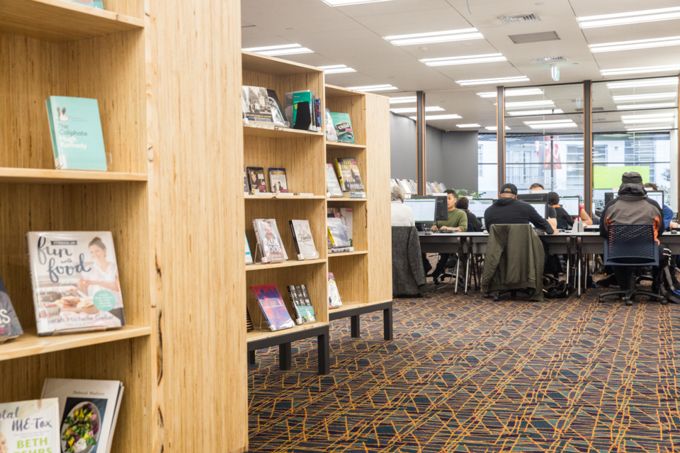
Auckland Council libraries are among the community services local boards may need to review as funding pressures mount. Photo/Auckland Council
“Even with the additional funding for this transition, achieving this balance requires trade-offs.”
The Mayoral Proposal made clear that “sensible solutions” could be found to address the $6 million gap and avoid drastic service cuts, and that advice from his office has been consistent with that position, he said.
Where significant service impacts arise, he said the Governing Body has mechanisms available to respond following public consultation.
Call for community input
Consultation on the Annual Plan opens on 27 February and runs until 29 March, with final decisions due in May and June.
Speaking during her Governing Body update to the Māngere-Ōtāhuhu Local Board last week, Fuli urged members to encourage their communities to take part in the consultation.
“Please tell us what you think,” she said.
“Whether you would rather cut services, increase fees and charges, put a targeted rate on instead, or if you would like the Governing Body to find a different way of filling that gap.”
LDR is local body journalism co-funded by RNZ and NZ On Air.